 +919871148514
 info@memorableindia.com
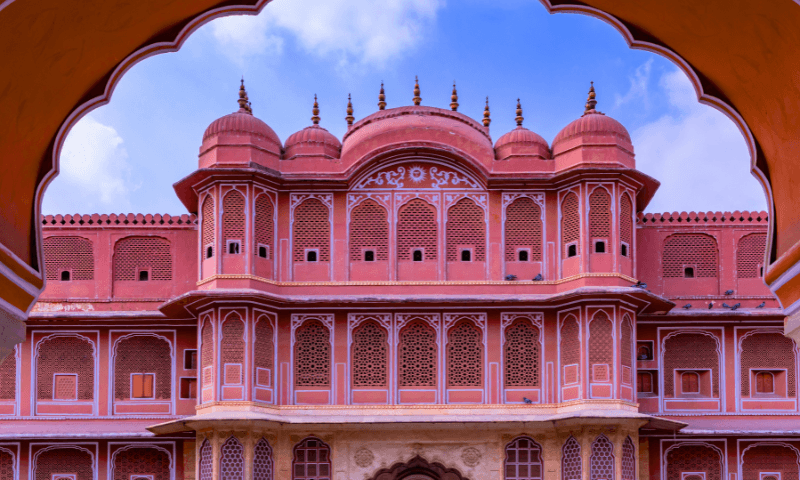
Rajasthan attracts millions of visitors every year, and for good reason. The forts, palaces, and desert safaris are genuinely spectacular. But after a point, every itinerary starts to look the same: Jaipur, Udaipur, Jaisalmer, repeat. If you have already ticked those boxes or simply prefer roads less crowded, there is a whole other side of this state waiting for you. Towns with crumbling havelis and zero souvenir shops. Sanctuaries where the only other tourists might be migratory flamingos. Stepwells that rival anything in your Instagram feed but somehow never make it there.
This guide tells about ten offbeat places to visit in Rajasthan that offer a genuinely different travel experience. These are not hidden in the strictest sense; locals know them well, and a few seasoned travellers have written about them. But they remain far outside the mainstream circuit, which means quieter mornings, more honest interactions, and a version of Rajasthan that the big tour buses simply do not reach.
Tucked into a narrow valley in the Hadoti region of southern Rajasthan, Bundi is roughly 35 kilometres from Kota. It has a palace complex covered in some of the finest miniature murals in India, a 14th century hilltop fort called Taragarh, and more than 50 stepwells scattered across the old town. Yet it remains one of the most unexplored places in Rajasthan, largely because it never landed on the Golden Triangle route.
Rudyard Kipling once stayed in Bundi and reportedly found it enchanting. The Bundi Palace murals, depicting scenes of royal processions, hunts, and festivals, are still remarkably vivid. Rani Ji Ki Baori, the queen’s stepwell, is a beautifully carved structure that deserves far more attention than it gets. The 84 Pillared Cenotaph, built by Rao Anirudh Singh in memory of his nurse, is an architectural gem with intricate carvings.
What makes Bundi special is how lived-in it feels. The old town has not been sanitised for tourism. Cows still wander past crumbling blue facades, and chai stalls operate in the shadow of centuries-old archways. For travellers looking for an unhurried, reflective experience, Bundi is hard to beat.
Bhangarh is often marketed as India’s most haunted fort, which does it a disservice. Set at the edge of the Sariska Tiger Reserve in Alwar district, Bhangarh is actually a remarkably well-preserved abandoned town from the 17th century. The temples, markets, havelis, and the palace at the top of the hill are all still standing, and giving visitors a rare chance to walk through into a complete medieval township.
The Archaeological Survey of India maintains the site and prohibits entry after sunset, which has only added to its mystique. Regardless of what you believe about ghosts, the atmosphere here at dawn, when mist rolls through the empty bazaar streets and langurs sit on temple rooftops, is extraordinary. Bhangarh is about 85 kilometres from Jaipur, making it a feasible day trip or a stop on a route toward Sariska.
Most travellers to Rajasthan hear about Kumbhalgarh Fort, but very few actually visit. That is a significant oversight. Built by Rana Kumbha in the 15th century, this fort sits on the Aravalli Hills between Udaipur and Jodhpur and features a wall that stretches over 36 kilometres. It is the second longest continuous wall in the world, after the Great Wall of China.
Inside the fort complex, there are over 360 temples and a palace at the summit offering views that extend to the sand dunes of the Thar on a clear day. The Kumbhalgarh Wildlife Sanctuary surrounding the fort is home to wolves, leopards, sloth bears, and a healthy population of four-horned antelopes. The combination of heritage architecture and wilderness makes this one of the most rewarding offbeat places to visit in Rajasthan, especially for travellers who enjoy a bit of trekking.
Jawai, in the Pali district, is one of the unusual wildlife destinations in India. Here, leopards inhabit the granite hills alongside Rabari shepherds who have coexisted with them for generations. There is no national park boundary, no fenced reserve. The leopards roam freely through the landscape, and sightings are remarkably consistent, especially around the Jawai Dam area.
Beyond the wildlife, Jawai is culturally fascinating as well. The Rabari community, with its distinctive white garments and elaborate jewellery, has maintained pastoral traditions for centuries. Several luxury camps and lodges have opened in the area, offering guided leopard tracking, village walks, and birdwatching around the dam, where migratory flamingos and cranes gather in winter. Jawai is roughly 150 kilometres from Udaipur and 160 kilometres from Jodhpur, comfortably reachable by road.
Khimsar sits on the edge of the Thar Desert, about 90 kilometres from Jodhpur. The 16th century Khimsar Fort, now partly converted into a heritage hotel, anchors a village that remains deeply traditional. What sets Khimsar apart from more commercialised desert experiences is its authenticity. There are no staged cultural programmes performed here. The camel safaris head into genuinely remote stretches of dune country, and the village interactions are organic rather than performative.
The nearby Khimsar Dunes Village offers a chance to stay in beautifully designed desert cottages while experiencing Thar hospitality at its most genuine. For travellers who want a desert experience without the tourist infrastructure of Jaisalmer or Sam Dunes, Khimsar is the right choice.
Ranakpur, nestled in a forested valley of the Aravalli range between Udaipur and Jodhpur, is home to one of the most important Jain temple complexes in India. The Chaumukha Temple, dedicated to Lord Adinath, contains 1,444 marble pillars, and no two are carved identically. The craftsmanship is so intricate that the play of light through the marble changes with every hour of the day.
Unlike many heavily visited temple sites, Ranakpur retains a meditative calm. The surrounding forest is part of the Kumbhalgarh Wildlife Sanctuary and supports populations of langurs, peacocks, and occasionally leopards. Combining a visit to Ranakpur with a stop at Kumbhalgarh makes for one of the finest day trips in Rajasthan, yet most mainstream itineraries skip both entirely.
Spread across the districts of Jhunjhunu, Sikar, and Churu in northeastern Rajasthan, the Shekhawati region is sometimes called as the open art gallery of India. The merchant families who traded across the Silk Route in the 18th and 19th centuries built grand havelis here, covering their walls with elaborate frescoes depicting everything from mythological scenes to early motorcars and steam engines.
Towns like Mandawa, Nawalgarh, and Fatehpur are the most accessible bases for exploring these painted mansions. Some havelis have been restored and converted into heritage hotels, while others stand in varying stages of graceful decay. Shekhawati is about five to six hours by road from Jaipur, or a convenient stopover on a route between Jaipur and Bikaner. For architecture and history enthusiasts, this is one of Rajasthan’s most underappreciated treasures.
Barmer, in western Rajasthan near the Pakistan border, is one of the driest and most remote districts in the state. Despite its arid landscape, it is considered one of the most culturally vibrant destinations in Rajasthan.
The region is famous for its wood carving, ajrakh block printing, and embroidery traditions that have been passed down through generations. The annual Barmer Thar Festival, usually held around March, celebrates these crafts alongside folk music, dance, and camel races.
The town itself is not conventionally pretty, but that is part of its appeal. This is working Rajasthan, not curated Rajasthan. The Kiradu Temples, about 35 kilometres from Barmer, date back to the 11th century and are sometimes compared to the temples of Khajuraho for their sculptural quality, though they receive a fraction of the visitors. Barmer rewards travellers who are comfortable with rough edges and genuine encounters.
Bijaipur is a small, relatively unknown village in the Chittorgarh district, tucked into the lower slopes of the Vindhyachal range. It centres around a medieval manor house whose descendants still live in the property, parts of which have been opened to guests as a heritage homestay. The setting is pastoral: lakes, streams, and forested hills with very few other visitors around.
The village is an ideal base for soft adventure activities. There are trekking trails through the surrounding hills, horseback rides to nearby settlements, and yoga sessions offered by a local practitioner. Bijaipur also works well as a quiet counterpoint on a longer Rajasthan itinerary. After the sensory intensity of Jaipur or Jodhpur, a couple of days here can feel restorative. The nearest major town is Chittorgarh, about 50 kilometres away, which itself houses one of the largest fort complexes in India.
Mount Abu, Rajasthan’s only hill station, does get tourists, but most of them cluster around Nakki Lake and the Dilwara Temples before heading back. The deeper you go into Mount Abu’s surroundings, the more rewarding it becomes. The Guru Shikhar peak, the highest point in the Aravalli Range at 1,722 metres, offers views that stretch endlessly. The Trevor’s Tank area is a wildlife zone where crocodiles, wild boar, and Langur monkeys inhabit the forested terrain around a natural reservoir.
The Achalgarh Fort, about 11 kilometres from the main town, is far less visited than the Dilwara Temples but equally atmospheric, with Jain temples and the remnants of Paramara dynasty architecture. For travellers arriving from the plains of Jodhpur or Udaipur, the sudden shift to pine forests and cool air makes Mount Abu feel like an entirely different state. The Dilwara Jain Temples, constructed between the 11th and 13th centuries from intricately carved marble, remain one of the finest examples of Jain temple architecture in India.
An offbeat Rajasthan itinerary requires a bit more planning than a standard circuit, mostly because public transport connections to these destinations can be infrequent. Here are a few practical considerations to keep in mind.
Rajasthan’s mainstream attractions deserve their fame. But the state is vast, and its most character-rich corners are often the ones that the crowds skip. From the mural-covered walls of Bundi to the leopard-dotted hills of Jawai, these offbeat destinations offer a version of Rajasthan that feels personal, layered, and real. If you are planning your next Rajasthan journey and want something beyond the usual circuit, explore Rajasthan tour packages with Memorable India. With personalised itineraries, experienced local guides, and a commitment to responsible tourism, Memorable India can help you build a trip that gets genuinely off the beaten path. Get in touch with us to start planning.
Bundi, Ranakpur, and the Shekhawati region are excellent starting points for first-time visitors looking beyond mainstream Rajasthan. They are relatively accessible from major cities like Jaipur and Udaipur and offer a strong mix of heritage, architecture, and cultural immersion without requiring extensive off-grid travel.
Yes, Jawai is considered safe for wildlife viewing. The leopards here have coexisted with local communities for generations and are not aggressive toward humans. Sightings are conducted with experienced local trackers, and reputable lodges follow responsible wildlife observation protocols. The best months for sightings are October through February.
Bhangarh is approximately 85 kilometres from Jaipur and reachable by road in about two to two and a half hours. It works well as a day trip, especially if combined with a visit to the Abhaneri Stepwell or Sariska. The fort complex is large enough to spend three to four hours exploring comfortably.
Many offbeat destinations like Bundi, Ranakpur, Khimsar, and Mount Abu are well-suited for families and senior travellers. The terrain is manageable, heritage stays offer comfortable accommodation, and the pace is slower than in busier tourist towns. Destinations involving trekking, such as Kumbhalgarh, may require moderate fitness levels.
October to March is ideal for most offbeat destinations in Rajasthan. The weather is comfortable for sightseeing and outdoor activities. Jawai is best visited during winter for both leopard sightings and migratory bird activity. Mount Abu is pleasant even during the summer months when it serves as a hill retreat from the Rajasthan heat.
Absolutely. Memorable India specialises in personalised travel itineraries and can design a trip focused entirely on offbeat Rajasthan destinations. With private transfers, handpicked heritage stays, and local guides familiar with these lesser-known areas, a customised trip ensures comfort without compromising the authentic, off-the-beaten-path experience.
A Journey to Leh and Srinagar: Firsthand Travel Experience
25 Oct 2026
A Guide to Famous Temples in Himachal Pradesh
24 Oct 2026
9 Best Places to Visit in Lakshadweep, a Top Island Getaway in India
23 Oct 2026
7 Reasons Why One Should Travel by Indian Rail
22 Oct 2026
6 Reasons to Visit Chopta Valley in the Himalayas
21 Oct 2026


