 +919871148514
 info@memorableindia.com
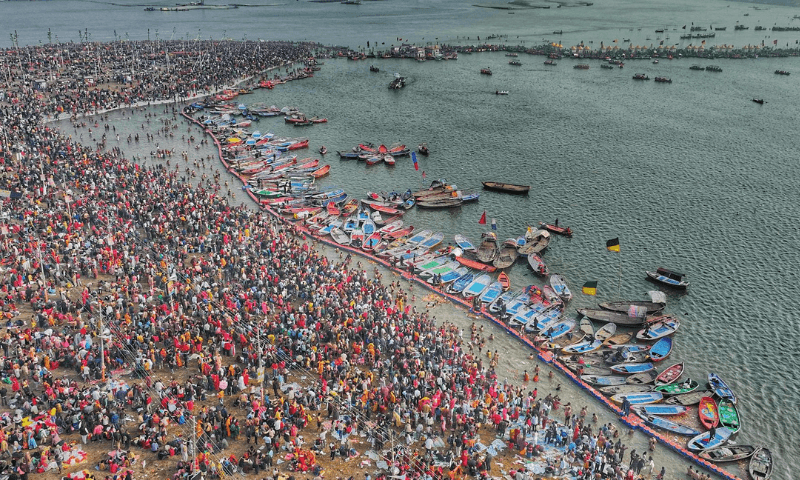
Kumbh Mela is not a spectacle that unfolds on a screen or a chapter you read in a textbook. It is something you feel, from the vibrations of morning chants on the riverbank to the collective energy of millions of people drawn together by a shared purpose. Recognised by UNESCO as an Intangible Cultural Heritage of Humanity, this gathering has shaped the spiritual identity of India for centuries. It takes place in rotation across four sacred cities: Prayagraj, Haridwar, Nashik, and Ujjain, each positioned on the banks of a river believed to hold purifying powers.
But beyond the sheer scale, what truly defines Kumbh Mela is what you carry back from it. The rituals, the encounters, and the quiet moments between the crowd surges. For those planning their first visit or returning for a deeper engagement, this guide covers the spiritual experiences at Kumbh Mela that deserve your full attention and presence.
At the heart of every Kumbh Mela is the act of bathing in the sacred river. At Prayagraj, pilgrims wade into the Triveni Sangam, the confluence of the Ganga, Yamuna, and the mythical Saraswati. In Haridwar, the bathing happens along the Ganga at Har Ki Pauri. In Nashik, devotees gather at the Godavari, and in Ujjain, along the Kshipra.
This is not a casual swim. The Kumbh Mela holy dip is understood by practitioners as a physical act of surrender. Hindu belief holds that the sacred waters during this period are charged with heightened cosmic energy, and immersion washes away accumulated karma, bringing the devotee closer to moksha, or spiritual liberation.
For first-time visitors, the pre-dawn hours offer the most reflective setting. The ghats are quieter, the water is cool, and the experience feels intimate despite the scale of the gathering. Many pilgrims recite mantras or hold small prayer rituals before entering the river, and the collective hum of devotion across the banks is something that stays with you long after.
If there is one event that captures the full grandeur and discipline of the Kumbh Mela pilgrimage, it is the Shahi Snan. The term translates to “royal bath,” and it refers to the ceremonial bathing led by the 13 Akharas, the ancient monastic orders that serve as custodians of India’s spiritual traditions. The Shahi Snan dates are determined by precise astrological alignments of Jupiter, the Sun, and the Moon, and are considered the most auspicious windows for spiritual purification.
The procession itself is a breathtaking spectacle. Each Akhara marches toward the river in a designated sequence, led by Naga Sadhus smeared in sacred ash, carrying tridents and flags. Chanting fills the air, accompanied by traditional drums and conch shells. The Shaiva Akharas enter first, followed by the Vaishnav orders, and finally the Udasi Akharas.
For visitors, the Shahi Snan is best observed from the designated spectator areas along the barricaded route. Arriving well before dawn is essential, as crowds swell rapidly on these dates. Key bathing days typically fall on Makar Sankranti, Mauni Amavasya, and Vasant Panchami, though exact dates vary with each Kumbh cycle.
Few figures at the Kumbh Mela command as much reverence and curiosity as the Naga Sadhus. These ash-covered ascetics have renounced every material possession and dedicated their lives entirely to spiritual practice. Their bodies are smeared in bhasma (sacred ash), symbolising the impermanence of physical existence, and many wear nothing at all as a declaration of total detachment from worldly life.
The Naga Sadhus belong to various Akharas, with Juna Akhara being the largest and most prominent. Their initiation process spans years of rigorous training, fasting, and meditation, culminating in a symbolic death ceremony that marks the complete severance of ties with their former lives. New initiations into the Naga order can only take place during Kumbh Mela, making the gathering a living gateway into one of Hinduism’s oldest ascetic traditions.
Interaction with the Naga Sadhus requires respectful distance. Many are open to brief conversations and blessings, but photography should always be approached with sensitivity and permission. Early mornings, before the main bathing processions begin, are often the best time to observe their rituals and meditation practices at their Akhara camps.
Beyond the Naga order, Kumbh Mela brings together several other types of ascetics. Kalpvasis are devotees who camp on the riverbank for the entire duration of the Mela, practising daily meditation, fasting, and prayer. Parivajakas are saints who observe a vow of silence. Shirshasinis are sadhus who never sit down, sleeping while standing with the support of a vertical pole. Each order carries its own tradition and offers a window into a different dimension of Hindu spiritual life.
Kalpavas is one of the most immersive and lesser-known spiritual experiences at Kumbh Mela. The term refers to the practice of staying on the banks of the sacred river for the entire duration of the festival, typically one month, and observing strict spiritual discipline throughout.
Kalpvasis wake before dawn, bathe in the holy river, and spend the rest of their day in prayer, meditation, fasting, and attending religious discourses. Many eat only one simple meal a day, and all food at the Mela site is strictly vegetarian. The practice is rooted in the belief that sustained discipline during this cosmically charged period accelerates spiritual growth and karmic purification in a way that daily practice at home cannot match.
For travellers who may not commit to a full Kalpavas, spending even two or three days adopting this rhythm offers a taste of what the practice involves. Several ashrams and organised camps at the Mela provide structured Kalpavas programmes that include guided meditation sessions, yoga, and access to spiritual discourses.
One of the richest but most overlooked aspects of the Kumbh Mela is its role as a massive open-air university of spiritual thought. Across the Mela grounds, hundreds of saints, scholars, and gurus deliver pravachans (religious discourses) on subjects ranging from Vedantic philosophy and the Bhagavad Gita to practical ethics and meditation techniques.
Some of these sessions are delivered by the Shankaracharyas, the heads of the four cardinal mathas established by Adi Shankaracharya. Others are conducted by renowned spiritual teachers from specific Akharas and sampradayas. The format varies. Some sessions are formal lectures with seating arrangements, while others are informal satsangs (spiritual gatherings) held under tents or open skies.
The beauty of the pravachan culture at Kumbh is its accessibility. There is no entry fee, no registration. You simply walk in, sit down, and absorb. For those who do not speak Hindi or Sanskrit, some ashrams and international spiritual groups offer sessions in English. These discourses are also where Shastrartha takes place, which is the traditional practice of philosophical debate between scholars of different schools of thought. Witnessing one of these exchanges is a masterclass in how India’s spiritual traditions have evolved through rigorous intellectual dialogue.
If the mornings at Kumbh Mela belong to the sacred dip, the evenings belong to the Ganga Aarti. As dusk settles over the river, priests line the ghats holding multi-tiered oil lamps, and the ceremony begins with synchronised chanting, ringing bells, and the rhythmic sound of conch shells. The flames are offered to the river as a gesture of gratitude and devotion, and thousands of small clay diyas set afloat by pilgrims create a carpet of flickering light on the water.
At Prayagraj, the evening aarti at the Sangam is especially moving because of the sheer number of people who gather. At Haridwar, the ceremony at Har Ki Pauri is one of India’s most photographed spiritual moments. The experience of standing on a crowded ghat, surrounded by the scent of incense and marigolds, watching a river of light stretch toward the horizon, is difficult to replicate anywhere else on earth.
Arriving at least an hour early to secure a position near the front is advisable, as the ghats fill up quickly. For those who prefer a calmer vantage point, watching the aarti from a boat on the river is an option at several Kumbh locations.
Beyond the rituals and discourses, Kumbh Mela is one of the most generous demonstrations of community feeding in the world. The tradition of Anna Dana, or the charitable donation of food, is woven into the fabric of the gathering. Families, trusts, and organisations sponsor massive communal meals where thousands of pilgrims sit in long rows and share a simple vegetarian meal, known as mahaprasada.
These feasts are not reserved for the poor or the saints alone. Everyone is welcome, regardless of caste, class, or background. The act of eating together is itself considered a spiritual practice, one that dissolves social hierarchies and reinforces the idea that sustenance is a shared blessing.
For travellers, joining one of these community meals is a deeply humbling experience. The food is simple, often consisting of dal, rice, roti, and seasonal vegetables, but the scale of organisation and the warmth of the volunteers who serve it make it one of the most moving experiences at the Mela.
The Kumbh Mela grounds are host to a wide variety of yoga and meditation sessions, conducted by practitioners from across India. These range from traditional Hatha Yoga and Pranayama workshops to more advanced Kriya Yoga sessions led by ashram-based gurus.
Several ashrams set up large meditation tents at the Mela, offering free sessions to pilgrims and visitors at multiple times throughout the day. The combination of practising yoga or sitting in meditation just a few steps from a sacred river, surrounded by the ambient hum of devotion, adds a layer of depth that a studio class simply cannot offer.
For international visitors or first-timers, many camps cater specifically to those new to these practices. It is a good idea to check with the camp organisers about session timings and language options before attending.
Getting the most out of your Kumbh Mela visit requires a few practical considerations.
Plan your visit around the Shahi Snan dates if witnessing the royal bath is a priority, but be aware that these are also the most crowded days. Arriving a day or two before a major bathing date gives you time to settle in and explore the Mela grounds at a gentler pace.
Accommodation ranges from basic dharamshala stays and tent cities to more comfortable hotel options in the host city. Booking well in advance is essential, as availability runs out quickly. Many spiritual ashrams offer simple lodging and meals as part of a Kalpavas package.
Dress modestly, especially near the bathing ghats and Akhara camps. Comfortable, loose-fitting clothing that dries quickly is ideal. Carry a reusable water bottle and stay hydrated, particularly during the warmer months.
Keep your belongings minimal. The Mela grounds are vast, and you will be walking long distances. A small daypack with essentials is far more practical than heavy luggage.
Respect the spiritual environment. Avoid photographing rituals, sadhus, or devotees without permission. Maintain silence or speak softly during discourses and aarti ceremonies.
The Kumbh Mela is not a holiday destination. It is a convergence point, a place where centuries of faith, philosophy, and human endurance come together on the same stretch of riverbank. What makes it unforgettable is not any single ritual, but the cumulative impact of being present in a space that is entirely oriented toward something beyond the material.
For the spiritually curious, Kumbh Mela offers a living curriculum that no book or documentary can replicate. For the devoted, it is a rare window of cosmic alignment believed to amplify the effects of prayer and practice. And for anyone willing to slow down and be present, it is one of those rare journeys that genuinely changes how you see the world.
If you are considering attending a Kumbh Mela and want a well-organised, respectful, and comfortable travel experience, the team at Memorable India can help you plan a pilgrimage itinerary tailored to your interests, pace, and spiritual goals. With guided support and local expertise, you can focus entirely on the experience itself, while the logistics are handled for you.
Bathing during Kumbh Mela is believed to purify the soul and wash away accumulated sins. Hindu tradition holds that the sacred rivers are infused with heightened cosmic energy during the Kumbh period, and a dip at this time can aid the devotee’s journey toward moksha, or spiritual liberation.
Shahi Snan, or the royal bath, is the most auspicious bathing ceremony at Kumbh Mela. It is led by the 13 Akharas in a designated order, with Naga Sadhus entering the river first. The dates are determined by planetary alignments and are considered the most spiritually powerful moments of the entire gathering.
Yes. Kumbh Mela is open to everyone, regardless of nationality, faith, or background. There is no entry fee or registration required. International visitors are welcome to observe rituals, attend discourses, and participate in the sacred bathing. Organised tour packages can help with logistics and cultural guidance.
Kalpavas is the practice of staying on the riverbank for the entire duration of the Mela, following a strict spiritual routine of daily bathing, meditation, fasting, and attending discourses. Anyone can undertake Kalpavas, and several ashrams offer structured programmes for newcomers.
Kumbh Mela brings together several ascetic orders, including Naga Sadhus who renounce all material possessions, Kalpvasis who observe sustained spiritual discipline, Parivajakas who observe silence, and Shirshasinis who never sit down. The 13 Akharas represent different schools of Hindu philosophy and practice.
Kumbh Mela is one of the largest peaceful gatherings in the world, with extensive government infrastructure for safety, sanitation, and medical assistance. Families and seniors are advised to plan visits around non-peak bathing days, book accommodation in advance, and consider guided pilgrimage tours for a more comfortable experience
15 Amazing Temple Fairs in India: A Traveller’s Guide to Faith, Colour and Living Tradition
30 Sep 2026
13 Best Places to Explore in the Youngest State of Telangana
29 Sep 2026
12 Less Explored Destinations in Maharashtra Worth Adding to Your Travel List
28 Sep 2026
11 Must-Visit Museums in India for Wildlife Lovers
27 Sep 2026
11 Best Places in India to Celebrate Christmas
26 Sep 2026


