 +919871148514
 info@memorableindia.com
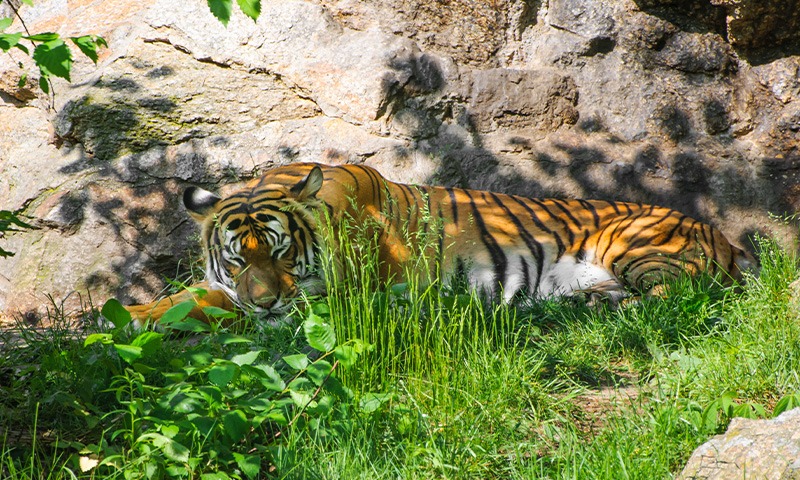
India shelters roughly three out of every four wild tigers on the planet, a fact that shapes how the country designs its forests, its safari calendars, and even its conservation politics. For a traveller, this concentration translates into something very practical. The odds of watching a wild tiger walk across a fire line, drink at a jungle waterhole, or scent-mark a sal tree are higher here than almost anywhere else on earth. The trouble is choosing where to go. India has 58 notified tiger reserves as of March 2025, spread across 18 states, and no two of them deliver the same experience.
This guide narrows the map to six reserves that consistently reward the effort. These are parks with stable tiger densities, well-run safari systems, and enough character in their landscapes to make the drive between sightings worthwhile. For a first safari or a longer wildlife itinerary, these are the best tiger reserves in India to anchor your trip around.
Before the destinations, a little context helps set expectations. Project Tiger, launched by the Government of India in April 1973 with nine reserves, is now the umbrella under which the National Tiger Conservation Authority manages tiger habitat across the country. The most recent All India Tiger Estimation put the national tiger count at 3,682 in 2022, with Madhya Pradesh alone accounting for 785 big cats. That number is why India’s safari infrastructure keeps expanding, and why several of the tiger safari destinations India travellers explore today were quiet forests a decade ago.
Most tiger reserves in India operate on a strict permit system managed by state forest departments. Safaris run in fixed morning and afternoon slots, with a limited number of vehicles allowed inside each zone per drive. This is worth knowing upfront because it explains why planning ahead matters so much, and why weekend or holiday windows tend to fill first.
Named after the hunter turned conservationist Jim Corbett, this Himalayan foothills reserve was the first area brought under Project Tiger in 1973 and is still the country’s most tiger-rich single reserve, with about 260 big cats recorded in the last census. The Ramganga River cuts through the park, and the mix of sal forest, elephant grass grassland, and riverine habitat gives Corbett a scale and drama that few reserves can match.
Corbett suits travellers who want a full jungle immersion rather than a quick safari stop. The night stay inside the Dhikala Forest Rest House is worth the advance booking effort, and it is one of the few places in India where you can wake up inside a core tiger habitat. The park also has a strong wild elephant population, which adds an entirely different dimension to a drive.
Ranthambore is the reserve that made the Indian tiger photogenic. Its tigers move through open dhok scrub, past a tenth-century hill fort, along lakes lined with sambar and marsh crocodiles. That combination of ruins and wildlife produces the frames that dominate wildlife magazines, and it is also why Ranthambore books out earliest during peak season.
Because Ranthambore sits within easy driving distance of the Golden Triangle circuit, it is the natural add-on for first-time visitors to India. Our curated Ranthambore tour packages balance safari time with the fort’s history, a village walk or two, and an optional night in Jaipur on the way in or out. The 10th-century Ranthambore Fort inside the park is a UNESCO listed Hill Fort of Rajasthan and worth a half-day visit in its own right.
Bandhavgarh has, for years, been the reserve most often named when travellers ask which park offers the highest chance of a tiger sighting. It holds about 135 tigers within a relatively compact core, which translates to a genuinely high density. The landscape, a sweep of sal forest broken by cliffs and the ruins of a two thousand year old fort, feels quieter and more intimate than Corbett or Ranthambore.
Bandhavgarh pairs beautifully with Kanha and Pench in a central India loop. Photographers and repeat safari-goers tend to gravitate here for the density, but the historic fort on the hill above the park adds a cultural layer most reserves lack. The Bandhavgarh Fort is officially closed to visitors, but its silhouette dominates almost every game drive.
Kanha’s sal and bamboo forests are the landscapes Rudyard Kipling reworked into The Jungle Book, and the park still feels distinctly literary. Beyond tigers (around 105 at last count), Kanha is the only home of the hard-ground barasingha, a swamp deer species that was pulled back from near extinction here through decades of focused conservation work. The park is large, well managed, and rarely feels crowded even at peak season.
Because of its size, Kanha suits travellers who want two or three days on the ground rather than a single hurried visit. The mixed forest also makes it excellent for bird watching alongside big cats, with species like the racket-tailed drongo, Indian pitta, and Malabar pied hornbill regularly seen. Kanha has also won multiple national conservation awards and is one of the best managed reserves in the country.
Tadoba has quietly become one of the most talked-about tiger safari destinations India has to offer. Maharashtra’s oldest and largest national park sits in the Chandrapur district and covers a mix of dry deciduous forest, teak, bamboo, and open lakes. The reserve holds around 97 tigers across core and buffer zones, and summer sightings around Tadoba Lake are among the most dramatic in the country.
Tadoba stays open in the shoulder months when many other parks are closed, and its buffer zones offer year-round safari access. It suits travellers looking for a slightly less commercial safari experience than Ranthambore, with equally strong sighting probabilities. Tadoba has also earned recognition from the NTCA for its management standards and community-led conservation model.
The Sundarbans is unlike any other tiger reserve in the world. The park protects the world’s largest mangrove forest, straddling the Ganges Brahmaputra delta and shared with Bangladesh. Its tigers, thought to number around 100 on the Indian side, are famously strong swimmers, moving between islands and hunting in a landscape of tidal creeks and salt-tolerant forest. A UNESCO World Heritage Site since 1987, Sundarbans is a boat safari destination rather than a jeep one.
Tiger sightings here are notably harder than in central India, but the experience of drifting past mangrove roots while looking for pugmarks on the mud banks is a wildlife memory of its own kind. Serious tiger travellers often pair Sundarbans with a central India reserve for contrast, then spend a night or two in Kolkata on either side to enjoy Bengali food and colonial architecture.
With six strong options on the table, the practical question is which one to pick. A few quick decision cues:
Anyone planning a longer visit can build a central India wildlife tour covering Bandhavgarh, Kanha, and Pench in seven to nine days out of Jabalpur or Nagpur.
A few points are worth building into your itinerary regardless of which reserve you pick.
Travellers with more time can combine two reserves in a single trip. Corbett with Ranthambore works well for a Delhi-centred loop. Bandhavgarh with Kanha or Pench slots naturally into a central India wildlife tour out of Jabalpur or Nagpur. Tadoba fits into a longer Maharashtra circuit that can also include Ajanta and Ellora on the return leg.
Every safari you take contributes to the economics of tiger conservation. Park entry fees, permit charges, and lodging revenue fund forest department salaries, anti-poaching patrols, and village welfare programmes that reduce human-wildlife conflict. That said, the way you travel matters as much as the fact that you do. Stick to authorised safari operators, resist the pressure to demand a sighting from your guide, and keep vehicle numbers per zone within official limits by booking through licensed permit holders. Community-run homestays and buffer zone lodges channel tourism income directly into local hands, which is what keeps forest villages invested in tiger survival.
The right tiger reserve depends on how much time you have, where you fly into, and how much certainty you want around sightings. For a first Indian safari, Ranthambore or Bandhavgarh will most likely deliver the tiger you came for. If you have been on a jungle drive before, Kanha and Tadoba reward slower travel, and Sundarbans offers something no other reserve can. For a broader itinerary that combines wildlife with heritage, our tailor-made wildlife tours in India put the logistics together so you can focus on the safari.
Ready to plan? Contact our wildlife team and we will build a route that fits your dates, your budget, and your tiger wish list.
For a first safari, Ranthambore National Park in Rajasthan and Bandhavgarh National Park in Madhya Pradesh are the two most reliable choices. Both have high tiger densities, well-organised safari systems, and easy access from major cities. Ranthambore works well for travellers combining a wildlife stop with the Golden Triangle, while Bandhavgarh is preferred by those flying into central India via Jabalpur.
The core safari season runs from October to June across most reserves. November to February offers cool, comfortable weather and green landscapes but slightly lower tiger visibility. March to May is hotter but has the highest sighting probability, as tigers concentrate around shrinking waterholes. Most parks close during the monsoon (July to September), though a few buffer zones stay open year round.
As of March 2025, India has 58 notified tiger reserves managed by the National Tiger Conservation Authority under Project Tiger. These reserves are spread across 18 states and cover more than 82,000 square kilometres. Madhya Pradesh, often called the Tiger State of India, hosts the largest tiger population in the country.
Jim Corbett National Park in Uttarakhand has the highest tiger count of any single reserve in India, with about 260 tigers recorded in the 2022 census. Bandhavgarh, Kanha, and Kaziranga also feature strongly in the national rankings, each with more than 100 tigers.
Costs vary widely by reserve, zone, vehicle type, and season. A shared jeep safari in most parks starts at a modest per-person rate, while a private full-vehicle booking is considerably more. Premium options like the Dhikala Forest Lodge in Corbett or luxury tented camps around Ranthambore and Bandhavgarh add accommodation costs on top. Booking a curated package through a specialist operator usually works out cheaper than piecing together permits, transfers, and stays independently.
Yes, and many wildlife travellers do exactly that. Popular combinations include Corbett with Ranthambore on a Delhi-based loop, Bandhavgarh with Kanha or Pench for a central India circuit, and Tadoba paired with either a Maharashtra heritage extension or a Kanha add-on. Allow at least two nights per reserve so that you get three to four safari drives at each park.
15 Amazing Temple Fairs in India: A Traveller’s Guide to Faith, Colour and Living Tradition
30 Sep 2026
13 Best Places to Explore in the Youngest State of Telangana
29 Sep 2026
12 Less Explored Destinations in Maharashtra Worth Adding to Your Travel List
28 Sep 2026
11 Must-Visit Museums in India for Wildlife Lovers
27 Sep 2026
11 Best Places in India to Celebrate Christmas
26 Sep 2026


