 +919871148514
 info@memorableindia.com
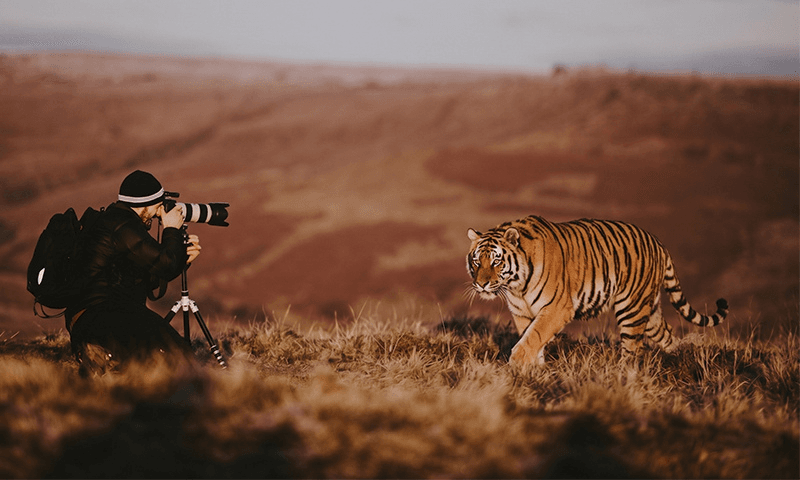
India is home to some of the most photogenic wildlife on the planet, from Bengal tigers padding through dry teak forests to one-horned rhinoceroses wading through Assamese floodplains. For photographers, the country offers a rare combination: accessible national parks, diverse ecosystems, and a conservation framework that keeps animal populations visible and relatively habituated to safari vehicles.
But a successful wildlife photography tour depends more on experiencing wildlife firsthand than on just capturing it with a telephoto lens. The park you choose, the month you visit, and even the time of day you enter the gates can make the difference between a memory card full of award-worthy frames and a frustrating series of blurry bushes. This guide breaks down the best national parks in India for wildlife photography, the ideal seasons for each, and the practical know-how that separates a good safari from a great one.
India supports an extraordinary range of habitats within a relatively compact geography. Himalayan foothills, central Indian deciduous forests, western arid scrublands, northeastern floodplains, and southern tropical canopies all host distinct species and photographic conditions. The country’s Project Tiger initiative and network of protected reserves have led to rising big cat populations, which means sighting probabilities in several parks are genuinely strong.
Equally important for photographers: Indian national parks operate structured safari systems with fixed entry points, designated zones, and trained naturalist guides. This framework channels visitors toward high-probability sighting areas without overwhelming the habitat. Open-top jeeps, the standard vehicle in most parks, offer unobstructed shooting angles that closed vehicles in some African reserves cannot match.
Ranthambore is arguably India’s most celebrated tiger photography destination. The park’s landscape of dry deciduous forest, open grasslands, and ancient ruins creates a dramatic backdrop that few reserves can match. Tigers here are famously relaxed around vehicles, which means photographers often get sustained, close-range encounters rather than fleeting glimpses.
Bandhavgarh National Park, Madhya Pradesh
Bandhavgarh holds one of the highest densities of Bengal tigers among Indian reserves, which translates directly into better odds for photographers. The Tala zone, in particular, is known for consistent tiger activity. The terrain mixes sal forests with open meadows, giving photographers varied compositional opportunities within a single morning drive.
Jim Corbett National Park, Uttarakhand
One of the oldest national parks in India, Jim Corbett National Park sits in the Himalayan foothills along the Ramganga River, offering a lush, riverine landscape that photographs beautifully in all seasons. Corbett is home to a strong tiger population alongside elephants, leopards, and Himalayan species like goral and serow. The Dhikala zone, with its vast grasslands and river views, is considered one of the finest wildlife photography locations in Asia.
Kaziranga is a UNESCO World Heritage Site and the undisputed capital of India, known for its one-horned rhinoceros photography. The park’s tall elephant grass, marshlands, and beels (wetlands) along the Brahmaputra floodplain create a dramatically different visual palette from central Indian parks. Elephant-back safaris here offer elevated perspectives that are unique to this reserve.
Kanha National Park has inspired Rudyard Kipling’s The Jungle Book, and the park’s sweeping meadows and bamboo groves still feel cinematic. It is one of the best-managed tiger reserves in India, and the large open maidan (grassland) areas are ideal for action photography. Kanha is also one of the few places to photograph the endangered hard-ground barasingha (swamp deer).
Gir is the only place on earth where you can capture Asiatic lions in the wild. That alone makes it a bucket-list destination for wildlife photographers. The dry deciduous and thorn forest landscape provides a strong contrast, and lions here are fairly approachable during safaris. The Devalia Safari Park (Interpretation Zone) within Gir offers a more controlled environment where sightings are almost guaranteed.
Tadoba has emerged as one of India’s most exciting tiger photography destinations over the past decade. Lower tourist volumes compared to Ranthambore or Bandhavgarh mean less vehicle congestion at sightings, which translates into calmer animals and better frames. The dry deciduous forest around Tadoba Lake provides stunning waterhole photography opportunities.
This is the most comfortable and productive period for wildlife photography across most Indian parks. Temperatures are moderate, vegetation has thinned after the monsoon, and animals are active throughout the day. Morning light is consistently golden, and clear skies are ideal for reliable shooting conditions. Most parks open their full zone roster during this period.
As summer intensifies, vegetation recedes further, and water sources shrink. Animals become increasingly dependent on remaining waterholes, concentrating them in predictable areas. This is the season that experienced wildlife photographers often prefer for tiger and leopard photography because sighting consistency improves significantly, even though the heat is punishing.
Most national parks in India close during the monsoon for habitat recovery and animal breeding. Kaziranga closes due to Brahmaputra flooding, and central Indian parks shutting gates entirely. However, some parks in South India and the Western Ghats remain accessible. This is an excellent period for rainforest and bird photography in Kerala’s Periyar or Karnataka’s Nagarhole, where the lush green canopy creates moody and atmospheric frames.
Carrying the right gear is only half the equation. How you prepare for and behave during a safari shapes the quality of images you bring home.
Planning a wildlife photography tour requires more forethought than a standard holiday. Safari permits in popular parks like Ranthambore and Bandhavgarh are limited and sell out weeks in advance, particularly for premium zones. Here is a practical planning sequence:
Frequently Asked Questions
What is the best national park in India for tiger photography?
Ranthambore and Bandhavgarh are the top choices. Ranthambore offers dramatic backdrops with its fort and ruins, while Bandhavgarh provides a higher frequency of close encounters due to its dense tiger population in a compact core zone. Tadoba is an excellent alternative for photographers who prefer fewer crowds.
What is the best time of year for wildlife photography in India?
October to March is the most broadly productive season across Indian national parks. For dedicated tiger photography, March to May offers the highest sighting consistency as animals congregate around waterholes. Bird photographers should visit between November and February when migratory species are present.
Do I need special permits for photography in Indian national parks?
Standard safari permits allow personal photography with handheld cameras. No additional photography permit is required for most parks. However, professional filming with video rigs, tripods, or commercial setups requires separate clearance from the park authorities. Drones are strictly prohibited in all national parks.
Which camera lens is best for Indian wildlife safaris?
A 200-500mm or 100-400mm telephoto zoom is the most versatile choice. Fixed focal lengths like a 500mm f/4 deliver superior image quality but limit flexibility in close encounters. Always carry a secondary body with a wide-angle lens for habitat shots and unexpected vehicle-side appearances.
Can beginners join a wildlife photography tour in India?
Absolutely. India’s well-structured safari systems, experienced naturalist guides, and accessible national parks make it one of the best countries for beginner wildlife photographers. Parks like Ranthambore and Kanha offer open terrain and habituated animals, which simplifies the technical demands of getting a good shot.
Is Kaziranga good for photography beyond rhinos?
Kaziranga is excellent for diverse photography. Beyond one-horned rhinoceroses, the park supports wild elephants, water buffalo, a significant tiger population, and one of the richest birdlife concentrations in India. The Brahmaputra floodplain landscape adds a unique visual character to images.
Final Thoughts: Choosing the Right Park and Season
India’s national parks reward photographers who plan with intention. The right combination of destination, timing, and preparation can yield images that stand with the best wildlife photography anywhere in the world. Ranthambore’s tigers posing beside centuries-old ruins, Kaziranga’s rhinos wading through dawn mist, Gir’s lions resting under teak canopies: these are frames that demand both skill and strategy.
If you are serious about building a wildlife photography portfolio centred on Indian species, consider working with a specialist tour operator who understands park dynamics, permit systems, and seasonal rhythms. The difference between a generic safari and a photography-focused itinerary is often the difference between a decent holiday and a transformative creative experience.
15 Amazing Temple Fairs in India: A Traveller’s Guide to Faith, Colour and Living Tradition
30 Sep 2026
13 Best Places to Explore in the Youngest State of Telangana
29 Sep 2026
12 Less Explored Destinations in Maharashtra Worth Adding to Your Travel List
28 Sep 2026
11 Must-Visit Museums in India for Wildlife Lovers
27 Sep 2026
11 Best Places in India to Celebrate Christmas
26 Sep 2026


