Kerala Pilgrimage Tour Packages | Temple Tours, Guruvayur, Sabarimala & Divya Desams

Kerala Pilgrimage Tour- Explore the Best with Memorable India

Memorable India has been organising temple-focused travel across Kerala for years and builds their itineraries based on more than just surface level sight seeing, to fulfill the actual devotional intent.

Our pilgrimage packages are organized according to one principle: the temple determines the planning, not the type of hotel or the highway convenience. That means building your day around windows of early morning darshan, keeping in mind festival calendars of crowds, before even confirming transport, and finding accommodation based on how close one is to the shrine rather than the closest city centre.

Our team is conversant about the protocols followed in Kerala’s major temples, such as dress codes, entry restrictions, prasadam timings, photography rules, and seasonal access conditions, etc., and we brief every traveller about the same before departure. We work with local associates in Thiruvananthapuram, Thrissur, Pathanamthitta, and Alappuzha who have knowledge of the ground conditions in each of the shrines.

Our 7 Days Kerala Temple Tour forms the backbone of the tour with a visit to the most important shrines of the state from Guruvayur to Attukal. For Divya Desam circuits, Sabarimala-focused travel or customised multi-district routes are developed from scratch based on your requirements.

about-kerala

Discover Kerala Holiday Packages by Cities

Featured Kerala Holiday Packages

Best Time To Visit Kerala

November to February -Pilgrimage Season

The main period of Mandala Pooja of Sabarimala (November - December) and Makaravilakku (mid-January) falls here. The weather throughout the state is cooler and drier, which makes it a lot more comfortable to make a trip between the several temple districts. Advance booking for accommodation near Pampa and Guruvayur is a must during this period.

April to May - Festival Season

Thrissur Pooram is one of the most striking temple festivals in India that takes place during this window. Pilgrims like Vadakkumnathan in their circuit should time their trip during Pooram for the complete context. Crowds are large; transport and accommodation have to be planned at least 8 weeks in advance.

June to September - Monsoon Window

Crowd levels at major shrines come down considerably during this time of year, often making darshan more personal and less physically demanding. Practical choice for the older pilgrims or those with limited mobility. Some forest routes are not open; Sabarimala trekking trails are closed during this period.
Things To Do In Kerala

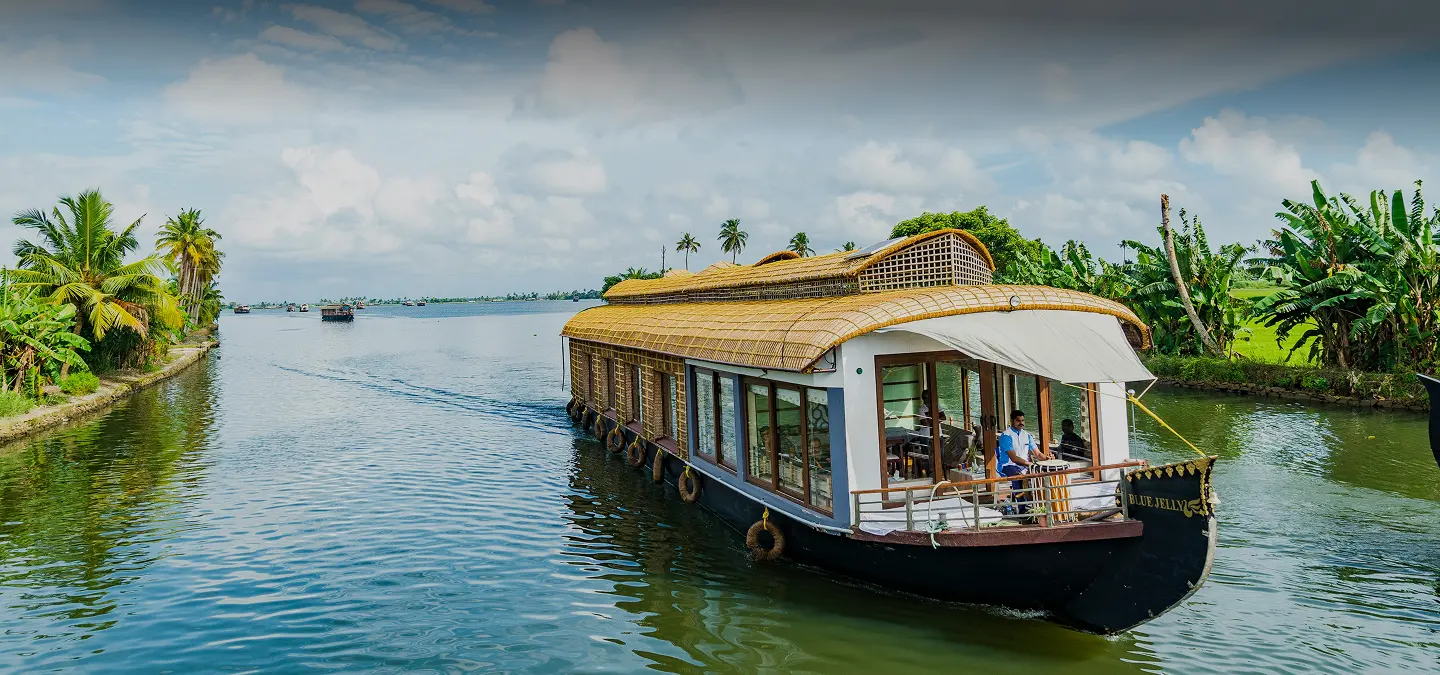
house-boat-cruise
Seek Darshan at Guruvayurappan Temple

Attend the early morning darshan at one of the most revered Krishna temples in India. The Punnathur Kotta elephant sanctuary, with the largest congregation of temple elephants in the world, is adjacent to the complex.

ayurvedic-wellness
Complete the Pancha Pandava Temple Circuit

Visit all five temples, such as Thrichitat, Thiruppuliyoor, Thiruvaranmula, Thiruvanvandoor and Thrikkodithanam, said to have been consecrated by the five Pandavas. Completing all five on the same day has a special spiritual merit for Vaishnava devotees.

trekin-wayanad
Witness the Thrissur Pooram Festival

Attend the annual birds and elephants procession in the Vadakkumnathan Temple in Thrissur, one of the most visually and acoustically spectacular religious gatherings in India. Timing your visit to coincide with Pooram gives you a depth of culture which is unavailable at any other time.
munnar-tea-garden
Undertake the Sabarimala Pilgrimage

Perform the ritual Irumudi Kettu preparation and cross the Pampa River then ascend to the Sannidhanam through the Pathinettam Padi. The 41-day Mandala Kaalam austerity period should be undertaken prior to undertaking the climb.

snake-boat-race
Attend Attukal Pongala in Thiruvananthapuram

Take part in or witness the Attukal Pongala festival, a Guinness World Record-holding gathering of women performing the rice pudding ritual in unison in the city streets around Attukal Bhagavathy Temple.

sreePadmanabhaswamy-temple
Receive Prasadam at Ambalapuzha Sree Krishna Temple

The Palpayasam offered at Ambalapuzha is one of the most famous temple prasadams in Kerala, with a mathematical tale attached to it about a chess game. Receiving it during a visit to a temple carries importance beyond the backwater setting.
traditional-sadya-kerala
Explore the Malainadu Divya Desam Circuit

Take in all the 13 Vaishnavite temples across the Malainadu circuit in Kerala, a circuit that traces the contours of the sacred geography much extolled by the Alvar saints in the Naalayira Divya Prabandham. A dedicated circuit of 7 to 10 days is recommended.

Confused? Need help!

Speak to Our Kerala Tour Experts

Request a Call

Planning Your Kerala Pilgrimage Memorable India

Beginning your Kerala pilgrimage tour enquiry with Memorable India is easy and well-organised. You can contact us by using the website contact form or speak with a travel consultant directly to discuss your requirements. Once we get to know your group size, travel dates, preferred temples and your budget range, we prepare a detailed Kerala pilgrimage tour package centred around your devotional priorities.

Our Kerala temple tour package itineraries cover some important shrines, Guruvayur, Sree Padmanabhaswamy Temple, and Attukal Bhagavathy Temple. We also organise specialised Guruvayur packages, Kerala divya desam tour packages on the Malainadu temples, and Sabarimala packages. Each Kerala Hindu pilgrimage tour is planned in such a way that there is a smooth journey from one district to another, realistic darshan timings, and time for rituals without unnecessary rush.

All programmes come with private transportation, well-located accommodation and scheduled visit schedules to the temples, along with tips on dress codes, customs, and seasonal considerations that impact pilgrimage tourism in Kerala, free time for you to focus on the spiritual motivation of your journey.
kerala-private-tours

Frequently Asked Questions

It is advisable to book at least 4 to 6 weeks in advance for a regular pilgrimage circuit, especially if travelling between October and March. During peak seasons like Thrissur Pooram or Sabarimala Mandala period, ideally, the bookings need to be done 8 to 10 weeks before the travel. Early planning helps in securing good accommodation near temples and easy darshan timings.

Yes, but the itinerary has to be considered at a realistic pace. Many temple premises include the requirement of walking and standing in queues with barefoot condition. Planning early morning darshan, time for rest in between temples, and not a long distance of travel in one day are some of the measures taken in order to make it more comfortable for senior pilgrims. Opting for accommodation near the temple is also a way to reduce physical stress.

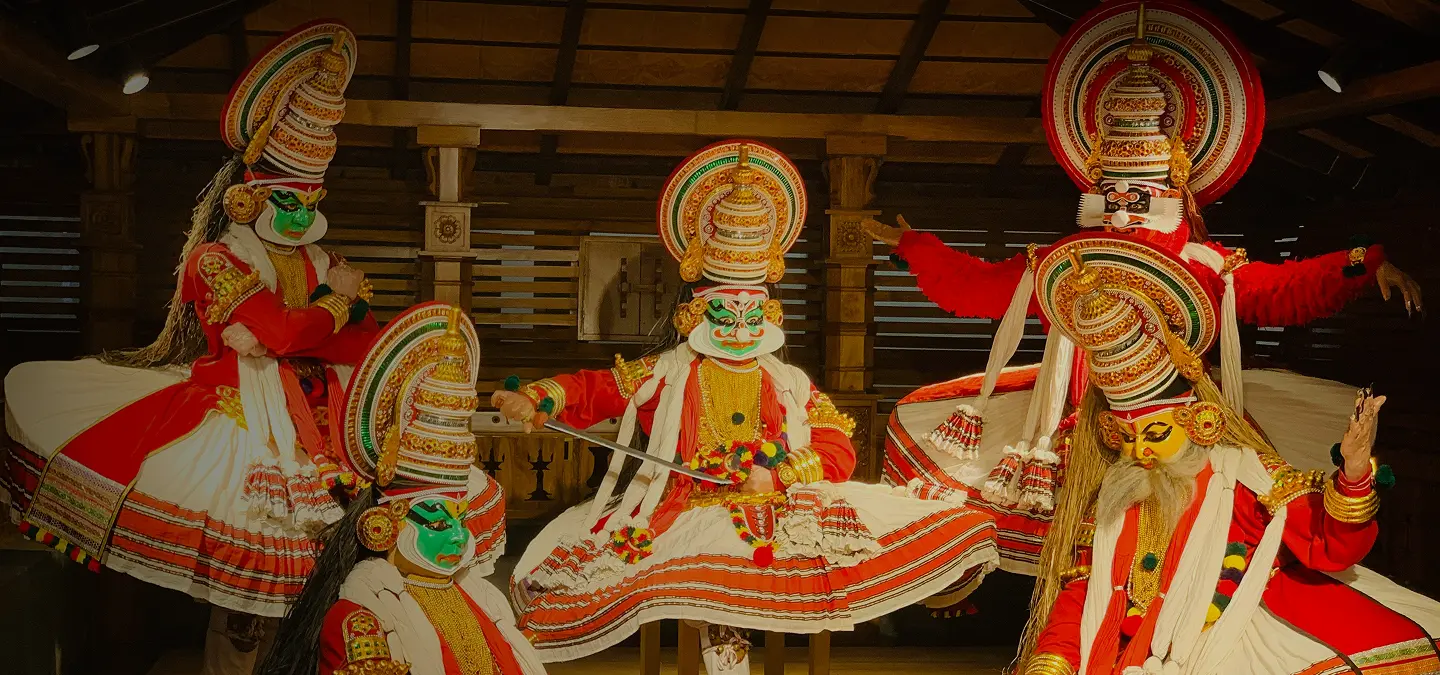
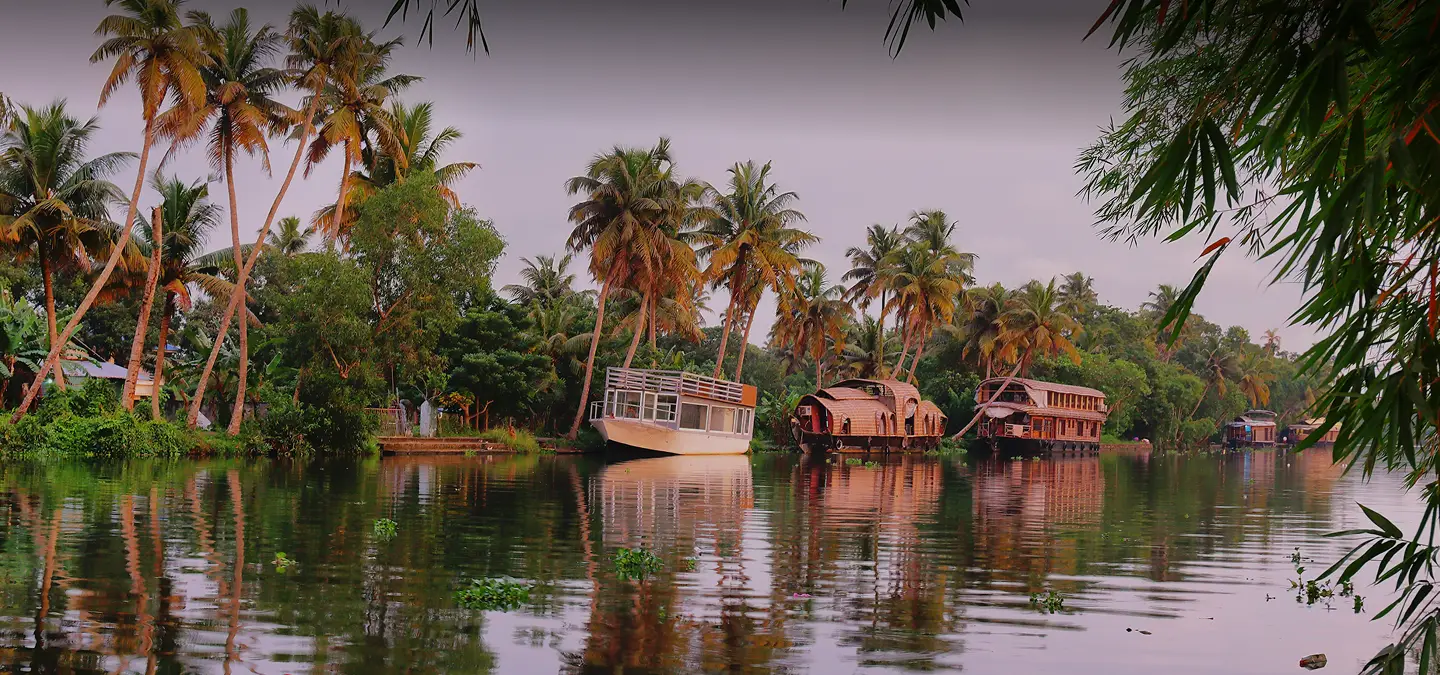
Yes. While a temple-focused pilgrimage itinerary is all about visiting the temples and the timings to perform darshan, many travellers prefer to add in short cultural forays like a Kathakali show or a backwater stay, Alleppey or traditional heritage sites of Kerala. The important thing is to make sure there is a balance, not to rush, or compromise devotional commitments.

Dress code is followed in almost all the major temples in Kerala. Men are expected to wear a dhoti or similar traditional lower garments; jeans, shorts, and trousers are not acceptable. Women have to wear a sari, salwar kameez, or something of the sort. At some temples, the dress code is extended beyond the inside of the compound as well as the inner sanctum. We provide a dress guide which is temple-specific to all clients before departure, as well as advice on where to buy/rent appropriate clothing if necessary.

A Kerala temple tour is generally the term used for a curated sightseeing tour that not only comprises major temples but also other cultural and natural sights as well. A Kerala pilgrimage tour, by contrast, is all about devotional travel; the schedule, accommodation, daily rhythm, and route are all geared towards the pilgrimage and not for general sightseeing. At Memorable India, both types of tours are available, which can be combined or kept separate as per what the group is looking for.

Online darshan booking is not compulsory at all Kerala temples, but a few of the major temples may have booking for special darshan or pooja services through their official portals, especially during the peak seasons and festivals. For regular darshan, the general queue system is normally available to the pilgrims. It is advisable to check the official website of the particular temple or find out in advance just to avoid delays or confusion at the time of arrival.

The Irumudi Kettu is a two-compartment cloth package filled with ritual offerings that each devotee has to carry on his or her head throughout the Sabarimala climb. Carrying it is not an option; only pilgrims carrying the Irumudi are allowed to climb the Pathinettam Padi, the 18 holy steps to the shrine. It is constructed during the preparatory period with the guidance of a Guruswami.

There is no religiously preordained order to follow in completing the Malainadu Divya Desam circuit. Most pilgrims and tour operators follow the sequence of the temples according to the geographical proximity, as the total travel time is the least time in the district. We design our Divya Desam itineraries keeping in mind your starting point, speed of travel, and which festivals or auspicious dates are aligned with your dates.

Sabarimala has compulsory virtual queue booking from the official online portal, on most of the visiting days, in the pilgrimage season. Some of the major temples provide optional online booking for special darshan or special poojas during peak seasons. For regular darshan at temples such as Guruvayur or Padmanabhaswamy, the usual queue system is followed without any mandatory prior registration, but it is highly recommended to arrive early.

Yes. Several pilgrims add a Kerala circuit to major Vaishnavite or Shaivite temples in Tamil Nadu, Rameswaram, Madurai Meenakshi Amman, Srirangam, and Kanyakumari, among the most commonly added to the circuit. We create combined South India pilgrimage itineraries connecting Kerala and Tamil Nadu temples in one trip, which are designed to keep travel fatigue to a minimum and cover the full devotional pilgrimage route that you are planning.

For the Mandala and Makaravilakku seasons, the two main periods of pilgrimage, it is advisable to make at least 8 to 10 weeks of prior planning. Accommodation near Pampa is sold out quickly, availability of transportation near the base camp is limited as the season opens up, and virtual queue slots for the high demand dates are allocated on first come basis. Early planning goes a long way towards the quality of the overall experience.

Temples in Kerala have dress codes at the entrance gate, and not at the sanctum. A pilgrim arriving with inappropriate attire will be requested to make some changes before entering. Most of the major temple towns have shops adjacent to the entrance selling basic traditional clothing. We advise all travellers on the specific dress requirements of each temple before departure, to avoid this entire situation.

Most of the Kerala temples are open for families to travel with children. The Guruvayur temple visit, for example, is commonly undertaken as a family pilgrimage for newborn blessing ceremonies as well as for the thread ceremonies. Sabarimala, by the religious tradition, is undertaken by male devotees, who observe the Mandala Kaalam. The suitability of particular temples for children depends on the nature of the visit, the age of the child, and the particular rituals planned.

Neeranjanam is a special ritual at Guruvayur that is performed during the evening deeparadhana ceremony, and the deity is offered lighted lamps in an elaborate ceremony. It is one of the most important visually and spiritually important rituals in the temple calendar. Arrangements for certain poojas and rituals in Guruvayur are made through Guruvayur Devaswom booking system. We help clients start the necessary bookings before travelling.

Yes. The Attukal Bhagavathy Temple in Thiruvananthapuram is especially significant to women, in the most visible form of the famous Pongala festival, recognised by the Guinness World Records as the greatest gathering of women for a religious ritual in the world. Chottanikkara Bhagavathy Temple is also much visited by women to seek the healing energy of the Goddess. Both temples are open to all visitors, night and day, year-round.

Our group pilgrimage pricing is based on the size and length of the trip and the specific requirements of the group. Larger groups enjoy economies of scale in transport and accommodation costs, and we incorporate these into the cost of the package. We do not take a standard percentage discount across the board as group packages are priced differently depending on the particular itinerary, time of year, and accommodation tier chosen. Contact us for a group-specific quote.

Yes. Kerala's temple towns have an established culture of vegetarian cookery, and most accommodations around big shrines have vegetarian meal options. During the Sabarimala pilgrimage time and in the Divya Desam circuit, vegetarian food are the standard meal and not the exception. We check meal arrangements for all our pilgrimage groups as part of the booking process.

The Mandala Kaalam is a 41-day penance period that Sabarimala pilgrims have to undertake before going on the pilgrimage. It means a strict vegetarian diet, abstinence from alcohol, celibacy, and a strict daily regimen of prayer and physical hygiene. Observing the Mandala Kaalam is not an option; it is a defining requirement of the Sabarimala pilgrimage. Pilgrims wear a tulsi or rudraksha mala during this entire period as a visible mark of their vow.

We take care of all practical logistics of the Sabarimala journey, including Pampa-based accommodation, transport to and from base camp, guidance on rituals to be observed for preparation, and coordination with local associates. The climbing itself, from Pampa to the Sannidhanam, has to be done on one's own by every pilgrim, as an integral religious observance. We do not manage the trek, but we ensure everything around it is organised so that the pilgrimage goes on without disruption to its operation.

The 13 Malainadu Divya Desams are scattered in several districts such as Pathanamthitta, Alappuzha, Ernakulam, Malappuram, and Thiruvananthapuram. This geographic spread means a dedicated circuit needs to be carefully planned in order to avoid excessive backtracking and long distances to be traveled during the day. We design our Divya Desam tours in such a way that we follow the temples in a logical geographical sequence, with reasonable travel times between temples and rest in between.