+919871148514
 info@memorableindia.com
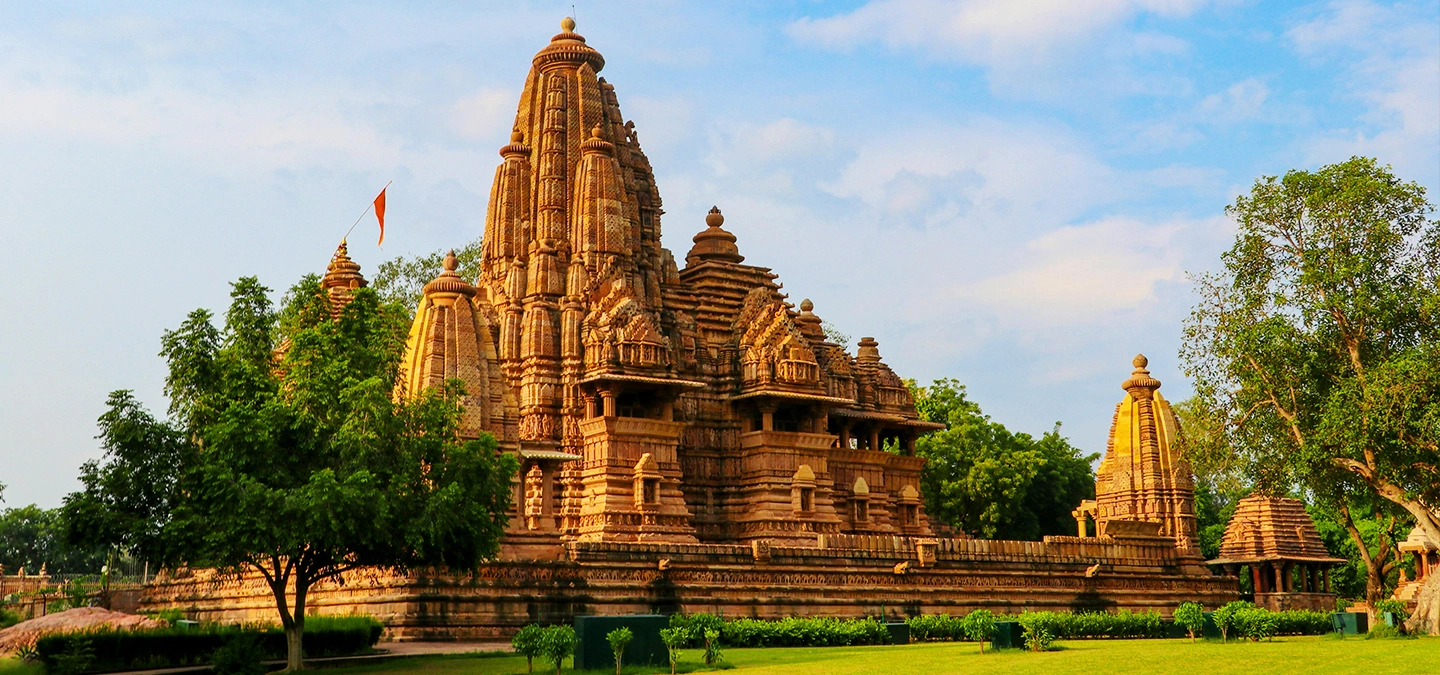
Khajuraho is located in a quiet location in the Chhatarpur district of Madhya Pradesh, about 175 km from Jhansi and 620 km southeast of Delhi. On paper, it is a small town. But in reality, it contains one of the most complex and widely misinterpreted collections of medieval temple architecture in the world.
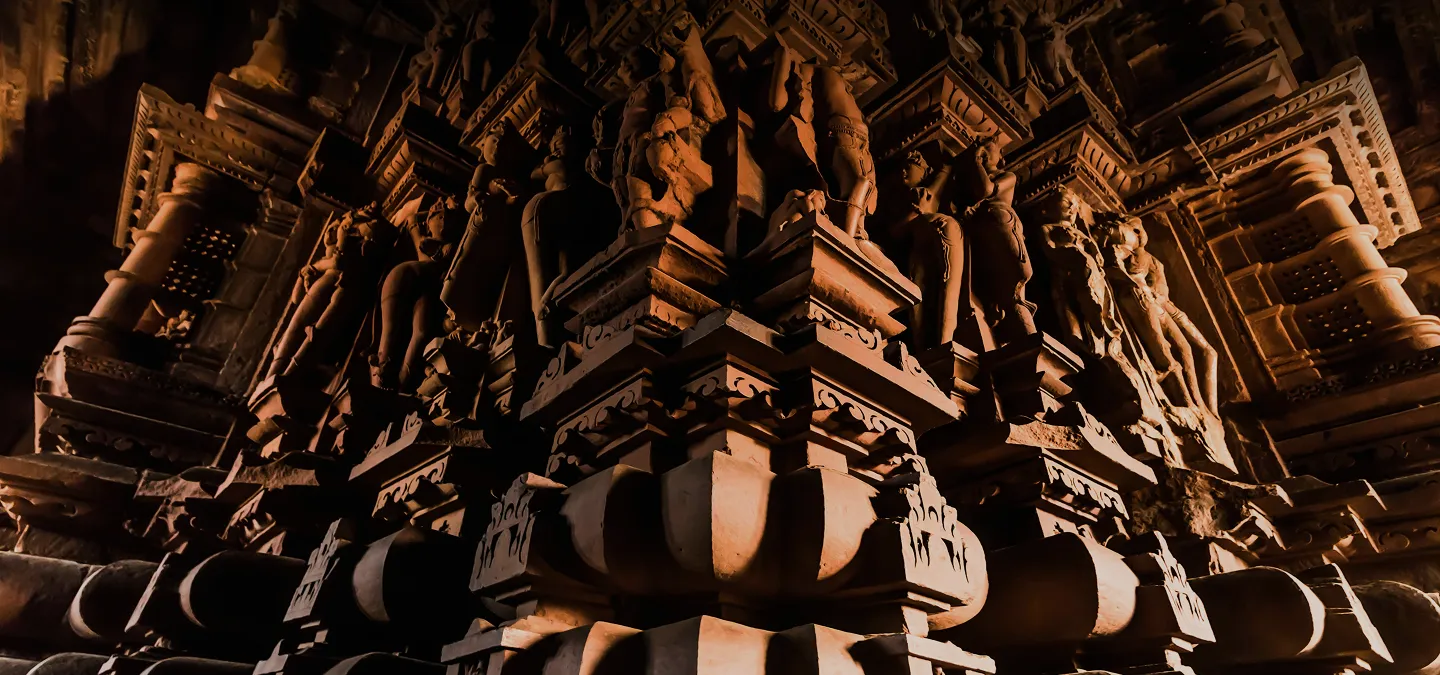
Most of the visitors come with a set assumption that Khajuraho is all about the sensual carvings. That assumption is not incorrect, but it is incomplete. The sculptures that attract the attention of the world cover about 10 percent of the entire surface area of the temple. The remaining 90 per cent is a much richer story with celestial dancers, mythological stories, warriors, hunting scenes, day-to-day village life in medieval India, and an almost mathematical precision in sandstone craftsmanship that was built across a century.
The rulers of the Chandela dynasty, who commissioned the construction of these temples from 950 CE to 1050 CE, were expressing a complete philosophical outlook, one in which there was an ideal coherence between the sacred and the sensuous, and not any contradiction between them.
A Khajuraho tour is suitable for many types of tourists. Architectural scholars come for the Nagara-style construction. Photographers come for golden hour light on warm sandstone. Families come to experience living history. And those who plan ahead find that Khajuraho pairs quite naturally with Orchha, Panna, and Gwalior for a rewarding Madhya Pradesh heritage circuit.
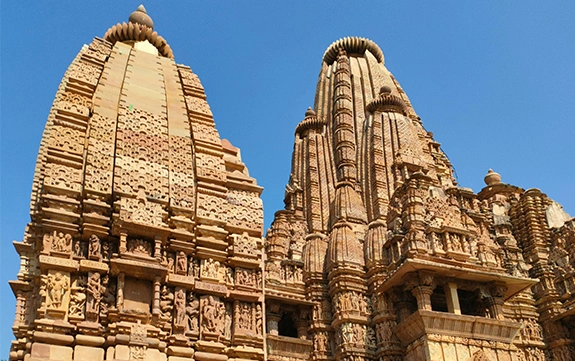
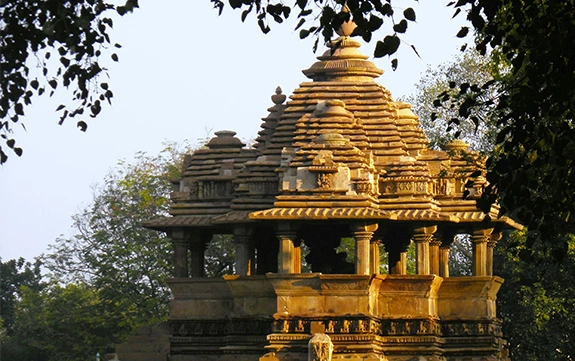
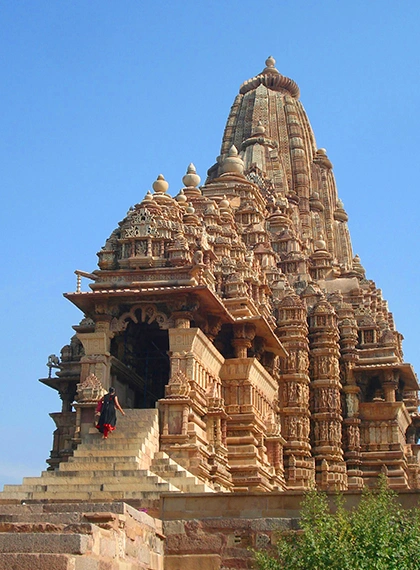
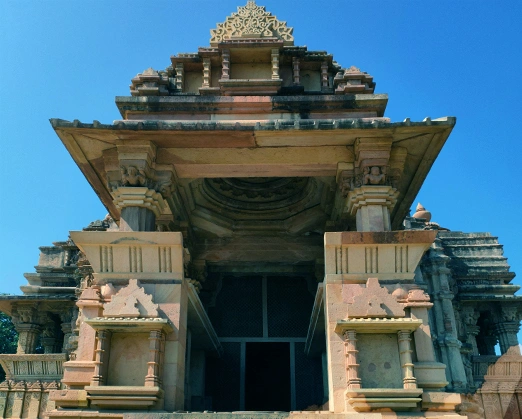
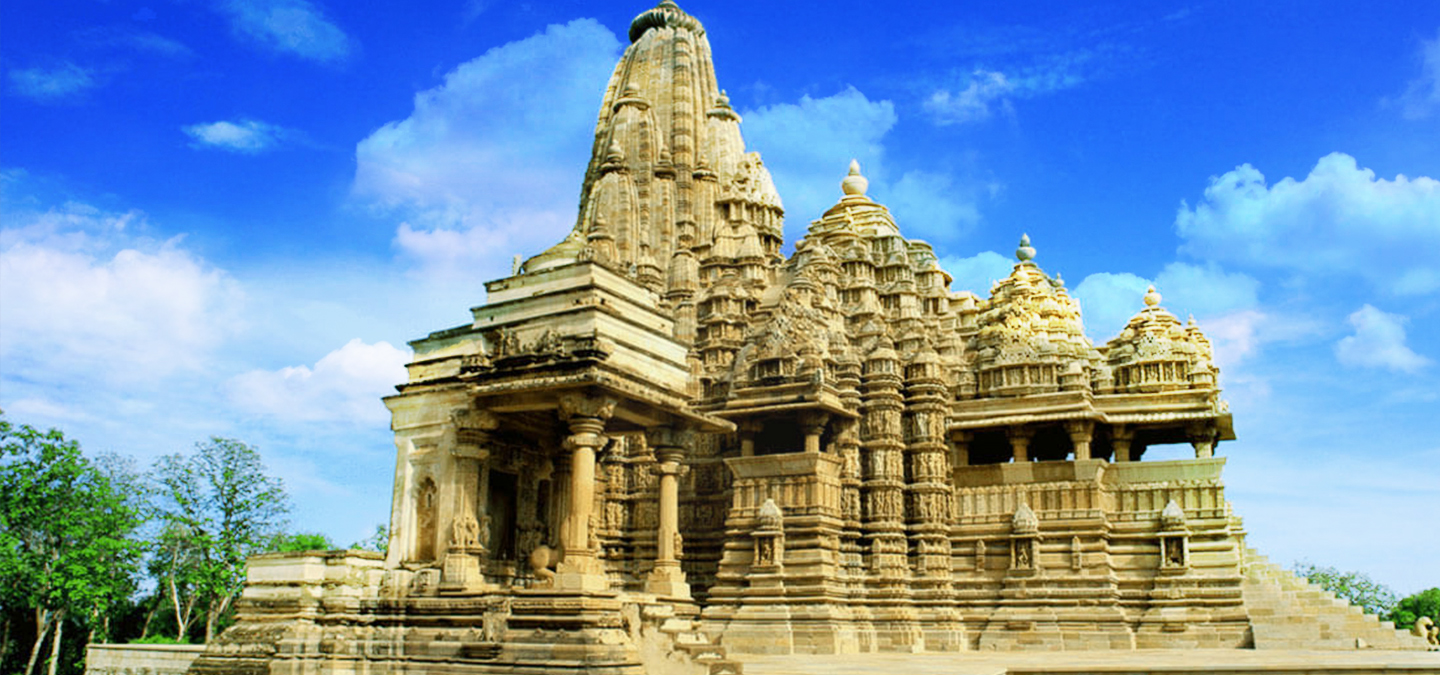
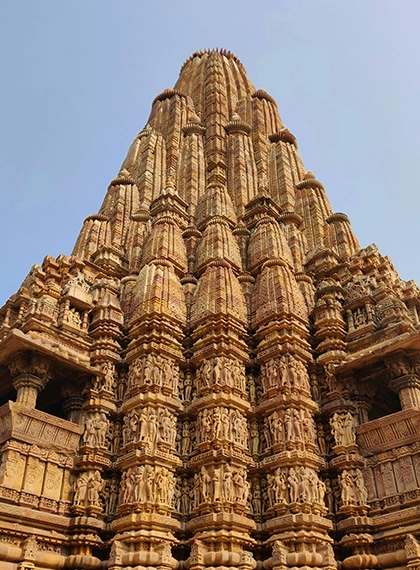
The Western Group is the highlight of any Khajuraho sightseeing trip. This cluster contains the Kandariya Mahadeva temple, the biggest of all 25 surviving structures, and Lakshmana, Vishvanatha, and Chitragupta temples. Built entirely out of Panna sandstone, the exteriors are enshrouded with interlocking sculptures portraying Puranic tales, Tantric philosophy, and the daily life of the Chandela- era times. The complex is maintained well by the Archaeological Survey of India. You should budget at least two or three hours here.
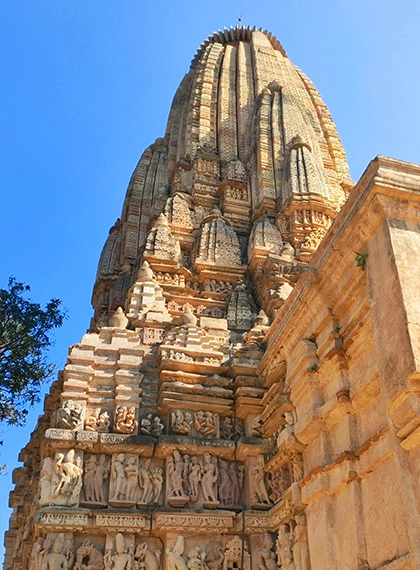
The Eastern Group consists of both Hindu and Jain temples and is situated next to residential streets in the old part of Khajuraho, giving it a life-like feeling that most tourist zones do not have. The Parsvanatha temple matches the Western Group in sculptural quality but gets a fraction of the footfall. The intricate pillar carvings of the Ghantai temple are a silent highlight that a majority of people walk past on the way in. This group rewards slow, attentive visitors who pace themselves rather than rush from site to site.
The Southern Group comprises two temples, namely Duladeo and Chaturbhuja. Duladeo is noted for its finely worked figures and its relative isolation; Chaturbhuja has a remarkable image of four-armed Vishnu, which is almost nine feet in height. Because this group is well away from the main tourist footprint, it remains quieter even during peak season months. Visiting at dusk when the sandstone warms to an amber tone helps to provide a dimension that cannot be matched by midday visits.
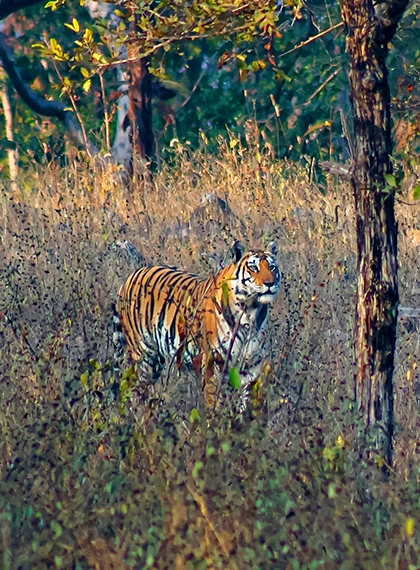
About 57 km from Khajuraho, Panna National Park is one of the Project Tiger reserves that has a recovering tiger population, a heavy leopard population, and some of the most beautiful riverine forests in India, which are located along the banks of the Ken River. The park also operates boat safaris on the Ken, and provides a totally different wildlife viewing experience from the standard jeep drives. Vultures, Sloth bears, Gharial Crocodiles, and over 200 species of birds make Panna a serious destination for nature travellers with a combined wildlife and heritage trip.
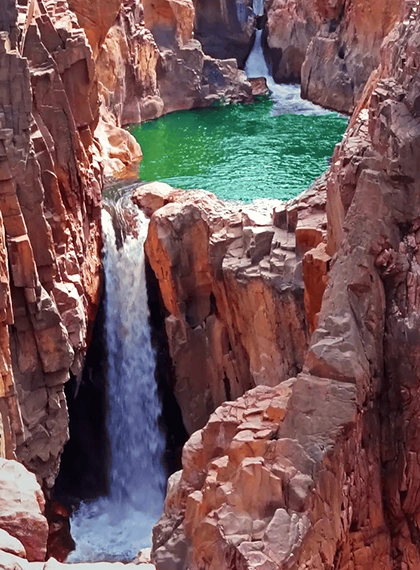
Raneh Falls, situated about 20 km from Khajuraho, is a series of waterfalls in a dramatic granite gorge on the Ken River. The walls of the gorge show natural rock formations in pink, red, and grey granite, making it one of the most beautiful natural places in central India. The falls are at their most dramatic in and just after the monsoon. The forest around the place is also a crocodile habitat, so the views arrive with a genuine sense of wildness rather than managed nature tourism.
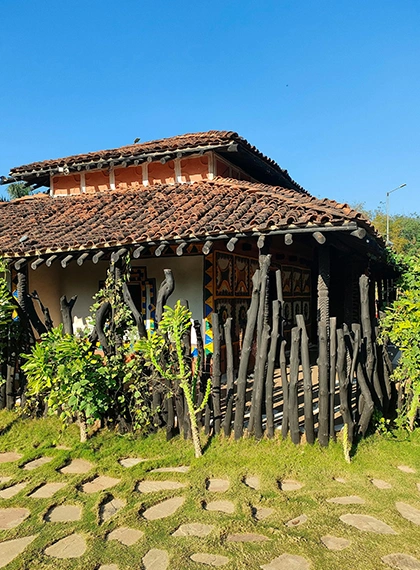
Outside the temples, the town has a small yet real craft culture, in which it is worth spending some time. Local craftsmen produce replicas from stone, hand-blocked textiles, and brasswork. The weekly market is a good place to interact with communities that have lived around this heritage site for generations. Tribal art of the outer Bundelkhand region, including Gond-influenced painting and weaving are available from cooperative shops. This part of the visit is what most group tours skip completely.

Temperatures range approximately between 8 °C and 25 °C, making it comfortable to go to the temple outdoors at any time of the day. The annual Khajuraho Dance Festival in late February brings classical performers from all over India to play out in the backdrop of the Western Temples. Wildlife visibility in Panna National Park is at its best. Hotels become booked up in peak months, so it is important to book ahead of time. This is the most reliable window for first-time visitors and families.

Temperatures can reach a maximum of 44 °C in May and June, and midday sightseeing is truly uncomfortable. Early morning visits to the temples between 6 am and 9 am are fine; afternoons are better spent in air-conditioned spaces. Crowds are much lower in summer, and hotel rates drop accordingly. April is still a good choice before temperatures rise to extremes. Budget travellers who can endure the heat will find this time of year easier on the wallet throughout the majority of Khajuraho travel packages.

The monsoon changes the surroundings of Khajuraho to a deep green that is nothing but different from the dry season version. Raneh Falls is most dramatic in this window, running at full strength. Morning visits to the temples are quite ideal before the rain comes in the afternoon. Panna National Park is closed during the peak monsoon months. Parts of Bundelkhand can be affected by road travel due to flooding. Build in buffer time for any tight itinerary and confirm accessibility before finalizing routes throughout the region.
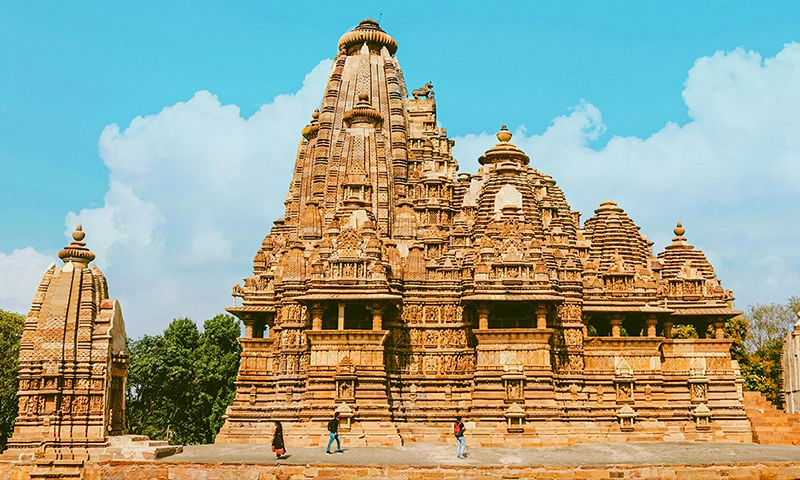
Walking through the Western Temple Group with a qualified guide is a completely different experience. A good guide has the ability to decode the iconographic programs as well as explain the philosophical underpinnings of the Tantric and Shakta imagery, pointing out sculptural details that the untrained eye will walk past. The difference between a self-guided visit and a properly guided one is not subtle. You move from identifying images to understanding a complete medieval worldview. The Archaeological Survey of India maintains a list of the licensed guides at the main gate. Sessions usually last from 90 minutes to two hours, and families with children older than age ten find this to be very effective.
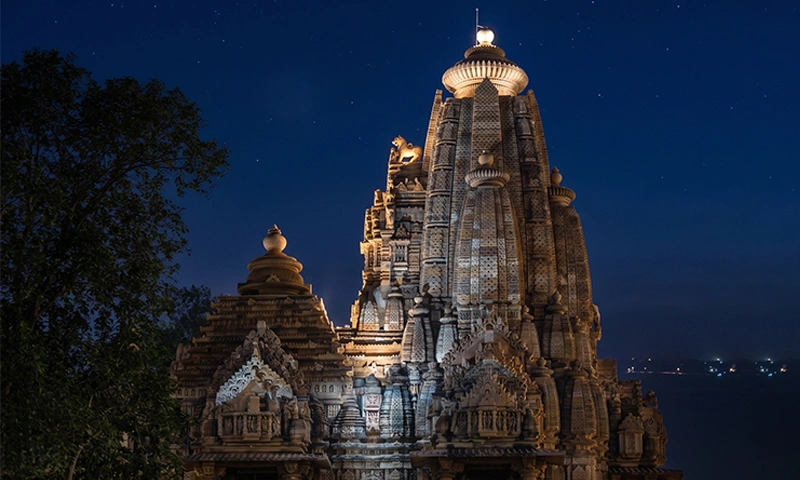
The Sound and Light Show at the Western Group, held every evening, is one of the better-produced versions of this format in India. The history of the Chandela dynasty, the construction timeline, and the rediscovery of the site by the British surveyor T.S. Burt in 1838 are among the topics narrated with the help of architectural projections on the temple facades. Shows are held in Hindi and English alternatively; the show duration is about 50 minutes. The treatment of sandstone with lighting is quite effective. This works well for first-time visitors who want to be oriented to the history in a way that does not sound like a lecture format.
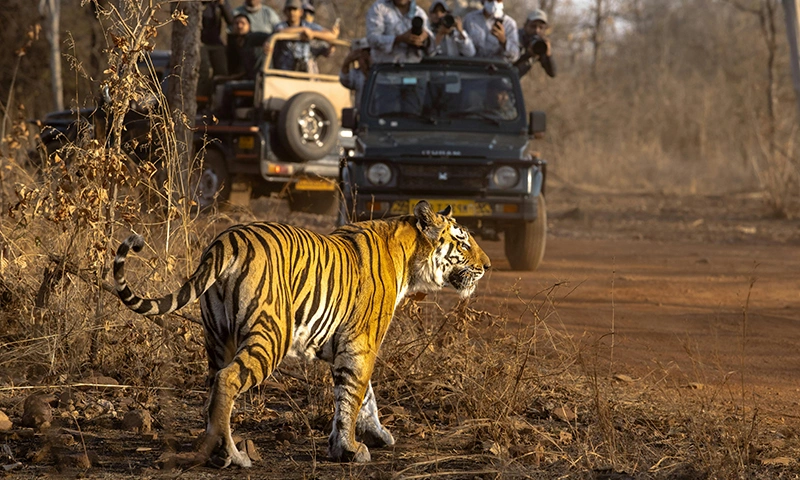
A jeep safari through Panna National Park, which is around an hour's ride from Khajuraho, is a half-day affair and is well worth the rewards it pays to the wildlife enthusiast. The park has made a remarkable conservation recovery in which tigers were locally extinct by 2009 and reintroduced with a steady population recovery. Morning safaris in the time between 6 am and 10 am are the best time for animal sightings. Beyond tigers and leopards, the park has Indian wolves, gharials, and a high density of vultures at nesting sites along the gorge of the Ken River. All the safari vehicles are registered with the Forest Department Jeeps; there is no private entry.
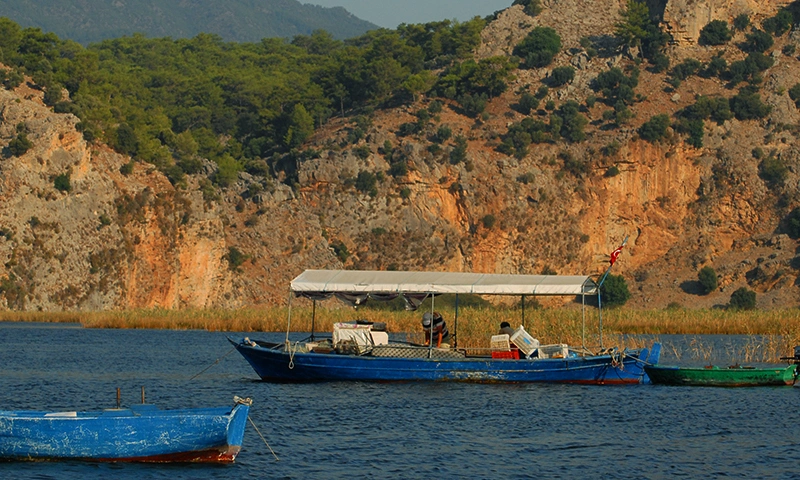
The Ken River boat safari traverses the buffer zone of Panna National Park and offers a water-level view of the riverine forest and cliffs of this beautiful park. Gharial crocodiles are often seen on the sandbanks, and the cliffs are home to nesting populations of Indian vultures, now critically endangered in the country as a whole, but with a viable colony here. The boat safari is quieter and more meditative than a jeep drive, especially for birding enthusiasts and photographers who wish to spend unhurried time near the water. Sessions are usually 60 to 90 minutes long and go very well with a morning jeep safari on the same day.
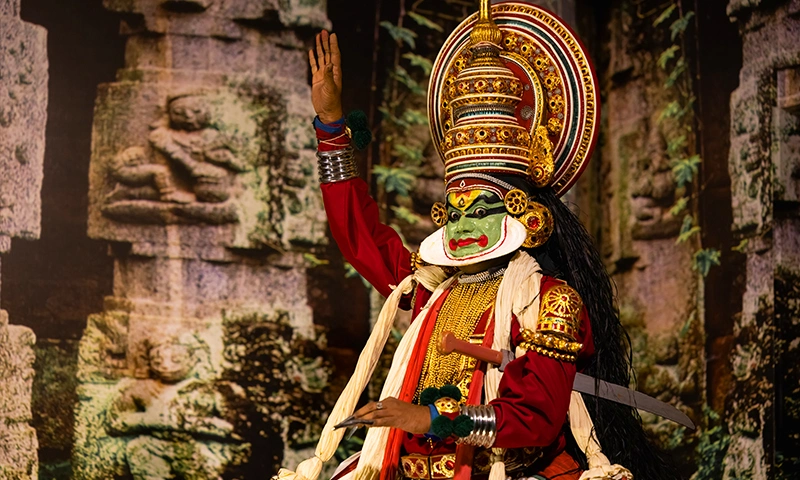
The Khajuraho Dance Festival, held annually against the backdrop of the Western Temple Group, is one of India's oldest and best respected classical performing arts festivals. Running for about a week, it has leading exponents of Bharatanatyam, Kathak, Odissi, Kuchipudi, and Manipuri dance. The temple backdrop is not a prop; it is contextually appropriate, as many of the dance forms depicted in the stone sculptures are performed live here. Aligning your travel timings with this festival adds a performing arts side to the whole Khajuraho experience that enhances it considerably.
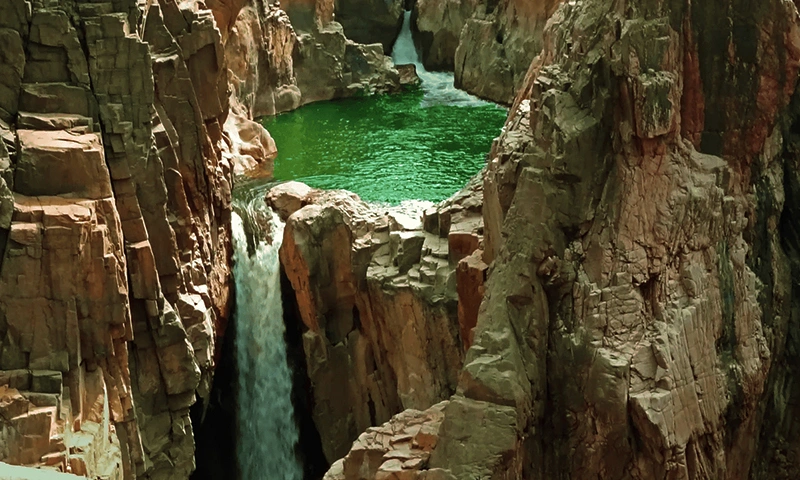
The Raneh Falls area has a walking trail on the granite gorge that is unlike anything else available near Khajuraho. The geological formations here are estimated to be some of the oldest exposed granite in central India, and the range of colors in the rock walls, from deep red to grey to pink, is a surprise for most visitors who are expecting a conventional waterfall. The walk is not strenuous, making it suitable for most fitness levels, including older travelers. A local forest department guide provides context about the habitat of crocodiles in the area, seasonal flow in the waters, and the ecology around, all of which a solo visit would not provide.
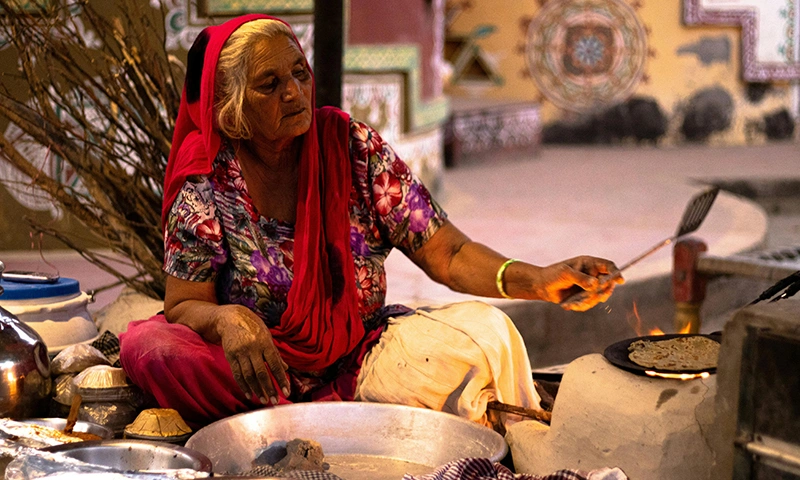
Bundelkhand cuisine differs from the usual north Indian fare and is based on ingredients that are suitable for a semi-arid terrain: urad dal, locally grown wheat, mustard, and wild greens. Several heritage homestays and cultural centers near Khajuraho offer a half-day cooking session where travelers can learn how to make dal bafla, the regional version of dal baati, along with chainsoo as well as local sweets. Sessions are concluded by a communal meal. This is one of the more grounded ways to connect with the region’s culture and works particularly well for families, food-focused travellers, and anyone looking for a memory that goes beyond temple photography.
Most of the Khajuraho tour packages include a visit to the temple and a hotel, and not much more. Memorable India’s approach is based on the understanding that a rightly structured Khajuraho tour package should give you depth and not just logistics.
When you book a Khajuraho tourism package with us, the planning process begins with a conversation about who you are as a traveller. A family with school-age children requires a different structure than a couple who are interested in architecture and wildlife. A group of senior travellers requires a different pacing to a group of young professionals on a long weekend. Our packages are based on your travel style and not on a set template.
Every Memorable India Khajuraho package has a certified and experienced guide who is briefed about your specific interests. You are not getting a cookie-cutter walking tour, but rather getting the contextual interpretation built from your questions and curiosity.
We do not pad itineraries up in order to make them seem longer than they are. If a Khajuraho one-day tour is what you need, we will build the best possible single-day tour. If you have four days, we fill them meaningfully without repetition and manufactured filler stops.
Every Memorable India traveler gets a real ground coordinator, that is accessible during the entire trip. We also gather frank feedback after each journey and use this to improve upon the next journey. True accountability though makes a Khajuraho tour a different product to a booking that ends once you confirm payment.
Looking at wider India heritage travel? Memorable India’s Khajuraho travel packages can be extended in to a complete Madhya Pradesh circuit tour or can be integrated with a pan-India cultural tour.