 +919871148514
 info@memorableindia.com
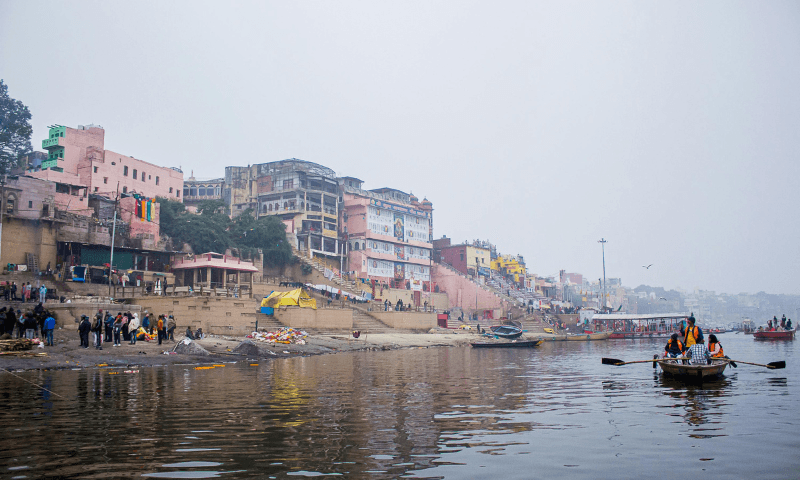
Varanasi does not reveal itself from its lanes. The narrow alleys, the temple bells, the press of pilgrims and cattle sharing the same stretch of road, all of it is overwhelming on foot. But from the middle of the Ganga, the city rearranges itself into something calmer, wider, and far more legible. A boat ride in Varanasi is the one activity that consistently appears on every traveller’s itinerary, and for good reason. It offers the only unobstructed, panoramic view of the ghats, the rituals, and the daily theatre of life and death that defines this ancient city.
The real question most visitors face is not if they should take a boat ride, but when. The morning ride, locally called Subah-e-Banaras, and the evening ride, timed around the grand Ganga Aarti at Dashashwamedh Ghat, are two fundamentally different experiences. One is quiet, meditative, and soaked in golden light. The other is loud, ceremonial, and alive with fire and devotion. This guide breaks down both experiences in detail so you can decide which one suits your schedule, your travel style, and your reason for visiting Varanasi.
Varanasi has close to 100 ghats lining the western bank of the Ganga. Each ghat has a distinct character, history, and daily rhythm. Walking between them is rewarding but physically demanding, especially during peak pilgrimage hours. A boat ride on the Ganga River lets you see these ghats in a continuous sweep, from Assi Ghat in the south to Raj Ghat in the north, without navigating the congested lanes behind them.
More importantly, a boat places you at the right distance. You are close enough to observe individual rituals, the morning bathers performing Surya Namaskar, the priests preparing for worship, the dhobi wallahs slapping laundry on stone steps, but far enough to see the full architectural scale of the riverfront. Temples, palaces, and crumbling havelis stack up behind the ghats in layers that are invisible from street level.
For first-time visitors, the boat ride also serves as an orientation. It helps you identify which ghats you want to return to on foot and gives you a spatial understanding of the city that no map can replicate. If you are planning a Varanasi day tour, the boat ride is typically the centrepiece of the itinerary.
The morning boat ride typically starts between 5:00 AM and 6:00 AM, depending on the season. In winter, when sunrise is later and the river mist is thick, boats tend to push off closer to 6:00 AM. In summer, an earlier start catches the light at its best.
Most morning rides begin from Assi Ghat or Dashashwamedh Ghat and move northward along the river, covering key ghats including Kedar Ghat, Harishchandra Ghat, Manikarnika Ghat, and Panchganga Ghat before turning back. The ride usually lasts 60 to 90 minutes.
What makes the morning experience distinctive is its intimacy. The city is just waking up. You will see yoga practitioners on the ghat steps, sadhus sitting cross-legged near the water, and families performing small pujas with flowers and oil lamps. The sound profile is markedly different from the evening. Instead of drums and loudspeakers, there are temple bells, soft chanting, and the rhythmic splash of oars.
The real draw is the sunrise itself. As the sun lifts above the eastern bank, the entire western riverfront catches a warm amber glow. The sandstone ghats, the temple spires, and the silk banners hanging from balconies all turn gold for a brief window. This is the single most photographed moment in Varanasi, and it is only visible from the river.
The Ganga is also calmer in the morning. Fewer boats are on the water, the current is gentler, and the absence of crowds makes the whole experience feel private, almost contemplative.
The morning boat ride suits travellers who value stillness, photographers chasing natural light, and anyone interested in observing the everyday spiritual life of Varanasi rather than its grand ceremonies. It is also a better option for families with young children or older travellers who prefer to avoid the intense crowds that gather in the evening. Those interested in the broader Varanasi ghat experience can read more in this guide to famous ghats in Varanasi.
The evening boat ride is built around a single defining event: the Ganga Aarti at Dashashwamedh Ghat. This ceremony takes place every evening, typically starting around 6:30 PM to 7:00 PM, and lasts roughly 45 minutes. Boats usually depart between 5:00 PM and 5:30 PM to secure a good viewing position on the water before the aarti begins.
The evening ride covers fewer ghats than the morning version. Most boats position themselves directly in front of Dashashwamedh Ghat and remain anchored during the ceremony. Some routes include a short cruise past Manikarnika Ghat and a few neighbouring ghats before settling into position.
The Ganga Aarti is Varanasi’s most recognisable ritual. A group of trained priests, dressed in matching silk, perform a choreographed fire offering to the Ganga. They hold large multi-tiered brass lamps, each carrying several flames, and move them in precise, circular patterns while Vedic chants and percussion fill the air. The smoke from incense and camphor mixes with the scent of marigold garlands that devotees float on the river.
From a boat, you get an uninterrupted front-row view. The ghats behind the priests are packed with spectators, but from the water, the view is clean and uncluttered. The reflection of the flames on the river surface is something that simply cannot be experienced from the ghat steps.
This ride is ideal for travellers who want the full sensory spectacle of Varanasi. It suits those who respond to ceremony, energy, and communal devotion. It is also a strong choice for anyone visiting Varanasi for the first time and looking for the city’s most iconic experience. Keep in mind that the evening ride is more crowded, both on the ghats and on the water, so those who are uncomfortable in dense, noisy settings may want to plan accordingly. For practical advice on handling the Varanasi crowds, refer to these Must Know Tips When Travelling To Varanasi.
The two experiences serve different emotional registers. The morning ride is about observation. You watch the city’s spiritual rhythms unfold organically, without performance or audience. There is no main event, just a continuous unfolding of small, genuine moments. The evening ride is about spectacle. It builds toward a singular, powerful crescendo, the Ganga Aarti, and delivers an intensity that is hard to match.
In terms of comfort, the morning ride wins. Fewer people, cooler temperatures (especially between October and March), and calmer waters make for a more relaxed outing. The evening ride, while thrilling, comes with jostling boats, louder noise, and the challenge of returning to the ghats through dense crowds after the ceremony ends.
Photography priorities also differ. Morning light is soft, directional, and ideal for capturing the ghats, the architecture, and candid human moments. Evening photography is trickier. The dramatic flames and reflections look stunning, but low light, movement, and distance can make sharp shots difficult without the right equipment.
For travellers who have two days in Varanasi, the ideal plan is to do both. Start with the morning ride to understand the geography and rhythm of the city, and follow up with the evening ride to experience the ceremonial side. If you only have one slot, ask yourself what you are looking for. Quiet reflection and cultural observation point to the morning. Grand ritual and shared spiritual energy point to the evening.
Boats in Varanasi range from small wooden rowboats to larger motorised vessels. For the morning ride, a traditional rowboat is recommended. It moves slowly enough to absorb the atmosphere, produces no engine noise, and can navigate closer to the ghats. For the evening ride, a slightly larger boat offers more stability when surrounded by other vessels near Dashashwamedh Ghat.
Boats can be hired directly at the ghats, with Assi Ghat and Dashashwamedh Ghat being the most common boarding points. Prices vary by season, time of day, and boat size. Morning and evening rides tend to cost more than midday outings due to demand. It is wise to agree on the fare, the route, and the duration before boarding. If you are booking through a tour operator, these details are typically handled in advance.
A few practical pointers worth noting:
Carry a light shawl or jacket for the morning ride, especially in winter. The river breeze before sunrise is surprisingly cold. For the evening ride, arrive early to secure a boat with a clear line of sight to the aarti platform. Avoid using flash photography near the cremation ghats (Manikarnika and Harishchandra). This is a non-negotiable mark of respect. Wear comfortable footwear that you can slip on and off easily, as you will likely step through shallow water when boarding.
If your Varanasi visit is part of a longer spiritual journey, exploring the Walking tours of Varanasi adds a street-level perspective that complements what you see from the river.
The October to March window is the most comfortable period for a boat ride in Varanasi. Temperatures are moderate, the sky is often clear, and the winter mist over the Ganga adds a soft, atmospheric quality to the morning rides. November is particularly special because of Dev Deepawali, a festival when the ghats are lit with thousands of oil lamps, turning the entire riverfront into a glowing spectacle visible from the water.
The monsoon months (July to September) can be challenging. The river level rises significantly, some ghats become partially submerged, and boat services may be restricted or rerouted. Summer (April to June) is hot, but early morning rides remain pleasant if you start before 5:30 AM.
For travellers planning a broader Indian itinerary, Varanasi pairs well with destinations like Sarnath, Allahabad (Prayagraj), and Ayodhya. Explore nearby options in this guide to places near Varanasi.
A boat ride is the anchor of a Varanasi visit, but the city offers far more. After your morning ride, walk through the lanes behind the ghats to explore the textile bazaars, the street food stalls serving kachori and lassi, and the smaller neighbourhood temples that rarely appear in guidebooks. In the afternoon, a visit to Sarnath, located roughly 10 kilometres from the city centre, offers a calm contrast. This is where Gautama Buddha delivered his first sermon, and the archaeological site and museum there are well worth the trip.
For those drawn to the spiritual depth of Varanasi, combining a boat ride with a structured pilgrimage experience makes the visit more meaningful. Memorable India’s, India pilgrimage tour packages include curated Varanasi itineraries with guided ghat visits, aarti attendance, and boat rides built into the schedule.
The Ganga boat ride is not simply a sightseeing activity. It is the lens through which Varanasi makes sense. The morning ride offers a slow, golden introduction to the city’s spiritual pulse. The evening ride delivers its most dramatic expression. Both are worth your time, and neither can fully substitute for the other. If Varanasi is on your travel list, build your itinerary around the river. It is where the city’s oldest stories are still being told, every single day.
Planning a Varanasi trip? Explore Memorable India’s Varanasi day tours for expertly planned itineraries that include sunrise boat rides, Ganga Aarti experiences, temple visits, and Sarnath excursions.
The best time is either early morning (5:00 AM to 7:00 AM) for the sunrise experience or early evening (5:00 PM to 7:00 PM) for the Ganga Aarti. Morning rides are calmer and ideal for photography, while evening rides are centred on the grand fire ceremony at Dashashwamedh Ghat. The October to March season offers the most comfortable weather for both options.
A typical morning boat ride lasts between 60 and 90 minutes, covering the stretch from Assi Ghat to Manikarnika Ghat and back. Evening rides are usually shorter, around 45 to 60 minutes, as the boat anchors near Dashashwamedh Ghat for the duration of the Ganga Aarti ceremony.
Yes, watching the Ganga Aarti from a boat is one of the most popular ways to experience the ceremony. Boats position themselves on the river directly facing Dashashwamedh Ghat, giving passengers an unobstructed view of the priests, the flames, and the entire riverfront spectacle. Arriving early ensures a closer spot.
For first-time visitors, the evening boat ride during the Ganga Aarti tends to be the more memorable experience because of its sheer visual and emotional intensity. However, the morning ride offers a deeper, quieter understanding of daily life along the ghats. If time allows, doing both on consecutive days gives the most complete picture of the city.
Most boat rides depart from Assi Ghat or Dashashwamedh Ghat. Assi Ghat is a popular starting point for morning rides because it is quieter and offers a southward approach to the main ghats. Dashashwamedh Ghat is the primary departure point for evening rides because of its proximity to the Ganga Aarti ceremony.
Carry a light jacket or shawl, especially between November and February, as the pre-dawn river breeze can be quite cold. A camera with manual settings helps capture the sunrise light. Avoid carrying heavy bags, wear slip-on footwear for easy boarding, and keep your phone in a waterproof pouch if you plan to photograph from the boat.

20 Best Hill Stations in Uttarakhand for Family Vacation, Corporate Trips, Nature Lovers & Adventure
26 Aug 2026
15 Best National Parks and Wildlife Sanctuaries in North East India
25 Aug 2026
16 Best Romantic Hill Stations in India for Honeymoon Holidays
23 Aug 2026
Top 30 Must-See Forts and Palaces in Rajasthan
21 Aug 2026
Top 30 Krishna Temples in India: A Complete Pilgrim and Traveller Guide
21 Aug 2026


