 +919871148514
 info@memorableindia.com
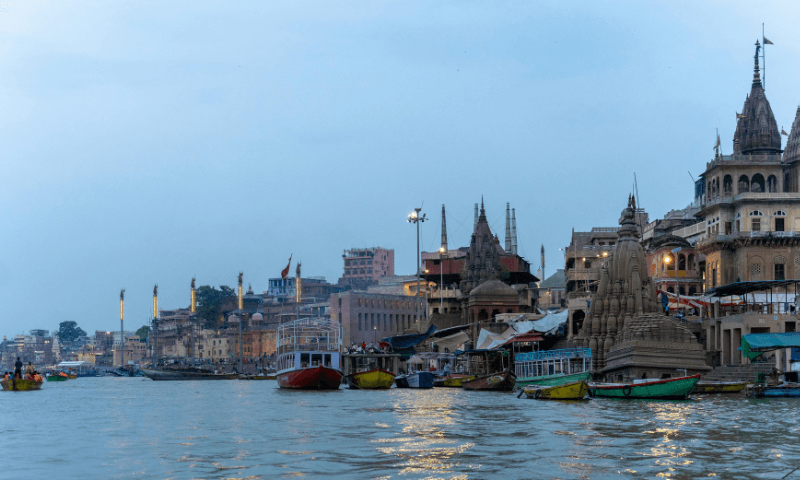
There is a reason Varanasi has been called the oldest living city in the world for centuries. But that age is not something you understand from a history book or a temple plaque. You understand it at 5:30 in the morning, sitting in a wooden rowboat on the Ganga, watching the first light break over a riverfront that has looked roughly the same for thousands of years.
The sunrise boat ride in Varanasi is not a tourist activity in the conventional sense. It is closer to a ritual in itself. The ghats are still waking up, the river is quiet, and the city has not yet shifted into its daytime chaos. In that narrow window between darkness and full morning, Varanasi reveals something that the rest of the day tends to bury under noise and crowds. You see the spiritual core of the city laid bare, without performance, without spectacle, without a single loudspeaker.
This guide covers everything a traveller needs to plan and understand the sunrise boat ride on the Ganga. From where to board, what you will see along the route, and how to prepare, this is a practical and honest account of what makes this experience one of the most significant things you can do in India.
Varanasi’s relationship with the morning is older than most civilisations. The concept of Subah-e-Banaras, the morning of Banaras, has been a cultural reference point for generations. Before electricity, before the evening Ganga Aarti became a major draw, as it was the morning that defined this city’s spiritual rhythm. Pilgrims have been arriving at the ghats before dawn for centuries, drawn by the belief that bathing in the Ganga at sunrise carries a particular sanctity.
From the river, this pre-dawn energy is visible in the most understated ways. Oil lamps flicker on the ghat steps. Small clusters of devotees perform Surya Namaskar as the sky shifts from grey to pink. Priests sit cross-legged near the waterline, preparing for the day’s first pujas. Sadhus, wrapped in saffron, appear motionless against the old stone walls. None of this is staged. None of it is performed for an audience. It simply happens, as it has happened every morning for as long as anyone can remember.
That organic, unscripted quality is exactly what separates the sunrise experience from its evening counterpart. The evening Ganga Aarti is magnificent in its own right, but the morning belongs to the city itself, not to its visitors.
Most sunrise boat rides begin from Assi Ghat, located at the southern end of Varanasi’s ghat chain. Assi Ghat is quieter than Dashashwamedh Ghat, which makes it a calmer starting point in the early morning. The ghat is associated with the worship of Goddess Durga, and it is said that the Goddess threw her sword into the Assi River after slaying the demons Shumbha and Nishumbha. It is also the ghat where Tulsidas is believed to have completed the Ramcharitmanas.
From Assi Ghat, boats move northward along the western bank, passing a continuous line of ghats. The standard route covers Kedar Ghat, Harishchandra Ghat, Dashashwamedh Ghat, Manikarnika Ghat, and Panchganga Ghat before turning back. The full ride typically takes between 60 and 90 minutes, depending on the boatman’s pace and how long you choose to linger at certain points.
Some travellers prefer to board from Dashashwamedh Ghat, particularly if they are staying in the central part of the old city. This starting point places you closer to Manikarnika Ghat early in the ride, which can be emotionally intense. The route from here tends to move north first and then loop back south.
For a deeper understanding of each ghat’s history and significance, this guide to the famous ghats in Varanasi is a useful companion read before your boat ride.
As the sun rises above the eastern bank, it throws a warm amber glow across the entire western riverfront. The sandstone steps, the temple spires, the faded palace facades, and the silk banners hanging from balconies all catch this light for a brief, luminous window. The effect is extraordinary. The architecture of Varanasi, which can feel cluttered and chaotic at street level, suddenly resolves into a coherent, layered skyline when viewed from the water.
Varanasi has close to 100 ghats along the Ganga. Each one has its own character. Some are bustling with bathers, others are almost deserted. Some have grand staircases leading up to palaces, while others are simple stone platforms where families sit quietly with offerings. The boat drifts past all of them at a pace that allows you to absorb the details without rushing.
The real texture of the sunrise ride comes from the human activity on the ghats. You will see families performing small pujas with marigold garlands and oil lamps. Groups of men and women wading into the river for their morning bath, some chest-deep in prayer, others splashing water over their heads with cupped hands. Yoga practitioners stretching on the top steps. Dhobi wallahs slapping wet laundry against stone slabs at the washing ghats. Children running along the waterline.
None of these moments are curated for visitors. They are simply the first hours of an ordinary day in a city that treats the river as the centre of all life.
The boat will pass Manikarnika Ghat, the city’s primary cremation ground. Funeral pyres burn here around the clock. At sunrise, the smoke from the pyres mingles with the river mist, creating an atmosphere that many travellers describe as the most emotionally powerful moment of the entire ride. It is important to approach this ghat with quiet respect. Photography is strictly prohibited. The ghats where cremation takes place are a deeply sacred space, and observing from the boat at a respectful distance is the appropriate way to experience this.
Varanasi is one of the holiest cities for Hindus. It is believed that dying in Varanasi frees the soul from the cycle of rebirth and grants moksha, or liberation. This belief shapes everything about the city, from the cremation ghats to the ashrams and old-age homes that line the riverfront. When you sit in a boat at sunrise and look at the ghats, you are watching a place where the Hindu understanding of life, death, and spiritual release plays out in real time, every single day.
The Ganga itself holds a central place in Hindu cosmology. Bathing in the river is considered an act of purification. Offering flowers and lamps to the water is a form of prayer. Even the act of simply being on the river is treated with a certain reverence by local boatmen, many of whom come from families that have worked these waters for generations.
For travellers who are not related to Hinduism, the sunrise boat ride still carries a powerful resonance. The combination of the light, the silence, the slow drift of the boat, and the visible evidence of deeply held faith creates an atmosphere that is contemplative regardless of your own spiritual background. Many visitors describe it as one of the most moving experiences of their time in India.
If spiritual travel is a key part of your itinerary, Varanasi often pairs well with other sacred destinations across the country. Memorable India’s India pilgrimage tour packages offer curated journeys that include Varanasi alongside other significant spiritual sites.
The ideal boarding time depends on the season. In winter (November to February), sunrise is later, so boats typically push off around 5:45 AM to 6:15 AM. In summer (March to June), an earlier start of 5:00 AM to 5:30 AM catches the best light. Arriving at the ghat 15 to 20 minutes before your planned departure gives you time to settle in and avoid the small rush of boats all leaving at once.
Traditional wooden rowboats are the best choice for the sunrise ride. They are quiet, slow-moving, and sit low on the water, which keeps you close to the ghat-level activity. Motorised boats are available but break the morning silence and make it harder to hear the temple bells and chanting that form part of the experience.
Carry a light shawl or jacket, especially between November and February. The river breeze before sunrise is surprisingly cold, and even travellers accustomed to Indian winters find the open water temperature a notch below what they expected. A camera with manual exposure settings helps capture the low-light conditions. Keep your phone in a waterproof pouch if you plan to shoot from the boat. Wear slip-on footwear, as you will likely step through shallow water when boarding.
If you are hiring a boat directly at the ghat, agree on the fare, route, and duration before boarding. Morning rides typically cost more than midday outings because of demand. If your Varanasi visit is being arranged through Memorable India , the boat ride is usually included in the itinerary. For practical advice on navigating Varanasi’s pricing and avoiding common tourist pitfalls, this guide to travel tips for Varanasi is worth reading in advance.
The October to March window offers the most rewarding conditions. Temperatures are comfortable, the sky is frequently clear, and the winter mist that settles over the Ganga in the early morning hours adds a layered, almost painterly quality to the scene. November is a standout month because of Dev Deepawali, a festival when the ghats are illuminated with thousands of oil lamps, and the pre-dawn atmosphere carries an even deeper sense of occasion.
The monsoon season (July to September) brings challenges. Water levels rise considerably, parts of the lower ghats become submerged, and boat services may be limited. Summer months (April to June) are hot, but early morning rides remain pleasant provided you start before the heat builds.
For those planning a broader trip, Varanasi connects well with nearby destinations like Sarnath, Prayagraj (Allahabad), and Ayodhya. This guide to places near Varanasi covers the best options for extending your itinerary.
The sunrise ride deposits you back at the ghats with the rest of the morning still ahead. This is the ideal time to walk the ghat steps on foot. The stretch from Assi Ghat to Dashashwamedh Ghat is one of the most rewarding walks in Varanasi, taking you past temples, shrines, and small neighbourhood squares that are invisible from the main roads. A guide to Varanasi’s walking tours lays out specific routes worth following.
After the walk, duck into the lanes behind the ghats for breakfast. Varanasi’s street food scene wakes up early. Kachori, jalebi, and the city’s famous thick lassi are all available within steps of the riverfront. The lanes are also where you will find the silk-weaving workshops and the smaller neighbourhood temples that form the quieter, more intimate layer of the city’s cultural life.
In the afternoon, a trip to Sarnath, roughly 10 kilometres from the city centre, makes for a calm contrast. This is where Gautama Buddha delivered his first sermon after attaining enlightenment, and the archaeological site and museum are well worth the short drive. Varanasi and Sarnath together offer a two-layered spiritual experience that few Indian cities can match.
The sunrise boat ride on the Ganga is not something Varanasi offers to tourists. It is something the city does for itself, every morning, and visitors are simply allowed to witness it. That distinction matters. What you see from the boat at dawn is not a performance but a living, breathing expression of faith, routine, and continuity that has carried on for centuries. If there is one experience in Varanasi that brings you closest to understanding why this city holds the place it does in Indian life, it is this one.
Planning a trip to Varanasi? Explore Memorable India’s Varanasi day tours for expertly planned itineraries that include sunrise boat rides, guided ghat visits, temple tours, and Sarnath excursions.
Q1: What time does the sunrise boat ride start in Varanasi?
The sunrise boat ride typically starts between 5:00 AM and 6:15 AM depending on the season. In winter (November to February), boats usually depart around 5:45 AM to 6:15 AM when sunrise is later. In summer (March to June), an earlier start around 5:00 AM to 5:30 AM is common. Arriving at the boarding ghat 15 to 20 minutes early is recommended to avoid the initial rush.
Q 2: How long does the sunrise boat ride on the Ganga last?
A typical sunrise boat ride lasts between 60 and 90 minutes. The standard route runs from Assi Ghat northward past key ghats including Dashashwamedh, Manikarnika, and Panchganga before turning back. The duration depends on the boatman’s pace and how long you choose to pause at specific points along the way.
Q 3: Which ghat is the best starting point for a morning boat ride in Varanasi?
Assi Ghat is the most popular starting point for sunrise boat rides. It is quieter than Dashashwamedh Ghat in the early hours and offers a calmer boarding experience. Starting from Assi Ghat also means you approach the busier central ghats gradually, which gives the ride a natural build in intensity.
Q 4: Is a sunrise boat ride in Varanasi safe for families and older travellers?
Yes, the morning ride is well suited for families and older travellers. The river is calmer in the early hours, there are fewer boats on the water, and the overall atmosphere is quieter than during the evening. Traditional rowboats sit low and stable on the water. Wearing comfortable slip-on footwear and carrying a warm layer in winter are the main practical considerations.
Q 5: Can you see the Ganga Aarti on a sunrise boat ride?
The grand Ganga Aarti at Dashashwamedh Ghat is an evening ceremony, so it is not visible during the sunrise ride. However, smaller morning prayer rituals and pujas do take place at several ghats along the route, including Assi Ghat. The morning ride offers a different kind of spiritual experience focused on quiet, everyday devotion rather than the large-scale evening ceremony.
Q 6: What should you wear and carry on a Varanasi sunrise boat ride?
Dress in layers, particularly between November and February, as the river breeze before dawn can be quite cold. Comfortable, modest clothing is appropriate, and slip-on shoes are practical for boarding the boat through shallow water. Carry a camera with manual settings for low-light photography, a waterproof pouch for your phone, and a small bottle of water. Avoid carrying heavy bags or wearing expensive jewellery.
20 Best Hill Stations in Uttarakhand for Family Vacation, Corporate Trips, Nature Lovers & Adventure
26 Aug 2026
15 Best National Parks and Wildlife Sanctuaries in North East India
25 Aug 2026
16 Best Romantic Hill Stations in India for Honeymoon Holidays
23 Aug 2026
Top 30 Must-See Forts and Palaces in Rajasthan
21 Aug 2026
Top 30 Krishna Temples in India: A Complete Pilgrim and Traveller Guide
21 Aug 2026


