 +919871148514
 info@memorableindia.com
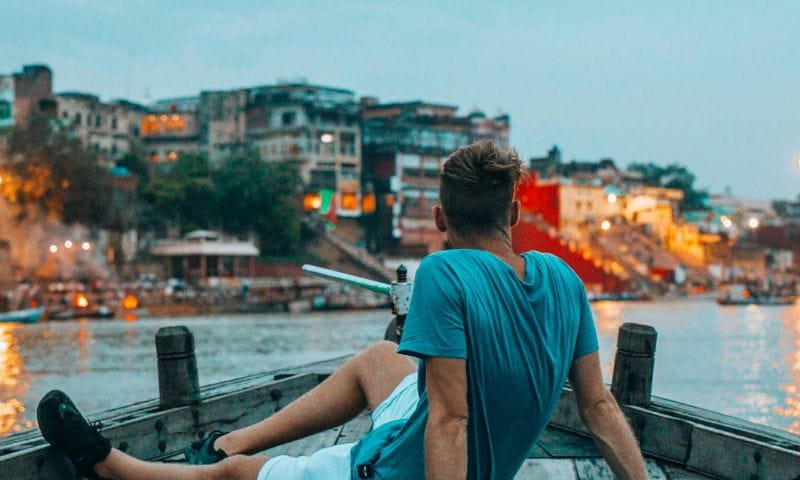
India does not hand you a single story. It offers dozens, often within the same day. You might begin a morning watching priests perform a centuries-old fire ritual on the banks of the Ganga, spend the afternoon tracking a Bengal tiger through dry deciduous forest, and end the evening eating freshly caught fish on a houseboat drifting through palm-lined canals. The sheer range of things to do in India can overwhelm first-time visitors and surprise even those who think they know the country well. What separates a good trip from a genuinely transformative one, however, is not the number of places ticked off a list. It is the quality of experiences chosen.
This guide focuses on 15 unique experiences in India that go beyond standard sightseeing. Each one has been selected for its cultural depth, regional authenticity, and the kind of lasting impression that no photograph can fully capture. Some are well-known but still widely under-appreciated. Others remain relatively under the radar. All of them reward the traveller who shows up with curiosity and a willingness to slow down.
A Kettuvallam, the traditional rice barge of Kerala converted into a floating guesthouse, is one of India’s most iconic travel experiences for good reason. Gliding through the narrow canals of Alleppey or Kumarakom, you pass rice paddies, coconut groves, and small villages where daily life unfolds at the water’s edge. A dedicated crew handles navigation while a chef prepares fresh Kerala meals on board, often using fish bought directly from villagers along the route. The best time to book is between October and March, when skies are clear, and the waterways are at their most photogenic. For travellers planning a full Kerala holiday, the houseboat night is often the single most discussed memory after the trip ends.
Varanasi before dawn is a different city from the one you experience at midday. The ghats are quiet, the river is still, and the light breaks slowly across a skyline of temples and crumbling palaces. A small rowing boat from Dashashwamedh Ghat takes you upstream past the bathing pilgrims, the sadhus in meditation, and the smoke rising gently from Manikarnika Ghat, the city’s main cremation site. It is simultaneously peaceful and confronting, a front-row encounter with life, death, and devotion playing out on the same stretch of riverbank. The Varanasi ghats are not scenic backdrops; they are the city’s living, breathing heart.
Ranthambore sits in southeastern Rajasthan, roughly 130 kilometres from Jaipur, and offers one of the best chances in India to see a Bengal tiger in the wild during daylight hours. The park covers over 1,300 square kilometres and is divided into ten safari zones, with Zones 1 through 5 being the most popular for tiger sightings. Open-top jeep safaris run in the early morning and late afternoon, and the landscape of dry scrub, ancient ruins, and lakes creates a dramatic setting quite unlike the dense forests of central India. The 10th-century Ranthambore Fort, a UNESCO World Heritage Site, rises above the tree canopy as a constant reminder that this wilderness was once a royal hunting ground. Ranthambore wildlife tours typically run between October and May, when the park is open and sighting conditions are optimal.
The Sam Sand Dunes near Jaisalmer are where most travellers get their first taste of the Thar Desert. A late-afternoon camel ride across the rolling dunes, timed to coincide with sunset, remains one of the most must-try experiences in India for visual drama alone. But the real magic comes after dark, when desert camps host folk music performances under an open sky thick with stars. The combination of Rajput musical tradition and the silence of the desert is difficult to replicate anywhere else. For those building a longer Rajasthan itinerary, the desert segment pairs naturally with the forts and palaces of Jaisalmer, Jodhpur, and Bikaner.
Every evening at Dashashwamedh Ghat in Varanasi, a group of trained priests performs the Ganga Aarti, a synchronised fire ritual involving large brass lamps, incense, and chanting that draws hundreds of spectators. The ceremony honours the river Ganga and has been performed in this form for decades. Watching it from the ghat steps puts you in the thick of the crowd, surrounded by pilgrims, devotees, and travellers alike. Watching from a boat on the river gives you the wider visual of the ghat ablaze with light, framed by the darkened city behind it. Both perspectives are worth experiencing. The aarti is held every evening, year-round, and is free to attend.
Most visitors arrive at Amber Fort by mid-morning, when the courtyards are already crowded and the heat is building. An early start, however, changes the experience entirely. The Sheesh Mahal (Mirror Palace) catches the first light of the morning in ways that afternoon visits simply cannot match, and the Mughal gardens below the fort are peaceful enough to hear birdsong. Jaipur’s Golden Triangle tours typically include Amber Fort as a key stop, but seasoned travellers recommend arriving as close to opening time as possible for the best experience.
Kerala’s Thekkady region, in the Idukki district, is one of India’s most concentrated spice-growing areas. Guided walks through working plantations take you through rows of cardamom, black pepper, vanilla, clove, and cinnamon, with each plant explained in its growing context rather than in a dried, packaged form. The scent in the air is unmistakable. Many plantations also demonstrate traditional processing techniques, giving visitors a tactile understanding of how spices move from plant to market. This experience pairs naturally with a visit to the Periyar Wildlife Sanctuary, which sits in the same district. A well-planned Kerala backwater and hill station itinerary usually includes Thekkady as a mid-trip stop.
Rishikesh, set in the foothills of the Himalayas along the upper Ganga, has been a centre for yoga and spiritual practice long before it gained international fame. The town is home to ashrams and yoga centres offering everything from single drop-in sessions to month-long residential programmes. The Ram Jhula and Lakshman Jhula suspension bridges, the daily evening aarti at Triveni Ghat, and the surrounding forest trails make the town more than a wellness destination. It is a place where physical practice, spiritual curiosity, and Himalayan landscapes come together in a way that few other towns in India can match.
Rajasthan has more heritage hotels than any other state in India, and staying in one adds a dimension that no amount of sightseeing can replicate. Former royal residences in cities like Udaipur, Jodhpur, Jaipur, and smaller towns like Deogarh and Mandawa have been converted into boutique hotels that retain their original architecture, artwork, and period furnishings. Sleeping in a room where Rajput nobility once held court, surrounded by hand-painted frescoes and latticed sandstone windows, turns accommodation into an experience in its own right. Luxury India tours often build their Rajasthan segments around these properties.
Jaisalmer Fort is not a museum or a ruin. It is a living, breathing settlement where families have resided continuously for centuries. Narrow lanes wind between sandstone houses, Jain temples with intricate carvings sit quietly behind residential blocks, and small shops sell embroidered textiles and handmade leather goods. Staying overnight inside the fort walls, in one of the heritage guesthouses that operate within the complex, is an experience unlike any other fort visit in India. The golden sandstone glows at sunset, and from the ramparts, the Thar Desert stretches out in every direction.
Kathakali, Kerala’s classical dance-drama form, uses elaborate face paint, towering headdresses, and highly codified hand and eye movements to tell stories from Hindu mythology. In Kochi (Cochin), several cultural centres offer evening performances that include a pre-show makeup session, allowing visitors to watch the intricate transformation of performers into mythological characters. The Kerala Kathakali Centre in Fort Kochi is one of the best-known venues. Understanding the symbolism behind the colours and gestures adds significant depth to the viewing experience, and most venues provide a brief introduction before the performance begins.
While Ranthambore draws the tiger-seeking crowds, the Jawai region in Rajasthan’s Pali district has quietly become India’s premier destination for leopard sightings. The granite hills of the Aravalli range here are home to a population of leopards that have coexisted with local Rabari pastoral communities for generations. Jeep-based safaris at dawn and dusk offer strong sighting probabilities, and the backdrop of sculpted rock formations and migratory bird lakes makes the landscape visually striking. India’s best wildlife safari destinations now increasingly include Jawai alongside the traditional national park circuit.
While Alleppey (Alappuzha) is the more famous backwater hub, Kumarakom offers a quieter, more intimate alternative. Set on the banks of Vembanad Lake, Kerala’s largest freshwater lake, this village is known for its bird sanctuary, its village-level tourism initiatives, and a slower pace that feels closer to traditional backwater life. Kayaking or canoeing through the narrow canals here, rather than taking a motorised houseboat, allows you to get closer to the local communities, paddy fields, and birdlife. Responsible tourism in Kerala’s backwaters has helped ensure that communities here benefit directly from visitor spending.
The Indian Himalayas hold some of the most rewarding trekking routes in Asia, and many of them pass through villages that remain largely unchanged by modern tourism. Chitkul in Himachal Pradesh, the last inhabited village near the Indo-Tibet border, sits along the Baspa River surrounded by orchards, snow-capped peaks, and wooden houses built to withstand harsh winters. In Uttarakhand, routes through the Garhwal hills lead to high-altitude meadows and sacred lakes. In Arunachal Pradesh, the Ziro Valley offers a cultural dimension with the Apatani tribal communities. For travellers seeking offbeat destinations in India, Himalayan village treks deliver both physical challenge and cultural immersion.
Chandni Chowk, one of the oldest and busiest markets in Delhi, is also one of the best places in India to eat your way through a city’s history. Shops here have been serving the same recipes for generations. Paranthe Wali Gali (the lane of stuffed flatbreads) offers dozens of paratha varieties fried in ghee. Nearby, Karim’s has been serving Mughlai cuisine since 1913. Jalebi from the Old Famous Jalebi Wala near the Jama Masjid is a rite of passage for anyone visiting Delhi. A guided food walk is the most practical way to navigate the narrow lanes, manage portions, and understand the culinary heritage behind each stop. For travellers arriving in Delhi at the start of a longer Indian itinerary, this is one of the best ways to calibrate your senses for the journey ahead. Memorable India’s Delhi sightseeing experiences can be paired with a food walk for a well-rounded introduction to the capital.
Building an itinerary around unique experiences in India, rather than around a strict city-to-city route, tends to produce more satisfying trips. The key is regional clustering. Kerala’s backwaters, spice plantations, and cultural performances sit comfortably within a seven-to-ten-day circuit. Rajasthan’s forts, desert camps, and wildlife safaris form another natural grouping. The spiritual corridor of Varanasi, Rishikesh, and the Himalayan foothills works well for travellers drawn to India’s contemplative side.
A trusted travel partner helps with the logistics of connecting these experiences into a coherent itinerary. Memorable India, operating since 2005 from New Delhi, specialises in building tailor-made itineraries around individual interests, whether that means combining a tiger safari with a heritage hotel stay or weaving a backwater cruise into a broader South India route. Their local expertise ensures the timing, pacing, and ground logistics match the experience you are aiming for.
What are the most unique experiences in India for first-time visitors?
For first-time visitors, a sunrise boat ride on the Ganga in Varanasi, an overnight houseboat stay in Kerala, a tiger safari at Ranthambore, and a food walk through Old Delhi’s Chandni Chowk offer a strong cross-section of India’s cultural, natural, and culinary diversity. These best travel experiences India has to offer can be combined into a two-to-three-week itinerary covering the north and south.
When is the best time to visit India for unique travel experiences?
October to March is the most comfortable window for most of India, covering Rajasthan’s desert festivals, Kerala’s backwater season, and the wildlife safari period at national parks like Ranthambore. The Himalayan regions are best visited between April and June or September and October. Varanasi and Rishikesh can be visited year-round, though winter months offer the most pleasant temperatures.
Can these experiences be combined into a single India trip?
Yes, with careful planning. A three-week itinerary could cover Delhi, Rajasthan (Jaipur, Jaisalmer, Ranthambore), Varanasi, and Kerala (Kochi, Thekkady, Alleppey). Domestic flights between regions keep transit times manageable. A customised itinerary from a travel specialist ensures smooth connections without rushed sightseeing.
Are these experiences suitable for families with children?
Most of these experiences are family-friendly, including houseboat stays, fort visits, desert camping, and food walks. Wildlife safaris at Ranthambore are suitable for children above five years. Trekking in remote Himalayan areas may be better suited to older children and teenagers. Heritage hotel stays in Rajasthan are often a highlight for children, given the palace-like settings.
How much does it cost to experience these activities in India?
Costs vary widely depending on the region, season, and level of accommodation chosen. A houseboat stay in Kerala ranges from budget to luxury, while heritage hotels in Rajasthan can span a similarly wide price band. Working with a tour operator like Memorable India allows you to build a package that aligns your experience priorities with your budget, without compromising on quality.
Is it safe to travel independently for these experiences in India?
India is generally safe for travellers who plan well, but many of these experiences, particularly wildlife safaris, remote treks, and multi-city itineraries, benefit significantly from local expertise and ground support. Having a reliable travel partner ensures smooth logistics, knowledgeable guides, and 24/7 support in case of unexpected changes.
What’s It Like to Travel in Rajasthan, India? A Grounded Look at the Land of Kings
18 Sep 2026
Where to Stay in 15 Most Popular Indian National Parks
15 Sep 2026
Top Buddhist Pilgrimage Sites in India: A Complete Circuit Guide
10 Sep 2026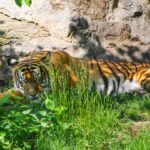
Top 6 Tiger Reserves to Visit in India for a Bucket-List Safari
05 Sep 2026
Top 30 Must-Visit Hill Stations in South India
01 Sep 2026


