 +919871148514
 info@memorableindia.com
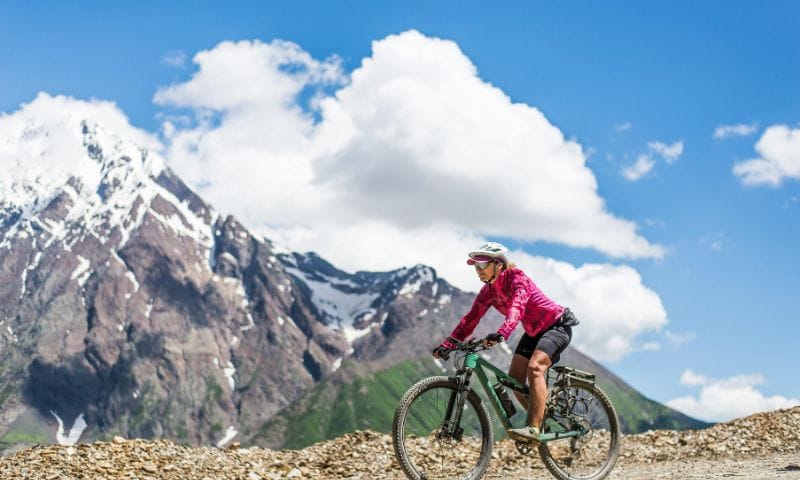
India is not the first country most international cyclists think of when planning a ride. That is a mistake. The geography here runs from sea-level coastlines to passes above 5,000 metres, through rainforests, deserts, tea plantations, and ancient fort-lined ridges. The road network, while uneven in quality, connects landscapes so varied that a single two-week cycling trip can cover terrain that would require visiting three or four separate countries elsewhere.
For travellers exploring India, the India tour packages that international tourists often overlook, cycling offers an intensity of experience that no air-conditioned coach can replicate. You feel the gradient changes, smell the spice plantations, hear village life unfold at a pace that matches your pedal stroke. This guide covers 15 of the best cycling routes in India, organised by region, with practical notes on difficulty, distance, and the best time to ride.
This is India’s most iconic cycling route. The 475-kilometre stretch crosses four major passes, including Baralacha La at 4,890 metres and Tanglang La at 5,328 metres. The terrain shifts from Manali’s green Kullu Valley through barren moonscapes and glacial streams into the high-altitude plateau of Ladakh. The ride typically takes 10 to 14 days, with acclimatisation stops essential. Best ridden between June and September. Suitable only for experienced, physically prepared cyclists.
Khardung La, at 5,359 metres, is among the highest motorable passes in the world. The descent into Nubra Valley, with its sand dunes and Bactrian camels at Hunder, is one of the most dramatic altitude drops a cyclist can experience in India. The round trip from Leh, including Pangong Lake via Chang La, covers roughly 350 kilometres over four to five days. Inner Line Permits are required. Best ridden June to September.
This route follows the old Hindustan-Tibet Road through Narkanda, Rampur, and Kalpa before climbing into the cold desert of Spiti Valley. The total distance is approximately 430 kilometres, with Kunzum La pass at 4,590 metres as the high point. Spiti’s Buddhist monasteries, including Tabo (over 1,000 years old) and Key Monastery, add cultural depth between riding days. Best attempted June to October. Allow 10 to 12 days.
An alternative to the Manali approach, this 434-kilometre route crosses Zoji La (3,528 metres), passes through Drass (one of the coldest inhabited places globally), and continues through Kargil to Leh. The gradients are generally less severe than the Manali route, but the road surface is rougher in stretches. Best ridden July to September.
A shorter Himalayan ride, this 200-kilometre route follows the Alaknanda River valley through Devprayag, Rudraprayag, and Ukhimath before climbing to Chopta at 2,700 metres, often called the “Mini Switzerland of India.” The ride takes four to five days and suits intermediate cyclists. Tungnath Temple, the highest Shiva temple in the world, is a short trek from Chopta. Best from March to June and September to November.
This 530-kilometre route crosses the heart of Rajasthan, from the lakeside refinement of Udaipur through Jodhpur’s blue-walled old city to the sandstone fortress of Jaisalmer on the edge of the Thar Desert. The terrain is flat to gently rolling, but heat management is critical. Stops at Kumbhalgarh Fort and Ranakpur’s Jain temple complex add architectural richness. Best ridden October to February. Allow seven to nine days. Memorable India’s Rajasthan tour packages can support cycling-inclusive itineraries with vehicle backup and accommodation along this corridor.
This approximately 600-kilometre route passes through Gujarat’s flat agricultural plains before climbing to Mount Abu, Rajasthan’s only hill station at 1,220 metres. From there, the ride descends through Aravalli terrain to Ajmer and Pushkar before reaching Jaipur. The route combines the best places to visit India for the first time for cyclists who want heritage alongside their riding. Allow eight to ten days. Best from November to February.
The 600-kilometre coastal route follows the Konkan Railway corridor through a landscape of palm-fringed beaches, fishing villages, tidal creeks, and laterite plateaus. The terrain is gently undulating with short, punchy climbs over coastal headlands. Stops at Ganpatipule, Tarkarli, and Gokarna break the ride into manageable segments. The finish in Goa rewards riders with beaches, Portuguese heritage architecture, and excellent seafood. Allow six to eight days. Best from October to March.
The East Coast Road (ECR) covers approximately 150 kilometres along the Bay of Bengal. This is India’s most accessible coastal cycling route: flat, well-paved, and lined with fishing villages, salt pans, and the occasional roadside temple. Mahabalipuram, with its 7th-century rock-cut temples and shore temple, sits midway and warrants a half-day stop. The ride can be completed in a single long day or a comfortable two-day outing. Suitable for beginners. Best year-round, though October to March is most comfortable.
This 110-kilometre route through Kerala’s Western Ghats passes through tea plantations, cardamom forests, and spice estates. The road climbs and descends through elevations between 900 and 1,600 metres, with hairpin bends offering views across the Idukki hills. Thekkady is the gateway to Periyar Wildlife Sanctuary. The ride takes two days at a comfortable pace. Kerala tour packages from Memorable India can incorporate this cycling segment into a broader backwaters-and-hills itinerary. Best from September to March.
Coorg’s rolling coffee plantations, pepper vines, and misty hills make for a visually rich riding experience. A circuit starting and ending in Madikeri, covering approximately 120 kilometres through Virajpet, Kakkabe, and Dubare, passes through plantation estates, forest reserves, and Tibetan settlements. The terrain is moderately hilly. Allow two to three days. Best from October to March.
This 140-kilometre route connects two of South India’s most important archaeological sites. Hampi’s boulder-strewn landscape and Vijayanagara ruins give way to the flat Deccan plateau before reaching Badami’s sandstone cave temples. The terrain is dry and largely flat, with manageable heat outside of summer. A culturally rich ride for history-oriented cyclists. Allow two to three days. Best from November to February.
The 80-kilometre climb from the plains at Siliguri to Darjeeling at 2,050 metres gains over 1,800 metres of elevation. The road follows the route of the Darjeeling Himalayan Railway (a UNESCO World Heritage Site) through tea gardens and forested switchbacks. It is a single-day ride for strong cyclists or a comfortable two-day ascent with an overnight in Kurseong. Best from March to May and October to December.
This is India’s most challenging northeastern cycling route. The 500-kilometre stretch climbs through Bhalukpong’s dense subtropical forests to the Sela Pass at 4,170 metres before descending to Tawang, home to India’s largest Buddhist monastery. The road is rough in sections, and landslides during the monsoon make timing critical. Inner Line Permits are mandatory for Arunachal Pradesh. Allow eight to ten days. Best from October to April. This route is among the best cycling routes in India for riders seeking genuinely remote, culturally distinct terrain.
A short but rewarding ride of approximately 55 kilometres, this route descends from Shillong (1,496 metres) to Cherrapunji through deep gorges, waterfalls, and living root bridges. The road drops steeply, making the return ride a serious climb. Nohkalikai Falls, India’s tallest plunge waterfall, is near Cherrapunji. The ride suits one day or a two-day outing with a night in Cherrapunji. Best from October to May, avoiding the peak monsoon.
Cycling in India requires more logistical awareness than riding in Western Europe or North America. Road conditions vary dramatically between national highways and rural state roads. Traffic density in and around cities is high, and riding etiquette on shared roads is different from what most international visitors are accustomed to.
For international tourists building an India travel itinerary 2 weeks long, incorporating a cycling segment of four to seven days into a broader trip is the most practical approach. A rider might spend the first week on a cultural circuit, perhaps a Golden Triangle tour covering Delhi, Agra, and Jaipur, before transitioning to a cycling segment in Rajasthan, Kerala, or the Himalayas.
A support vehicle is strongly recommended for routes above 3,000 metres and for any ride exceeding four days. The vehicle carries luggage, spare parts, water, and provides a safety net for mechanical breakdowns or altitude-related issues. Operators experienced in adventure tour packages can arrange vehicle backup, accommodation, permits, and local guides as part of a cycling-focused itinerary.
For those using this guide as part of an India trip planning guide foreigners rely on, a few essentials apply universally: carry a basic repair kit and spare tubes, hydrate aggressively (especially in Rajasthan and coastal routes), and plan daily distances conservatively to account for road surprises. Travel insurance covering adventure sports is non-negotiable for high-altitude routes.
Memorable India’s adventure tour packages and India tourism packages, complete with customized itineraries can integrate cycling into a broader trip framework. Whether you ride for three days in Kerala’s hills or two weeks across the Himalayas, the planning infrastructure makes the difference between a ride that works and one that falls apart at the first puncture on a remote mountain road. For a comprehensive starting framework, the India travel guide on Memorable India’s blog covers logistics, visa requirements, and regional planning advice relevant to active travellers.
What are the best cycling routes in India for beginners?
Chennai to Pondicherry (flat, well-paved, 150 kilometres), the Coorg circuit in Karnataka (moderately hilly, 120 kilometres), and Hampi to Badami (flat Deccan terrain, 140 kilometres) are all suitable for intermediate to beginner cyclists. These routes have manageable distances, predictable road surfaces, and comfortable overnight options.
When is the best time to cycle in India?
October to March is the most comfortable window across most of India. Himalayan routes (Manali to Leh, Shimla to Spiti, Srinagar to Leh) are best between June and September when passes are open. Coastal routes can be ridden year-round but are most pleasant outside the monsoon and peak summer months.
Do I need permits for cycling in Ladakh or Arunachal Pradesh?
Yes. Inner Line Permits are required for Ladakh’s inner areas (including Nubra Valley and Pangong Lake) and for all of Arunachal Pradesh. These should be arranged in advance through authorised channels. A tour operator experienced in adventure tour packages can handle permit logistics as part of the trip planning.
Can cycling be combined with other activities in an India tour package?
Absolutely. Many travellers build India tour packages that international tourists enjoy by combining a cycling segment with cultural sightseeing, wildlife safaris, or heritage city visits. A common approach is a week of cultural touring followed by four to seven days of cycling in a specific region.
Is it safe for international tourists to cycle in India?
With proper planning, yes. A support vehicle, reliable equipment, travel insurance, and local route knowledge significantly reduce risk. Avoiding cycling in urban traffic, riding during daylight hours, and using a knowledgeable operator for logistics are practical safety measures. High-altitude routes require additional preparation for altitude sickness and extreme weather.
How do I plan a two-week India trip that includes cycling?
An India travel itinerary 2 weeks long can pair a cultural circuit (Golden Triangle, Kerala backwaters, or Rajasthan heritage) with a four-to-seven-day cycling segment. Operators like Memorable India can design a customized itinerary that transitions between touring and riding, managing transport, accommodation, and support logistics across both phases.
15 Amazing Temple Fairs in India: A Traveller’s Guide to Faith, Colour and Living Tradition
30 Sep 2026
13 Best Places to Explore in the Youngest State of Telangana
29 Sep 2026
12 Less Explored Destinations in Maharashtra Worth Adding to Your Travel List
28 Sep 2026
11 Must-Visit Museums in India for Wildlife Lovers
27 Sep 2026
11 Best Places in India to Celebrate Christmas
26 Sep 2026


