 +919871148514
 info@memorableindia.com
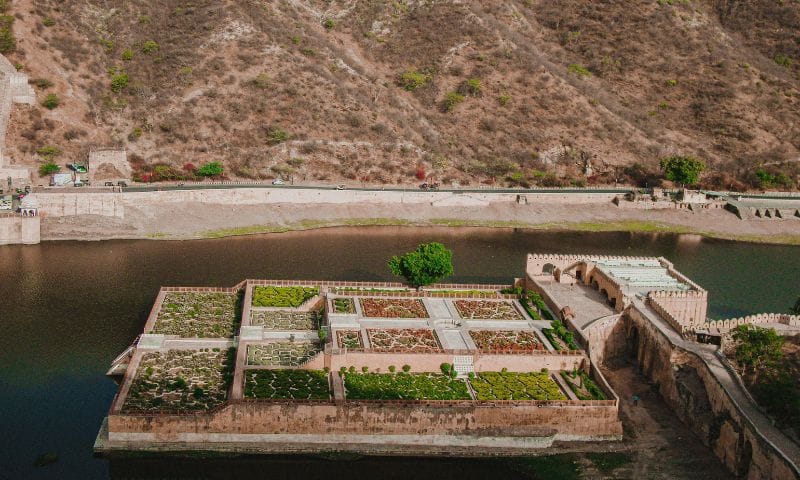
India’s relationship with gardens runs centuries deep. Mughal emperors transformed arid plains into geometric water gardens modelled on Persian visions of paradise. British colonists established vast botanical collections to catalogue the subcontinent’s plant diversity. Regional rulers from Mysore to Rajasthan commissioned palace gardens that reflected local ecology and royal ambition. The result, spread across 28 states and nearly every climate zone, is one of the richest garden landscapes anywhere in the world.
For travellers building India tour packages, international tourists tend to focus on forts and temples, but gardens offer a quieter, equally rewarding dimension. They are living museums of horticultural history, biodiversity, and landscape design. This guide covers 15 of the most beautiful gardens in India, organised by region, with notes on what makes each worth a visit.
Built by Mughal Emperor Jahangir in 1619 for his wife, Empress Nur Jahan, Shalimar Bagh sits on the northeastern shore of Dal Lake. The garden is arranged across three terraces, each rising slightly above the last, with a central water channel connecting fountains and cascading pools. Chinar trees, some centuries old, line the terraces and turn copper-gold in autumn. The top terrace was historically reserved for the emperor and royal women. Spring, when tulips and irises bloom against the Dal Lake backdrop, is the most spectacular season to visit. Shalimar Bagh is about 15 kilometres from Srinagar city centre.
Often paired with Shalimar Bagh in a single visit, Nishat Bagh (the Garden of Joy) was laid out in 1633 by Asif Khan, brother of Nur Jahan. It is the largest Mughal garden in Kashmir, with 12 terraces representing the 12 zodiac signs. The garden steps up from the lake shore toward the Zabarwan Mountains, with each terrace offering a progressively wider view. Water flows through the central channel from a natural mountain spring. Autumn and spring are equally rewarding here.
Designed by Sir Edwin Lutyens in 1917, this 15-acre garden within the Presidential Estate blends Mughal geometry with English flower-garden aesthetics. The garden hosts hundreds of rose varieties, seasonal tulip beds, and a bonsai collection. It opens to the public annually during the Udyanotsav festival, typically from February to March, when the spring blooms are at their peak. Entry requires advance booking. A visit pairs naturally with a Delhi day tour covering the city’s other landmarks.
Located at the foothills of the Shivalik range, about 22 kilometres from Chandigarh, Pinjore Gardens were built in the 17th century by Fidai Khan, the foster brother of Mughal Emperor Aurangzeb. The garden descends in seven terraces, each connected by water channels, with pavilions and orchards between levels. The Mughal and Rajasthani architectural blend sets it apart from the Kashmir gardens. Mango and litchi orchards surrounding the formal sections add a distinctly North Indian flavour. Best visited between October and March.
The oldest Mughal garden in India, Ram Bagh sits along the Yamuna River about three kilometres from the Taj Mahal. Originally laid out by Emperor Babur in 1528, it follows the classic chaharbagh (four-quadrant) plan that would later influence the Taj Mahal’s own garden design. The garden is less manicured than its Kashmiri counterparts, which gives it a quieter, more contemplative feel. It combines well with Agra’s monument circuit for travellers exploring the best places to visit India for the first time on a heritage-focused itinerary.
Built in 1932 alongside the Krishnaraja Sagar Dam on the Kaveri River, Brindavan Gardens are one of India’s most visited landscaped attractions. The terraced layout features symmetrical lawns, ornamental flower beds, and a musical fountain that runs evening illuminated shows. The gardens span approximately 60 acres. The combination of engineering (the dam) and formal horticulture gives Brindavan a character quite different from historical Mughal gardens. Best visited between September and January.
Built in the 18th century by Maharana Sangram Singh for the royal ladies of the court, this intimate garden in Udaipur features marble fountains, lotus pools, kiosks, and a rain fountain designed to simulate monsoon rainfall. The garden is small but exquisitely detailed, reflecting the precision of Rajput garden design. It sits within easy reach of Udaipur’s City Palace and Lake Pichola. Rajasthan tour packages from Memorable India routinely include Udaipur, making it simple to incorporate Saheliyon ki Bari into a broader heritage circuit.
Established in 1880 during British rule and named after Queen Victoria, this 39-acre garden sits in the heart of Pune. It combines a well-maintained botanical collection with a zoo and a snake park. The garden’s mature canopy of rain trees, palms, and flowering species makes it one of the most pleasant green spaces in western India. It is open year-round and serves as a practical half-day stop for travellers passing through Pune.
Though not a garden in the botanical sense, Nek Chand’s 40-acre creation deserves a place on any list of India’s most remarkable green spaces. Built secretly by road inspector Nek Chand Saini starting in 1957 from recycled urban waste, the garden features sculptures, waterfalls, amphitheatres, and walkways made entirely from discarded materials. Mosaic figures crafted from broken bangles, electrical fittings, and ceramic shards fill interconnected courtyards. It is one of the most visited sites in India and an extraordinary example of outsider art meeting landscape design.
Founded in 1760 by Hyder Ali and later expanded by his son Tipu Sultan with assistance from French horticulturists, Lalbagh covers 240 acres in central Bengaluru. The garden holds one of Asia’s largest collections of tropical and subtropical plants, with over 1,800 species. The Glass House, modelled on London’s Crystal Palace, hosts biannual flower shows that draw enormous crowds. A centuries-old rock formation within the garden is among the oldest exposed geological features in the Deccan. Lalbagh pairs well with a broader South India tour covering Karnataka and Kerala.
Established in 1848, this 55-acre garden sits at approximately 2,240 metres in the Nilgiri Hills. The collection includes over 650 plant species, with sections dedicated to ferns, orchids, roses, and a fossilised tree trunk estimated to be 20 million years old. The Italian-style terracing and the annual flower show (held in May) are highlights. Ooty’s colonial-era botanical infrastructure reflects the British hill station tradition of scientific plant collection in a temperate Indian setting.
Less known to international visitors, the Brief Garden near Kalady in Ernakulam district is a private estate converted into a sculpture garden by Sri Lankan artist Bevis Bawa. The three-acre property blends tropical planting with art installations set among frangipani, heliconia, and water features. It offers an experience quite unlike any formal garden in India. Kerala tour packages can include a Kalady stop alongside the state’s backwaters and hill station circuits for travellers interested in nature tour packages with an artistic dimension.
Founded in 1787 by Colonel Robert Kyd, this is one of the oldest botanical gardens in Asia. Its most famous resident is the Great Banyan Tree, a single specimen whose aerial roots cover a canopy area of approximately 1.5 hectares, making it one of the largest trees in the world by canopy coverage. The garden holds around 12,000 living plant specimens across 270 acres. It sits across the Hooghly River from central Kolkata and is reachable by ferry.
Located near Kaziranga National Park, this garden showcases over 500 species of orchids alongside bamboo groves, fern collections, and medicinal plant sections. It is a relatively new addition to India’s garden landscape but stands out for its focus on Northeast Indian biodiversity. A visit combines well with a Kaziranga wildlife safari, making it a strong option for travellers building India tourism packages complete with both nature and cultural experiences in the Northeast.
Sikkim’s capital hosts one of India’s finest orchid collections, with nearly 450 species displayed across a terraced hillside garden. The orchidarium sits at an altitude of about 1,500 metres, and the surrounding views of Kanchenjunga on clear days add a Himalayan backdrop to the botanical experience. Peak bloom is between April and May, coinciding with Sikkim’s most comfortable travel season. The orchidarium is a half-day visit that fits within a broader Sikkim or Darjeeling circuit.
India’s gardens are spread across every major region, which means no single trip can cover all 15 in one go. The most practical approach is to cluster garden visits within a regional itinerary and combine them with nearby heritage or nature experiences.
An India travel itinerary 2 weeks long could pair the Mughal gardens of Srinagar with a Delhi stop (covering the Rashtrapati Bhavan garden and a city sightseeing tour), then extend south to Agra for Ram Bagh and the Taj Mahal. Alternatively, a South India circuit through Bengaluru, Mysuru, Ooty, and Kerala covers four gardens alongside backwaters, wildlife, and hill stations.
For international visitors using this as part of an India trip planning guide foreigners find useful, the key logistical consideration is seasonal timing. Northern gardens (Kashmir, Delhi, Chandigarh) are best between March and November. Southern and eastern gardens are comfortable year-round but peak during flower show seasons. Kerala’s tropical gardens work best from September to March.
Nature tour packages from operators like Memorable India can weave garden visits into broader cultural and wildlife itineraries without treating them as standalone excursions. Memorable India’s adventure tour packages and customizable India tour packages cater to travellers who want to combine gardens with heritage forts, spiritual sites, or hill station retreats across a single well-paced trip.
For a comprehensive framework covering visas, regional planning, and itinerary structure, the India travel guide on Memorable India’s blog is a practical starting resource. The existing gardens blog on the site also provides deeper botanical and historical context for several of the entries on this list.
Shalimar Bagh and Nishat Bagh in Srinagar, the Mughal Garden at Rashtrapati Bhavan in Delhi, Lalbagh Botanical Garden in Bengaluru, and the Government Botanical Garden in Ooty are among the most visited. Each offers a different horticultural tradition, from Mughal geometry to colonial-era botanical science, making them strong additions to India tour packages international tourists build around heritage and nature.
Northern gardens (Kashmir, Delhi, Chandigarh, Agra) are best from March to November, with spring bloom seasons in March and April being peak. Southern gardens are comfortable year-round but host major flower shows between January and May. Kerala’s tropical gardens are best from September to March.
Yes. An India travel itinerary 2 weeks long can comfortably include three to five garden visits alongside monuments, wildlife, and cultural experiences. Clustering gardens within a single region (Kashmir’s Mughal trio, South India’s Lalbagh-Brindavan-Ooty corridor) is the most efficient approach.
Operators like Memorable India design customized nature tour packages that combine garden visits with wildlife sanctuaries, hill stations, and backwater experiences. A Kerala-plus-Karnataka circuit, for instance, can cover Lalbagh, Brindavan Gardens, and Brief Garden alongside Periyar Wildlife Sanctuary and Kerala’s backwaters.
Brindavan Gardens (musical fountain shows), Nek Chand Rock Garden (interactive sculptures and walkways), Lalbagh (flower shows and open spaces), and the Indian Botanic Garden in Howrah (the Great Banyan Tree) are all engaging for children. These gardens combine visual spectacle with space for walking and exploration.
Most gardens charge nominal entry fees ranging from a few rupees to a modest amount for international visitors. Rashtrapati Bhavan’s Mughal Garden requires advance online booking during its limited annual opening window. Lalbagh and the Indian Botanic Garden in Howrah have low entry fees and are open throughout the year.

20 Best Hill Stations in Uttarakhand for Family Vacation, Corporate Trips, Nature Lovers & Adventure
26 Aug 2026
15 Best National Parks and Wildlife Sanctuaries in North East India
25 Aug 2026
16 Best Romantic Hill Stations in India for Honeymoon Holidays
23 Aug 2026
Top 30 Must-See Forts and Palaces in Rajasthan
21 Aug 2026
Top 30 Krishna Temples in India: A Complete Pilgrim and Traveller Guide
21 Aug 2026


