 +919871148514
 info@memorableindia.com
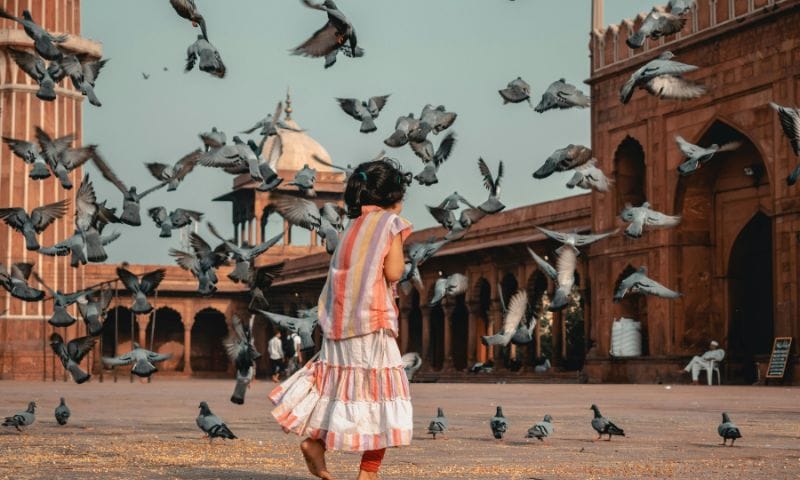
India with children is entirely possible, frequently rewarding, and occasionally exhausting in ways that no amount of planning fully prevents. The country’s sensory density, the noise, the heat, the crowds, the smells, the colours, registers differently when you are managing it through the eyes of a six-year-old or navigating it with a toddler on your hip. But that same density is precisely what makes India a powerful destination for families. Children notice things adults filter out: the painted elephants in Jaipur, the monkeys at Hanuman temples, the chai vendor’s whistle, the patterns on a woman’s sari.
The difference between a family India trip that works and one that unravels usually comes down to logistics rather than destination choice. Hygiene, pacing, transport, food, and accommodation decisions carry more weight when children are involved. Get those right, and India delivers experiences that most family-friendly resorts simply cannot match.
Here are 12 tips drawn from practical realities rather than travel brochure optimism.
The single most common mistake families make in India is trying to see too much. A seven-city itinerary in ten days sounds feasible on paper but collapses in practice when you factor in a child’s tolerance for car rides, heat, and consecutive monument visits. Aim for no more than two destinations per week, with at least one full rest day between travel days.
For a two-week family trip, three or four cities is realistic. The Golden Triangle (Delhi, Agra, Jaipur) plus one relaxation segment, either a beach in Goa or Kerala’s backwaters, is a well-tested formula that balances cultural sightseeing with downtime.
The 10-day India itinerary provides a pacing template that can be adapted for families.
Stomach trouble is the most likely health issue your family will face, and it is largely preventable. Drink only bottled or purified water and check the seal before opening. Use bottled water for brushing teeth as well. Avoid ice in drinks unless you are at a reputable hotel or restaurant that uses filtered ice.
For younger children, carry a portable water purifier or UV sterilisation pen as backup. Wash hands frequently with soap or hand sanitiser, particularly before meals and after visiting public places. These precautions sound basic, but consistent application is what keeps families healthy across a multi-week trip.
Indian pharmacies stock most medications, but finding a specific brand at 10 PM in a small Rajasthani town with a feverish child is not a situation you want to improvise. Pack paracetamol (both adult and child dosages), oral rehydration salts (ORS), anti-diarrhoeal medication, antihistamines, insect repellent with DEET, adhesive bandages, antiseptic cream, sunscreen (SPF 50+), and any prescribed medications your child takes regularly.
Consult your paediatrician four to six weeks before departure about recommended vaccinations. Hepatitis A, Typhoid, and up-to-date routine vaccinations are commonly advised. Carry a printed summary of your child’s medical history and any allergies.
The packing essentials guide for India includes a detailed medical and general packing checklist.
Hotels and resorts in India range from basic guesthouses to heritage palaces with swimming pools and garden grounds. For families, the mid-range to upper tier of this spectrum makes a material difference. Look for properties that offer interconnecting rooms or family suites, on-site dining (critical for late-night hunger), a pool (children’s downtime essential in a hot climate), and laundry service.
In Rajasthan, heritage hotels with courtyards and open spaces give children room to move between sightseeing blocks. In Kerala, houseboat stays are a hit with children of all ages, provided you choose a boat with adequate safety railings. In wildlife destinations like Ranthambore, several resorts offer nature walks and child-specific safari briefings.
For accommodation ideas in wildlife areas, the family-friendly Ranthambore hotels guide covers properties with pools, open grounds, and kid-friendly features.
India’s domestic flight network connects major cities affordably, and flights between Delhi, Jaipur, Goa, Kochi, and Mumbai are frequent and short (one to two hours). For intercity road journeys, a private car with a driver is the most practical option for families. It allows flexible stops for bathroom breaks, snacks, and the inevitable “are we there yet” moments.
Trains are an experience in themselves, but reserve air-conditioned classes (AC 2-Tier or AC 3-Tier) for overnight journeys with children. The berths fold down into sleeping bunks, and the gentle rocking motion often helps younger children sleep. Avoid general unreserved compartments with kids.
Indian food is among the most flavourful in the world, and most children adapt to it faster than parents expect. Start with milder dishes: plain rice, dal (lentil soup), roti (flatbread), paneer (cottage cheese), and fresh fruit. Butter chicken and mild kormas are usually well received. Avoid raw salads, unpeeled fruit, and street food stalls with questionable hygiene standards during the first few days until stomachs adjust.
Hotel restaurants and established restaurants in tourist areas maintain higher food safety standards. Carry a stash of familiar snacks from home, such as crackers, granola bars, and dried fruit, for moments when local options are limited or mealtimes are delayed.
India has no shortage of child-friendly experiences, but you need to select destinations that hold their attention beyond the first ten minutes. Wildlife safaris in Ranthambore or Jim Corbett National Park give children a tangible mission: spotting tigers, deer, and crocodiles. Jaipur’s Amber Fort, with its mirror-lined rooms and hilltop ramparts, feels like a real-life castle. Kerala’s backwater houseboats turn an entire day into an adventure. Goa’s beaches offer unrestricted running, sandcastle building, and water play.
Varanasi’s boat ride on the Ganges and Delhi’s Qutub Minar are visually striking enough to hold older children’s interest. For younger children, spacing out monument visits with interactive breaks, a cooking class, a pottery workshop, or an hour at a hotel pool, prevents the “temple fatigue” that can derail an otherwise good day.
For seasonal family destination ideas, the kid-friendly summer destinations in India covers 13 destinations with child-specific activity recommendations.
India’s heat can be aggressive, particularly in Rajasthan and central India between March and June, where daytime temperatures regularly exceed 40 degrees Celsius. Children dehydrate faster than adults and are more susceptible to heat exhaustion. Schedule outdoor sightseeing for early morning (before 10 AM) and late afternoon (after 4 PM). Use the midday hours for indoor activities, hotel pools, or rest.
Apply high-SPF sunscreen every two hours during outdoor exposure, ensure children wear hats and sunglasses, and carry a refillable water bottle for constant hydration. Light, loose-fitting cotton clothing in light colours helps regulate body temperature.
India’s dress codes are generally relaxed for tourists, but visiting religious sites requires modest clothing for adults and children alike. Shoulders and knees should be covered at temples, mosques, and gurudwaras. Carry a light scarf or shawl that can double as a cover-up and a sun shield.
For everyday wear, breathable cotton and linen are ideal. Pack quick-dry fabrics if your itinerary includes water activities. Comfortable walking shoes with closed toes are better than sandals for fort visits and uneven terrain. In hill stations or during winter months in North India, a warm layer and a windproof jacket will be needed.
A local Indian SIM card (available from Airtel or Jio at most airports) gives you affordable data for maps, translation apps, and communication. Carry photocopies of all passports, visas, travel insurance documents, and hotel confirmations in a separate bag from the originals. A digital backup stored in cloud email is an additional safety net.
Download offline maps (Google Maps allows this) for cities where mobile data may be unreliable. If your child has any medical conditions or allergies, carry a laminated card with the relevant details in English and Hindi.
The India travel guide for tourists covers SIM cards, currency, language tips, and regional connectivity in detail.
Coordinating hotels, drivers, domestic flights, guides, and safari bookings across four or five cities is manageable for seasoned independent travellers but draining for parents simultaneously managing children. A reputable tour operator handles the logistical load and provides a safety net when things go sideways: a cancelled flight, a hotel overbooking, or a child who needs a doctor at midnight.
The value of an operator increases in proportion to the complexity of the itinerary and the age of the children. Families with toddlers or very young children benefit most from having someone else manage the timing, transitions, and contingencies.
Memorable India’s family holiday packages are customisable by pace, accommodation level, and child-specific activity preferences.
India is intense, and a child who arrives without any context may find the noise, crowds, and unfamiliar food overwhelming in the first 48 hours. A little preparation goes a long way. Show them photos and short videos of the places you will visit. Read age-appropriate books about India. Talk about the food, the languages, and the animals they might see.
Set realistic expectations: there will be long drives, early mornings, and moments of discomfort. But there will also be elephants, colourful markets, boat rides, and food they have never tasted. Children who arrive with some mental framework for what India looks and sounds like adjust faster and enjoy more.
Travelling to India with children is not about removing every variable that could cause discomfort. It is about managing the controllable factors, hygiene, pacing, accommodation, and transport, well enough that the uncontrollable factors, the spontaneous encounters, the unexpected kindness of strangers, the moments that make travel worthwhile, have space to happen. India does not do “smooth and predictable” particularly well. But it does “memorable” better than almost anywhere.
If you are planning a family trip to India and want the logistics handled by a team that understands family travel, get in touch with Memorable India’s travel specialists.
Children of any age can travel to India, but the experience differs significantly by age group. Toddlers (under three) require the most logistical preparation: nappies, formula, sterilisation equipment, and a slower pace. Children aged four to eight adapt well to India’s visual and sensory richness with appropriate rest days built in. Children above eight can engage meaningfully with the history, food, and cultural experiences that define the trip.
Freshly cooked hot food from reputable restaurants and hotels is the safest option. Plain rice, dal, roti, boiled or steamed vegetables, paneer dishes, mild curries, and fresh seasonal fruit (peeled) are all safe and well tolerated by most children. Avoid raw salads, tap water, unpasteurised dairy, and street food from vendors with poor hygiene practices until your child’s stomach has adjusted.
India is safe for families with standard travel precautions. Tourist-frequented cities and destinations have well-developed infrastructure for visitors. Use registered transport, stay in established hotels, and keep children close in crowded areas. Indians are generally warm and welcoming toward families with children, and you will often find locals going out of their way to help.
Travel during the cooler months (October to March) whenever possible. During hot weather, schedule outdoor activities for early morning and late afternoon. Keep children hydrated with bottled water and electrolyte drinks. Use high-SPF sunscreen, hats, and loose cotton clothing. Hotels with swimming pools provide essential midday breaks from the heat.
Recommended vaccinations include Hepatitis A, Typhoid, and up-to-date routine childhood vaccinations (MMR, DPT, Polio). Some travel health advisories also recommend Hepatitis B and Japanese Encephalitis depending on the regions visited. Consult your paediatrician at least four to six weeks before departure for personalised advice.
Rajasthan (Jaipur’s forts and palaces), Kerala (backwater houseboats and wildlife), Goa (beaches), Ranthambore (tiger safaris), and Shimla/Manali (hill stations with outdoor activities) are consistently rated as the most engaging destinations for children. Each offers a mix of visual stimulation, physical activity, and manageable logistics for families.
20 Best Hill Stations in Uttarakhand for Family Vacation, Corporate Trips, Nature Lovers & Adventure
26 Aug 2026
15 Best National Parks and Wildlife Sanctuaries in North East India
25 Aug 2026
16 Best Romantic Hill Stations in India for Honeymoon Holidays
23 Aug 2026
Top 30 Must-See Forts and Palaces in Rajasthan
21 Aug 2026
Top 30 Krishna Temples in India: A Complete Pilgrim and Traveller Guide
21 Aug 2026


