 +919871148514
 info@memorableindia.com
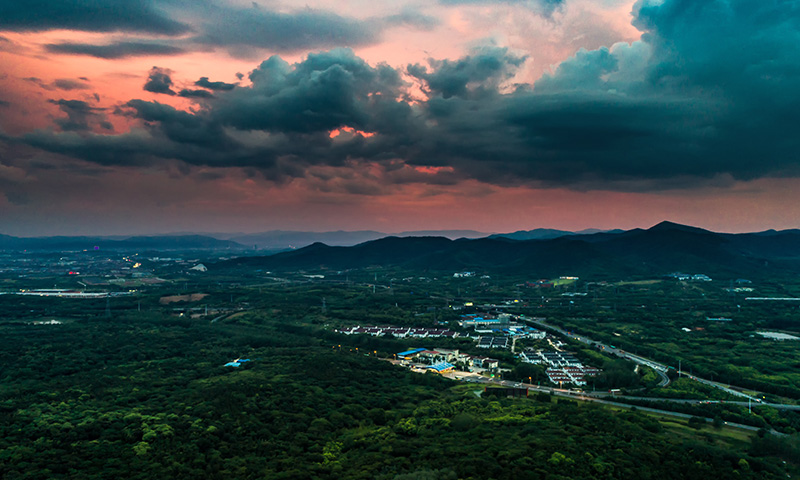
The Northeast of India is unlike any other part of the country. Seven states, often called the Seven Sisters, plus Sikkim, sit tucked between the Eastern Himalayas, the Brahmaputra plains, and borders shared with Bhutan, China, Myanmar, and Bangladesh. The landscape shifts from Assam’s tea estates to Arunachal Pradesh’s snow draped passes within a few hours of driving, and the cultural mix changes just as quickly. For a first time visitor, that variety is thrilling and slightly overwhelming.
Planning a trip here is not quite the same as planning one for Rajasthan or Kerala. Road conditions, permit requirements, weather windows, and connectivity vary from state to state, and small oversights can turn a well paced itinerary into a stressful scramble. The twelve Northeast India travel tips that follow come from years of planning tours for travellers of every age and style, and they are meant to save you time, money, and a few avoidable headaches.
The Northeast does not have a single travel season. The region covers eight states, and weather patterns can differ by hundreds of kilometres and thousands of metres in elevation. October to April works well for most of Assam, Meghalaya, Nagaland, Mizoram, Tripura, and Manipur, with clear skies and comfortable temperatures. Arunachal Pradesh and Sikkim open up differently; higher passes like Tawang or Nathu La close during peak winter due to snow, so March to May and September to November are usually safer windows.
The monsoon between June and September turns Meghalaya into one of the wettest places on Earth, which is spectacular if you want to see Cherrapunji in full force but difficult for long drives. If festivals matter to you, align your trip with the Hornbill Festival in December or the Ziro Music Festival in September.
Several Northeast states require entry permits for Indian and foreign travellers, and this is the single most common oversight we see. Indian citizens need an Inner Line Permit (ILP) for Arunachal Pradesh, Nagaland, and Mizoram. Foreign nationals need a Protected Area Permit (PAP) for these states, and in some cases Restricted Area Permits for Sikkim.
Most ILPs can be applied for online through state portals such as the Arunachal Pradesh ILP portal, usually within a few working days. Assam, Meghalaya, Tripura, and Manipur do not require ILPs for Indian citizens, but foreign nationals must register at the Foreigners Regional Registration Office in some districts. Carry physical and digital copies, since remote checkposts may not have internet connectivity. A missing permit at a border checkpoint can mean an eight hour detour, so this is a step worth getting right the first time.
Google Maps estimates in the Northeast are often optimistic. A 150 kilometre stretch between Guwahati and Shillong looks like a three hour drive on paper and often runs closer to four and a half once you factor in truck traffic, hairpin bends, and construction work. Routes like Dirang to Tawang in Arunachal Pradesh or Lachung to Yumthang in Sikkim can stretch even longer during peak season.
Rather than cramming four cities into a week, pick two or three regions and give each the time it deserves. A typical first time itinerary might cover Guwahati, Kaziranga, and Shillong across seven to eight days. If you have ten days, add Cherrapunji and Mawlynnong. Attempting to see Tawang, Kaziranga, and Gangtok in a single week usually ends with half the trip spent inside a vehicle.
Within the same day you can walk through a humid tea estate in lower Assam, climb a chilly hilltop in Shillong, and settle into near freezing temperatures in Tawang. Layering is the simplest way to handle this. A base layer, a mid weight fleece, and a waterproof outer shell will cover most situations.
Also pack:
If you are travelling in winter months, add thermals and a thick jacket for Arunachal Pradesh and Sikkim. Avoid overpacking since most hill roads involve some manual loading and unloading of luggage at hotels.
UPI and card payments work smoothly in state capitals like Guwahati, Shillong, Gangtok, and Imphal, but once you move into smaller towns and villages the picture changes. ATMs in places like Ziro, Mon, or Yuksom can be out of cash or offline for days, and homestays, local guides, and village markets often prefer cash.
A reasonable approach is to carry enough rupees for roughly three to four days of travel at any point, and refill from larger towns as you move. Keep smaller denominations handy for tips, local transport, and entrance fees at monasteries or community run attractions. International travellers should exchange currency in Guwahati or Kolkata before heading further east, as money changers are rare beyond the main cities.
The Northeast is home to more than 200 distinct tribal communities, each with its own language, dress, cuisine, and social customs. What is normal in one village may be inappropriate in the next. In many Naga and Mizo villages, for instance, elders are greeted first and photography inside homes or during ceremonies may require explicit permission.
Simple courtesies go a long way:
In Arunachal Pradesh and Sikkim, Buddhist monasteries follow specific etiquette around circumambulation direction and silence. A quick conversation with your local guide before entering any community space usually prevents awkward moments and shows genuine respect.
Mobile coverage in the Northeast is improving every year, but it is still inconsistent in remote areas. Jio and Airtel generally offer the widest coverage, while BSNL often works best in border districts like Tawang, Mon, or Dzukou Valley.
If you rely on a specific network for work or payments, carry a backup SIM. Foreign nationals should pick up an Indian SIM in Delhi, Kolkata, or Guwahati since activation in smaller towns can be slow due to additional verification requirements in sensitive zones. Download offline Google Maps for your routes, keep a few WhatsApp numbers of hotels and drivers saved offline, and let family know your rough itinerary. Satellite phones are not permitted in several Northeast states, so avoid carrying them.
The Northeast has limited quality accommodations compared to its growing visitor numbers. Boutique stays in Cherrapunji, forest lodges around Kaziranga, and heritage properties in Majuli or Pelling book out weeks or months in advance during October to April and festival periods.
Homestays are often the most rewarding way to experience the region, particularly in Nagaland, Meghalaya, and Arunachal Pradesh. Many are family run, serve local meals, and are the only accommodation options in smaller villages. Reserve through verified platforms or trusted tour operators, and confirm bookings in writing. For a smoother experience across multiple states, our curated Northeast India tour packages handle logistics, permits, and stays as a single itinerary, which saves considerable planning time.
Northeast cuisine is one of the region’s biggest highlights, with each state offering distinct flavours shaped by local produce, fermentation techniques, and Southeast Asian influences. Try Assamese thali with aloo pitika and masor tenga, Khasi favourites like jadoh and dohneiiong, Naga smoked pork with bamboo shoot, and Sikkimese momos with sel roti.
Fermented ingredients, bamboo shoot, and raja mircha (ghost pepper) feature prominently in several cuisines, and spice levels can catch first time visitors off guard. Pace yourself, drink bottled or filtered water, and ease into bolder flavours over a few meals. Vegetarian options are available almost everywhere, though menus may be more limited in tribal areas. Most reputable homestays will happily customise meals if you share your preferences in advance.
Several destinations in the Northeast sit above 2,500 metres, including Tawang, Sela Pass, Nathu La, and parts of North Sikkim. Altitude sickness is a real concern for travellers who ascend quickly. Allow at least one acclimatisation day before heading higher, drink plenty of water, and avoid alcohol on the day of ascent. The US CDC altitude guidance offers useful background on symptoms and medications like Diamox for anyone with a history of breathlessness.
Mosquito borne illnesses can occur in lower areas like Kaziranga and Majuli during warmer months. Pack repellent, consider long sleeves at dusk, and keep basic first aid supplies with you. Carry a small kit with pain relievers, oral rehydration salts, antihistamines, and personal prescriptions. Travel insurance that covers evacuation from remote areas is worth considering, especially for Arunachal Pradesh and Sikkim’s higher reaches.
Self driving in the Northeast is possible but rarely advisable for first time visitors. Road conditions change rapidly, signage can be sparse, and local knowledge of landslide prone stretches, festival detours, and permit checkpoints often makes the difference between a smooth day and a stuck one. Experienced local drivers also know which roadside dhabas serve clean food and which fuel stations are reliable.
A local guide adds another layer, particularly in Nagaland, Meghalaya, and Arunachal Pradesh, where language, history, and tribal context make a significant difference to what you actually see. Many of the best drivers and guides are booked through tour operators well in advance of peak season. If you prefer to curate your own trip but want logistical support, our India travel guide offers planning insights worth bookmarking.
The Northeast is ecologically and culturally fragile. Rapid tourism growth has already strained destinations like Cherrapunji, Dzukou Valley, and parts of Sikkim. Small choices add up. Carry a refillable water bottle, say no to single use plastics, and dispose of waste only in designated bins or carry it back with you. Support community run homestays and local artisans rather than mass market chains. In wildlife areas like Kaziranga National Park and Manas, follow jeep safari protocols and keep a respectful distance from animals.
If you visit sacred groves in Meghalaya or religious sites in Sikkim, follow local guidance on what can be touched or photographed. Responsible travel is not an abstract idea here; it directly affects whether these places remain viable for the communities who call them home.
The Northeast rewards travellers who plan with care and travel with curiosity. Getting the permits sorted, pacing the itinerary realistically, and respecting local customs will transform a logistically tricky region into one of the most memorable trips you will ever take. The combination of unspoiled landscapes, warm hospitality, and distinct cultures is genuinely rare in India today.
If you prefer a well structured itinerary without the planning overhead, explore our handcrafted Northeast India holiday packages tailored for seniors, families, couples, and solo travellers. Our team handles permits, stays, and transport so you can focus on the experience itself. For wildlife enthusiasts, our Kaziranga wildlife tours pair the national park with cultural stops across Assam and Meghalaya.
October to April works for most of the Northeast, with clear weather and pleasant temperatures. For higher altitude destinations like Tawang and North Sikkim, aim for March to May or September to November to avoid peak winter road closures. The monsoon between June and September is spectacular in Meghalaya but difficult for long drives.
Indian citizens need an Inner Line Permit (ILP) for Arunachal Pradesh, Nagaland, and Mizoram. Foreign nationals need a Protected Area Permit (PAP) for these states and parts of Sikkim. Assam, Meghalaya, Tripura, and Manipur do not require ILPs for Indian citizens. Most permits can be applied for online through the respective state tourism portals.
A single trip rarely covers all eight states comfortably. Seven to eight days works well for Assam, Meghalaya, and Kaziranga. Ten to twelve days allows you to add Arunachal Pradesh or Sikkim. Covering the full region in one visit usually takes three weeks or more and significant backtracking.
The Northeast is generally considered one of the safer regions in India for solo travellers, including women. Common sense precautions apply, such as travelling in daylight when possible, booking vetted accommodations, and sharing your itinerary with family. Local communities are typically welcoming and protective of visitors.
Assam is the most common starting point since Guwahati has the region’s largest airport and best connectivity to the rest of India. From Guwahati, you can easily extend to Meghalaya, Arunachal Pradesh, or Nagaland by road, and reach Sikkim through Bagdogra airport in neighbouring West Bengal.
Avoid carrying satellite phones, since they are restricted in several states. Do not photograph people, ceremonies, or religious sites without permission. Skip plastic bottles and single use packaging where possible. Avoid planning unrealistic multi state itineraries that leave no time to actually experience each destination.
12 Top Tourist Destinations in Jammu and Kashmir for a Memorable 2026 Trip
13 Oct 2026
12 Tips to Remember Before Holidaying in the Northeast Indian States
11 Oct 2026
10 Things to Do on a Family Vacation in Shimla, Himachal Pradesh
09 Oct 2026
10 Days in India: Where to Go and What to See
05 Oct 2026
10 Best Places in North India for Corporate Outings to Recharge and Build Team Spirit
01 Oct 2026


