 +919871148514
 info@memorableindia.com
Ten days in India is the sweet spot. It is long enough to see something meaningful, short enough to keep you from burning out. The real challenge is not finding places worth visiting, it is choosing which version of India you want to experience. This country changes character every few hundred kilometres. Mughal cities, Rajput forts, Himalayan monasteries, Keralan backwaters, coastal towns, and tiger country are all possible in ten days, but not all at once.
This guide helps you decide where to go, what to see, and how to shape your 10-day India itinerary around your interests, pace, and travel style. You will find four tested routes, planning rules that save time and money, and clear answers to the questions most first-time visitors ask. The suggestions here are grounded in how real travellers plan India, not in generic listicles. If this is your second or third visit, use the same framework to go deeper into one region you have only passed through before.
Before locking any itinerary, settle three things.
A balanced plan usually blends one or two cities, one nature or wildlife stop, and one slow experience such as backwaters, deserts, or a hill retreat. Keep at least two days for travel and rest. For curated starting points shaped around this logic, our India tour packages list region-wise options you can adapt. This page is useful when you want to compare routes side by side before contacting a planner.
India is layered, and no single trip covers it all. Pick a region that matches what you want to feel, not just see.
The Golden Triangle of Delhi, Agra, and Jaipur remains the most popular first-time route, and for good reason. In 10 days, you can comfortably extend it to Varanasi, Ranthambore, or Udaipur. The region packs Mughal monuments, royal palaces, spiritual riverfronts, and some of the most recognisable landmarks in the country, including the Taj Mahal, a UNESCO World Heritage Site. For planning depth, our Golden Triangle tours break down the classic circuit with worthwhile extensions.
If forts, folk music, and desert landscapes draw you, Rajasthan is a world of its own. A 10-day route usually covers Jaipur, Jodhpur, Udaipur, and either Jaisalmer or Pushkar. Heritage havelis, camel safaris, and blue-painted lanes make this one of the most photographed circuits in India. Our Rajasthan tour packages list heritage-first and leisure-first options so you can choose by pace.
For greenery, backwaters, and a slower pulse, head south. Kerala Tourism markets the state as God’s Own Country, and the pairing of Munnar’s tea estates with Alleppey’s houseboats earns the title. South India also opens up temple towns in Tamil Nadu and coastal Karnataka if you have appetite for culture after a few days of pure relaxation. The region tends to feel gentler than the north, which suits travellers who want to arrive and settle rather than chase a packed day plan.
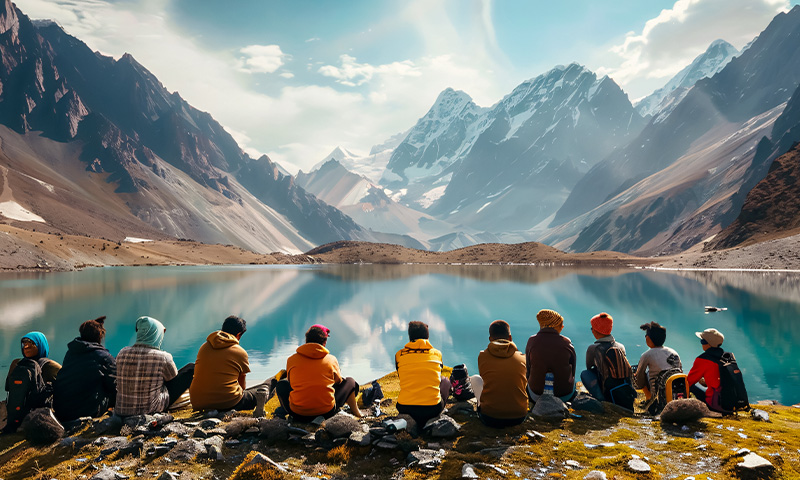
For nature-first travellers, 10 days in Himachal, Uttarakhand, Sikkim, or Ladakh deliver alpine lakes, monasteries, and road trips that feel like therapy. Ladakh is best from June to September. Himachal and Uttarakhand work for most of the year outside peak monsoon. Sikkim and the North East suit travellers who want fewer crowds and genuinely remote valleys, though logistics need more lead time.
Each itinerary below balances travel time, variety, and depth. Pick the one that fits your personality, not the loudest Instagram feed.
Best for first-time visitors who want history, culture, and iconic landmarks.
Best for heritage lovers, couples, and photographers.
Best for honeymooners, slow travellers, and families.
Our Kerala tour packages include houseboat-plus-beach combinations with Ayurveda add-ons if you want wellness built in.
Best for adventure seekers and nature lovers, from June to September only.
Beyond landmarks, India is remembered for its moments. Shortlist a few of these:
The Ministry of Tourism, Government of India continues to highlight heritage, wellness, and nature-based travel as leading themes for inbound visitors, which is why most well-designed 10-day plans weave at least two of these elements together.
A few insights that save time, stress, and money:
For responsible travel, support local artisans, choose homestays where available, and avoid single-use plastic in sensitive zones such as Ladakh and the Western Ghats. These small choices matter and add up quickly across a 10-day trip.
A quick note on connectivity: Indian SIM cards for tourists are easy to arrange on arrival at major airports, and most hotels offer reliable Wi-Fi. Download offline maps for the regions you plan to drive through, especially in Rajasthan desert stretches and Himalayan passes where signal drops without warning.
Costs depend less on India and more on the choices you make.
Flights, both international and domestic, typically make up the largest single cost. Booking three to four months in advance usually saves a meaningful amount.
If festivals matter, time your trip for Diwali in October or November, the Pushkar Camel Fair in November, or Holi in March. Festival dates shift each year, so confirm with the Incredible India portal before locking flights.
Ten days in India is less about ticking landmarks and more about choosing one version of the country to understand well. Mughal history, Rajput heritage, Keralan quiet, or Himalayan silence, each route tells a different story. The traveller who picks a theme and respects the pace of the region leaves with a far richer memory than the one who tried to see everything.
If you would like a tailored plan built around your interests, pace, and travel style, our planners at Memorable India can help shape an itinerary that feels effortless from the first day to the last.
Ten days is enough to explore one region thoroughly or combine two neighbouring circuits. It is not enough to cover the entire country. Experienced planners recommend focusing on one zone such as North India, Rajasthan, Kerala, or the Himalayas instead of chasing landmarks across multiple states.
The Golden Triangle of Delhi, Agra, and Jaipur is the strongest first-time route. Many visitors extend it to Varanasi or Udaipur for a richer cultural layer. It offers the best mix of history, iconic landmarks, and accessible logistics.
Couples usually prefer the Rajasthan heritage circuit or the Kerala backwaters. Both offer scenic drives, romantic stays, and slower pacing, with options ranging from boutique heritage havelis to private houseboats.
Costs vary by region and style. Mid-range travellers can plan a comfortable 10-day trip with domestic flights, 3 or 4-star hotels, private transfers, and guided sightseeing within a reasonable budget. Luxury itineraries using palace hotels and private jets sit at a different tier altogether. Share your preferences with a planner for a precise quote.
India is generally safe for prepared travellers. Stick to established routes, use verified operators, respect local customs, and avoid isolated areas after dark. Booking through a trusted planner adds a strong safety and logistics layer, especially for first-time visitors.
A pre-planned package saves time, reduces logistics stress, and includes safety nets like verified drivers and vetted hotels. Independent planning offers more flexibility but asks for strong local research. Most first-time visitors find a semi-custom package the best middle ground.
12 Top Tourist Destinations in Jammu and Kashmir for a Memorable 2026 Trip
13 Oct 2026
12 Tips to Remember Before Holidaying in the Northeast Indian States
11 Oct 2026
10 Things to Do on a Family Vacation in Shimla, Himachal Pradesh
09 Oct 2026
10 Days in India: Where to Go and What to See
05 Oct 2026
10 Best Places in North India for Corporate Outings to Recharge and Build Team Spirit
01 Oct 2026


