 +919871148514
 info@memorableindia.com

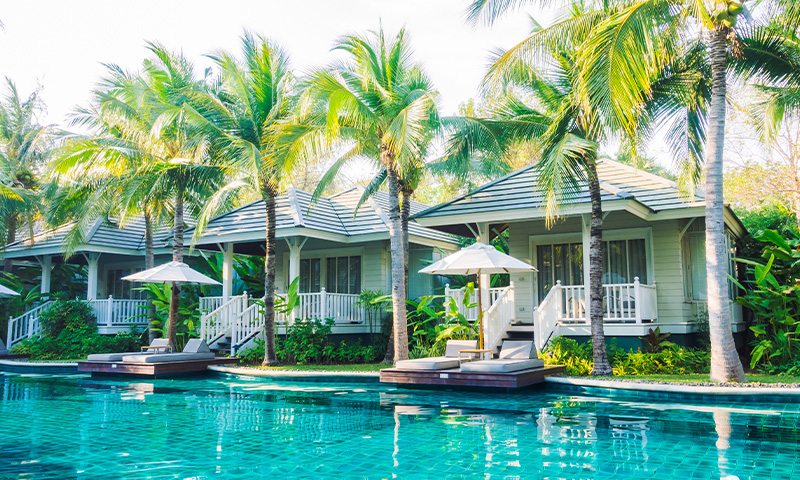
India’s finest wilderness experiences no longer end at the park gate. Over the past two decades, a quiet revolution in high-end hospitality has brought luxury lodges deep into the country’s tiger reserves, river valleys, forest estates and offshore islands. These are not resorts dressed up as jungle properties. They are purpose-built retreats run by naturalists, built with local materials, and designed to put guests within arm’s reach of some of the most sought-after wildlife on earth.
For travellers who want five-star comfort without losing the raw thrill of the wild, these properties offer a rare balance of indulgence, authenticity and conservation. The curated list that follows covers central India’s tiger country, Rajasthan’s leopard hills, the Brahmaputra’s rhino plains, the Himalayan foothills, the Western Ghats, Darjeeling’s tea estates and the Andaman rainforest. Each property has been selected for its naturalist-led programme, its proximity to a serious wildlife reserve or landscape, and its track record on responsible tourism. We have balanced the famous Taj Safaris circuit with lesser-known boutique names so that discerning travellers have genuine choice across regions, price points and ecosystems.
A luxury lodge sits at the crossroads of a boutique hotel, an African-style safari camp and a nature reserve. Rooms are often standalone cottages, tented suites or stone kutiyas with private decks. Naturalists lead safaris twice a day. Chefs plate regional cuisine using produce from onsite kitchen gardens. Many properties operate on solar power, harvest rainwater and employ staff drawn almost entirely from surrounding villages.
What separates the top luxury wildlife lodges India has to offer is their ecological footprint. Most of them maintain small guest counts, strict safari protocols and active partnerships with park authorities. Guests pay a premium, but they also contribute directly to habitat protection and village livelihoods. For a slower, deeper safari that feels earned rather than packaged, these properties deliver on both counts.
The experience is also unmistakably Indian. Chefs lean on regional recipes from Baiga, Gond, Rabari and Assamese kitchens. Butlers remember guests by name, and interiors draw from tribal art, Rajputana campaign furniture and Bundelkhand stonework rather than generic resort decor. The result sits closer to a well-run private estate than a hotel.
Opened in 2006, Mahua Kothi was the first of the Taj Safaris lodges and remains a benchmark for jungle hospitality in India. Twelve mud-and-thatch kutiyas sit on 40 acres on the edge of Bandhavgarh, one of the country’s highest-density tiger reserves. Resident naturalists lead jeep safaris into the Tala, Magadhi and Khitauli zones, and the lodge’s shared dining pavilion stages Chhattisgarh-inspired set menus every evening.
Set on the banks of the Banjaar River overlooking Kanha, this Taj Safaris property runs two intimate tented camps of nine suites each. Each suite features canvas walls, timber decking and a private sundeck. Kanha is the sal and bamboo landscape that inspired Rudyard Kipling’s The Jungle Book, and sightings here cover tiger, barasingha, dhole and leopard. Elephant-back patrols and conservation briefings are part of the standard programme.
Twelve stand-alone suites with rooftop machans let guests sleep under the stars within earshot of Pench’s forest. The property is intentionally spread across its grounds to maintain privacy, and the bird life on the lodge compound alone is remarkable. Pench is one of India’s most under-rated tiger reserves, and the drive from Nagpur airport takes under three hours. Baghvan also runs guided village visits and a well-reviewed naturalist training programme, both of which add real depth to a short stay.
Pashan Garh, meaning ‘stone fortress’, occupies 200 acres of private wilderness bordering Panna. Twelve stone cottages are built in the style of local Bundelkhand farmhouses, with high ceilings and private sitting areas. Beyond tiger tracking, guests can take boat rides on the Ken River and night safaris with infrared cameras, which is where leopards, hyenas and civets often appear.
Few properties define luxury in the wild as completely as Oberoi Vanyavilas. Twenty-five air-conditioned luxury tents sit on 20 acres of landscaped grounds a short drive from Ranthambore’s gates. Each tent features a four-poster bed, teakwood flooring, embroidered canopies and a private walled garden. The lodge consistently ranks among the finest luxury safari lodges India has to offer, and the service standards remain the Oberoi’s own.
A Relais & Châteaux property, Sher Bagh pays homage to the 1920s tented camps of the Rajputana royals. Twelve suite tents and two tented suites feature campaign furniture, canvas bathrooms and copper tubs. The on-site Spa by L’Occitane and the Royal Afghan dinners around the campfire add to its old-world charm. Ranthambore sightings here include tiger, sloth bear and marsh crocodile.
Jawai is not a national park. It is a rocky, granite-strewn conservation landscape in southern Rajasthan where leopards share territory with the pastoral Rabari community. SUJAN Jawai operates ten tented suites with a design-led interior that would not look out of place in a Milan showroom. Private leopard safaris, dawn breakfast rides and visits to Rabari settlements complete the experience.
Set on the banks of the Diphlu River with Kaziranga directly across, this lodge is made up of twelve cottages and bungalows built on stilts in traditional Assamese style. Kaziranga is a UNESCO World Heritage site known for the greatest single population of one-horned rhinoceros on earth. Jeep and elephant-back safaris run through the Central, Western and Eastern ranges, and the Brahmaputra is a short boat ride away.
Twelve standalone villas, each measuring over 2,000 square feet, sit on roughly 32 acres of private forest adjoining Bandhavgarh. Interiors feature local Baiga tribal art, hand-pressed brass fittings and private plunge pools. The lodge is run by the family behind the Samode Palace in Jaipur, and the service standards reflect that heritage. Beyond the standard safari, the team runs cycling trails, village lunches and tribal craft workshops that make this a strong choice for repeat visitors to Bandhavgarh.
Satpura is one of the few tiger reserves in India that permits walking safaris, canoeing and night drives. Reni Pani’s twelve cottages are hidden in a privately owned forest patch, and guests spend much of their time on foot with naturalists from the Jehan Numa group. Sloth bear, leopard, giant squirrel and over 250 bird species are regularly logged here. For travellers who find jeep-only parks a touch sanitised, Satpura with Reni Pani is the obvious upgrade.
Ten luxury tents overlook the Kanhan River on the northern edge of Pench. The property’s signature feature is the Star Bed, a private double bed set up in a nearby field under the open sky, with dinner and breakfast served trackside by the camp team. Few luxury jungle lodges in India match the simplicity and originality of this set-up.
At around 2,286 metres in the Kumaon Himalaya, Shakti Leti sits on a ridge offering uninterrupted views of the Nanda Devi and Panchachuli ranges. Four stone-and-glass cottages feature wood-burning stoves and open-air bathtubs. There is no spa, no pool and no television. The programme is built around guided village walks, slow mountain mornings and locally sourced meals. It is India’s quietest luxury lodge, and well suited to travellers who want altitude, silence and a clean break from the itinerary tempo of a tiger safari.
Twenty villas set within thirty acres on the fringe of Bandipur Tiger Reserve. The property adjoins the greater Nilgiri Biosphere Reserve, which is home to Asian elephant, gaur, leopard, dhole and the occasional tiger. Each villa features its own plunge pool and private garden, and the Nagarhole and Mudumalai reserves are within easy driving distance. For visitors flying into Bengaluru or Mysuru, this is the most accessible luxury wildlife property in south India.
A working tea estate dating to 1859, Glenburn is a planter’s bungalow restored to its colonial-era grace. Eight suites across the Burra Bungalow and Water Lily Bungalow look across the Rungeet valley to Kanchenjunga. Guests join tea pluckers in the fields, take factory tours through the estate’s working garden and ride down to the Rungeet for a riverside picnic. Meals are served in formal planter style on the veranda, with produce drawn from the estate’s own kitchen garden.
A tropical rainforest property set on 7 acres a short walk from Radhanagar Beach, Barefoot’s twenty-two cottages, tents and tree houses are built using sustainable materials and local craftsmanship. The lodge is one of the few true eco-luxury lodges in India to combine beach access, forest cover and conservation-first design. Scuba, snorkelling, kayaking and guided jungle walks round out the itinerary, and the in-house naturalist can arrange a day trip to the mangroves at Baratang.
A luxury lodge holiday needs more lead time than a city break. Peak wildlife season across central India runs from October to June, with April and May producing the best tiger sightings. Himalayan lodges such as Shakti Leti operate roughly April through November. Andaman properties open year-round but shut briefly during the southwest monsoon. Rajasthan properties such as Vanyavilas and Sher Bagh run October to June, with Ranthambore closed for the monsoon between July and September.
A few practical pointers:
For travellers combining several reserves in one trip, Memorable India’s curated wildlife tour in Central India brings together Bandhavgarh, Kanha and Pench in a single, well-paced itinerary.
India’s finest wilderness lodges are not simply upmarket accommodation. They are the engine behind modern Indian safari travel, where the quality of the experience is set by the knowledge of the naturalist and the health of the surrounding forest, not just the thread count of the linen. For first-time visitors, pairing a central Indian tiger lodge with a Rajasthan heritage property or a Himalayan hideaway creates a layered journey that stays with you long after the return flight. Repeat travellers tend to add Satpura, Jawai or Kaziranga for a change of ecosystem, and families often combine Bandipur or the Andamans with a beach stay for a softer finish. Choosing right begins with matching the lodge to the ecosystem you most want to see, then letting the itinerary flow from there. Browse our full catalogue of luxury India tour packages and wildlife tour packages across India to see how we build these into a single, seamless trip without missing a sighting window.
To plan a tailored wildlife and luxury itinerary, contact our travel team for a customised proposal built around your dates, interests and budget.
A luxury resort is typically a self-contained hotel property designed around leisure amenities such as pools, spas and restaurants. A luxury lodge is purpose-built on the periphery of a national park or protected landscape, and the entire programme is organised around guided wildlife and nature activities. Lodges keep guest counts low, employ resident naturalists, and are usually constructed with local materials to minimise environmental impact.
First-time wildlife travellers tend to do well at Taj Mahua Kothi in Bandhavgarh, Oberoi Vanyavilas in Ranthambore and Diphlu River Lodge in Kaziranga. All three sit next to high-density parks, are easy to reach by domestic flight, and run beginner-friendly safari programmes with experienced naturalists.
Most properties welcome families, though some have minimum age limits for jeep safaris, typically six or eight years. Family-friendly options include Samode Safari Lodge, The Serai Bandipur and Glenburn Tea Estate, each of which runs activities for younger guests alongside the standard safari schedule. Always confirm age policies at the time of booking.
Rates vary significantly by property, season and inclusions. Entry-level luxury lodges start around INR 25,000 per night on all-inclusive terms. The top Taj Safaris, Oberoi and SUJAN lodges can range from INR 45,000 to over INR 1,00,000 per night in high season. Rates typically include meals, safaris, naturalist fees and park entry.
Bandhavgarh and Ranthambore are India’s two highest-probability tiger reserves. Taj Mahua Kothi, Samode Safari Lodge, Oberoi Vanyavilas and Sher Bagh by SUJAN all sit at the gates of these parks. Multi-night stays and visits during the hot pre-monsoon months of April and May materially improve the odds.

15 of the Best Luxury Lodges in India for an Unforgettable Wild Escape
14 Oct 2026
15 Must-See Attractions for Couples in India: A Planner’s Guide for 2026
13 Oct 2026
15 Must Visit Temples & Religious Places in Uttarakhand, Himalayas
12 Oct 2026
10 Most Significant Buddhist Pilgrimage Sites in India: Complete Travel Guide
11 Oct 2026
A First-Time Traveller’s Guide to Car Rental in India
10 Oct 2026


