 +919871148514
 info@memorableindia.com
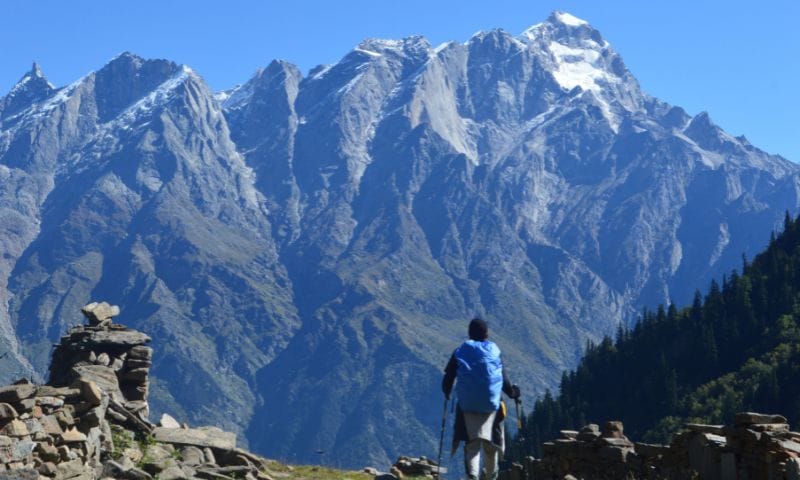
Himachal Pradesh’s trekking season does not follow a single calendar. The state’s geography, which spans from the sub-tropical Kangra Valley at 700 metres to the trans-Himalayan cold desert of Spiti above 4,000 metres, means that different trails open and close at different times depending on snowmelt, monsoon patterns, and pass accessibility. The April to October window, however, is the broadest usable trekking season across the state: lower trails clear of snow by April, high passes become crossable by June, alpine meadows peak in July and August, and most routes remain walkable until the first heavy snowfall in late October.
The five treks listed here are selected not just for their scenic quality but for their range. They cover easy weekend trails that a first-timer can handle, moderate crossings that test fitness without demanding technical skills, and a serious high-altitude expedition that belongs on any experienced trekker’s list. Each entry includes the best months within the April to October window, the difficulty level, the logistics you need to sort before arriving, and what makes the trail worth choosing over the dozens of other options in Himachal Pradesh.
Difficulty: Easy
Duration: 1 to 2 days
Highest Point: 2,875 metres
Base: McLeod Ganj, Dharamshala
Best Months: April to June, September to October
Triund is, by a comfortable margin, the most popular short trek in Himachal Pradesh, and there are good reasons for that beyond just accessibility. The trail begins from Galu Devi Temple near McLeod Ganj and climbs roughly 1,100 metres over 9 kilometres through oak and rhododendron forests before opening out onto a wide, grassy ridge with unobstructed views of the Dhauladhar range on one side and the Kangra Valley on the other. The final campsite sits on this ridge, and on a clear evening, the sunset over the snow-clad peaks is one of the most photographed sights in the Indian Himalayas.
For first-time trekkers, Triund works because the trail is well marked, the altitude gain is gradual, and the total distance is short enough to complete in a single day if you start early. Overnight camping is the more rewarding option, as the night sky from the ridge, away from McLeod Ganj’s light pollution, is genuinely spectacular. April and May are ideal for clear skies and wildflowers. The monsoon months (July and August) make the trail slippery and reduce visibility, so September and October, when the post-monsoon air is crisp, are the next best window. Memorable India’s guide to the best Himalayan trails for beginners includes Triund alongside other entry-level options across the Indian Himalayas.
Difficulty: Easy to moderate
Duration: 3 to 4 days
Highest Point: 3,690 metres
Base: Solang Valley, near Manali
Best Months: May to October
Beas Kund sits in a glacial bowl below the Beas Kund massif, and the trek to reach it is one of the most accessible multi-day routes in the Manali region. The trail starts from Solang Valley (famous for its adventure sports zone) and climbs through birch forests and alpine meadows before reaching the glacial lake that is the mythological source of the Beas River. At 3,690 metres, the altitude is high enough to feel the thin air but not so extreme that acclimatisation becomes a serious concern for reasonably fit trekkers.
What makes Beas Kund particularly appealing is the variety compressed into a short distance. The first day passes through dense forest with river crossings, the second day opens onto vast meadows carpeted with wildflowers (peak bloom in July and August), and the final approach to the lake is across rocky moraine with glacial views. The campsite at Beas Kund is surrounded by peaks on three sides, creating an amphitheatre effect that is difficult to match on any other three-day trek in the state. For trekkers already in Manali for a broader Himachal trip, Beas Kund adds an adventure segment without requiring a long transfer to a separate trailhead.
Difficulty: Moderate
Duration: 4 to 5 days
Highest Point: 4,270 metres (Hampta Pass)
Base: Manali (Kullu side); exit at Chatru (Lahaul side)
Best Months: June to October
Hampta Pass is the trek that most experienced Indian trekkers recommend to anyone looking for their first serious Himalayan crossing. The route starts from Jobra in the Kullu Valley, climbs through lush green meadows and glacial streams on the southern side, crosses the Hampta Pass at 4,270 metres, and descends into the starkly barren Lahaul Valley on the northern side. The contrast between the two sides of the pass is one of the most dramatic landscape transitions you will find on any trek in India: in a single day, you walk from a green, flower-filled valley into a cold desert that looks more like Ladakh than Himachal.
The trek is typically run as a four-night, five-day itinerary, with camping at Chika, Balu Ka Ghera, Siagoru (or Chatru), and an optional side trip to Chandratal Lake. Chandratal, a crescent-shaped high-altitude lake at approximately 4,300 metres, is one of the most visually striking lakes in the Indian Himalayas, and adding it as a day trip from Chatru is strongly recommended if weather permits. June and September are the most reliable months for clear skies and stable weather. July and August bring monsoon moisture to the Kullu side, which can make the approach trail muddy but also brings the meadows to their most vivid green. Memorable India’s trekking tour packages cover Hampta Pass alongside other Himalayan routes, with logistics, camping equipment, and experienced guides included.
Difficulty: Moderate
Duration: 3 to 4 days
Highest Point: 4,300 metres
Base: Gulaba, near Manali (on the Rohtang road)
Best Months: May to June, September to October
Bhrigu Lake is named after the sage Bhrigu, who is believed to have meditated at its shores. The lake sits in a high-altitude meadow at approximately 4,300 metres, surrounded by rolling grasslands that are snow-covered in winter and intensely green between May and September. The trek from Gulaba (on the Manali-Rohtang road) follows a steep but short trail through birch forests before emerging onto expansive alpine pastures that stretch in every direction.
The appeal of Bhrigu Lake lies in its accessibility relative to its altitude. At 4,300 metres, you are at a height that most Indian treks take five or six days to reach, but the Bhrigu Lake trail gets you there in two to three days because the base itself starts at a considerable elevation. This makes it one of the quickest ways to experience genuine high-altitude alpine terrain in Himachal Pradesh. The meadows around the lake are used as grazing pastures by Gaddi shepherds during summer, and encountering their flocks and temporary camps adds a pastoral layer to the trek. May and June, before the monsoon arrives, offer the best combination of clear skies and snow-edged meadows. September and October, post-monsoon, deliver sharp visibility and golden grasses. For trekkers combining this with a Himachal holiday from Delhi, Bhrigu Lake can be added as a 3-day adventure segment to a Manali-based itinerary.
Difficulty: Difficult
Duration: 10 to 12 days
Highest Point: 5,319 metres (Pin Parvati Pass)
Base: Barshaini, Parvati Valley (Kullu); exit at Mudh, Pin Valley (Spiti)
Best Months: July to September
Pin Parvati is not a weekend trek. It is one of the most demanding and rewarding high-altitude crossings in the Indian Himalayas, connecting the Parvati Valley in Kullu with the Pin Valley in Spiti over a 5,319-metre pass. The trek typically takes 10 to 12 days and involves river crossings, glacial moraines, snowfields, and a final pass approach that requires careful route-finding and, in some years, the use of ropes and crampons. It is suitable only for experienced trekkers with prior high-altitude exposure and a good level of cardiovascular fitness.
The reward for this effort is a trek that moves through three entirely distinct Himalayan ecosystems. The first few days follow the Parvati River through dense forests and hot springs (Kheerganga, at the start of the trail, has natural thermal pools). The middle section crosses vast glacial fields and moraines at altitudes above 4,500 metres. The final descent into Pin Valley reveals the stark, treeless beauty of Spiti, with its Tibetan Buddhist monasteries and cold desert landscape. July to September is the only viable window, as the pass is snow-bound outside these months. For adventurers who have explored other Himalayan adventure activities and are looking for the next challenge, Pin Parvati is a natural progression.
Physical fitness: Start a cardiovascular training programme at least six to eight weeks before your trek. Running, cycling, stair climbing, and swimming all build the endurance needed for sustained uphill walking at altitude. For moderate to difficult treks (Hampta Pass, Bhrigu Lake, Pin Parvati), add weighted backpack walks to your routine.
Gear: Layered clothing is essential in Himachal’s mountains, where temperatures can swing from 25°C at the trailhead to below zero at high camps. A good three-layer system (moisture-wicking base, insulating mid-layer, waterproof outer shell) covers most conditions. Sturdy, ankle-supporting trekking boots with good grip are non-negotiable. Trekking poles reduce knee strain on descents. A quality sleeping bag rated to minus 5°C is recommended for treks above 3,500 metres.
Permits and logistics: Some treks (particularly those entering the Great Himalayan National Park or crossing into Spiti) require forest department permits. Organised trek operators handle these as part of their packages. Independent trekkers should check permit requirements and trail conditions through local forest offices before departing. For routes like Hampta Pass and Pin Parvati, where the exit point is far from the starting point, return transport logistics need advance planning.
Altitude awareness: Any trek above 3,500 metres carries a risk of altitude sickness. Ascend gradually, stay hydrated, and watch for symptoms (headache, nausea, dizziness). If symptoms worsen, descend immediately. Acclimatisation days are built into most organised itineraries for treks above 4,000 metres.
Work with a specialist: Himachal’s mountain terrain, especially above the treeline, demands local knowledge. Trail conditions change with snowmelt, river levels, and monsoon activity. An experienced operator like Memorable India manages route planning, camping logistics, certified guides, and emergency protocols, so you can focus on the trail. Get in touch with the team to plan a custom trekking itinerary that matches your experience level and travel dates.
Himachal Pradesh between April and October is, quite simply, one of the best trekking regions in Asia. The five treks on this list span easy ridge walks, moderate pass crossings, and a serious multi-week expedition, all within a single state that also happens to offer excellent road connectivity, reliable base-town infrastructure, and some of India’s most welcoming mountain communities. The right trek depends on your fitness level, the time you have available, and how much altitude you are comfortable with. For those planning a broader trip, Memorable India’s summer holiday packages and trekking tours can combine a Himachal trek with cultural sightseeing, temple visits, or a few days of recovery in a hill station before heading home.
The best month depends on the specific trek. For lower-altitude trails like Triund, April, May, and October offer the clearest skies. For moderate crossings like Hampta Pass, June and September provide stable weather and open passes. For high-altitude routes like Pin Parvati Pass, July to September is the only viable window. Avoid the core monsoon months (mid-July to mid-August) for trails in the Kullu and Kangra valleys if you want to minimise rain and trail slipperiness.
Triund is the best Himachal trek for beginners. The trail is well marked, the altitude gain is manageable (2,875 metres), and the total distance (9 km one way) can be completed in a single day. Beas Kund is the next step up, offering a multi-day experience without extreme altitude. Both are accessible from well-connected base towns (McLeod Ganj and Manali, respectively).
For Triund, a guide is optional but recommended for first-timers. For all other treks on this list, a local guide or organised trek operator is strongly recommended. Hampta Pass, Bhrigu Lake, and especially Pin Parvati Pass involve route-finding above the treeline, river crossings, and high-altitude terrain where navigation errors can have serious consequences. Organised operators also manage camping equipment, meals, and emergency support.
For easy treks like Triund, a basic level of fitness (ability to walk 8 to 10 km on hilly terrain) is sufficient. For moderate treks like Hampta Pass and Bhrigu Lake, you should be comfortable with sustained uphill walking for 5 to 7 hours a day and carrying a daypack. For Pin Parvati Pass, you need strong cardiovascular endurance, prior high-altitude trekking experience, and at least 8 to 10 weeks of dedicated physical training before the trek.
Trekking during the monsoon (July to September) is possible but requires caution. Lower trails in the Kullu and Kangra valleys become slippery and visibility drops. Landslides are a risk on road approaches. However, the trans-Himalayan regions (Spiti side of Hampta Pass, Pin Valley) receive far less rain, making them viable during monsoon. Pin Parvati Pass specifically requires the monsoon window. Organised operators monitor weather and trail conditions daily during this period.
Yes. Memorable India builds custom trekking itineraries that cover permits, certified mountain guides, camping logistics, meals, base-town accommodation, and return transport. The team can combine a trek with a broader Himachal holiday (Manali sightseeing, Shimla, Dharamshala) or pair it with adventure activities in Ladakh or Uttarakhand. Contact the team with your preferred trek, travel dates, group size, and fitness level to get a tailored proposal.
12 Top Tourist Destinations in Jammu and Kashmir for a Memorable 2026 Trip
13 Oct 2026
12 Tips to Remember Before Holidaying in the Northeast Indian States
11 Oct 2026
10 Things to Do on a Family Vacation in Shimla, Himachal Pradesh
09 Oct 2026
10 Days in India: Where to Go and What to See
05 Oct 2026
10 Best Places in North India for Corporate Outings to Recharge and Build Team Spirit
01 Oct 2026


