 +919871148514
 info@memorableindia.com
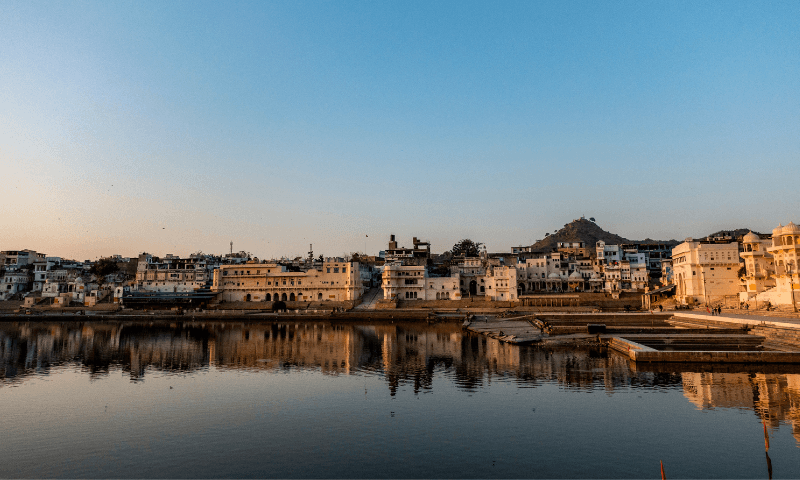
Most travellers racing between Agra and Jaipur never think to stop in Dholpur. That is precisely what makes this eastern Rajasthan town so rewarding. Sitting quietly on the banks of the Chambal River, roughly 55 km from the Taj Mahal and 45 km from Gwalior, Dholpur is one of those rare destinations where royal heritage, wildlife, and genuine solitude coexist without competing for your attention.
The town served as the seat of a princely state for centuries, ruled at various points by Rajputs, Afghans, Mughals, and Jat rulers, each of whom left behind forts, palaces, and temples in the distinctive red sandstone that Dholpur is known for across the country. That same sandstone was used in the construction of both the Red Fort in Delhi and sections of Rashtrapati Bhavan. Yet very few visitors make the connection between those iconic monuments and this unassuming town in Rajasthan’s easternmost corner.
This guide covers everything you need to plan a trip to Dholpur, from the celebrated Chambal boat safari and the town’s historic palaces to practical details on how to reach, where to stay, and what time of year works best.
Rajasthan’s popular circuit of Jaipur, Jodhpur, Udaipur, and Jaisalmer draws millions of visitors each year, and rightly so. But the state has a quieter, equally compelling side that rarely makes it into mainstream itineraries. Dholpur belongs firmly to that side.
Unlike the larger heritage cities, Dholpur offers an experience free of crowds, touts, and long ticket queues. Its attractions are spread across a compact area, making it manageable even on a two or three day visit. The combination of river wildlife, princely architecture, sacred sites, and sandstone landscapes gives the town a character that is distinctly its own.
For wildlife enthusiasts, the National Chambal Sanctuary is a major draw, home to gharials, Gangetic river dolphins, and a remarkable population of resident and migratory birds. For history lovers, a string of palaces, forts, and Mughal era hunting lodges tells the story of a town that was once far more politically significant than its current profile suggests. If you are looking for offbeat Rajasthan destinations with real substance, Dholpur is a strong candidate. For a broader view of the state’s top attractions, the Memorable India guide to Tourist Attractions in Rajasthan is a useful starting point.
The Chambal is widely regarded as one of the cleanest rivers in India, largely because centuries of local mythology discouraged human settlement along its banks. Ancient legends linked the river to the Mahabharata, calling it Charmanvati, and local communities considered it inauspicious for habitation. Ironically, this long standing cultural avoidance became the river’s greatest ecological advantage. While most Indian rivers face severe pollution and encroachment, the Chambal remained relatively untouched, allowing its aquatic and riparian ecosystems to thrive.
The National Chambal Sanctuary, founded in 1978, stretches across three states: Rajasthan, Madhya Pradesh, and Uttar Pradesh. The Rajasthan section, accessed primarily through Dholpur, is the most popular entry point for travellers.
The Chambal safari in Dholpur is a motorboat ride along the river, typically lasting between 60 and 90 minutes. Unlike jungle safaris, this is a water based experience, and the pace is gentle enough to allow extended observation of wildlife.
The river is home to the critically endangered gharial, a long snouted crocodilian that can often be seen basking on sandy banks. Mugger crocodiles are equally common. On a good day, you might also spot Gangetic river dolphins surfacing briefly before slipping back underwater. Over 300 bird species have been recorded in the sanctuary area, including Indian skimmers, painted storks, sarus cranes, and various species of kingfisher. During the winter months, migratory birds arrive in significant numbers, turning the Chambal into one of the finest birdwatching corridors in northern India.
The landscape along the river is dramatic as well. Deep ravines and sandstone cliffs rise on either side, creating a natural canyon that adds visual depth to the safari. Local guides who operate these boats are usually familiar with the river’s rhythms and can point out nesting sites, dolphin zones, and the best spots for photography. For a deeper understanding of the sanctuary, the Memorable India blog on National Chambal Wildlife Sanctuary offers useful context.
The Raj Niwas Palace, also known as Dholpur Palace, is the town’s most prominent heritage landmark. Originally constructed in the 1870s to welcome European dignitaries, including HRH Albert Edward, the palace drew design inspiration from Dutch and European architecture while using Dholpur’s signature red sandstone extensively. The palace grounds extend across 13 acres of manicured gardens frequented by peacocks and migratory birds from the neighbouring Chambal Sanctuary.
Today, the palace operates as a heritage hotel, and overnight guests can explore its large courtyards, carved facades, and original interiors. Even if you are not staying there, the palace is worth visiting for its architecture and its connection to Dholpur’s princely past. It offers a window into how the ruling Jat dynasty of Dholpur maintained its courtly traditions well into the modern era.
Located a short distance south of the town centre, Shergarh Fort was originally built by Sher Shah Suri in the 16th century on the foundations of an older Hindu fortress. The fort is largely in ruins today, but the walk up to it is rewarding. From the ramparts, you get a clear view of the Chambal river valley and the surrounding ravines. A temple dedicated to Lord Hanuman sits near the fort and is still actively visited by locals.
About 30 km from Dholpur lies Talab e Shahi, a man-made lake built during the Mughal period. The lake gets its name from Emperor Shah Jahan, who frequently visited this area for hunting and commissioned a palatial lodge on its banks. Known as Khanpur Mahal, this red sandstone structure was designed as a shooting lodge for Mughal royalty and later came under the control of local rulers.
The lake attracts a variety of migratory waterfowl during winter, including pelicans, flamingos, and wading birds, making it a strong secondary stop for birdwatchers who have already completed the Chambal safari. For travellers interested in the broader heritage circuit, Memorable India’s Rajasthan Historical Forts and Palaces Tour includes similar princely and Mughal era sites across the state.
About 4 km from the town centre, Machkund is one of Dholpur’s most revered and visually striking sites. Named after Raja Machkund of the Suryavanshi dynasty, the complex features a sacred tank surrounded by carved chhatris, domed shrines, and old havelis built by local nobility over several centuries. The stone carvings here are impressive, and on non festive days, the site is almost entirely free of crowds, offering a meditative calm that is hard to find at more commercial pilgrimage spots. Think of it as Pushkar without the bustle.
Once the private hunting reserve of the Dholpur royals, Van Vihar is now a protected sanctuary spread across dense scrubland and open meadows. The sanctuary is home to deer, nilgai, sloth bears, jackals, and a variety of resident bird species. Short jeep safaris and nature walks are available. If you are combining Dholpur with other wildlife destinations in Rajasthan, the Memorable India guide to Wildlife Safari experiences is a helpful reference for planning.
Located 35 km from Dholpur, the Ramsagar Sanctuary sits near the Ramsagar Dam and is particularly rewarding for birdwatchers. The lake within the sanctuary draws migratory birds in winter and also supports freshwater crocodile populations. It pairs well with a visit to Van Vihar, and both can be covered in a single day. The Memorable India feature on Ramsagar Wildlife Sanctuary provides more detail on what to expect.
The ideal window for visiting Dholpur is October to March, when the weather is pleasant and winter migratory birds are present along the Chambal and at surrounding lakes. This is also the best period for the Chambal boat safari, as wildlife sightings tend to be more frequent in cooler months.
Summers from April to June bring intense heat, typical of eastern Rajasthan. Early morning trips to the river or sanctuary are still feasible during this period, but extended outdoor sightseeing can be uncomfortable.
The monsoon months of July to September bring the Damoh Waterfalls to life and add a green vibrancy to the landscape, but the Chambal safari may be subject to suspension depending on water levels. It is advisable to check with local operators before planning a monsoon visit.
Dholpur sits at a strategic crossroads between Rajasthan, Madhya Pradesh, and Uttar Pradesh, making it accessible from multiple directions.
By Air: The nearest airport is Agra Airport, roughly 56 km away. Gwalior Airport is equally close at about 55 km. From either city, a taxi to Dholpur takes approximately one to one and a half hours.
By Rail: Dholpur has its own railway station with regular connections to Agra, Delhi, Jaipur, and Gwalior. This makes it a convenient stop for travellers already on a train itinerary through northern India.
By Road: Dholpur is well connected by state highway to Agra (55 km), Gwalior (45 km), and Bharatpur (80 km). Travellers coming from Jaipur can combine Dholpur with Bharatpur’s Keoladeo National Park for a multi destination itinerary. For broader Rajasthan planning, Memorable India’s Rajasthan Tour Packages offer customisable routes that can include lesser known stops like Dholpur.
The accommodation options are limited in Dholpur compared to the state’s major cities, but what is available here carries genuine character.
Raj Niwas Palace is the standout heritage stay, offering palace suites, courtyard rooms, and pool villa cottages within the original royal grounds. It represents strong value for travellers seeking an authentic heritage experience with well-preserved architecture and a regal atmosphere.
For those seeking a more immersive Chambal experience, the Mela Kothi Chambal Safari Lodge, located a short drive from Dholpur, has won multiple responsible tourism awards for its conservation focused approach and comfortable eco lodge accommodation.
Budget options in the town centre cater to pilgrims and domestic tourists and offer basic but clean accommodation.
Dholpur rewards a stay of two to three days. One day can be dedicated to the Chambal safari and riverfront exploration, a second day to the palaces, Machkund, and town heritage, and a third day to Van Vihar and Ramsagar Sanctuary if wildlife interests you.
Carry sunscreen, a hat, and sufficient water during summer visits. For winter travel, a light jacket is advisable, especially for early morning boat safaris.
Photography enthusiasts should bring telephoto lenses for wildlife along the Chambal and a wide angle lens for the ravine landscapes and palace architecture.
If you are building a broader Rajasthan itinerary, consider pairing Dholpur with Bharatpur (80 km) for birding, or extending south to Ranthambore (approximately 250 km) for a tiger safari. Memorable India’s Ranthambore Tour is a popular option for combining wildlife and heritage.
The culture of Dholpur blends mainstream Rajasthani traditions with the border influences of Madhya Pradesh and Uttar Pradesh. The local dialect leans toward Braj Bhasha, and the food reflects this crossover. You will find standard Rajasthani staples like dal baati churma and ghewar alongside street snacks like kachori and mirchi bada that carry their own regional twist.
Festivals like Holi, Gangaur, and Diwali bring the town’s markets and temple precincts alive with folk music, dance, and community celebrations. Dholpur is also known for its sandstone carvings, and local artisans produce carved artifacts, decorative panels, and stone ware that make for distinctive souvenirs.
For a broader look at rural and small town Rajasthan, the Memorable India feature on Villages of Rajasthan is well worth reading.
Dholpur is not a destination that demands a grand expedition. It is a quiet, layered addition to a Rajasthan journey, ideally suited to travellers who want depth without drama. The Chambal boat safari alone justifies the visit, offering a wildlife experience that is genuinely unlike anything else in the state. Add the palaces, the sandstone heritage, and the near total absence of tourist crowds, and you have a destination that rewards curiosity.
If you are considering a Rajasthan trip that goes beyond the usual circuit, Memorable India can help you build a custom itinerary that includes Dholpur and its surroundings. Reach out to our team, and let us put something tailored together for you.
Dholpur is famous for its red sandstone, which has been used in several iconic Indian buildings including the Red Fort in Delhi. The town is also known for the National Chambal Sanctuary and its boat safari, the Raj Niwas Palace, Shergarh Fort, and the sacred Machkund Temple. It is considered one of the more rewarding offbeat destinations in eastern Rajasthan.
Q2: How do I book a Chambal river boat safari from Dholpur?
Chambal boat safaris can be arranged through the Raj Niwas Palace or through licensed operators near the National Chambal Sanctuary. Safaris typically last 60 to 90 minutes and are conducted in motorboats. Winter months from October to February are the best period for wildlife sightings, including gharials, Gangetic dolphins, and migratory birds.
Q3: What is the best time to visit Dholpur for wildlife and sightseeing?
October to March is the ideal time. The weather is pleasant, migratory birds are present, and the Chambal safari operates at its best. Summers are hot but manageable for early morning excursions. The monsoon season adds greenery but may affect safari availability due to rising water levels.
Q4: How far is Dholpur from Agra, and how do I get there?
Dholpur is approximately 55 km from Agra, which translates to a drive of about one to one and a half hours. Dholpur also has its own railway station with regular trains from Agra, Delhi, Jaipur, and Gwalior. The nearest airports are at Agra and Gwalior, both roughly equidistant.
Q5: Can Dholpur be combined with other Rajasthan destinations in one trip?
Absolutely. Dholpur pairs well with Bharatpur (80 km), which is home to the Keoladeo National Park, and with Ranthambore (approximately 250 km) for tiger safaris. It also works as a stop on a broader eastern Rajasthan itinerary that includes Karauli and the Chambal valley. Memorable India can help design a multi destination route that includes Dholpur.
Q6: Are there heritage hotels in Dholpur where I can stay overnight?
Yes. The Raj Niwas Palace, originally built in the 1870s for European dignitaries, now operates as a heritage hotel with palace suites, courtyard rooms, and pool villas. The Mela Kothi Chambal Safari Lodge, located nearby, is an award winning eco lodge that focuses on responsible tourism and Chambal based wildlife experiences.
A Journey to Leh and Srinagar: Firsthand Travel Experience
25 Oct 2026
A Guide to Famous Temples in Himachal Pradesh
24 Oct 2026
9 Best Places to Visit in Lakshadweep, a Top Island Getaway in India
23 Oct 2026
7 Reasons Why One Should Travel by Indian Rail
22 Oct 2026
6 Reasons to Visit Chopta Valley in the Himalayas
21 Oct 2026


