 +919871148514
 info@memorableindia.com
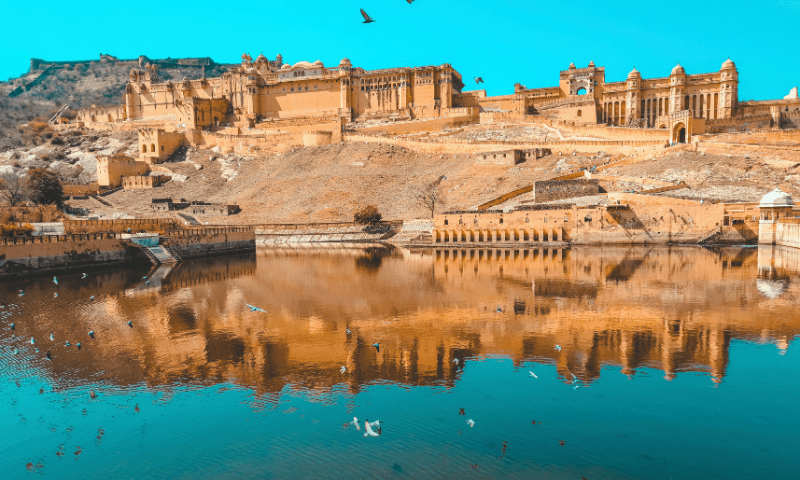
Southern Rajasthan has a way of surprising visitors who assume the state is all about desert forts and golden sand dunes. Tucked into the foothills of the Aravalli range, roughly 120 kilometres south of Udaipur, sits Dungarpur, a town that earned its title as the “City of Hills” quite literally. The word “dungar” means hill in the local dialect, and the landscape delivers on that promise with rocky ridges, forested slopes, and quiet lakes feeding into one another.
Founded in the 13th century by Maharawal Veer Singh Dev of the Guhilot Rajput lineage, Dungarpur grew as the capital of the Vagad region, a territory that developed its own distinctive style of architecture, stonework, and courtly culture over several centuries. Today, it remains one of those rare Rajasthan destinations where you can wander through a seven-storeyed medieval palace in the morning, watch migratory birds circle a lakeside temple complex by afternoon, and spend the evening learning about the Bhil tribal traditions that still shape daily life here.
This Dungarpur travel guide covers everything you need to plan for a well-informed visit.
Most travellers heading through southern Rajasthan make a beeline for Udaipur and move on. Dungarpur rarely features on standard itineraries, which is precisely what makes it rewarding. The town has not been shaped by mass tourism, so what you experience here feels unscripted and genuinely local.
There are a few specific reasons Dungarpur stands apart. First, its architectural identity is unique. The royal buildings here make extensive use of pareva stone, a locally quarried greenish grey stone that changes tone under different light, giving the palaces and temples a character you will not find elsewhere in Rajasthan. Second, the town sits at the intersection of Rajput heritage and Bhil tribal culture, creating a layered social fabric that is visible in everything from religious festivals to handicraft traditions. Third, the natural setting is markedly different from the arid plains most people associate with the state. Dungarpur is irrigated by the Mahi and Som rivers, surrounded by teak and mahua forests, and dotted with lakes that attract a surprising variety of birdlife during winter.
For travellers who value depth over convenience, Dungarpur offers a slower and more textured experience of Rajasthan. It pairs particularly well with a broader southern Rajasthan circuit that includes Udaipur, especially when planned alongside curated Udaipur tour packages that seamlessly connect heritage, lakeside experiences, and lesser-explored destinations like Dungarpur.
If you visit only one site in Dungarpur, make your first stop at the Juna Mahal. This seven-storeyed structure dates back to the 13th century and was expanded over several hundred years. From the outside, it looks like a fortress, all crenellated walls, narrow entrance passages, and watchtowers designed to slow down invaders. Step inside, and the contrast is startling. The interiors are lavishly decorated with miniature paintings, mirrors, and glass inlay work, and frescoes depicting court life, mythology, and battle scenes. The Aam Khas, the main living chamber, is particularly impressive for its detailed mirror work. Built on a high platform of locally quarried pareva stone, Juna Mahal Dungarpur is widely regarded as one of the best preserved medieval palaces in all of Rajasthan, yet it sees only a fraction of the visitors that flock to better-known forts.
Named after Maharawal Udai Singh II, this 19th century palace blends Rajput architectural sensibilities with Mughal influences. The sculpted pillars, ornate arches, and carved balconies overlooking Gaib Sagar Lake make it one of the finest examples of the region’s distinctive building style. A section of the palace now operates as a heritage hotel, allowing guests to experience royal living alongside the lake. Even if you are not staying here, the palace exterior and its lakeside setting are worth spending time around, particularly during the golden hour when the pareva stone facade catches the light.
Gaib Sagar is an artificial lake at the heart of Dungarpur that serves as the town’s social and spiritual anchor. Its banks are lined with temples, gardens, and ghats where locals gather through the day. Birdwatchers will find the lake especially rewarding between November and February, when migratory species arrive in significant numbers. The lake is also home to the Shrinathji Temple, a shrine dedicated to Lord Krishna, built from white marble and featuring life-sized idols of Shrinathji and Goddess Radhika. Nearby stands the Vijay Rajrajeshwar Temple, a Shiva temple known for the craftsmanship of Dungarpur’s traditional stone sculptors.
Situated on the banks of Gaib Sagar Lake, the Badal Mahal is a striking example of the fusion between Rajput and Mughal design sensibilities. Built during the reign of Maharawal Punja, the palace features intricately carved pillars and arched balconies that frame views of the lake. The structure is smaller than Juna Mahal but architecturally distinctive in its own right.
Located approximately 25 kilometres from Dungarpur on the banks of the Som River, the Deo Somnath Temple dates to the 12th century and is dedicated to Lord Shiva. The temple is constructed entirely from white marble and is renowned for its detailed carvings and tranquil riverside setting. It is an important pilgrimage site in the region and well worth the short detour.
Roughly 45 kilometres from Dungarpur, at the confluence of the Mahi, Som, and Jakham rivers, sits the Baneshwar Temple. The name Baneshwar translates to “Lord of the Delta,” referencing the Shiva Linga worshipped at the main Mahadev temple here. Every year, typically between January and February (Magh Shukla Ekadashi to Magh Shukla Purnima), the Baneshwar Fair draws thousands of Bhil tribal people from across the region. It is one of the largest tribal gatherings in Rajasthan, featuring folk music, traditional dance, and vibrant community rituals. Experiencing the Baneshwar Fair in Dungarpur is a rare window into the living traditions of the Bhil community, and if your visit coincides with the fair dates, it should be a priority.
For those building a wider Rajasthan itinerary around cultural landmarks, our blog on the top tourist attractions in Rajasthan provides useful context, especially when mapping routes that combine heritage cities like Udaipur with lesser-explored gems such as Dungarpur for a more layered travel experience.
What sets Dungarpur tourism apart from most heritage destinations in Rajasthan is the strong presence of the Bhil community, one of India’s oldest and largest tribal groups. The Bhils have lived in the Vagad region for centuries, long before the Rajput rulers established their capital here, and their influence on local culture remains significant.
This is visible in everyday life. The town’s weekly markets are stocked with Bhil handicrafts, including lacquer-painted wooden toys, picture frames, and silver jewellery made by local goldsmiths and silversmiths who follow generational craft traditions. During festivals, particularly the Baneshwar Fair, Bhil folk dances and music performances take centre stage, offering travellers a chance to witness traditions that are rarely commercialised or staged for tourists.
Visitors interested in understanding tribal and rural culture more deeply will also appreciate the broader context offered by Rajasthan’s village destinations, many of which share similar themes of community-led heritage preservation.
Dungarpur has a semi-arid climate, and timing your visit correctly makes a real difference to comfort and experience.
October to March is the ideal window. Daytime temperatures during these months range from roughly 15 to 28 degrees Celsius, making outdoor exploration comfortable. This period also coincides with the migratory bird season at Gaib Sagar Lake and the Baneshwar Fair (usually January or February), so you get both pleasant weather and cultural activity.
April through June is hot, with temperatures regularly crossing 40 degrees Celsius. Sightseeing becomes strenuous, particularly at outdoor sites like Deo Somnath and Baneshwar.
July through September brings the monsoon. The Aravalli foothills turn green and the rivers swell, which lends a different beauty to the landscape. However, some roads may become difficult, and outdoor plans can be disrupted by rainfall.
For most travellers, a winter visit between November and February offers the best balance of weather, access, and cultural events.
Dungarpur does not have its own airport. The nearest one is Maharana Pratap Airport in Udaipur, approximately 120 kilometres away. From there, a hired car or taxi takes roughly two and a half to three hours along a scenic route through the Aravalli hills. Ahmedabad Airport, around 175 kilometres south, is an alternative if you are arriving from Gujarat.
Dungarpur has its own railway station (station code: DNRP), connected to major cities across Rajasthan and Gujarat. Train services from Udaipur, Ahmedabad, and other regional hubs are available, though frequencies vary. The station is approximately three kilometres from the town centre.
Dungarpur sits along National Highway 8, which connects Delhi to Mumbai, making it well served by both state-run and private buses. Regular services operate from Udaipur, Ahmedabad, Jaipur, and other Rajasthan cities. For those driving, the road from Udaipur passes through hilly terrain with good surface conditions and offers some excellent views of rural Rajasthani life.
Travellers exploring this region by road may also consider a broader Rajasthan tour package to cover multiple southern destinations efficiently.
A few practical details that will smooth out your visit to the city of hills, Rajasthan:
Carry sufficient cash. While some ATMs are available in the town centre, they may not always be operational, and digital payment options are limited at smaller establishments and rural sites.
Dress modestly when visiting temples and religious sites, particularly at Deo Somnath, Baneshwar Temple, and the Shrinathji complex at Gaib Sagar.
Photography may be restricted inside Juna Mahal and certain temple interiors. Always check with local guides or caretakers before photographing.
Hindi is widely spoken, but learning a few words of Vagdi (the local dialect spoken by the Bhil community) goes a long way in building rapport with locals, especially at markets and during festivals.
Two to three days is sufficient to cover the main heritage sites, the lake, and a day trip to Baneshwar. If you want to include Deo Somnath and explore the surrounding countryside, plan for an additional day.
Dungarpur’s accommodation scene is small but well anchored by the Udai Bilas Palace heritage hotel, which allows guests to stay within the original palace complex overlooking Gaib Sagar Lake. The rooms feature period furniture, traditional decor, and lake views, and the experience is as much about the setting as it is about comfort.
Beyond the palace hotel, the town offers a handful of guesthouses and budget lodges. Options are limited compared to larger Rajasthan cities, so booking in advance is advisable, especially during the winter season and around the Baneshwar Fair dates.
For travellers who want to combine a Dungarpur stay with Udaipur’s broader accommodation options, the Udaipur tour packages provide helpful itinerary ideas.
Dungarpur is not chasing the tourist spotlight, and that restraint is exactly what makes it worth visiting. The palaces are not manicured for Instagram; cafes do not surround the lake; the tribal fairs have not been repackaged for commercial consumption. What you get here is Rajasthan at a pace and depth that the more visited destinations have largely lost. For travellers willing to go slightly off the established circuit, Dungarpur rewards with history, natural beauty, and cultural encounters that stay with you long after the trip ends.
If you are planning a journey in southern Rajasthan, reach out to the team at Memorable India Contact Us to build an itinerary that includes Dungarpur alongside Udaipur and the wider Vagad region.
Q1: What is Dungarpur famous for?
Dungarpur is famous for its exceptional royal architecture, particularly the 13th century Juna Mahal and the 19th century Udai Bilas Palace. The town is also known for its Bhil tribal heritage, the annual Baneshwar Fair, the scenic Gaib Sagar Lake, and its locally quarried pareva stone used in distinctive buildings and temples.
Q2: How many days are enough for a Dungarpur trip?
Two to three days are enough to cover the main heritage sites, Gaib Sagar Lake, and the temple complexes in Dungarpur. If you want to include a day trip to the Baneshwar Temple or Deo Somnath Temple, adding one more day is recommended.
Q3: What is the best time to visit Dungarpur?
The best time to visit Dungarpur is between October and March, when temperatures are comfortable and outdoor sightseeing is pleasant. January and February are particularly rewarding if your visit aligns with the Baneshwar Fair.
Q4: How far is Dungarpur from Udaipur?
Dungarpur is approximately 120 kilometres south of Udaipur. The drive takes about two and a half to three hours by road, passing through scenic Aravalli hill terrain.
Q5: Is Dungarpur worth visiting for families?
Yes, Dungarpur is suitable for families, especially those interested in heritage, culture, and nature. The town’s quiet pace, lakeside settings, and accessible temple sites make it a comfortable destination for travellers of all ages. Families with children may particularly enjoy boating at Gaib Sagar Lake and exploring the interiors of Juna Mahal.
Q6: Why is Dungarpur called the City of Hills?
The name Dungarpur comes from the local word “dungar,” meaning hill. The town is nestled in the foothills of the Aravalli range, surrounded by rocky ridges and forested slopes, which is why it has been called the City of Hills for centuries.
A Journey to Leh and Srinagar: Firsthand Travel Experience
25 Oct 2026
A Guide to Famous Temples in Himachal Pradesh
24 Oct 2026
9 Best Places to Visit in Lakshadweep, a Top Island Getaway in India
23 Oct 2026
7 Reasons Why One Should Travel by Indian Rail
22 Oct 2026
6 Reasons to Visit Chopta Valley in the Himalayas
21 Oct 2026


