 +919871148514
 info@memorableindia.com
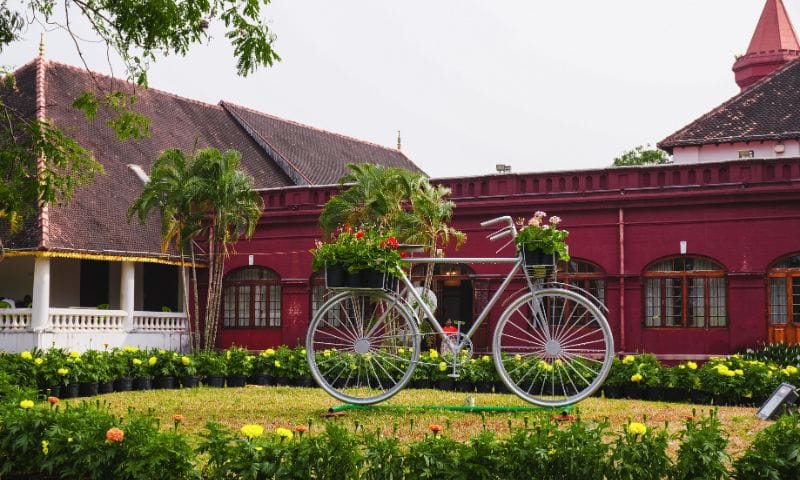
Kochi does not behave like a typical Indian city. It is spread across a cluster of islands and peninsulas between the Arabian Sea and a network of inland lagoons, connected by ferries, bridges, and a metro that runs partly over water. That geography gives Kochi an unhurried, port-town character that feels more Southeast Asian than subcontinental. Portuguese traders arrived here in the 1500s, followed by the Dutch, and then the British, and each left architectural and cultural traces that still define the city’s character.
Fort Kochi, the old colonial quarter on the western peninsula, is where most visitors spend the majority of their time. But limiting Kochi to Fort Kochi alone means missing the spice markets of Mattancherry, the sunset promenade at Marine Drive, the beaches of Vypeen, and the backwater entry points that make Kochi the natural gateway to Kerala’s houseboat country.
These 15 places and activities cover the full range of what Kochi offers, from heritage sites and performing arts to water-based experiences and local food.
Fort Kochi is a walkable grid of colonial-era streets lined with Portuguese, Dutch, and British architecture. The area has repurposed many of its old warehouses and merchant houses into art galleries, cafes, bookshops, and boutique hotels. A two to three-hour walking tour covers the main heritage zone, including Princess Street, Bastion Street, and the streets around Santa Cruz Cathedral.
The neighbourhood’s charm is cumulative rather than monumental. No single building overwhelms, but the pattern of faded colonial facades, courtyard gardens, and church spires creates an atmosphere that rewards slow exploration. Early morning, before the heat builds, is the ideal time.
Built by the Portuguese in the 1550s and later renovated by the Dutch (which accounts for both its names), the Mattancherry Palace houses one of the finest collections of Kerala murals in the state. The murals, covering the walls of the bedchambers and coronation hall, depict scenes from the Ramayana and the Mahabharata in vivid detail. Photography is not permitted inside, which has the unintended benefit of forcing visitors to actually look at the artwork rather than photograph it.
The palace takes about an hour to tour and is located in the Mattancherry neighbourhood, a ten-minute walk from the Jewish Synagogue.
The Paradesi Synagogue, built in 1568, is the oldest active synagogue in the Commonwealth. Its floor is paved with hand-painted Chinese willow-pattern tiles, each one unique, imported in the 18th century. The brass pulpit and Belgian glass chandeliers inside give the synagogue an intimacy that larger religious buildings often lack.
Jew Town, the lane leading to the synagogue, has evolved into a dense antiques and spice market. Shops sell colonial-era furniture, brass lamps, old maps, and sacks of whole spices that perfume the entire street. Even if you are not buying, the walk through Jew Town is one of the most sensory-rich experiences in Kochi.
St. Francis Church, originally built in 1503, is the oldest European church in India. Vasco da Gama was initially buried here before his remains were later transferred to Lisbon. The church’s austere white interior, wooden ceiling beams, and hand-operated punkahs (cloth fans) preserve a simplicity that contrasts with the ornate churches elsewhere in Kerala. A visit takes 20 to 30 minutes and pairs naturally with a Fort Kochi walking tour.
Kathakali, Kerala’s classical dance-drama, combines elaborate face painting, ornate costumes, stylised hand gestures, and percussive music to retell stories from Hindu mythology. Several venues in Fort Kochi offer evening performances, typically starting with a 30-minute make-up demonstration where performers apply the intricate face paint in front of the audience, followed by the performance itself.
The Kerala Kathakali Centre and the Cochin Cultural Centre are two established venues. Watching the transformation from plain face to fully costumed character is often as engaging as the performance itself, particularly for visitors unfamiliar with the art form.
The Kerala tour packages include curated cultural experiences in Kochi, from Kathakali performances to cooking classes.
The cantilevered Chinese fishing nets along the Fort Kochi waterfront are Kochi’s most iconic image. Believed to have been introduced by traders from the court of Kublai Khan in the 14th century, the nets operate on a counterweight system that requires a team of fishermen to lower and raise them. The catch is small and ceremonial at this point, but the silhouette of the nets against an Arabian Sea sunset remains one of the most photographed scenes in southern India.
Late afternoon is the best time to visit. Fresh fish from the nets (and the adjacent market) can be bought and taken to one of the open-air grilling stalls along the waterfront, where it is cooked to order.
Marine Drive is Kochi’s modern waterfront promenade on the Ernakulam side, running along the backwater lagoon. The paved walkway is lined with benches, food stalls, and views across the water to Willingdon Island and the port. In the evening, the promenade fills with families and couples taking in the breeze and the lights reflecting off the water. A ferry from Marine Drive Boat Jetty connects to Fort Kochi in about 20 minutes, making it a practical and scenic transit option.
Bolgatty Island sits in the middle of the Kochi backwater lagoon and is home to the Bolgatty Palace, a Dutch-era mansion now operating as a heritage hotel. The island is quieter than both Fort Kochi and the Ernakulam mainland, and a short ferry ride from the High Court Jetty brings you to its tree-lined grounds. The hotel’s waterfront lawns and the nearby golf course provide a respite from the city’s busier quarters. Day visitors can use the restaurant and grounds without staying overnight.
Vypeen Island, connected to Fort Kochi by a short ferry, has a markedly different feel: quieter, more residential, and backed by Cherai Beach, a long stretch of sand where the backwaters meet the Arabian Sea. Cherai’s gentle waves and relatively uncrowded shoreline make it the best beach option near central Kochi, suitable for swimming and relaxed seaside time. The Pallipuram Fort, one of the oldest European forts in India (built by the Portuguese in 1503), is a short detour on the way to Cherai.
While Alleppey is the traditional starting point for overnight houseboat cruises, shorter backwater experiences are accessible directly from Kochi. Half-day and full-day boat trips depart from several jetties and navigate the network of canals, lagoons, and village waterways that extend south of the city. These cruises pass through coconut groves, rice paddies, and small settlements where toddy tappers climb palms and fishermen cast nets from wooden canoes.
For an extended houseboat experience, the Kerala backwater tour package includes an overnight Kettuvallam cruise from Alleppey or Kumarakom.
Kochi’s role as India’s historic spice trading port lives on in its markets. Broadway Market in Ernakulam is the largest, a dense, aromatic warren of stalls selling whole cardamom, black pepper, star anise, cinnamon, turmeric, and cloves by the kilogram. Jew Town in Mattancherry is a smaller, more curated version with spices alongside antiques and handicrafts. Buying spices in Kochi is significantly cheaper than at tourist-facing shops elsewhere in Kerala and is one of the most practical souvenirs you can carry home.
The stretch of open-air grilling stalls near the Chinese fishing nets is Kochi’s most distinctive dining experience. You select your fish (typically pomfret, kingfish, prawns, or squid) from the display, choose your preparation (grilled with masala, fried, or with Kerala curry sauce), and it is cooked to order at a table overlooking the harbour. The fish is as fresh as it gets, often caught that same morning.
For a more formal Kerala meal, several restaurants in Fort Kochi serve the traditional Sadya, a multi-course vegetarian feast served on a banana leaf, particularly during Onam festival season (August to September).
The Kochi-Muziris Biennale, held every two years (the next edition is expected in 2025 or 2026), has transformed Fort Kochi into one of India’s most important contemporary art hubs. Even outside Biennale years, the murals, installations, and gallery spaces that the event has seeded remain visible across the neighbourhood. Pepper House, David Hall, and the Aspinwall House are permanent gallery venues that host rotating exhibitions. The street art on the walls of Fort Kochi’s older buildings adds colour and visual interest to any walking tour.
Several operators run sunset boat cruises from Fort Kochi and Marine Drive that loop through the harbour, past the container port, around Willingdon Island, and back along the waterfront as the sun drops behind the Chinese fishing nets. The cruises typically last 90 minutes to two hours and include views of the port, naval base, and the skyline from the water. Some operators offer dinner cruises with Kerala cuisine served on board. This is a low-effort, high-reward activity that works for all ages and fitness levels.
The spice-growing regions of Thekkady and Munnar are a four to five-hour drive from Kochi, but smaller spice gardens closer to the city (in the hills east of Ernakulam) offer half-day plantation visits where guides walk you through working cardamom, pepper, vanilla, and cinnamon plots. These tours explain the cultivation process, let you taste fresh spices, and typically include a traditional Kerala lunch. For visitors who want the spice experience without the full drive to Thekkady, this is a practical compromise.
The Kerala spice tour package extends this experience into a full multi-day itinerary through Munnar and Periyar.
October to March is the most comfortable window, with dry weather, moderate humidity, and temperatures between 24 and 32 degrees Celsius. The monsoon months (June to August) bring heavy rain but also lush greenery and Ayurvedic wellness season. The Kochi-Muziris Biennale, when it runs, falls in December to March and adds a major cultural layer to any winter visit.
Cochin International Airport (COK), 30 kilometres northeast of Fort Kochi, has direct flights from all major Indian cities and international connections to the Middle East and Southeast Asia. The Ernakulam Junction and Ernakulam Town railway stations connect Kochi to the national rail network. Within the city, the Kochi Metro runs from Aluva to Pettah, and ferries between Fort Kochi, Ernakulam, Vypeen, and Bolgatty are frequent, affordable, and scenic.
Two to three days is sufficient to cover Fort Kochi’s heritage sites, Marine Drive, a Kathakali performance, the spice markets, and a short backwater cruise. Adding Cherai Beach and a day trip requires four days. If you are continuing to Munnar and Alleppey, plan five to seven days with Kochi as your base and starting point.
The Kochi tour packages offer guided itineraries ranging from three to ten days, customisable by interest and pace.
Kochi’s appeal is its layering. Portuguese churches sit next to Hindu temples and a Jewish synagogue within a few hundred metres. A spice market and a contemporary art gallery share the same street. A fishing net and a container ship operate in the same harbour. That density of contrast, compressed into a walkable city with good food and reliable ferries, is what makes Kochi one of the most rewarding entry points to Kerala and to southern India more broadly.
Memorable India’s Kerala specialists design customised Kochi itineraries with heritage walks, backwater cruises, cultural performances, and extensions to Munnar, Thekkady, and Alleppey. Get in touch to start planning.
Two to three days covers Kochi’s core attractions comfortably: Fort Kochi, Mattancherry, Marine Drive, a Kathakali performance, and the spice markets. Four days allows for Cherai Beach, a backwater cruise, and a more relaxed pace. Kochi also serves as the starting point for longer Kerala itineraries covering Munnar, Thekkady, and Alleppey.
Fort Kochi is the best area for tourists. It puts you within walking distance of the heritage sites, galleries, restaurants, and the Chinese fishing nets. Heritage homestays and boutique hotels in restored colonial buildings are the standout accommodation options. Ernakulam is more commercial and suits business travellers or those preferring modern hotel chains.
Kochi is well suited for families. Fort Kochi’s flat, walkable streets are manageable with young children. The ferry rides, Cherai Beach, the fishing nets, and the Kathakali make-up demonstrations are naturally engaging for children. Several hotels offer family rooms and swimming pools.
The Kerala family packages include child-specific activities like cooking demos, coir weaving, and guided plantation visits.
Kerala seafood (grilled kingfish, prawn curry, karimeen fry) is the star of Kochi’s food scene. For a traditional vegetarian experience, try a Kerala Sadya, a multi-course banana-leaf meal. Appam (rice pancake) with stew, puttu (steamed rice cake) with kadala curry, and Kerala parotta with beef fry are everyday dishes worth seeking out. Kochi’s bakeries also serve excellent banana chips and tea-time snacks.
October to March is the most pleasant period, with dry weather and moderate temperatures. December to February is peak season, coinciding with the Biennale (when applicable) and Christmas/New Year celebrations in Fort Kochi. The monsoon months (June to August) are rainy but offer a different beauty and are ideal for Ayurvedic treatments.
Half-day and full-day backwater cruises depart from several jetties near Kochi and navigate the canal network south of the city. For the full overnight houseboat experience, Alleppey (approximately 60 kilometres south) is the traditional starting point and is accessible by road in about 1.5 hours from Kochi.
Top 7 South Indian Temples Known for Their Architectural Beauty
16 Oct 2026
What to Expect On Your Dream Alleppey Houseboat Trip
15 Oct 2026
12 Top Tourist Destinations in Jammu and Kashmir for a Memorable 2026 Trip
13 Oct 2026
12 Tips to Remember Before Holidaying in the Northeast Indian States
11 Oct 2026
An Aesthetic Guide for Kerala Tour: Backwaters, Tea Hills and Coastal Light
11 Oct 2026


