 +919871148514
 info@memorableindia.com
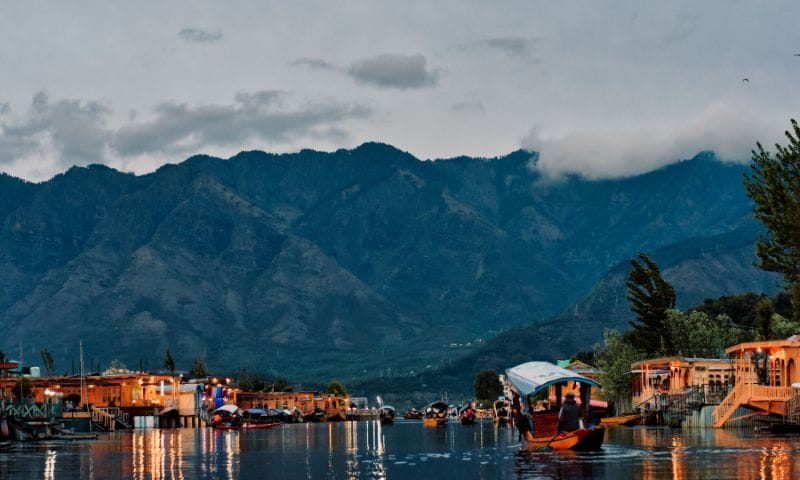
By mid-May, Shimla’s Mall Road is shoulder-to-shoulder. Manali’s traffic jams start at Solang Valley and end somewhere near the petrol pump. Mussoorie’s Gun Hill cable car has a 90-minute queue. The irony of escaping the plains heat only to stand in a crowd at 2,000 metres is not lost on anyone who has tried it. The good news is that North India’s Himalayan belt is far wider and deeper than its handful of famous hill stations suggest. Within a few hours’ drive of these crowded hotspots sit valleys, villages, and ridgelines where the summer temperature stays between 12 and 22 degrees Celsius, the accommodation is a riverside homestay or a forest camp, and the only queue is the one formed by langurs waiting for the morning sun.
This guide covers eight secret summer destinations in North India that most travel itineraries overlook. These are not undeveloped wilderness areas. They have road access, accommodation, and mobile connectivity (mostly). They are simply quieter, less commercialised, and more rewarding for travellers who want mountains without the circus. For a comparison with the more established options, our guide on summer hill station tours with prices provides a useful benchmark.
Tirthan Valley sits at roughly 1,600 metres in the Kullu district, adjacent to the Great Himalayan National Park (a UNESCO World Heritage Site). Summer temperatures range between 15 and 22 degrees Celsius, and the valley’s character is defined by the Tirthan River, a clear, fast-flowing trout stream that runs through the entire length of the settlement. Unlike Kullu or Manali, Tirthan has no main bazaar, no traffic congestion, and no large hotel blocks. Accommodation is mostly in riverside guesthouses, wooden cottages, and small eco-lodges. The pace is deliberately slow. Trout fishing in the Tirthan River (catch and release, with a permit from the forest department) is the signature activity. Treks to Serolsar Lake and the Great Himalayan National Park’s Tirthan entrance add a walking dimension. The valley is about 500 kilometres from Delhi, reachable via Aut on the Manali highway, with a turnoff that leads into progressively quieter terrain. For those interested in camping in this region, our blog on summer campsites in the Himalayas includes Tirthan among its top picks.
Chopta is a small meadow settlement at 2,680 metres in the Garhwal Himalayas, and it serves as the base for the trek to Tungnath, the highest Shiva temple in the world at 3,680 metres. The trek from Chopta to Tungnath is roughly 3.5 kilometres and takes about two to three hours at a comfortable pace. An additional 1.5 kilometres beyond Tungnath takes you to Chandrashila Peak at 4,000 metres, where the panoramic view includes Nanda Devi, Trishul, Chaukhamba, and Kedarnath on clear days. In summer, Chopta’s meadows are green and dotted with wildflowers, and the temperature stays between 10 and 20 degrees Celsius. There are no large hotels here, just basic guesthouses, tents, and dhabas. That is the point. Chopta is about 240 kilometres from Dehradun (roughly nine hours by road via Rudraprayag). It is best suited for travellers comfortable with basic infrastructure and interested in trekking. Our guide on Himalayan trails for beginners covers the Chopta-Tungnath-Chandrashila route in detail.
Kanatal is a village at 2,590 metres, just 78 kilometres from Dehradun and 38 kilometres beyond Mussoorie. That proximity to Mussoorie is what makes it surprising: most travellers turn around at Mussoorie and never realise that a quieter, higher, and more forested alternative is barely an hour further up the road. The village is surrounded by deodar and oak forests, apple orchards, and open meadows with views of snow-capped peaks.
Summer temperatures in Kanatal hover between 14 and 23 degrees Celsius. The Surkanda Devi Temple, accessible by a short trek from a nearby ridge, offers panoramic Himalayan views and is a popular sunrise spot. The Kodia Forest nearby provides gentle walking trails through dense woodland. Camping is the primary accommodation format here, with several well-run forest camps offering Swiss tents, bonfires, and adventure activities like rappelling and rock climbing. For families looking for a quieter alternative to Mussoorie, Kanatal is one of the most practical choices in Uttarakhand. Our blog on summer camping in Uttarakhand covers camp options in this region.
Lansdowne is a military cantonment town at 1,700 metres in the Garhwal hills, and its status as a cantonment is exactly what has kept it quiet. Commercial development is restricted, traffic is minimal, and the town retains a colonial-era character that busier hill stations lost decades ago. Victorian-era bungalows, St. Mary’s Church, and the Garhwal Rifles Regimental Museum anchor the historical side. The Tip-n-Top viewpoint offers sunrise and sunset views across the Shivalik ranges, while Bhulla Tal, a small artificial lake, is a gentle spot for boating and walking. Lansdowne is roughly 250 kilometres from Delhi (about six to seven hours by road), making it viable for a weekend trip. Summer temperatures sit between 15 and 25 degrees Celsius. Accommodation is limited to a handful of hotels and guesthouses, which keeps the crowds naturally small. For a deeper look at the town, our dedicated blog on why Lansdowne should be your next hill station escape covers planning details, sightseeing, and what to expect.
Pangot is a small village just 15 kilometres from Nainital, yet most visitors to Nainital have never heard of it. The drive from Nainital passes through the forested areas around Snow View Peak and Kilbury, both of which are excellent birdwatching spots in their own right. Pangot itself is home to over 300 recorded bird species, including the Himalayan griffon, lammergeier, forktail, and various species of thrush, woodpecker, and pheasant. Ornithological camps and birdwatching walks are organised regularly.
Beyond birdwatching, Pangot offers forest walks through oak and rhododendron canopy, with views across the Kumaon hills. Eco-lodges and small homestays are the primary accommodation, with no large commercial hotels. The village is quiet year-round, but summer (April to June) is the most comfortable season for visiting, with temperatures between 15 and 25 degrees Celsius. For travellers visiting Nainital who want a day trip or an overnight stay in a genuinely peaceful setting, Pangot is the most accessible hidden gem in the Kumaon region. It is also a good add-on for anyone following our guide on hill stations near Delhi.
Munsiyari sits at 2,200 metres in the Pithoragarh district, in the far northeastern corner of Uttarakhand, and it is often described as ‘Little Kashmir’ for its mountain scenery. The town’s defining feature is its unobstructed view of the Panchachuli peaks, a row of five snow-capped summits that glow pink at sunrise and gold at sunset. The drive to Munsiyari is long (roughly 540 kilometres from Delhi, or about 14 hours by road), which is precisely why it stays uncrowded.
Munsiyari is a base for serious trekking routes, including Milam Glacier and Ralam Glacier, but it also works for travellers who simply want to sit and look at mountains. Khaliya Top, a moderate trek of about 10 kilometres round trip, offers meadow views of the entire Panchachuli range. The surrounding forests hold 17 varieties of rhododendron, and the local Johar tribal culture adds a dimension that more generic hill stations lack. Summer temperatures range from 15 to 22 degrees Celsius. Accommodation is basic but adequate, with guesthouses and a few government rest houses.
Jibhi is a hamlet in the Banjar Valley of Himachal Pradesh, at roughly 2,000 metres. It has gained some visibility on social media in recent years but remains far less developed than Kasol, Manali, or even Tirthan Valley. The village is characterised by dense forests, small waterfalls, Victorian-era wooden cottages converted into guesthouses, and a riverside setting that feels more like a forest retreat than a tourist destination. Summer temperatures stay between 12 and 24 degrees Celsius. The Jibhi Waterfall, a short walk from the village, and the hike to Serolsar Lake (shared with the Tirthan Valley trail network) are the main outdoor activities. The Great Himalayan National Park is accessible from Jibhi as well. What makes Jibhi work as a summer retreat is its size: the village is small enough that even a modest number of visitors fills the available guesthouses, which naturally caps the crowd. It pairs well with Tirthan Valley for a five-to-seven day Himachal itinerary. Our Himachal tour package from Delhi can be customised to include these offbeat valleys alongside the more established stops.
Gurez is arguably the most remote destination on this list, and it is also the most visually dramatic. The valley sits at roughly 2,400 metres in the Bandipora district of Kashmir, about 123 kilometres from Srinagar via the Razdan Pass. It was a restricted military zone until relatively recently, and tourism infrastructure is still in its early stages, which keeps the experience raw and uncrowded. The Kishanganga River runs through the valley, flanked by barley fields, log houses, and steep mountain walls.
The Habba Khatoon peak, named after a 16th-century Kashmiri poetess, overlooks the valley and is one of the most photographed natural landmarks in the region. Dawar, the main village, has a handful of guesthouses and a few homestays. The road to Gurez is open only from June to October (the Razdan Pass closes in winter due to snow), so the summer window is both the best and the only time to visit. A permit may be required for non-Indian nationals. Gurez is best suited for travellers who have already seen the standard Kashmir circuit and want something genuinely off the map. For a broader picture of offbeat mountain destinations, our blog on offbeat hill stations in India covers hidden retreats across multiple states.
The choice depends on three things: how far you are willing to drive, how basic you are willing to go with accommodation, and what you want from the trip. Kanatal and Lansdowne are the most accessible from Delhi (six to eight hours by road) and have the most comfortable accommodation. They suit families and couples who want a quiet weekend without roughing it. Pangot works as a day trip or overnight extension from Nainital. Tirthan Valley and Jibhi are mid-range in both distance and infrastructure, ideal for five-to-seven day getaways combining gentle walks with riverside relaxation. Chopta and Munsiyari demand more travel time and offer more basic facilities, but the landscapes are in a different league entirely. Gurez is for the committed traveller who wants genuinely frontier-level exploration. A useful reference for comparing these with the more established hill stations is the best hill stations in India guide, which covers the full mainstream spectrum.
Book accommodation in advance, even for offbeat destinations. These places have limited rooms, and during the May-to-June peak, even a small village like Jibhi or Kanatal can fill up. Homestay aggregators and direct phone bookings (often more reliable than online platforms for remote locations) are the way to go.
Carry essentials that you would not need at a mainstream hill station. A basic first-aid kit, a power bank (electricity can be inconsistent in remote valleys), warm layers even in summer (nights above 2,000 metres drop to single digits), and offline maps are all worth packing. Mobile network coverage varies: Tirthan and Jibhi have patchy signals, Munsiyari and Gurez can have extended dead zones, and Kanatal and Lansdowne are reliably connected.
Road conditions also matter. Routes to Chopta, Munsiyari, and Gurez involve stretches of narrow, winding, and sometimes unpaved mountain roads. Self-driving is possible but demands experience with hill driving. Hiring a local driver or booking through a tour operator with Himalayan experience is the safer option for first-timers. To plan a customised itinerary covering one or more of these destinations, get in touch with our travel specialists who can handle logistics, accommodation, and transport for offbeat Himalayan routes.
North India’s Himalayan belt holds far more than its postcard-famous hill stations suggest. The eight destinations in this guide, from the trout streams of Tirthan Valley to the frontier drama of Gurez, offer summer temperatures that rival Shimla and Manali, landscapes that often surpass them, and a quietness that neither can any longer provide. These are not places for travellers who need a shopping mall within walking distance. They are places for travellers who want to hear a river, see a ridge, and sleep without an alarm. The secret, of course, is that these destinations are only secret until enough people find out about them. The window of quiet access does not stay open indefinitely. If visiting one of these places has been sitting on your list, this summer is a good time to go.
Q: What are the best secret summer destinations in North India?
A: The best hidden summer destinations in North India include Tirthan Valley and Jibhi in Himachal Pradesh, Chopta, Kanatal, Lansdowne, Pangot, and Munsiyari in Uttarakhand, and Gurez Valley in Jammu and Kashmir. Each offers cool summer temperatures, minimal crowds, and distinctive mountain landscapes that mainstream hill stations no longer provide.
Q: Which offbeat summer destination near Delhi is easiest to reach?
A: Lansdowne (about 250 km, six to seven hours by road) and Kanatal (about 300 km via Dehradun, seven to eight hours) are the closest offbeat summer options from Delhi. Both have comfortable accommodation and are viable for a weekend trip. Pangot, at 15 km from Nainital, works as an add-on to a Nainital visit.
Q: Is Tirthan Valley suitable for families with children?
A: Yes. Tirthan Valley has gentle terrain, riverside guesthouses with family rooms, and activities like nature walks and trout fishing that work for children above age six. The valley does not have extreme altitudes or strenuous trekking requirements, making it comfortable for families seeking a quiet Himalayan retreat.
Q: When is the best time to visit these hidden North India destinations in summer?
A: May and June are the peak summer months for all eight destinations. April works well for lower-altitude spots like Lansdowne and Pangot. Gurez Valley is accessible only from June to October due to snow on the Razdan Pass. Chopta and Munsiyari are best from late April through June, before the monsoon arrives in July.
Q: Do these offbeat destinations have reliable mobile network and internet?
A: Connectivity varies. Lansdowne and Kanatal have reliable coverage on most networks. Tirthan Valley and Jibhi have patchy signals with intermittent data. Chopta has basic coverage. Munsiyari and Gurez can have extended areas with no signal at all. Carrying offline maps and downloading entertainment in advance is recommended for the more remote locations.
Q: How many days are needed for a trip to these secret summer destinations?
A: Lansdowne, Kanatal, and Pangot can be covered in two to three days, making them suitable for weekend trips. Tirthan Valley and Jibhi are best enjoyed over four to five days. Chopta requires three to four days including the trek. Munsiyari and Gurez need a minimum of five to six days due to long travel times and the value of spending multiple days in the area.
What’s It Like to Travel in Rajasthan, India? A Grounded Look at the Land of Kings
18 Sep 2026
Where to Stay in 15 Most Popular Indian National Parks
15 Sep 2026
Top Buddhist Pilgrimage Sites in India: A Complete Circuit Guide
10 Sep 2026
Top 6 Tiger Reserves to Visit in India for a Bucket-List Safari
05 Sep 2026
Top 30 Must-Visit Hill Stations in South India
01 Sep 2026


