 +919871148514
 info@memorableindia.com
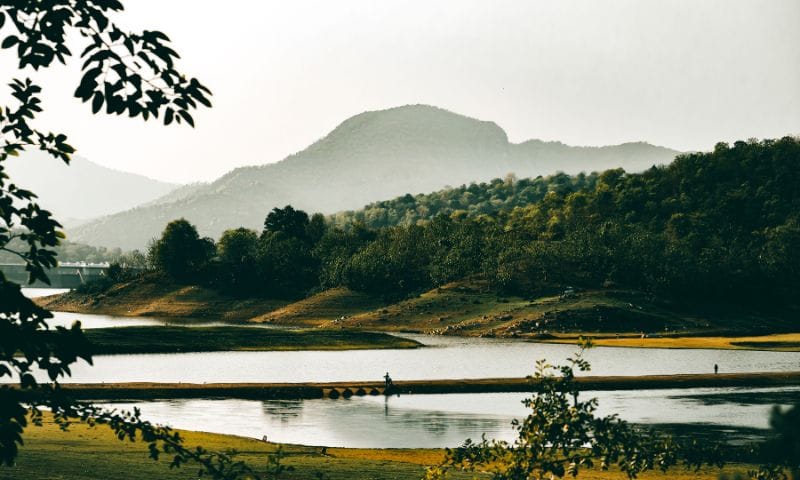
India is one of 17 megadiverse countries on the planet, a classification it shares with Brazil, Australia, and Indonesia. Within its borders sit four global biodiversity hotspots (the Western Ghats, the Eastern Himalayas, the Indo-Burma region, and the Sundaland segment of the Nicobar Islands), over 100 national parks, and more than 550 wildlife sanctuaries. Yet for decades, much of India’s tourism infrastructure was built around temples, palaces, and beach resorts, while some of the country’s most ecologically significant landscapes remained undervisited or, worse, visited without any framework for protecting them.
That is changing. Eco-tourism in India has moved from a niche concern to a genuine travel category, driven by a growing number of travellers who want their holidays to leave a lighter footprint. State governments in Kerala, Sikkim, Meghalaya, and Himachal Pradesh have invested in eco-tourism infrastructure. Community-owned homestays, responsible safari operators, and conservation-linked travel experiences are now available across the country. This guide covers the best eco-tourism destinations in India, what makes each of them significant, and how to visit them in a way that benefits both the traveller and the ecosystem.
Eco-tourism is not simply tourism that happens to be near a forest. At its core, it involves three principles: conservation of the natural environment, benefit to local communities, and education that deepens the traveller’s understanding of the ecosystem they are visiting. A destination qualifies when it has measurable conservation outcomes, when the local population is involved in and benefits from tourism activity, and when the experience itself is designed to be low-impact. The destinations listed below meet these criteria to varying degrees, and each offers something distinct in terms of landscape, biodiversity, and the type of experience available to visitors. Memorable India’s commitment to responsible and sustainable tourism practices aligns directly with this approach.
Thenmala in Kollam district holds the distinction of being India’s first planned eco-tourism destination, developed by the Kerala Forest Department in the late 1990s. It is structured around three zones: a culture zone, an adventure zone, and a leisure zone, all set against the backdrop of the Shenduruney Wildlife Sanctuary. Elevated walkways, a butterfly safari, and guided treks through the sanctuary are the core activities. The design philosophy here prioritises minimal infrastructure intrusion into the forest, with boardwalks and viewing points built to keep visitors on designated paths.
Wayanad, in northern Kerala, sits in the Western Ghats at an elevation of roughly 700 to 2,100 metres. The district is part of the Nilgiri Biosphere Reserve, and its dense forests support elephants, gaur (Indian bison), sloth bears, and an impressive roster of bird species. The Edakkal Caves contain prehistoric petroglyphs estimated to be over 6,000 years old. Wayanad’s eco-tourism model relies heavily on community homestays and tribal heritage walks, where visitors are guided by members of indigenous communities through forests and farmland. A Kerala holiday that includes Wayanad alongside Munnar and the backwaters offers a rounded eco-tourism experience.
Periyar is one of India’s most successful examples of eco-tourism directly funding conservation. The park’s Periyar Tiger Trail, a multi-day guided trek inside the reserve, is managed by former poachers and sandalwood smugglers who were rehabilitated into eco-tourism roles. Bamboo rafting on Periyar Lake, border hiking programmes, and tribal heritage experiences are all community-operated. The model here is frequently cited in conservation literature as a working example of how tourism can convert local communities from forest extractors into forest protectors.
Kaziranga is a UNESCO World Heritage Site and home to roughly two-thirds of the world’s remaining Indian one-horned rhinoceroses. The park’s grasslands, wetlands, and semi-evergreen forests along the Brahmaputra River also shelter elephants, wild water buffalo, swamp deer, and Bengal tigers. Safari options include jeep drives across four designated zones. What makes Kaziranga significant from an eco-tourism perspective is the direct link between tourism revenue and anti-poaching efforts. The park’s conservation success story, particularly for the rhinoceros population, is one of the most important in Asian wildlife history. Memorable India’s guide to Kaziranga covers the practical details of visiting.
Mawlynnong, a small village in the East Khasi Hills of Meghalaya, has been widely recognised as one of the cleanest villages in Asia. The community maintains the village’s cleanliness as a collective responsibility, with bamboo dustbins on every lane and a system of organic waste composting. Nearby, the living root bridges of Nongriat and Riwai are among the most extraordinary examples of human-nature coexistence anywhere in the world. These bridges, grown over generations by training the roots of Ficus elastica trees across rivers, are functional infrastructure built entirely from living material. The trek to the double-decker root bridge at Nongriat is steep but manageable for reasonably fit visitors.
Sikkim became India’s first fully organic state in 2016, banning synthetic fertilisers and pesticides across all its farmland. The state’s approach to tourism mirrors this commitment to environmental health. Permits are required for sensitive areas, tourist numbers are regulated in high-altitude zones, and community-based tourism initiatives operate across the state. The Khangchendzonga National Park, a UNESCO World Heritage Site, protects glaciers, alpine meadows, and rare wildlife including the snow leopard and red panda. For travellers interested in combining adventure with ecology, Memorable India’s coverage of adventurous things to do in Sikkim includes several nature-focused options.
Coorg’s coffee plantations are not just agricultural land; they function as shade-grown ecosystems that support a rich variety of bird species, butterflies, and small mammals. Several estates in Coorg operate as eco-tourism homestays, where visitors stay in plantation bungalows, participate in coffee-picking during harvest season (November to January), and join guided birdwatching walks led by local naturalists. The Nagarhole National Park on Coorg’s southern edge is part of the Nilgiri Biosphere Reserve and shelters elephants, tigers, and leopards. For travellers exploring destinations across India, Coorg represents a quieter, deeply immersive alternative to the more commercial wildlife circuits.
Agumbe, in the Shimoga district, is one of the wettest places in South India and is often called the ‘Cherrapunji of the South’. The Agumbe Rainforest Research Station (ARRS) conducts long-term studies on the king cobra and other rainforest species, and limited eco-tourism activities are available with advance arrangement. The surrounding forests, waterfalls, and sunset viewpoints make Agumbe a compelling destination for nature-focused travellers who are comfortable with basic infrastructure and genuinely want to experience a rainforest ecosystem rather than just observe it from a distance.
The Great Himalayan National Park (GHNP), a UNESCO World Heritage Site in the Kullu district, protects one of the most biologically rich Himalayan ecosystems. The park is home to the western tragopan (a critically endangered pheasant), the Himalayan brown bear, snow leopards, and over 375 species of fauna. Unlike many Indian national parks, GHNP does not offer drive-through safaris. Entry is on foot, with multi-day treks through the Tirthan Valley serving as the primary access route. Local women’s cooperatives run guesthouses and provide trekking guides, creating a direct economic link between tourism and community livelihood.
Spiti, a cold desert at altitudes between 3,800 and 4,500 metres, is one of India’s least populated and most ecologically fragile landscapes. The Snow Leopard Conservancy programme in Kibber and surrounding villages has turned local herders into conservation partners. Visitors can participate in snow leopard tracking expeditions during winter months (January to March), staying in community-run homestays and contributing directly to the programme’s funding. Outside of winter, Spiti’s ancient monasteries (Key, Tabo, Dhankar), high-altitude lakes (Chandratal), and stark mountain scenery attract travellers seeking solitude and landscape immersion.
The Sundarbans, straddling the India-Bangladesh border in West Bengal, is the world’s largest mangrove forest and a UNESCO World Heritage Site. The ecosystem is home to the Royal Bengal Tiger (uniquely adapted to a semi-aquatic mangrove habitat), saltwater crocodiles, Gangetic dolphins, and a vast array of bird species. Tourism here is inherently waterborne: boat safaris through tidal rivers and narrow creeks are the only way to explore the forest. Several community-based eco-tourism initiatives operate in the buffer zone, with local villagers serving as boatmen, guides, and cooks. The Sundarbans is one of the most unique wildlife safari experiences in India, distinct from every other national park on this list.
The Andaman Islands offer India’s best marine eco-tourism experiences. The Mahatma Gandhi Marine National Park near Wandoor protects coral reefs, sea turtles, and a range of marine biodiversity. Glass-bottom boat rides and guided snorkelling sessions allow visitors to observe the reef system without touching or disturbing it. Havelock Island’s Radhanagar Beach is well managed, with restrictions on commercial construction along the shoreline. The islands’ tribal protection zones, where contact with indigenous communities is legally prohibited, represent one of India’s most important (and ethically complex) conservation boundaries. The eco-friendly accommodation options across India detailed on Memorable India’s blog include several properties in the Andaman archipelago and mainland India.
Choose based on ecosystem interest. If you are drawn to tropical forests and water-based experiences, Kerala and the Sundarbans are natural fits. For high-altitude landscapes and snow leopard country, Spiti and the GHNP are the destinations to target. For grassland and wetland wildlife, Kaziranga stands alone. Matching the destination to your ecological curiosity makes the trip more meaningful than ticking off a list.
Travel during the responsible season. Most Indian national parks close during the monsoon (June to September) to allow ecosystems to recover. Visiting during designated open seasons is itself an act of responsible tourism. For destinations like Sikkim and Meghalaya, post-monsoon (October to November) is ideal. For Spiti, summer (June to September) and winter (January to March for snow leopard tracking) are the two windows.
Support community-operated tourism. Wherever possible, choose homestays over hotel chains, hire local guides over imported ones, and buy from village cooperatives rather than commercial outlets. The economic benefit reaching the community is what sustains conservation long-term. Memorable India’s underrated family-friendly destinations include several offbeat eco-tourism-ready locations.
Work with a tour operator who understands eco-tourism. Logistics in eco-sensitive areas are often more complex than in mainstream tourist circuits. Permits, regulated entry windows, limited accommodation options, and conservation-specific guidelines require local knowledge and advance planning. Memorable India’s team can build itineraries that combine eco-tourism destinations with practical comfort, ensuring your trip supports conservation without compromising the travel experience.
Eco-tourism in India is not a marketing label. At its best, it is travel that directly contributes to the survival of ecosystems, the livelihoods of communities who live alongside them, and the education of visitors who leave with a deeper understanding of why these places matter. From the mangrove channels of the Sundarbans to the high-altitude monasteries of Spiti, from the community-run trails of Periyar to the organic farms of Sikkim, India offers a range of eco-tourism experiences that is difficult to match anywhere else in the world.
If you are ready to plan a trip that combines meaningful nature experiences with responsible travel, connect with Memorable India’s travel specialists. The team can design an eco-tourism itinerary tailored to your interests, fitness level, and travel dates, covering permits, accommodation, and on-ground support so you can focus entirely on the experience.
For first-time eco-tourists, Kerala (Wayanad, Periyar, Thenmala) and Sikkim offer the most accessible entry points. Both states have well-developed eco-tourism infrastructure, community-based accommodation, and activities suitable for a range of fitness levels. Kaziranga in Assam is also an excellent choice for wildlife-focused first-timers, with structured safari options and nearby accommodation.
October to March is the best overall window for most eco-tourism destinations in India. National parks in central and northern India are open during this period, Kerala’s post-monsoon months offer clear skies and full waterways, and the northeast is dry and accessible. For Himalayan eco-tourism (Spiti, GHNP), June to September is the trekking season, while January to March is best for snow leopard tracking in Spiti.
Eco-tourism involves three additional commitments beyond simply visiting a natural area: active conservation of the environment, direct economic benefit to local communities, and an educational component that deepens the visitor’s understanding of the ecosystem. Regular nature tourism may not include these elements. In practice, eco-tourism often means community-run accommodation, locally guided experiences, regulated visitor numbers, and a portion of tourism revenue funding conservation work.
Yes. Eco-tourism segments pair naturally with cultural and heritage travel. A Kerala eco-tourism itinerary (Wayanad and Periyar) combines well with a houseboat stay and Kochi heritage visit. A Kaziranga safari can be paired with a cultural tour of Assam’s tea estates and Majuli Island. Memorable India regularly builds itineraries that blend eco-tourism with heritage, wellness, or adventure components.
Several eco-tourism destinations in India are well suited for families. Kerala’s Periyar boat safaris, Wayanad’s plantation walks, and Kaziranga’s jeep safaris are accessible for children above five. Sikkim’s homestay experiences and Coorg’s plantation stays work well for families with younger children. High-altitude trekking destinations like Spiti and the GHNP are better suited for older children and teenagers.
Yes. Memorable India designs custom eco-tourism itineraries covering permits, community-based accommodation, guided experiences, transfers, and on-ground coordination. The team works with local conservation operators and homestay networks to ensure the trip is both comfortable for the traveller and beneficial for the ecosystem and community. Contact the team with your preferred destinations, dates, and group details to get a tailored proposal.

15 Amazing Temple Fairs in India: A Traveller’s Guide to Faith, Colour and Living Tradition
30 Sep 2026
13 Best Places to Explore in the Youngest State of Telangana
29 Sep 2026
12 Less Explored Destinations in Maharashtra Worth Adding to Your Travel List
28 Sep 2026
11 Must-Visit Museums in India for Wildlife Lovers
27 Sep 2026
11 Best Places in India to Celebrate Christmas
26 Sep 2026


