 +919871148514
 info@memorableindia.com
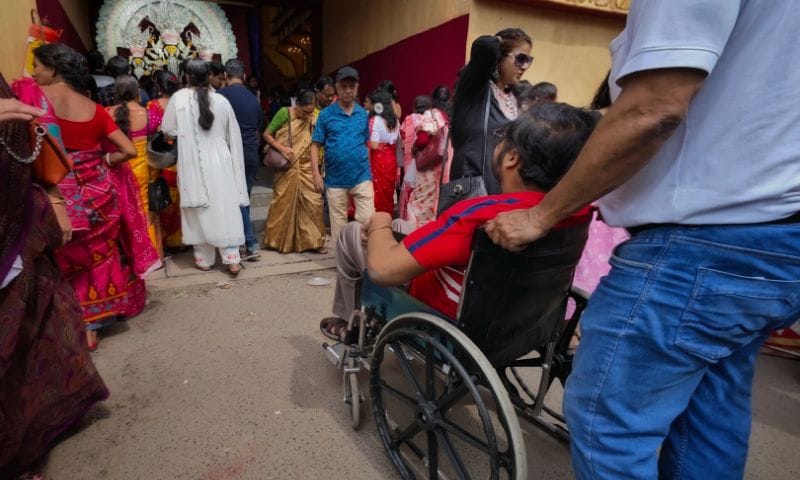
India’s tourism infrastructure was not historically designed with accessibility in mind. Ancient monuments have steep staircases, heritage cities have narrow lanes, and many tourist sites were built centuries before the concept of barrier-free design existed. That reality has not changed overnight, but it has started to shift. The Accessible India Campaign (Sugamya Bharat Abhiyan), launched in 2015, has pushed government buildings and public transport toward better accessibility. Several major tourist attractions have added ramps, wheelchair pathways, accessible restrooms, and electric vehicle services. Hotels in the four-star and five-star category increasingly offer adapted rooms. And a growing number of tour operators, including Memorable India, build itineraries specifically tailored for travellers with mobility limitations.
This guide covers the best disabled-friendly tourist places in India, what specific accessibility features each destination offers, and the practical considerations that make the difference between a manageable trip and a frustrating one. The information here is based on current infrastructure; accessibility standards in India are improving steadily, but they remain inconsistent, and advance planning with a knowledgeable operator is the single most effective way to ensure a smooth experience.
Delhi is India’s most accessible city for travellers with disabilities. The Delhi Metro, one of the largest urban rail networks in the country, has lifts, tactile flooring, and designated wheelchair spaces in every station and every train. India Gate and Rajpath (Kartavya Path) are flat, open spaces that are fully wheelchair-accessible. The Lotus Temple has purpose-built ramps and wheelchair access throughout. The National Museum and the National Gallery of Modern Art both have accessible entrances and ground-floor exhibits that can be navigated by wheelchair. Humayun’s Tomb has improved pathways, though the internal chambers involve steps. The Qutub Minar complex has paved paths around the base and the surrounding ruins, though the minaret itself is closed to all visitors. For travellers planning a broader Delhi-based trip, the Golden Triangle tour can be adapted for accessibility with advance coordination.
The Taj Mahal has made notable accessibility improvements. Battery-operated vehicles (golf carts) are available from the parking area to the main gate, eliminating the 500-metre walk. Inside the complex, the pathways leading to the main mausoleum are flat and paved. Wheelchair access to the raised marble platform (the main level of the Taj Mahal) is available via a ramp on the eastern side. Wheelchairs are available for hire at the entrance. The Agra Fort is partially accessible: the Diwan-i-Am (Hall of Public Audience) and some ground-level areas can be reached by wheelchair, though the upper levels and many internal chambers involve steps and are not accessible.
Jaipur’s accessibility is mixed. The City Palace’s ground-floor areas, including the Mubarak Mahal courtyard and the textile museum, are wheelchair-navigable. The Hawa Mahal is best appreciated from the outside (the internal staircase is narrow and steep). The Albert Hall Museum (Central Museum) has accessible entrances and ground-floor galleries. Jantar Mantar, the astronomical observatory, has open-air instruments on a largely flat site, though some instruments require climbing. Amber Fort, despite its magnificence, remains the most challenging site for wheelchair users due to its hilltop location and stepped interiors; however, the Jeep ride up to the fort entrance reduces the physical effort, and the main courtyard area is partially navigable. Memorable India’s approach to maintaining high standards includes adjusting itinerary pacing, vehicle selection, and accommodation for travellers with mobility needs.
Goa’s naturally flat coastal terrain makes it one of the most inherently accessible tourist destinations in India. The roads are relatively smooth compared to hillier states, and the distances between attractions are short. Several beaches along the north and south coast have introduced beach wheelchairs (amphibious wheelchairs with wide, sand-friendly tyres) that allow mobility-impaired visitors to reach the waterline. Calangute and Baga beaches in North Goa have been among the first to adopt this initiative.
Many of Goa’s four-star and five-star resorts offer accessible rooms with roll-in showers, grab bars, and wider doorways. The Basilica of Bom Jesus in Old Goa has a relatively flat approach and ground-level access to the main hall. The spice plantation tours in central Goa are conducted on flat, well-maintained garden paths. Dolphin-spotting boat trips depart from several beaches and can be arranged with assisted boarding for travellers with limited mobility. A Goa holiday package designed with accessibility in mind can include all of these elements with pre-arranged transport and accommodation.
Kerala’s backwaters offer one of the most unique accessible travel experiences in India. The traditional kettuvallam (houseboat) is a single-level vessel with a flat deck, a ground-floor bedroom, and an onboard bathroom. Boarding requires stepping from a jetty onto the boat (a short step that can be assisted by the crew), and once aboard, all areas are on a single level with no stairs. For wheelchair users who can transfer with assistance, a houseboat stay in Alleppey or Kumarakom is genuinely feasible and deeply rewarding.
Fort Kochi’s heritage quarter is largely flat and walkable, with the Chinese fishing nets, St. Francis Church, and the Mattancherry Dutch Palace all on ground level. Munnar’s tea plantations are hillier, but the Tea Museum and several plantation viewpoints are accessible by vehicle with minimal walking. Kovalam Beach has a gentle slope to the water and several accessible resorts along its shore. A Kerala holiday package can be structured to prioritise flat-terrain destinations and houseboat stays for travellers with mobility limitations.
Pondicherry’s French Quarter (White Town) is one of the most wheelchair-friendly urban areas in India. The grid-pattern streets are flat, relatively wide, and lined with colonial-era buildings, cafes, and boutiques. The Rock Beach promenade, a 1.5-km seafront walkway, is fully paved and flat, making it accessible for wheelchairs and mobility scooters. The Aurobindo Ashram is on a single level. Paradise Beach (reached by a short boat ride from Chunnambar Boathouse) has flat sand and calm water. The town’s compact geography means most attractions are within a short drive of each other, reducing transfer fatigue.
Mysore Palace’s ground floor is accessible to wheelchair users, and the palace authorities provide assistance for visitors with disabilities. The Brindavan Gardens, attached to the Krishnarajasagara Dam, have flat, paved pathways throughout and are fully wheelchair-accessible. The musical fountain show, held in the evenings, has designated seating areas. The Chamundi Hill temple at the summit requires a vehicle ride (the road goes to the top), and the temple entrance is partially accessible. Mysore’s overall flat urban layout and relatively uncrowded streets make it one of the easier South Indian cities to navigate with a wheelchair.
Udaipur’s Lake Pichola boat rides are available with assisted boarding, and the lake-level restaurants and cafes around Gangaur Ghat are accessible. The City Palace has lifts that serve some sections, though the older parts remain stepped. The Saheliyon ki Bari garden is flat and wheelchair-navigable. For travellers on luxury India tours, Udaipur’s heritage hotels (including the Taj Lake Palace and the Oberoi Udaivilas) offer adapted rooms and personalised assistance.
Varanasi’s ghats are steep and stepped, making them one of the most challenging environments in India for wheelchair users. The workaround is the river: the evening Ganga Aarti at Dashashwamedh Ghat can be viewed from a private boat on the Ganges, which eliminates the need to navigate the ghat steps entirely. The boat approach also allows access to the morning ghats experience (bathing, cremation rituals, temple bells) without touching the stairs. The Sarnath Buddhist site, 10 km from Varanasi, is flat, open, and wheelchair-accessible. For travellers on a pilgrimage tour, Varanasi can be made accessible with advance planning and boat-based sightseeing.
The Gateway of India and the Taj Mahal Palace Hotel area are flat and accessible. Marine Drive’s promenade is a fully paved, flat walkway along the Arabian Sea. The Chhatrapati Shivaji Maharaj Vastu Sangrahalaya (formerly Prince of Wales Museum) has accessible entrances and ground-floor galleries. Mumbai’s suburban railway system is gradually improving accessibility, though it remains challenging during peak hours. For sightseeing, a private vehicle with an accessible-aware driver is the most practical option.
Book accessible accommodation in advance. Four-star and five-star hotels in major cities typically offer adapted rooms (roll-in showers, grab bars, lower beds, wider doors), but these rooms are limited in number and need to be specifically requested at the time of booking. Confirm the exact accessibility features by phone or email before paying; the term ‘accessible room’ can mean different things at different properties.
Arrange ground transport with accessibility in mind. Standard tourist vehicles in India (Innova, Tempo Traveller) are not wheelchair-accessible. A private sedan with a foldable wheelchair stored in the boot, combined with a driver who is briefed on the traveller’s needs, is the most practical arrangement. Some operators in Delhi and Mumbai can arrange modified vehicles with ramps, but these must be booked well in advance.
Communicate needs early and in detail. The single most effective step for accessible travel in India is working with a tour operator who understands the specific requirements. Memorable India adjusts itinerary pacing, selects ground-floor rooms, arranges assisted boarding for boat rides, and pre-scouts sites for accessibility as part of its customised tour planning process. Sharing your mobility specifications (wheelchair type, transfer ability, walking distance tolerance) at the planning stage allows the team to build an itinerary that avoids surprise barriers.
Be realistic about limitations. India’s heritage sites are centuries old, and many cannot be fully retrofitted for wheelchair access without compromising their structural integrity. Some sites (Amber Fort’s upper levels, Varanasi’s ghat staircases, Mehrangarh Fort’s ramparts) will remain inaccessible regardless of planning. The key is focusing on what is accessible and building the itinerary around those experiences, rather than attempting sites that will result in frustration. For a broader view of destinations across India, the guide covers destinations that can be assessed for accessibility based on terrain and infrastructure.
Accessible travel in India is not yet where it needs to be, but it is measurably better than it was a decade ago. The Taj Mahal has wheelchair ramps. Delhi’s metro has lifts in every station. Goa’s beaches have amphibious wheelchairs. Kerala’s houseboats are single-level vessels that work for travellers who can transfer with assistance. These are not perfect solutions, but they are real ones, and they make meaningful India travel possible for travellers with disabilities.
If you or someone in your group has a disability and you are considering a trip to India, Memorable India’s travel team can design an itinerary built around accessibility from the ground up. The team handles accommodation vetting, transport arrangement, site pre-scouting, and on-trip support to ensure the trip works for everyone in the group. Share your requirements, and the team will build a plan that focuses on what you can experience, not what you cannot.
Delhi (metro accessibility, flat landmarks like India Gate and Lotus Temple), Agra (Taj Mahal wheelchair ramps and golf carts), Goa (flat terrain, beach wheelchairs, accessible resorts), Kerala (single-level houseboats, flat Fort Kochi), Pondicherry (flat French Quarter, paved promenade), and Mysore (accessible palace ground floor, flat Brindavan Gardens) are among the most disabled-friendly tourist destinations in India.
Yes, with improvements. Battery-operated golf carts transport visitors from the parking area to the main gate. Inside the complex, paved pathways lead to the mausoleum. A ramp on the eastern side provides wheelchair access to the raised marble platform. Wheelchairs are available for hire at the entrance. The interior of the main tomb chamber involves a few steps and is not fully wheelchair-accessible.
Four-star and five-star hotels in major cities (Delhi, Mumbai, Jaipur, Goa, Kochi) typically offer adapted rooms with roll-in showers, grab bars, and wider doorways. These rooms are limited in number and should be specifically requested at the time of booking. Budget and mid-range hotels rarely have adapted rooms. Confirm exact accessibility features directly with the property before paying.
Yes. Kerala’s traditional houseboats (kettuvallam) are single-level vessels with flat decks, ground-floor bedrooms, and onboard bathrooms. Boarding requires a short step from jetty to boat, which can be assisted by the crew. For wheelchair users who can transfer with assistance, a houseboat stay in Alleppey or Kumarakom is both feasible and rewarding.
Work with a tour operator experienced in accessible travel. Communicate your specific mobility requirements (wheelchair type, transfer ability, walking tolerance) at the planning stage. Book accessible accommodation in advance. Arrange a private vehicle with a driver briefed on your needs. Focus the itinerary on destinations with proven accessibility infrastructure (Delhi, Goa, Kerala, Pondicherry) rather than heavily stepped heritage sites.
Yes. Memorable India builds customised itineraries for travellers with disabilities, adjusting pacing, vehicle selection, accommodation, and daily logistics around specific mobility needs. The team pre-scouts sites, arranges ground-floor rooms, coordinates assisted boarding for boats, and provides on-trip support. Contact the team with your requirements for a tailored accessible travel plan.
10 Most Significant Buddhist Pilgrimage Sites in India: Complete Travel Guide
19 Oct 2026
A First-Time Traveller’s Guide to Car Rental in India
18 Oct 2026
13 Best Things to See and Do in Mizoram: A Traveller’s Guide to India’s Northeast Gem
17 Oct 2026
Top 7 South Indian Temples Known for Their Architectural Beauty
16 Oct 2026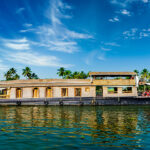
What to Expect On Your Dream Alleppey Houseboat Trip
15 Oct 2026


