 +919871148514
 info@memorableindia.com
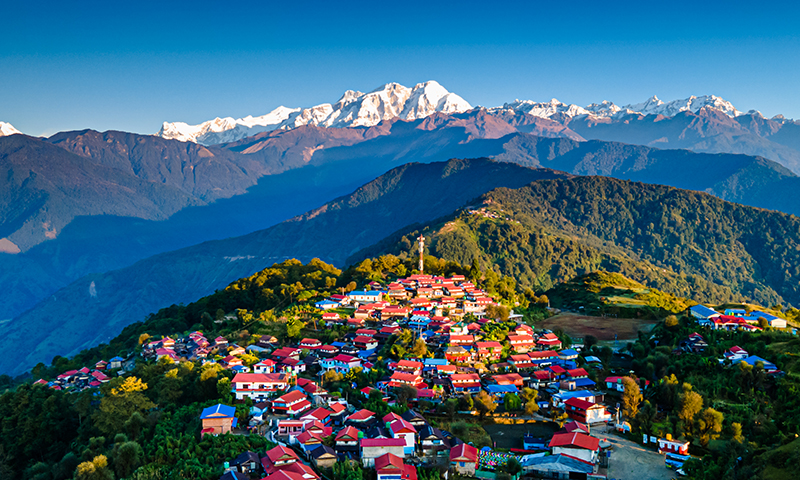
Nepal sits closer to most Indian cities than Goa does, yet delivers a completely different world within a few hours of travel. The Himalayan skyline, Buddhist stupas, quiet lakes, jungle safaris, and shared cultural roots make it one of the easiest international trips an Indian passport holder can take. What trips up first-time visitors is not the destination but the planning around it: which route to pick, what documents work at the border, when to go, and how to structure the days.
This Nepal travel guide from India walks through the practical decisions that shape a good holiday, from paperwork and routes to city-by-city highlights, budgets, and small habits that keep the trip running smoothly.
Nepal is the rare international destination that does not demand a visa, a foreign currency exchange headache, or a language barrier for Indian citizens. The Indian rupee is widely accepted in most tourist areas, Hindi is understood almost everywhere, and the cultural rhythm of temples, tea, and mountain valleys feels familiar without feeling repetitive.
The country condenses an unusual variety of experiences into a small footprint. A single week can combine the medieval alleys of Kathmandu, the lakes and paragliding runs of Pokhara, a jungle safari in Chitwan, and a Himalayan sunrise from Nagarkot or Sarangkot. Few destinations offer this range without long transfer days.
Getting to Nepal is straightforward, and the right choice depends on where you live, how much time you have, and how comfortable you want the journey to be.
Direct flights connect Delhi, Mumbai, Bengaluru, Kolkata, and Varanasi to Kathmandu Tribhuvan International Airport. Flight time from Delhi is around 1 hour 45 minutes. Airlines like IndiGo, Air India, and Nepal Airlines operate this route regularly. Booking three to five weeks in advance usually secures the best fares, and shoulder months such as September and February are noticeably cheaper than October or December.
The overland route is popular for travellers from Bihar, Uttar Pradesh, and West Bengal. The main entry points are Sunauli (near Gorakhpur), Raxaul (near Patna), and Panitanki (near Siliguri). Buses and shared jeeps run from these border towns to Kathmandu, Pokhara, and Chitwan. Self-drive is possible but requires proper vehicle papers and patience with mountain roads.
There is no direct passenger train from India to Nepal cities like Kathmandu or Pokhara. The common workaround is to take a train to Gorakhpur or Raxaul and continue by bus. This combination works well for budget travellers and those who enjoy slower travel through the plains before climbing into the hills.
Indian citizens do not need a visa to enter Nepal, but they do need proof of identity that immigration officers will actually accept. This is where most confusion happens.
Travel insurance is not mandatory but strongly recommended, especially if the itinerary includes trekking, paragliding, or road travel to higher altitudes. Currency wise, Indian notes of Rs 100 and below are freely usable in Nepal. Higher denomination notes like Rs 500 and Rs 2000 are technically restricted, so exchanging enough Nepali rupees at the border or an ATM is the cleaner approach.
Nepal has four distinct travel windows, and picking the right one changes the entire feel of the trip.
For a first Nepal trip from India, mid-October to late November is the sweet spot. Families with school-going children often prefer late December or the March-April window instead.
The right length depends on how far you are travelling and what you want to feel by the end of the trip. Three sample structures work for most first-time visitors.
Two nights in Kathmandu covering Pashupatinath, Boudhanath, Swayambhunath, and Durbar Square, followed by two nights in Pokhara for Phewa Lake, Sarangkot sunrise, and Devi Falls, with an optional day trip to Nagarkot for Himalayan views on the way back. This suits couples and small families flying in and out of Delhi or Mumbai.
The classic route plus two nights at Chitwan National Park for jungle safaris and Tharu village walks, and a scenic mountain flight from Kathmandu for those who want to see Everest without trekking. This works well for parents travelling with children or seniors who want variety without long trekking days.
A slower, softer version of the classic route with lakeside cottages in Pokhara, private boat rides on Phewa Lake, sunrise at Sarangkot, and quiet evenings in Kathmandu. Our Kathmandu Chitwan Pokhara honeymoon tour is designed exactly for this pace, blending city, jungle, and mountain moments without the checklist feeling.
A first-time Nepal itinerary usually revolves around four or five anchor destinations. Each one earns its place for a different reason.
The cultural heart of the country. Pashupatinath at dawn, Boudhanath at dusk, and the tangle of lanes around Thamel in between. Day trips to Bhaktapur and Patan add depth without needing an extra overnight. For a closer look at nearby green escapes, our guide on the best natural places to visit in Kathmandu is a useful companion for planning day trips around the capital.
Six to seven hours by road from Kathmandu, or a short flight. Pokhara is where the trip shifts gears. Phewa Lake, the World Peace Pagoda, the caves at Mahendra Gufa, and paragliding off Sarangkot are the main draws. It is also the launchpad for shorter Annapurna treks like Poon Hill.
A UNESCO-listed lowland park in the Terai region. Jeep safaris, canoe rides on the Rapti River, and Tharu cultural evenings are the standard experience. One-horned rhinos and gharial crocodiles are the headline sightings, with tigers as a rare bonus.
The birthplace of Buddha, closer to the Indian border than to Kathmandu. Worth a stop for pilgrims or travellers combining Bodh Gaya and Sarnath with a Nepal leg. A quieter, more reflective day than the rest of the itinerary.
These two hilltop viewpoints deliver the Himalayan sunrise that most travellers actually remember. Nagarkot sits an easy drive from Kathmandu, while Sarangkot is a short ride above Pokhara.
Nepal is one of the most affordable adventure destinations in Asia. Paragliding in Pokhara, white-water rafting on the Trisuli, bungee jumping at Bhote Koshi, and shorter treks like Ghorepani Poon Hill or Mardi Himal are all achievable within a standard week. A detailed look at options is available in our roundup of the best destinations in Nepal for adventure activities, which breaks down what suits beginners versus experienced adventurers.
Nepal is genuinely affordable for Indian travellers, but a realistic budget prevents overspending on the wrong things. Rough guidance for a mid-range trip, per person on twin sharing, excluding shopping and premium adventure activities:
A well-planned 6 day trip typically lands between Rs 45,000 and Rs 75,000 per person including flights. Road-based travel from Uttar Pradesh or Bihar can bring the total below Rs 30,000. Packaged trips often work out cheaper than independent booking once you factor in guides, transfers, and predictable hotel pricing.
The cleanest way to plan Nepal trip from India is to work backwards: pick the two or three experiences that matter most (Himalayan sunrise, jungle safari, honeymoon quiet, adventure sports), then let those choices shape the cities and duration. Trying to fit every region into a single visit is the most common planning mistake, and it dilutes the experiences that would otherwise stand out. A shorter, deeper trip almost always beats a longer, thinner one. Our curated Nepal tour packages are structured around this logic, with separate itineraries for cultural, adventure, honeymoon, and family travellers.
Nepal rewards travellers who plan around what they actually want to feel, not around a fixed checklist of sights. Pace, weather, and route matter more than trying to see everything. Once those three are right, the rest of the trip settles into place. If you would like a Nepal itinerary built around your travel dates, group size, and interests, the Memorable India team is happy to design one and handle the ground logistics for you. Share your plan through our contact page and one of our travel specialists will follow up within 24 hours.
No. Indian citizens do not need a visa to enter Nepal. A valid Indian passport is the most reliable document, though a voter ID card is also accepted at land borders. Aadhaar and driving licence are not accepted as travel documents for Nepal entry.
For a first Nepal trip from India, a 5 to 7 day itinerary covering Kathmandu, Pokhara, and one hilltop viewpoint like Nagarkot or Sarangkot works best. Fly into Kathmandu, travel overland or by short flight to Pokhara, and keep at least one buffer day for weather-related changes to mountain flights or safaris.
Yes, Indian rupees are widely accepted in Nepal, but only in denominations of Rs 100 and below. Rs 500 and Rs 2000 notes are officially restricted. It is safer to withdraw Nepali rupees from ATMs in Kathmandu or Pokhara, or exchange a modest amount at the border.
The best time to visit Nepal from India is between October and early December, when skies are clear and mountain views are at their sharpest. February to April is the second-best window, with pleasant weather and blooming rhododendrons. Monsoon months from June to August are cheaper but view-limited.
A minimum of five days is enough to cover Kathmandu and Pokhara meaningfully. Adding Chitwan National Park stretches the trip to seven or eight days. Ten days allows a comfortable pace across culture, wildlife, and Himalayan viewpoints without feeling rushed.
Yes, Nepal has a strong safety record for Indian tourists, including women travelling solo. Standard precautions apply: prefer registered taxis, keep valuables in hotel safes, and use guided operators for trekking and adventure activities. Popular tourist areas like Thamel, Lakeside Pokhara, and Chitwan are well-serviced and traveller-friendly.
A Journey to Leh and Srinagar: Firsthand Travel Experience
25 Oct 2026
A Guide to Famous Temples in Himachal Pradesh
24 Oct 2026
9 Best Places to Visit in Lakshadweep, a Top Island Getaway in India
23 Oct 2026
7 Reasons Why One Should Travel by Indian Rail
22 Oct 2026
6 Reasons to Visit Chopta Valley in the Himalayas
21 Oct 2026


