 +919871148514
 info@memorableindia.com
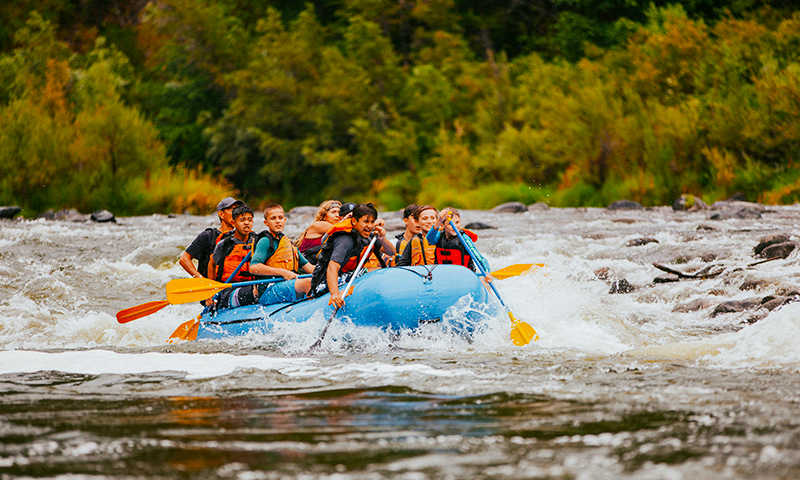
India runs on rivers, and a fair number of them roar. From glacial torrents crashing out of the Himalayas to monsoon-fed rivers punching through the Western Ghats, the country holds one of Asia’s densest concentrations of runnable whitewater. What used to be a niche pursuit for expedition kayakers has become a well-organised industry, with certified guides, standardised safety gear, and clearly graded stretches suited to every skill level.
This guide walks through the top 15 river rafting destinations in India, covering the rapid grade, ideal season, put-in points, and what kind of rafter each river actually suits. Some of these are 90-minute splash runs a first-timer can attempt on a weekend; others are multi-day Himalayan expeditions that demand months of preparation and prior whitewater experience. Treat this list as a shortlist worth bookmarking, and read the safety and season sections before you book anything.
Rafting rivers are classified on a six-point international scale. Knowing where a stretch sits on that scale is the single most useful piece of research you can do before booking.
The scale is maintained internationally by American Whitewater’s International Scale of River Difficulty, which most Indian operators follow.
No list of the best white water rafting India has to offer starts anywhere else. The Ganga between Kaudiyala and Rishikesh delivers legendary rapids like The Wall, Three Blind Mice, Roller Coaster, and Golf Course, ranging Grade II to Grade IV. Standard stretches run 9, 16, or 26 kilometres, ending near Ram Jhula or Nim Beach. Riverside camps at Shivpuri and Byasi make it easy to pair rafting with bonfires and cliff jumps. For a deeper look, our River Ganges travel guide lays out the wider context around this stretch.
Often called the Grand Canyon of India, the Zanskar cuts through vertical rock walls between Padum and Nimu. A full expedition runs six to seven days, camping on remote beaches, and touches Grade IV rapids in the Zanskar gorge. Only a short July to mid-August window is viable. If you are already exploring the region, see our roundup of adventure activities in Leh Ladakh for how rafting fits into a larger Ladakh circuit.
The Indus offers gentler Grade II to III rafting between Phey and Nimu, or slightly punchier stretches around Upshi to Kharu. Rafting altitudes hover around 3,000 metres, which means the water is bone-cold and the exertion is real. Beginners, older travellers, and first-time high-altitude rafters typically start here before considering the Zanskar. The Sangam confluence, where the milky-green Zanskar meets the muddy Indus, makes a memorable take-out point.
The Teesta, fed by glaciers in North Sikkim, produces reliable Grade II to IV rapids between Melli and Triveni, and higher-intensity runs around Makha and Sirwani. Rafts share the river with kayakers and the scenery moves through terraced villages and dense sub-tropical forest. Our guide to things to do in Sikkim covers where rafting fits alongside the state’s monasteries and lakes.
This is expedition rafting in the truest sense. The Upper Siang, part of the Brahmaputra system, produces Grade IV and V rapids like Ningging and Pulsating Pulsar. Trips run eight to ten days, self-contained, with support kayakers. It is not a weekend activity, and operators book out months ahead for the November to early-March window.
Less famous but seriously respected, the Kameng runs from Bhalukpong towards Tezpur with continuous Grade III and IV whitewater through untouched jungle. Sightings of hornbills and river otters are common. Multi-day trips of three to four days are the norm, with camps on white sand riverbanks. December to February is the sweet spot, when water levels drop enough to expose the technical lines.
The Beas between Pirdi and Jhiri offers a straightforward 14 kilometre Grade II to III run, perfect for first-timers, school groups, and corporate offsites. Season runs May to early July and again post-monsoon. Combined with paragliding at Solang and short treks around Manali, it makes Kullu one of the most family-friendly rafting bases in North India. Weekday slots are noticeably calmer than the peak-summer weekend rush.
Rafting on the Spiti is a cold-desert experience, running from Kaza towards the Sutlej confluence at Khab. Rapids stay in the Grade III range but the altitude, wind, and remoteness bump the difficulty. This is a stretch for travellers who already love Spiti and want to see it from the water.
The Sutlej near Tattapani offers Grade III and IV rapids with a bonus: natural hot springs on the riverbank at the take-out. Runs are typically 12 to 15 kilometres. It is less crowded than the Beas and appeals to rafters looking for volume and technical lines without heading as far as Ladakh.
Monsoon-fed, the Barapole in South Coorg runs from June to September through the dense Brahmagiri forests. The 4 to 5 kilometre stretch has around seven named rapids in the Grade II to IV band. It is the best white water rafting South India regularly delivers, and pairs neatly with a coffee estate stay.
Also called Kali, this river runs through the Dandeli-Anshi Tiger Reserve. Dam-released flows keep it runnable most of the year, delivering steady Grade II and III action across a 9 kilometre stretch. Dandeli’s ecotourism setup with jungle stays and coracle rides makes it a strong pick for families with older children.
The Kundalika at Kolad is arguably the most accessible weekend rafting from Mumbai and Pune, sitting roughly 120 kilometres from either city. Bhira Dam releases produce reliable Grade III rapids across a 12 to 14 kilometre run. Season is broadly year-round, dependent on the release schedule. Book slots early on weekends.
The Alaknanda between Chamoli, Rudraprayag, and Devprayag offers technical Grade III and IV rafting with continuous whitewater. Water is colder and pushier than the lower Ganga, making it a natural next step for Rishikesh graduates. The route also weaves through pilgrimage towns, which adds a cultural layer few adventure trips carry.
A tributary of the Yamuna, the Tons is considered one of India’s toughest raftable rivers, holding sustained Grade IV rapids and short Grade V drops. Standard expeditions run four to five days from Mori to Minus Cool. Only experienced rafters should attempt this, and only with operators running professional safety kayak support.
The Lohit descends from the Mishmi Hills into Assam with high-volume Grade IV whitewater and a genuine wilderness feel. Expeditions typically run six to eight days from Walong. Access requires an Inner Line Permit and, for foreign nationals, a Protected Area Permit issued through registered operators (see the Arunachal Tourism ILP portal). This is remote, committing rafting; only a handful of outfitters operate here.
Rafting is safe when it is done right, and genuinely risky when it is not. Before confirming any operator or itinerary, run through the checklist below.
Most Indian rafting programmes pair naturally with camping, trekking, or road-trip circuits. Rishikesh works as a two-day weekend break from Delhi. Ladakh rafting fits inside a wider seven to ten day Ladakh loop. Northeast expeditions demand two full weeks and a flexible mindset around weather. Kolad and Coorg suit single-night getaways from the nearest metro.
Kit-wise, quick-dry shorts or leggings, a snug synthetic top, and river sandals or old sneakers are non-negotiable. Cotton stays wet and cold. Sunscreen, a cap that fits under a helmet, and a waterproof pouch for phones and IDs are the small details that separate a comfortable day on the water from a miserable one.
Group size matters more than travellers expect. Six to eight paddlers per raft is standard; a single-family boat with children below 14 should always be discussed in advance. For customised itineraries that fold rafting into broader adventure tour packages, the team at Memorable India can match river choice to your fitness, timeline, and travel window.
India’s rafting map runs the full spectrum, from splashy weekend runs to fortnight-long Himalayan expeditions. Match the river to your experience, respect the season, and pick an operator who takes safety seriously. If you would like help shortlisting the right river, timing your trip around dam releases or snowmelt, or building a full itinerary around rafting, the Memorable India team is one message away. Get in touch here and we will craft an adventure that reads exactly like the trip you had in mind.
Rishikesh on the Ganga is the most beginner-friendly option, especially the 9 kilometre Brahmpuri to Rishikesh stretch which stays in Grade II. The Beas at Kullu and the Kundalika at Kolad are equally suitable and better placed for travellers coming from Delhi, Mumbai, or Pune.
Commercial Grade V rafting is available on the Upper Siang (Brahmaputra) and the Tons in Uttarakhand. Both are expedition-only, run by a small number of specialist operators, and require prior Grade IV rafting experience.
Most Himalayan rivers, including the Ganga at Rishikesh, close for rafting from late June through mid-September because of high, silty flows. However, monsoon is peak season for South Indian rivers like the Barapole in Coorg, which need heavy rainfall to become runnable.
Day trips at Rishikesh, Kolad, or Kullu range from about INR 600 to INR 2,000 per person depending on stretch length. Multi-day Himalayan expeditions on the Zanskar or Tons can range from INR 25,000 to INR 90,000 per person, inclusive of camping, meals, and guides.
Most operators set 14 years as the minimum for Grade II and III runs, and 16 years for Grade IV. Younger children can sometimes join the shortest Ganga or Beas stretches at the operator’s discretion, with parental consent and a swim check.
Not for Grade II runs, where the PFD keeps you buoyant and rescue is quick. For Grade III and above, basic swimming ability and comfort in fast-moving water are strongly recommended, and required by many operators.

10 Most Significant Buddhist Pilgrimage Sites in India: Complete Travel Guide
19 Oct 2026
A First-Time Traveller’s Guide to Car Rental in India
18 Oct 2026
13 Best Things to See and Do in Mizoram: A Traveller’s Guide to India’s Northeast Gem
17 Oct 2026
Top 7 South Indian Temples Known for Their Architectural Beauty
16 Oct 2026
What to Expect On Your Dream Alleppey Houseboat Trip
15 Oct 2026


