 +919871148514
 info@memorableindia.com
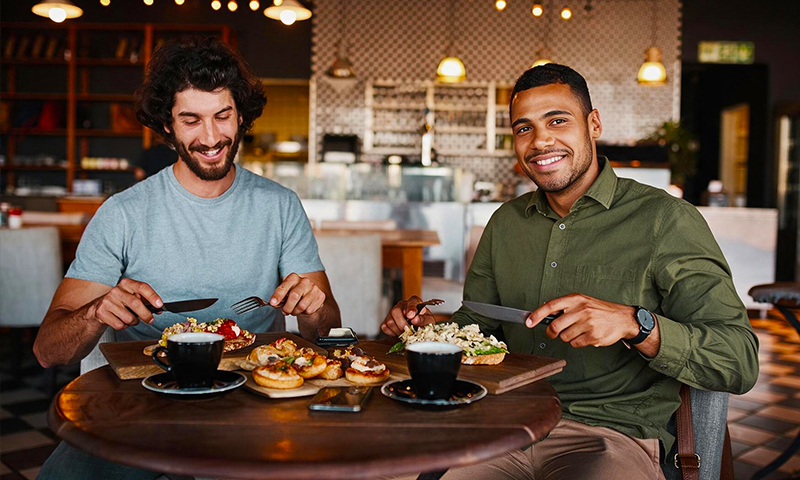
Ask a seasoned Delhi resident where to eat when you have had enough of dal, and the answer will surprise you. The capital has been quietly building one of the deepest non-Indian dining scenes in South Asia for over two decades. Sushi counters run by Japanese chefs, wood-fired pizzerias with imported buffalo mozzarella, French bistros in leafy diplomatic enclaves, Korean BBQ tables in market basements, and burger joints with proper smash patties all exist here, often within a short auto-rickshaw ride of each other.
This guide is for the traveller who has landed in Delhi and does not eat Indian food, or has simply reached the point in a longer India trip where the palate needs a break. It covers where to eat, which neighbourhoods to head to, what to expect on price, and how to sidestep the common pitfalls that catch out first-timers looking for reliable international cuisine in Delhi.
Delhi has hosted embassies, multinational offices, and a large expatriate community for decades. That demand built infrastructure most tourists never notice: specialist importers for European cheeses, direct-flight seafood from Japan, small Korean and Vietnamese grocers, and chefs trained at culinary schools in Lyon, Tokyo and New York returning home to open their own kitchens. The result is a restaurant landscape where a proper carbonara or a genuine bento tray is not a compromise but a category with its own established leaders.
The key is knowing the geography. Non-Indian restaurants in Delhi cluster in a handful of predictable zones, and once you know them, planning a meal becomes as simple as picking a market.
The most concentrated cluster of international restaurants in central Delhi. Khan Market itself packs Italian, Japanese, Thai, French, Lebanese and modern European under a fifteen-minute walking radius. Nearby Lodhi Colony hides two of the city’s better cafes for continental brunch. Expect prices in line with a mid-tier European capital and reservations recommended on weekends.
Hotel restaurants inside The Taj Mahal, The Oberoi, The Leela Palace and ITC Maurya carry some of the strongest non-Indian fine-dining kitchens in the country. This is where you find named Japanese and French chefs, tasting menus with wine pairings, and steakhouse cuts sourced from Australia and New Zealand. Book direct through the hotel to avoid confusion.
The strip of business hotels near Indira Gandhi International Airport doubles as a serious dining district. Good option if you arrive on a red-eye, have a long layover, or are staying near the airport. Italian, Japanese, pan-Asian and steakhouse restaurants operate here with the same standards as their central Delhi counterparts.
Technically satellite city, but relevant if your Delhi itinerary includes a night on this side. Cyber Hub is a purpose-built dining plaza with more than thirty restaurants, most of them international chains and independent kitchens serving Mexican, American, Italian, Japanese and Vietnamese food. It is the most concentrated non-Indian dining zone in the National Capital Region.
Standalone restaurants tend to sit in South Delhi’s residential markets. Vasant Vihar and Defence Colony in particular have well-established Italian, French and Southeast Asian kitchens with a loyal local following.
Italian is the safest bet for anyone avoiding Indian food, and Delhi has an unusually strong Italian scene. A handful of long-running restaurants have set the standard.
Delhi’s Japanese food scene grew alongside the Japanese business community around Chanakyapuri and Gurugram. Standards are high, and sushi in the better restaurants uses imported seafood.
Wasabi by Morimoto at The Taj Mahal Hotel (Mansingh Road): The Delhi outpost of chef Masaharu Morimoto’s international restaurant group. Consistently rated among the country’s best Japanese kitchens; see the official listing for the current menu.
Delhi’s French offering is smaller but genuinely accomplished, largely because most operators are chef-owned rather than corporate.
Lebanese and eastern Mediterranean food travels well and works particularly well for vegetarians who want to escape paneer curries.
When comfort food is what you actually need, Delhi delivers.
If your usual morning is eggs and coffee rather than aloo paratha, these cafes will feel familiar.
If you are planning a short visit and want the sightseeing and the meals to line up neatly, a private Delhi day tour with a driver-guide is the simplest way to move between monuments and restaurants without losing time to traffic or navigation. Most travellers we host in Delhi are surprised by how much of the city’s food story sits outside the standard “curry, kebab and biryani” narrative, and building international meals into the itinerary is straightforward when the day is pre-planned.
For longer stays that also cover Agra and Jaipur, our private Golden Triangle tour from Delhi can be adjusted so that meals in Delhi and Jaipur lean toward international cuisine while Agra remains focused on sightseeing. Travellers with strict dietary requirements, including vegan, gluten-free and low-spice diets, should mention them at the enquiry stage so restaurant selections can be locked in advance.
For general planning, itinerary customisation or dietary requests, our team at Memorable India can help align restaurant choices with your travel style and pace. If Delhi is only the arrival point of a longer India trip, telling us in advance which cuisines you want to lean on makes the whole itinerary calmer.
The Michelin Guide does not yet cover India, but several Delhi restaurants have appeared on international lists including Asia’s 50 Best Restaurants. Wasabi by Morimoto, Indian Accent and Bukhara have all been recognised at various points; the full list is maintained on the Asia’s 50 Best Restaurants site. For visitors who use guide rankings to shortlist meals, this is a useful reference point beyond Zomato reviews.
Not liking Indian food is not a problem in Delhi; it is simply a filter that changes which neighbourhoods and restaurants land on your shortlist. The Italian, Japanese, French, Korean, Mediterranean and American kitchens here are held to serious international standards, driven by demand from embassies, corporate offices and a well-travelled resident population.
If you would like help pairing sightseeing with the right non-Indian restaurants, or building a Delhi stay that leans international from arrival to departure, get in touch with Memorable India and one of our travel specialists will put together an itinerary that respects your palate as much as your schedule.
Where can I eat Western food in Delhi?
The strongest Western food clusters are Khan Market, Lodhi Colony, Aerocity and Cyber Hub in Gurugram. Between them they cover Italian, French, Japanese, Mediterranean and American cuisine at both mid-range and fine-dining price points. Hotel restaurants at The Taj Mahal, The Leela Palace, The Oberoi and ITC Maurya are the safest bets for serious international menus.
Which are the best Italian restaurants in Delhi?
Diva by Ritu Dalmia, San Gimignano at The Imperial, Sorrento at Shangri-La and Tonino in Mehrauli lead the fine-dining category. For casual Italian, Big Chill Cafe locations across Khan Market and Cyber Hub serve reliable pasta and cheesecake at moderate prices.
Is authentic Japanese food available in Delhi?
Yes. Wasabi by Morimoto at The Taj Mahal, Megu at The Leela Palace and Guppy by ai in Lodhi Colony are the three names most often recommended by Delhi-based Japanese residents. Ingredients are imported and sushi standards are internationally comparable.
Where should I eat in Delhi if I do not eat spicy food?
Non-Indian restaurants are the obvious answer, but many Indian menus also include mild continental dishes. If you want zero risk of chilli, stick to Italian, Japanese, French or Mediterranean restaurants at the addresses listed above. Hotel all-day dining rooms at Taj, Oberoi, Leela and ITC also carry extensive Western menus prepared to low-spice specifications.
Are there good vegan restaurants in Delhi with international cuisine?
Greenr Cafe runs a fully plant-based menu across multiple Delhi locations and covers international styles from pastas to bowls. Blue Tokai has strong plant-based coffee and bakery items. Most Italian and Mediterranean restaurants can also adjust pasta and salad dishes on request.
How much should I budget for non-Indian dinner in Delhi?
A casual meal at Social, Mamagoto or Big Chill Cafe runs roughly 1,500 to 2,500 rupees for two without alcohol. A mid-tier Italian or Japanese meal at Diva or Guppy sits around 3,500 to 5,500 rupees for two. Fine dining at hotel restaurants such as Megu, Le Cirque or The Grill Room typically starts at 8,000 rupees for two and rises with wine pairings.

What’s It Like to Travel in Rajasthan, India? A Grounded Look at the Land of Kings
18 Sep 2026
Where to Stay in 15 Most Popular Indian National Parks
15 Sep 2026
Top Buddhist Pilgrimage Sites in India: A Complete Circuit Guide
10 Sep 2026
Top 6 Tiger Reserves to Visit in India for a Bucket-List Safari
05 Sep 2026
Top 30 Must-Visit Hill Stations in South India
01 Sep 2026


