 +919871148514
 info@memorableindia.com
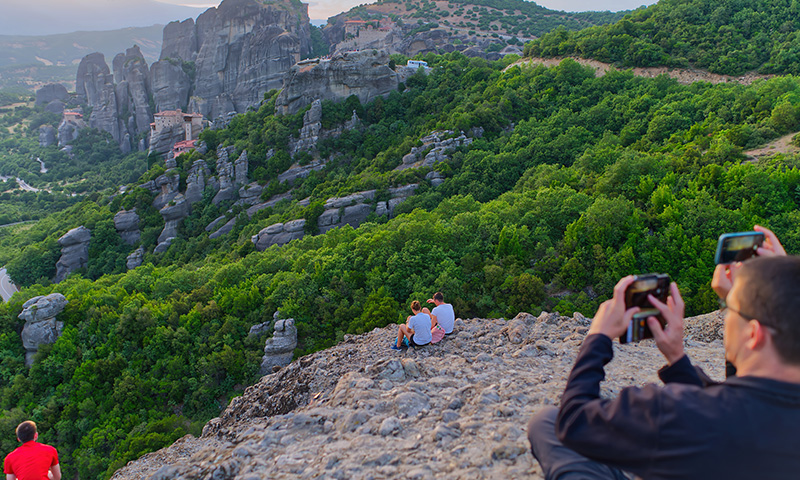
Maharashtra sits on almost every India travel list because of Mumbai, Pune, Lonavala, Mahabaleshwar and the Ajanta and Ellora caves. What most itineraries quietly miss is how much of the state lives beyond those postcard names. Vidarbha has a hill station older than most colonial ones. The Konkan coast has fishing villages where olive ridley turtles nest each spring. The Sahyadris hide plateaus that turn purple and yellow for exactly six weeks a year. For travellers who have already ticked off the obvious circuit, the real reward now lies in these less explored destinations in Maharashtra.
This guide covers twelve of them, chosen for the mix of experience they offer: heritage, wildlife, coast, hills, and small culture-heavy villages. Each entry keeps the practical bits front and centre so you can plan realistically rather than romantically.
A quick word on how the list was built. The twelve places below were shortlisted on three criteria: they see a genuinely smaller share of Maharashtra travel bookings than the top-ten set, they are still reachable through decent road or rail links, and they hold up as a full trip on their own rather than as a five-minute photo stop. A few sit close enough to the popular circuits that they can be added to a Pune, Nashik or Konkan itinerary you may already have in mind. Others are far enough out that they need their own three- to four-day window and a bit more planning. Both types have their place, and the entries below note which is which.
Harihar is not obscure to trekkers, but it stays under the radar of general travellers, which keeps it worth naming. The pull is a rock-cut staircase carved into the hillside at a near-vertical angle, said to touch about 80 degrees at its steepest turn. The climb is short, roughly two to three hours up from Nirgudpada village, but demands steady nerves rather than serious fitness. Views open across the Trimbak range, and on clear days you can trace the outlines of Brahmagiri and Anjaneri.
Best time: October to February. Avoid peak monsoon since the steps run slick with rain. The nearest big town is Nashik, roughly 40 kilometres away.
Kaas is one of the more remarkable and least understood natural sites in India. Locally called Kaas Pathar, this laterite plateau at about 1,200 metres in the Sahyadris forms part of the Western Ghats UNESCO World Heritage listing inscribed in 2012, and Maharashtra Tourism records more than 850 species of flowering plants across the site. For a short window each year, roughly late August to early October, the ground turns into rolling sheets of purple, yellow, white and pink wildflowers.
Daily visitor numbers are capped and passes need to be booked ahead through the official Kaas portal. Satara city sits about 25 kilometres east and works well as a base. Pair the visit with Thoseghar waterfalls and Sajjangad fort nearby.
Amboli is a small hill station on the southern edge of Maharashtra, close to the Goa border. It gets a fraction of the footfall Mahabaleshwar sees, yet the setting is arguably richer: waterfalls in every monsoon fold, forests thick enough for shieldtails and Malabar giant squirrels, and viewpoints that drop straight into the Konkan lowlands. Herpetologists rate the surrounding forest highly for endemic amphibians during the rains.
Best time: June to September for waterfalls and misty walks; December to February for cool, dry weather. Sawantwadi is the nearest railhead at around 30 kilometres. Stays are limited to a handful of resorts and homestays, so weekend visits during peak monsoon fill up two to three weeks ahead. Local guides in Amboli village run reasonably priced night walks during the rains, which is the best way to see the region’s endemic frog and snake species without going in blind.
The Konkan has more than one beach town, and Malvan is the coast doing what it does best without the crowds of Goa. The offshore Sindhudurg Fort, built by Chhatrapati Shivaji Maharaj in the 1660s, still stands on a rocky island reachable by a short ferry. Tarkarli, seven kilometres south, is one of the few places on the Indian mainland where scuba diving and snorkelling are viable on relatively clear water. If beach towns are your rhythm, this pairs well with our earlier guide to Kashid beach in Maharashtra for building a longer Konkan route.
Best time: October to February. Malvan cuisine, especially sol kadhi and fresh surmai, is reason enough on its own.
Chikhaldara is the only hill station in the Vidarbha region and sits at about 1,100 metres inside the Satpura range. It borders Melghat Tiger Reserve, which is one of the original nine reserves declared under Project Tiger in 1973 and now covers a substantial slice of central Maharashtra forest. Expect coffee gardens, colonial-era viewpoints such as Panchbol and Bhim Kund, and a genuinely relaxed pace.
Best time: October to June. Nagpur, roughly 230 kilometres away, is the practical entry airport. Melghat safaris need to be booked through the official reserve portal, and sightings, while less frequent than at Tadoba, come with the trade-off of forest walks that feel genuinely wild rather than staged. Chikhaldara itself is compact enough to explore over two full days, ideally paired with an overnight at Semadoh inside the tiger reserve buffer.
Bhandardara is quiet in a way that fewer Sahyadri escapes still are. Its centrepiece is Arthur Lake, held by the 19th-century Wilson Dam, one of the oldest earthen dams in India. In monsoon, the surrounding valley fills with waterfalls, including the multi-tiered Randha Falls. Between May and early July the area also hosts one of Maharashtra’s more spectacular firefly displays in the forests near Ratangad and Harishchandragad.
Best time: June to October for greenery, or November to February for clear skies. Around 185 kilometres from Mumbai. Camping options along the lakeshore run at reasonable prices and remain the most atmospheric way to stay, though pre-monsoon nights need a warm layer even in the plains-facing valleys.
Velas is a fishing village of a few hundred residents that becomes internationally relevant for about six weeks each spring. Between roughly late February and April, olive ridley turtle hatchlings emerge from nests on the beach under a community-run conservation programme originally set up by Sahyadri Nisarga Mitra with the Maharashtra Forest Department. Homestays fill up early. Read the Velas Turtle Festival background from the Maharashtra Forest Department before planning your dates.
Best time: late February to April for the hatchlings. The rest of the year Velas is a quiet, pretty beach with almost no infrastructure, which is either a feature or a drawback depending on your travel style.
Ganpatipule is best known to Marathi travellers for its 400-year-old Swayambhu Ganesh temple set right by the sea, but most other visitors have never heard of it. The beach here runs clean and largely uncommercialised, and the coastline drive between Ratnagiri and Ganpatipule remains one of the most underrated stretches in western India. Add Jaigad Fort and the Ratnadurg lighthouse for a two- to three-day loop. Aare Ware beach, roughly ten kilometres north, gives you a viewpoint that shows the shoreline curving into three distinct bays, one of the most photographed but least crowded coastal frames on the Konkan.
Best time: October to March. Ratnagiri railway station is around 25 kilometres away.
Toranmal sits at roughly 1,150 metres in the Satpura range, tucked into the tribal Nandurbar district near the Madhya Pradesh border. It rarely appears on Maharashtra itineraries because it is genuinely off the main tourist corridors: the nearest big city is Dhule, and even that is around 130 kilometres away. What you get in return is a hill station with lakes like Yashwant and Kamal Talav, dense forests, and a Gorakhnath temple that draws pilgrims during Mahashivratri.
Best time: October to March. Bring warm layers in winter since nights can drop sharply. The MTDC resort remains the most reliable stay, and the drive up the ghat road offers views across the Tapi valley that few other Maharashtra hill stations can match.
Purushwadi is a small village of a few hundred families on the edge of the Sahyadris, best known for its firefly festival held during the pre-monsoon window in late May and early June. The forests around the village fill with millions of blinking fireflies at dusk, part of the mating cycle before the rains break. Community-run homestays, developed with support from the NGO Grassroutes, are the standard stay option. It works well as a slower complement to a busier hill retreat like our earlier notes on Lavasa.
Best time: late May to early June for fireflies, or October to February for hikes and village stays.
Diveagar is a coastal Konkan village around 170 kilometres south of Mumbai, best known for its Suvarna Ganesh temple, a long stretch of unspoilt sandy beach, and dense suru (casuarina) plantations. The vibe is closer to a slow homestay weekend than a resort strip. Fresh seafood at family-run kitchens, walks along the shore before sunrise, and side trips to Harihareshwar and Shrivardhan round out a comfortable two-night stay.
Best time: October to March. The nearest railway station is Mangaon, around 50 kilometres inland.
Andharban translates as “dark forest,” and the trek lives up to the name. This 13-kilometre descending trail cuts through the Tamhini Ghat forest from Pimpri village down towards the Kundalika valley, passing waterfalls, viewpoints and dense canopy that blocks direct sunlight in stretches. It stays largely off the mainstream trek circuit because the descent needs guided support and monsoon runs need caution.
Best time: mid-June to October for the full monsoon effect, or November to February for safer, drier trails. Pune sits about 100 kilometres east.
A few practical points apply across most of these locations. First, road access is often better than train access, and self-drives or private cabs remain the sensible default outside the main railway corridor of Mumbai, Pune, Kolhapur and Nagpur. Second, homestays outperform hotels in most of these places, both on price and on the quality of the local experience. Third, monsoon travel to Sahyadri destinations is spectacular but slower: routes can flood, viewpoints close, and treks get temporarily suspended, so build buffer days. For longer, curated journeys that touch some of these regions, the Deccan Odyssey Maharashtra Splendour rail circuit remains a comfortable option combining Nashik, Aurangabad, Kolhapur and the Konkan.
If you are combining more than two of these destinations, cluster them by region: Konkan (Malvan, Ganpatipule, Velas, Diveagar), Sahyadri (Kaas, Amboli, Bhandardara, Purushwadi, Andharban), Vidarbha and Satpura (Chikhaldara, Toranmal), and the Nashik-Trimbak stretch (Harihar). Trying to link them across regions in one trip almost always compresses the good parts. Also worth noting: ATM access in villages like Velas, Purushwadi and Toranmal is limited, mobile network coverage varies by carrier, and most homestays prefer bank transfers or UPI over cards. Carry some cash, download offline maps, and confirm your booking by phone the day before you set out.
The offbeat side of the state rewards travellers who plan just a little more carefully than a Lonavala weekend needs. Passes, homestays, seasonal windows, and honest expectations about infrastructure matter more here than star ratings. What you get in return is a version of Maharashtra that most itineraries never touch: Konkan villages that still run on tide charts, Sahyadri plateaus that flower for six weeks, forts you climb without queuing behind a hundred phones, and hill towns where evenings are actually quiet.
If you would like a route built around any two or three of these places, with realistic drive times, seasonal fit and small-group homestays factored in, our travel team is happy to shape one for you. Reach out through the Memorable India contact page with your preferred dates and how many days you have, and we will send back a working draft rather than a template.
For a two-day trip, Purushwadi during the firefly season or Diveagar for a coastal weekend are among the strongest choices. Both sit within a five- to six-hour drive of Mumbai or Pune and offer genuine village or beach stays without heavy commercial infrastructure.
The flowering window at Kaas Plateau runs roughly from late August to early October, with peak bloom usually across mid-September. Entry is regulated with a daily visitor cap, so passes should be booked in advance through the official Kaas portal.
Most of them are. Ganpatipule, Diveagar, Malvan, Chikhaldara and Bhandardara suit families and older travellers well because roads are decent and stays are comfortable. Harihar Fort and Andharban trek involve steep or slippery sections and are better suited to fit adults.
Amboli, Bhandardara, Andharban, Tamhini Ghat and Kaas Plateau are at their peak between June and September. Waterfalls run full, plateaus flower, and hill air stays cool. That said, monsoon travel needs buffer time for delays and safer trekking calls.
Velas is around 220 kilometres south of Mumbai along the Konkan coast, reachable by road via Mangaon and Mhapral. The turtle hatching window usually falls between late February and April. Homestays are limited, so bookings in the weeks leading up to the festival are essential.
Yes, but cluster them by region. Konkan destinations like Velas, Ganpatipule, Malvan and Diveagar sit well on one coastal route. Sahyadri stops such as Kaas, Amboli and Bhandardara pair naturally, while Chikhaldara and Toranmal fit best with a wider Vidarbha or central India loop.
The Kerala Backwaters: 11 Things To Know Before You Visit
23 Sep 2026
Udaipur Itinerary: How to Spend 3 Days in Udaipur
22 Sep 2026
The Best Places to See in Varanasi, India
22 Sep 2026
11 Ancient Temples in Palakkad That Deserve to Be Seen
22 Sep 2026
Best Places to Visit in Tamil Nadu, India: A Traveller’s Guide for 2026
21 Sep 2026


