 +919871148514
 info@memorableindia.com

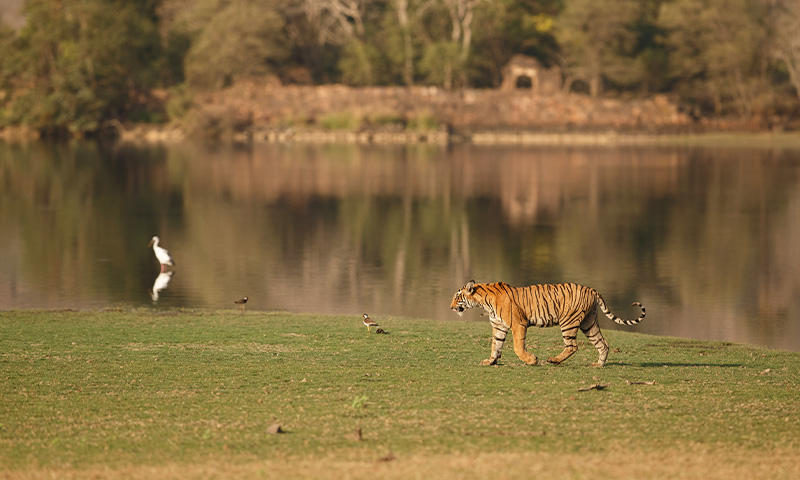
About 100 km south-east of Kolkata, the land starts to break apart. Highways turn into village roads, village roads end at river jetties, and once your boat clears Gosaba, the horizon becomes a low green wall of mangroves that floods twice a day with the tide. This is the Indian side of the Sundarbans, part of the largest mangrove forest in the world and, according to the IUCN World Heritage Outlook, the only mangrove habitat on Earth where Bengal tigers live.
Many first-time visitors expect an open jeep safari like Corbett or Ranthambore. Sundarban works differently. You travel almost entirely by boat, go ashore only inside fenced watchtower enclosures, and the tiger, if it appears at all, is usually a flash of orange on a distant bank. In return, you get a landscape that changes with every tide.
This guide covers the places worth your time, the experiences that make the trip, and the practical details that decide how smoothly it goes.
These quick facts answer the questions most travellers ask first.
Walking inside the forest is not allowed, so the “places” in Sundarban are mostly landing points with watchtowers, plus a few village islands and historic sites. The official Sundarban Tiger Reserve route guide lists the main landing points and what each one offers. Here is how to think about them.
Sajnekhali is the administrative heart of the reserve and your first stop on almost every itinerary. Permits are checked here, and the mandatory forest guide usually joins your boat at this point.
A short cruise from Sajnekhali, Sudhanyakhali is the watchtower most guides recommend for tiger sightings. A sweet-water pond in front of the tower draws thirsty animals, and the cleared sightlines give you a good view across the mangrove floor. The site also has a small Bonbibi shrine and a mangrove park.
Tip: Arrive early, keep your voice low, and ask your guide to point out pug marks on the mud below.
Dobanki is known for its raised canopy walk, a caged walkway that runs several metres above the ground for about half a kilometre. It is the closest you can get to walking through the mangroves safely. Look down and you will see the pencil-like breathing roots (pneumatophores) poking out of the mud by the thousand.
Families and seniors usually enjoy Dobanki the most because the walk is flat, shaded and easy to manage at a slow pace.
Netidhopani sits deeper inside the forest and needs a separate permit, so not every boat goes here. The effort is worth it. Beside the watchtower stand the ruins of an old temple, and local folklore links the site to the legend of Behula, who is said to have rowed her husband’s body down these rivers to bring him back to life.
Plan ahead: Ask your operator to request the Netidhopani permit in advance, since availability can change during the season.
Panchamukhani is not a landing point but a river junction where five channels come together. On a calm afternoon the water opens wide in every direction, showing just how vast this landscape is. Keep your camera ready for dolphins, which are occasionally reported in the wider channels.
Gosaba is the last large inhabited island before the reserve, and it carries a surprising piece of history. In the early 1900s, Scottish businessman Sir Daniel Hamilton set up a cooperative settlement here, and his wooden bungalow still stands. Rabindranath Tagore stayed with Hamilton at Gosaba in December 1932 to see the rural development work first-hand. The nearby Beacon Bungalow has been restored and is open to visitors.
Most boats stop here briefly on day one, so it fits easily into any itinerary.
On the western side of the delta, near Namkhana, the Bhagabatpur Crocodile Project breeds and releases estuarine (saltwater) crocodiles. Set up in 1976, the project has supported a recovering crocodile population that a recent survey estimated at between 204 and 234 animals, as reported by Outlook Traveller.
Bhagabatpur uses a different access route from the Sajnekhali circuit, so add it only if you have an extra day or are combining your trip with the coast at Bakkhali.
Islands such as Pakhiralaya, Dayapur and Bali sit right on the edge of the forest and host most of the region’s homestays and eco-lodges. Staying here puts you minutes from the reserve, surrounded by mud houses, fish ponds and paddy fields.
Sundarban is less about ticking off spots and more about slowing down to the rhythm of the tide.
The boat is your safari vehicle and dining room rolled into one. Large rivers give sweeping views, but the real wildlife viewing happens in the narrow side creeks, where the mangroves close in.
Sundarban is a rewarding destination for birdwatchers, especially in winter when migratory species arrive. Several species of kingfisher are commonly seen, along with egrets, herons, sandpipers, whimbrels and the occasional white-bellied sea eagle overhead. A pair of binoculars matters more here than an expensive camera lens, because birds often sit on the far bank.
Tiger sightings here are rare, and it helps to go in with realistic expectations. Sundarban tigers swim between islands, hunt in dense cover and avoid people, which is exactly why they have survived. Treat any sighting as a bonus, and enjoy the signs instead: fresh pug marks on a mudbank, an alarm call from spotted deer, or a guide suddenly going silent and pointing.
After the boats return, take a guided walk through a nearby village. You will see how families farm, fish and collect honey, and many lodges arrange evening folk performances, including songs and plays based on the Bonbibi legend. Buying honey, handicrafts or a home-cooked meal directly from local families keeps tourism income in the community, which in turn gives people a reason to protect the forest.
Ask anyone on the islands about Bonbibi and you will hear about the forest goddess who protects people from the tiger demon Dakshin Rai. Honey collectors, fishers and woodcutters, Hindu and Muslim alike, pray at her shrines before entering the forest. This shared belief explains how people here live alongside a feared predator.
Meals on Sundarban boats and lodges are usually simple and fresh: rice, dal, river fish curry, prawns, crab and seasonal vegetables. Mention dietary preferences while booking, as boat kitchens stock up before departure.
The best time to visit Sundarban is from October to March, when temperatures are comfortable and the air is drier. Here is how the year breaks down.
Kolkata is the starting point for almost every visit, and a Sundarban tour from Kolkata usually takes three to four hours to reach the jetty, followed by a boat transfer.
Because the last stretch involves changing from car to boat, most travellers prefer a package that bundles transfers, boat, guide and permits into one booking.
Sundarban has stricter rules than most Indian parks because of tides, tigers and crocodiles.
A day trip is possible but rushed, since most of your time goes into travel. Two nights and three days is the sweet spot for most travellers. A simple plan looks like this:
If you have more time in West Bengal, pair your trip with one of our Kolkata day tours to see the city’s colonial landmarks and food streets before heading south. Pilgrims can also combine the delta with a Ganga Sagar pilgrimage tour from Kolkata, since Sagar Island lies at the western edge of the same delta.
The right boat, lodge and guide can turn an ordinary cruise into a trip you talk about for years. Our team builds itineraries around comfort, safety and responsible tourism, with licensed boats, local guides and stays that support island communities.
Planning a bigger wildlife holiday? Browse our wildlife tours across India to combine Sundarban with tiger reserves in Central India or Rajasthan. When you are ready to lock in dates, talk to our travel team for a custom Sundarban plan with transparent pricing.
Sundarban is not a destination you rush through. It asks you to sit quietly on a deck, watch the water rise and fall, and accept that the forest decides what you will see. The best places sit along a well-planned boat route, and the most rewarding experiences are often the slow ones: a silent creek at low tide, a kingfisher on a root, a Bonbibi song in a village after dark. Plan for the right season, respect the rules and give yourself at least two nights. The delta will do the rest.
It is famous for being part of the largest mangrove forest in the world and the only mangrove habitat where Royal Bengal tigers live. It is also known for saltwater crocodiles, river terrapins, rich birdlife and its tidal network of rivers and islands.
October to March offers the best mix of comfortable weather and good wildlife viewing. Winter months also bring migratory birds. The reserve has been closed to tourists from June to August in recent years, so check the current forest notice before planning.
Drive or take a local train from Sealdah to Canning, then continue by road to Godkhali jetty. From Godkhali, boats take you to Gosaba, the lodge islands and Sajnekhali. The full journey usually takes three to four hours before the boat transfer.
It is possible but rare. Tigers here live in dense mangroves and avoid people, so most visitors see pug marks or hear alarm calls rather than the animal itself. Sudhanyakhali watchtower is considered one of the better spots for a sighting.
Yes, when you travel with a licensed operator and follow forest rules. Boats are stable, watchtower enclosures are fenced, and the Dobanki canopy walk is flat and easy. Seniors should choose lodges with good access from the jetty.
Two nights and three days is ideal. It gives you one full day on the water for the main watchtowers, plus time for a village walk and an early morning creek cruise. A one-day trip is possible but leaves little time for wildlife.

A Place Where I Found My Lost Self: Mechuka in Arunachal Pradesh
24 Nov 2026
Sikkim Travel Guide: Top Places, Things to Do, Permits, How to Reach and Best Time to Visit
24 Nov 2026
Best Places to Visit in Himachal Pradesh: A Practical Guide to the North India Himalayas
23 Nov 2026
Best Places to Visit in Sundarban and Top Things to Do in Sundarban National Park, West Bengal
23 Nov 2026
Bengali Wedding Rituals: All You Need to Know, Step by Step
22 Nov 2026


