 +919871148514
 info@memorableindia.com

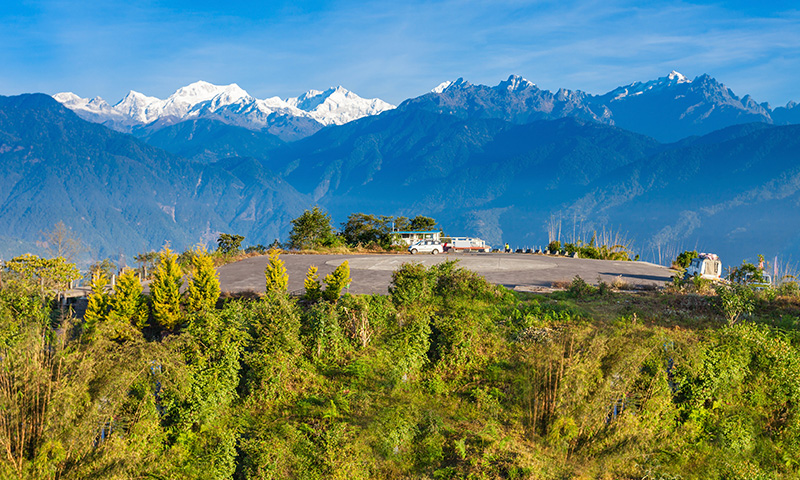
Sikkim is one of India’s smallest states, yet a single week here can take you from warm river valleys along the Teesta to frozen lakes a short drive from the Tibetan border. That range is exactly why planning matters. Permits, road conditions and seasons decide what you can actually see, and in Sikkim they change more often than most travel articles admit.
This Sikkim travel guide brings everything into one place: the top places region by region, the experiences worth your time, permit rules as they stand in 2026, how to get here, and which months suit your travel style. It is written for families, senior travellers, couples and first-time Himalayan visitors who want clear answers before they book anything.
Most first-time visitors use Gangtok as a base and add one or two regions around it. Think of the state as a hand: Gangtok is the palm, and every road to the high valleys, monasteries and lakes branches out from it. Here is what each region offers and who it suits best.
Gangtok is busy, clean and easy to navigate. MG Marg, the pedestrian-only main street, is where most evenings end, with cafes, bakeries and handicraft stores on both sides. Within the city, Enchey Monastery, the Institute of Tibetology, Hanuman Tok and Tashi View Point make a comfortable half-day circuit. Rumtek Monastery, the largest monastery in the state and the main seat of the Karma Kagyu lineage in India, is about an hour’s drive away and worth a morning on its own.
The classic day trip from Gangtok climbs to Tsomgo Lake (also called Changu), a glacial lake at about 3,750 m that freezes over in winter. Most itineraries pair it with Baba Harbhajan Singh Mandir and Nathu La, the mountain pass on the India and China border at about 4,310 m. Nathu La is open to Indian nationals only and is typically closed to visitors on Mondays and Tuesdays, so build your plan around those days.
For travellers with an extra two days, Zuluk and the Old Silk Route in the far east of the region offer hairpin bends, quiet villages and sunrise views over the eastern Himalaya.
Best for: Everyone, including seniors. Anyone with heart or breathing conditions should speak to a doctor before going above 3,000 m.
North Sikkim is the reason many people come to the state at all. Two mountain villages act as bases. Lachung leads to Yumthang Valley, which turns pink and red with rhododendrons in spring, and further up to Zero Point (Yumesamdong), where the road ends in snowfields. Lachen leads to Gurudongmar Lake, one of the highest lakes in the world at about 5,430 m (17,800 ft) and sacred to both Buddhists and Sikhs.
This region has had a difficult few years. The 2023 glacial lake outburst flood and later landslides cut off Lachen for a long period, and tourist permits for Lachen and Gurudongmar resumed only in March 2026, after a gap of 887 days. Roads are open again but remain fragile, so keep one buffer day in any North Sikkim trip.
Best for: Healthy adults and older children who can handle long drives and thin air. Gurudongmar is not advisable for infants or anyone with respiratory issues.
West Sikkim is slower and more reflective. Pelling offers some of the closest sunrise views of Khangchendzonga, along with Pemayangtse Monastery, the Rabdentse Ruins (Sikkim’s second royal capital) and the glass skywalk beside the Chenrezig statue. Yuksom, the first capital of the kingdom, is a peaceful village and the trailhead for the Dzongri and Goecha La treks. Khecheopalri Lake, surrounded by forest, is considered a wish-fulfilling lake by locals, and visitors are expected to keep their voices low.
Best for: Photographers, culture seekers, trekkers and travellers who prefer fewer crowds.
South Sikkim sits lower and drives are shorter, which makes it ideal for families and seniors. Namchi is home to Siddhesvara Dham, a pilgrimage complex with replicas of the four sacred Char Dham shrines, and the giant statue of Guru Padmasambhava at Samdruptse. Ravangla has Buddha Park (Tathagata Tsal) with its tall Buddha statue facing the snow peaks. On the way, the Temi Tea Garden, Sikkim’s only tea estate, is a pleasant stop for a walk and a cup.
Best for: Families with young children and senior travellers.
A good trip here is not only about viewpoints. These experiences add real depth:
Sikkim shares borders with three countries, so parts of the state are regulated for security and environmental reasons. Getting your Sikkim permits right is the single biggest factor in how smoothly your itinerary runs on the ground.
Rules can change at short notice, especially after landslides or heavy snowfall. Check the official Sikkim Tourism website or confirm with your operator a week before travel.
Sikkim has no major airport or railway station of its own yet, so nearly every trip begins in Siliguri in West Bengal.
By air: Bagdogra Airport (IXB) near Siliguri is the most dependable gateway, with flights from Delhi, Kolkata, Mumbai, Bengaluru and other cities. Gangtok is about 124 km away, a drive of four to five hours. Pakyong Airport, about 30 km from Gangtok, has had an irregular record, and authorities were still discussing the resumption of flight services in April 2026. Confirm any Pakyong flight with the airline before planning around it.
By rail: New Jalpaiguri (NJP) is the nearest major railway station, roughly the same distance from Gangtok as Bagdogra. The Sevoke to Rangpo line, which will give Sikkim its first rail link, is under construction with completion targeted for June 2028.
By road: NH10 runs from Siliguri along the Teesta River to Rangpo, the main entry point into Sikkim, and on to Gangtok. Private taxis, shared jeeps and state buses run daily. This highway is prone to landslides during the monsoon, and drivers sometimes reroute via Kalimpong when it is blocked.
Short on time? The 5-day Himalayan Tranquility tour pairs Gangtok with Darjeeling and takes care of airport and station transfers, which removes the most stressful part of the journey.
Our verdict: For a first visit, the best time to visit Sikkim is October to early December, followed closely by March to May. Choose winter only if seeing snow matters more to you than guaranteed access.
This 7-day Sikkim itinerary covers the essentials at a realistic pace:
Foreign travellers can replace the Lachen and Gurudongmar days with Pelling and Ravangla. If you would rather add tea country, our 6-day Darjeeling and Gangtok tour package covers Tsomgo Lake, Nathu La and Gangtok sightseeing along with a sunrise at Tiger Hill.
Sikkim rewards travellers who plan around its realities: permits that open and close, roads that need a buffer day and seasons that change the landscape completely. Get those three right and the rest falls into place, from monastery mornings in Gangtok to the stillness of a high-altitude lake.
If you would like experts to handle permits, drivers and the right sequence of places, explore our Northeast India tour packages or request a call to build a Sikkim tour package around your dates. Planning a longer journey? Our guide to lesser-known places in Northeast India can help you add one more region to your route.
No permit is needed to enter Sikkim or to visit Gangtok, Pelling, Namchi and Ravangla. Indian tourists need a Protected Area Permit only for regulated areas such as Tsomgo Lake, Nathu La, Zuluk and North Sikkim. Registered Sikkim tour operators arrange it, usually a day in advance.
No. Foreign nationals, including OCI cardholders, cannot visit Nathu La or Gurudongmar Lake. Under current rules they may visit Tsomgo Lake, Yumthang Valley and Zero Point with an online permit, along with the unrestricted parts of the state.
Bagdogra Airport (IXB) near Siliguri is the nearest dependable airport, about 124 km or four to five hours by road from Gangtok. Pakyong Airport is closer, but its flights have been irregular, so confirm with the airline before booking.
Six to seven days covers Gangtok, Tsomgo Lake, Nathu La and a North Sikkim trip to Lachen and Lachung. Add two or three days for Pelling, Yuksom or Ravangla. A shorter four-day trip works if you stay around Gangtok and East Sikkim.
Yes. The Gurudongmar Lake permit and Lachen permits resumed in March 2026, and Lachung and Yumthang are also accessible. Roads remain sensitive to weather, so permits can be paused at short notice. Keep a buffer day and check the status with your operator before travel.
December to February is the best period for snow at Tsomgo Lake, Lachung and Zero Point. Late March can also bring fresh snow at higher points. Expect occasional closures of Nathu La and Gurudongmar after heavy snowfall during these months.
A Place Where I Found My Lost Self: Mechuka in Arunachal Pradesh
24 Nov 2026
Sikkim Travel Guide: Top Places, Things to Do, Permits, How to Reach and Best Time to Visit
24 Nov 2026
Best Places to Visit in Himachal Pradesh: A Practical Guide to the North India Himalayas
23 Nov 2026
Best Places to Visit in Sundarban and Top Things to Do in Sundarban National Park, West Bengal
23 Nov 2026
Bengali Wedding Rituals: All You Need to Know, Step by Step
22 Nov 2026


