 +919871148514
 info@memorableindia.com

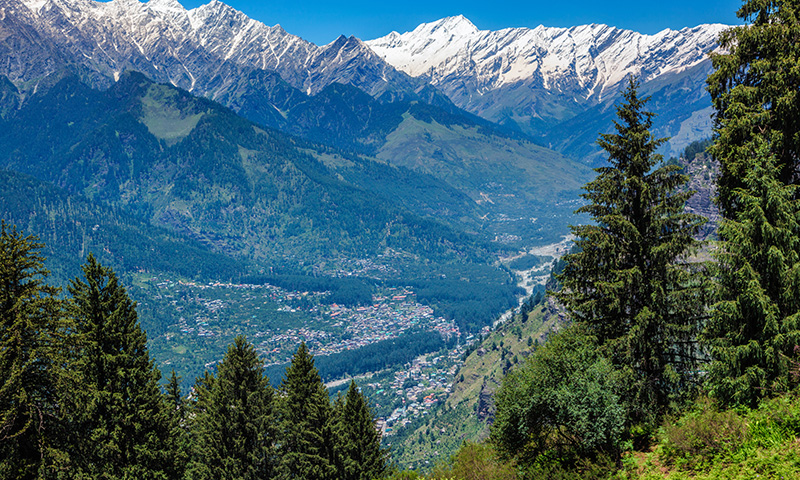
Ask ten people who have travelled through Himachal Pradesh which place they liked most and you will probably hear ten different answers. One remembers the toy train curving into Shimla, another a freezing sunrise in Spiti, a third a lazy café afternoon in Old Manali. That range is the real strength of this state. Within one corner of the North India Himalayas you can move from colonial hill towns to apple orchards, deodar forests, Tibetan monasteries and a high-altitude cold desert, often within a few days on the road.
The hard part is choosing. Himachal is bigger and slower to cross than most first-time visitors expect, and mountain roads punish an overloaded plan. This guide covers the best places to visit in Himachal Pradesh, what each one is genuinely good for, when to go and how to combine them into a realistic route. It draws on how our destination team at Memorable India plans Himachal trips for families, couples and senior travellers every season.
Short on time? These are the places that earn a spot on most itineraries:
Think of Himachal as three bands stacked on top of each other. The lower and middle hills around Shimla, Solan and Kangra are green, well connected and comfortable for most of the year. Above them sit the large river valleys of Kullu, Parvati and Chamba, home to Manali, Kasol and Dalhousie. Beyond the Pir Panjal and Great Himalayan ranges lie Lahaul, Spiti and upper Kinnaur, a rain-shadow zone that looks closer to Ladakh than to Shimla.
Most lists of Himachal Pradesh tourist places mix all three bands together, which is where plans go wrong. Each band has its own season, road conditions and altitude. A family travelling with grandparents and young children will find the lower hills and the Kullu Valley easy. A Spiti road trip needs more days, time to acclimatise and a flexible mindset. Covering two bands in a week is realistic. Trying to see all three usually means spending most of the holiday in a vehicle. The official Himachal Tourism website is worth checking for festivals and seasonal advisories before you lock in dates.
Shimla served as the summer capital of British India, and that history still shapes the town. The Ridge, Christ Church, Mall Road and the Viceregal Lodge, now the Indian Institute of Advanced Study, are all a short walk or drive apart. Jakhoo Temple, on the highest point in town, rewards an uphill walk with wide views. Keep bags and sunglasses secure, because the resident monkeys are bold.
The most memorable way to arrive is the narrow-gauge railway from Kalka. Its tunnels, bridges and slow curves are half the fun, and the line forms part of the Mountain Railways of India UNESCO World Heritage Site, extended to include it in 2008. Kufri and Naldehra make easy half-day add-ons. Shimla suits first-time visitors, families and seniors who prefer paved promenades over steep trails.
Shimla gets crowded in peak summer. Kasauli, a small cantonment town roughly two hours from Chandigarh, offers a calmer base with pine walks, old churches and sunset views over the plains. Chail, built as a summer retreat by the Maharaja of Patiala, is known for its palace hotel and a cricket ground often described as one of the highest in the world. Both suit couples and slow travellers. Our Shimla and Kasauli tour package pairs the two for a short, unhurried break, which is ideal if you have only four or five days.
Manali sits at the head of the Kullu Valley on the Beas River and is the busiest hill town in northern Himachal for good reason. It works for almost every kind of traveller. Families get snow and easy sightseeing, couples get cosy stays, and adventure seekers get a base for treks, rafting and skiing. Key stops include:
Beyond Solang, the Atal Tunnel, a 9.02 km road tunnel opened in October 2020, gives all-weather access to Sissu and the Lahaul Valley. Rohtang Pass, at about 3,978 metres, remains popular for summer snow, but vehicles need an online permit from the official Rohtang permit portal, with daily vehicle limits in place to protect the fragile pass. Book as soon as your dates are firm, since slots disappear quickly in peak season.
South of Manali, the Kullu Valley branches into side valleys that rank among the most rewarding offbeat places in Himachal Pradesh, especially for travellers tired of crowded viewpoints.
Kasol is a riverside village on the Parvati, popular with younger travellers and backpackers. Short walks lead to Chalal and other nearby hamlets, while Manikaran, a few kilometres up the road, is known for its gurudwara and natural hot springs. The trek to Kheerganga is a favourite overnight hike for reasonably fit beginners.
Tirthan is quieter and greener, with homestays beside a clear trout stream. It is also an entry point to the Great Himalayan National Park Conservation Area, inscribed as a UNESCO World Heritage Site in 2014 for its biodiversity. Nearby Jibhi, Jalori Pass and the forest walk to Serolsar Lake make this valley a smart pick for families who want nature without long, high-altitude drives.
Dharamshala lies in the Kangra Valley beneath the Dhauladhar range. Upper Dharamshala, better known as McLeodganj, is home to the Dalai Lama and the Central Tibetan Administration, which gives the town a character unlike anywhere else in the state. Visit the Tsuglagkhang temple complex, walk to Bhagsu waterfall, and try thukpa and momos in small family-run kitchens. Cricket fans often stop at the HPCA stadium, framed by snow-dusted peaks.
About two hours from Dharamshala, Bir Billing is one of India’s best-known paragliding sites. Pilots take off from Billing and land in the fields near Bir, and tandem flights with certified operators make it accessible to first-timers. Bir also has Tibetan monasteries and a relaxed café scene, so it works well as a stopover between Kangra and Mandi.
Of all the hill stations in Himachal Pradesh, Dalhousie keeps one of the slowest paces. Founded during British rule and named after Lord Dalhousie, it spreads across several hills in Chamba district, with old churches, short walking loops and quiet viewpoints that suit older travellers. Khajjiar, around 22 km away, is a saucer-shaped meadow ringed by deodars with a small lake at its centre. Chamba town, with its stone temples and the Bhuri Singh Museum, makes a good half-day trip.
Travellers who want to link Shimla, Manali, Dharamshala and Dalhousie in one journey can look at our 10-day Grand Himachal tour, which also includes Khajjiar and finishes at the Golden Temple in Amritsar.
Spiti is the place many travellers save for a second or third Himachal trip, and it rewards the extra effort. Lying in the rain shadow of the Himalaya near the Tibetan border, it has bare mountains, turquoise rivers and whitewashed villages that feel worlds apart from the forested south. The Spiti Valley guide on Incredible India is a helpful primer on its heritage and wildlife. Places worth your time:
There are two main routes. The Manali side, through the Atal Tunnel and Kunzum Pass, is shorter but usually open only from early summer to early autumn. The Shimla and Kinnaur route is longer but better for gradual acclimatisation. Allow seven to nine days for a full Spiti circuit, keep a buffer day for road closures, and take altitude seriously: rest on arrival, drink plenty of water and skip alcohol for the first day or two.
Kinnaur sits between Shimla and Spiti along the Sutlej. Sangla and Chitkul, often called the last inhabited village on this road towards Tibet, offer apple orchards, wooden houses and the rushing Baspa River. Kalpa faces the Kinner Kailash range, and its sunrise views justify an overnight stay. Kinnaur works well as a halt on the way to Spiti or as a calmer autumn alternative to the Kullu Valley.
Chandigarh is the main gateway for the southern half of the state, with good flight and rail links and a road network that fans out towards Shimla, Kasauli and Manali. Himachal also has three smaller domestic airports: Shimla, Bhuntar for Kullu and Manali, and Gaggal for Dharamshala. Flights here are limited and weather-dependent, so many travellers prefer the overnight Volvo buses from Delhi or a private car. For Dharamshala and Dalhousie, Pathankot is the nearest major railhead. Rail lovers can reach Shimla on the toy train from Kalka, which connects with trains from Delhi.
For most first-time visitors, April to June or October gives the best balance of weather, road access and sightseeing.
This classic Shimla Manali trip plan suits families and first-timers because daily drive times stay manageable. With ten days, add Dharamshala and Dalhousie. With twelve or more, consider swapping the second half for Spiti.
Himachal’s mountain towns face heavy visitor pressure in peak months, and small choices make a difference. Carry a refillable bottle, bring your waste back from trails and campsites, choose locally run homestays where you can, and dress modestly at monasteries and temples. In Spiti and Kinnaur, buy produce and crafts directly from villagers, and ask before photographing people. These habits keep the places you came to see in good shape for the next traveller.
The right Himachal trip is the one that matches your pace, your season and the people travelling with you. Browse our Himachal tour packages to compare everything from short Shimla breaks to longer circuits, then speak with our Himachal travel experts for a customised itinerary with vetted hotels, private transport and on-trip support from start to finish.
Shimla, Manali and Dharamshala make the easiest first trip. They are well connected by road, have hotels for every budget and offer a good mix of heritage, snow and Tibetan culture. Add Kasauli or Dalhousie if you prefer quieter towns.
April to June suits sightseeing in Shimla, Manali and Dharamshala, while October offers clear views and fewer crowds. Choose December to February for snow, and June to September for Spiti Valley.
Seven days covers Shimla and Manali comfortably. Ten days lets you add Dharamshala and Dalhousie. A Spiti circuit needs at least seven to nine days on its own because of long drives and acclimatisation.
Drive through the Atal Tunnel to Lahaul, then continue via Batal and Kunzum Pass to Kaza. The road is usually open from early summer to early autumn, and the journey takes a full day, so start early and hire an experienced mountain driver.
Yes, as long as you stay in the lower hills and main valleys. Shimla, Kasauli, Manali, Dalhousie and Dharamshala have good roads, comfortable hotels and short walks. Avoid high passes and Spiti with very young children or travellers with health concerns.
Vehicles heading to Rohtang Pass need an online permit from the official Rohtang permit portal. Indian travellers generally do not need a permit for Spiti, but foreign nationals need an inner line permit for certain stretches near the border, so check the current rules before you travel.
A Place Where I Found My Lost Self: Mechuka in Arunachal Pradesh
24 Nov 2026
Sikkim Travel Guide: Top Places, Things to Do, Permits, How to Reach and Best Time to Visit
24 Nov 2026
Best Places to Visit in Himachal Pradesh: A Practical Guide to the North India Himalayas
23 Nov 2026
Best Places to Visit in Sundarban and Top Things to Do in Sundarban National Park, West Bengal
23 Nov 2026
Bengali Wedding Rituals: All You Need to Know, Step by Step
22 Nov 2026


