 +919871148514
 info@memorableindia.com

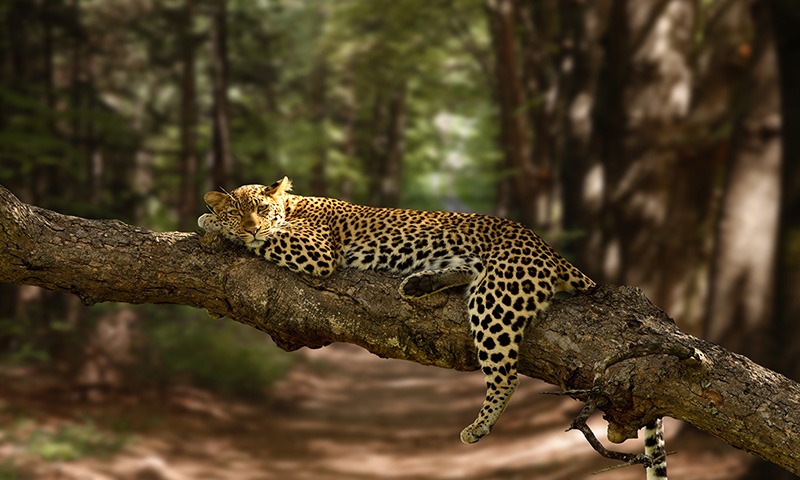
Kuno National Park has shifted from a quiet forest reserve in Madhya Pradesh to one of India’s most talked-about wildlife destinations. The reason is well known. Kuno is home to Project Cheetah, the first intercontinental big cat relocation of its kind, which brought African cheetahs back to Indian soil after more than seventy years. The park, however, offers far more than this single storyline. Think open grasslands, dry deciduous forests, leopards, striped hyenas, Indian wolves, and a slow-moving Kuno river that cuts through the landscape.
This travel guide walks you through everything that actually matters before you go. From the best time to visit and how to reach the park, to safari zones, booking logic, where to stay, and what to pack, the goal here is simple. Give you a planning document that answers real questions, not a brochure.
Kuno sits inside the Sheopur district of Madhya Pradesh and became a full-fledged national park in 2018. Its claim to global attention is Project Cheetah, led by the Ministry of Environment, Forest and Climate Change, which translocated cheetahs from Namibia and South Africa in 2022 and 2023. India has since recorded cheetah cubs born on home soil, a quiet milestone for a species declared extinct in the country in 1952.
For travellers, this translates into a park that is actively managed, well-protected, and still off the mainstream wildlife circuit. You will not share tracks with hundreds of jeeps as you might in Ranthambore or Bandhavgarh. The experience is calmer, more field-research adjacent, and genuinely rewarding for anyone who enjoys reading a landscape slowly.
Beyond cheetahs, Kuno supports a healthy population of Indian leopards, sloth bears, Indian wolves, striped hyenas, jackals, chinkara, nilgai, sambar, chital, and over 120 bird species. The vegetation is a mix of grassland and open sal forest, which gives photographers unusually good light and long sight lines.
Historically, Kuno was also shortlisted as a second home for the Asiatic lion from Gir, and the forest department invested years into relocating villages, improving prey density, and building habitat continuity. Those years of preparation are what made the cheetah project possible, and they also mean the park today has a far more intact ecosystem than most newer reserves.
Kuno National Park is located in the Sheopur district of northwestern Madhya Pradesh, bordering Rajasthan. It covers roughly 748 square kilometres of core area, with a larger wildlife division surrounding it. The Kuno river flows through the park and gives it both its name and its distinctive habitat mix.
The landscape is the reason cheetahs were brought here. Unlike the dense tiger forests of central India, Kuno has the open country and prey base that cheetahs need to hunt at speed. For visitors, this openness is also what makes sightings and photography easier than in thicker reserves.
Kuno is open to tourists from October to June, with the park closed during the monsoon months of July to September. Each window within the open season offers something different.
For most travellers, November to March is the sweet spot. The weather is comfortable, long drives are enjoyable, and the park looks its best. If your priority is big cat activity rather than comfort, aim for April or May and start your safaris at dawn.
Kuno is accessible but not instant. Most visitors route through either Gwalior or Jaipur, depending on where they are coming from. Both have good air and rail connectivity.
The nearest airport is Gwalior (GWL), about 165 kilometres from the park, with daily flights from Delhi, Mumbai, Bengaluru, Hyderabad, and Indore. Jaipur Airport is another option, roughly 300 kilometres away, which some travellers prefer when combining Kuno with a Rajasthan leg.
Gwalior Junction and Shivpuri are the two most useful railheads. Gwalior is better connected to Delhi, Agra, Bhopal, and Jhansi. Sawai Madhopur and Kota work for travellers coming from Mumbai or Rajasthan, with onward road transfers of four to five hours.
A pre-arranged cab is the simplest option. Approximate drive times:
The last stretch to the park is on single-lane rural roads that can slow you down after dark, so plan arrivals before sunset. If you are coming from Agra or Jhansi, the drive through the Chambal ravines is scenic but best avoided at night, both for comfort and for the chance to spot roadside wildlife during daylight.
Safari access at Kuno is managed by the Madhya Pradesh Forest Department. The park currently operates jeep safaris through its main entry gates, with permits issued in limited numbers to protect wildlife. The schedule follows two shifts, morning and afternoon, with timings adjusted every few months based on sunrise and sunset.
Permits are booked online through the official MP Online Forest Portal. Jeep hire and guide fees are charged separately at the gate. During peak months, book permits at least 60 to 90 days in advance, especially for weekends and school holidays.
Cheetah sightings are not guaranteed on any single safari. The animals move across large soft-release enclosures and open forest, and sightings depend on seasonal movement, prey activity, and sheer luck. Plan a minimum of three to four safaris across two full days to improve your chances meaningfully.
Accommodation around Kuno is still developing, which is both a limitation and part of its appeal. Options cluster around Sheopur town and the villages near the Tiktoli and Ahera gates. Expect a mix of forest-facing resorts, mid-range lodges, and a handful of basic homestays run by local families.
If you prefer a curated option that bundles safari permits, naturalist guides, and transfers, consider a planned wildlife holiday through our wildlife tour packages, which are designed for travellers who would rather not coordinate every booking themselves.
Two or three days at Kuno pair well with short detours that round out the trip. The region sits at the cultural crossroads of Madhya Pradesh and Rajasthan, with history layered into the landscape.
A Kuno visit combines well with a wider Madhya Pradesh circuit. Our curated Madhya Pradesh tour packages include wildlife, heritage, and tribal experiences, which help first-time visitors see more than just one reserve.
Kuno is a working conservation landscape, not a theme park. The way you travel here directly affects what future visitors get to see.
Kuno rewards travellers who come with the right expectations. This is not a reserve built for tick-box sightings. It is a landscape in the middle of an ambitious conservation chapter, and the quality of your visit depends on how you plan it, who you travel with, and how patient you are inside the forest.
If you would like a planned, responsibly built itinerary that handles safari permits, naturalist guides, and transfers end to end, speak with our wildlife team through our luxury wildlife tour packages or request a custom plan via our India wildlife tour packages. A short conversation can save you weeks of coordination and help you time your visit around the best possible wildlife activity.
Yes, cheetahs are present at Kuno under Project Cheetah, but sightings are not guaranteed on every safari. The animals move across large open habitat, and tourism access to the core cheetah release zones is regulated by the Madhya Pradesh Forest Department. Planning three to four safaris over two days gives you a far better chance of a sighting.
November to March offers the most comfortable weather and great overall wildlife and birding. For higher chances of big cat and prey activity, late April to early June is more productive, though daytime temperatures can be very high.
The most common route is Delhi to Gwalior by train or flight, followed by a four-hour road transfer to Kuno. The full journey takes about eight to nine hours by road, and roughly five to six hours when combining a short flight with a cab transfer.
Safari permits are booked through the official Madhya Pradesh Forest Department online portal. You need to select your date, gate, and shift, enter traveller details, and pay the permit fee. Jeep hire and guide charges are paid at the gate. During peak season, bookings should be made 60 to 90 days in advance.
Yes, and arguably more so. Kuno offers a different landscape, different flagship species, and a quieter safari experience with far fewer vehicles. It works especially well as an add-on to a Ranthambore or Madhya Pradesh wildlife circuit.
Plan for a minimum of two nights and three days, which allows for three to four safaris. Travellers who want to combine Kuno with Gwalior, Shivpuri, or Chambal should budget four to six nights for a comfortable, well-paced trip.

A Complete Travel Guide to Kuno National Park: Everything You Need to Know Before You Go
22 Oct 2026
A Comprehensive Guide to the Famous Sabarmati Ashram in Ahmedabad
22 Oct 2026
7 Reasons Why One Should Travel by Indian Rail
22 Oct 2026
6 Reasons to Visit Chopta Valley in the Himalayas
21 Oct 2026
5-Step Guide to Plan a Jungle Safari Trip to Corbett National Park
20 Oct 2026


