 +919871148514
 info@memorableindia.com

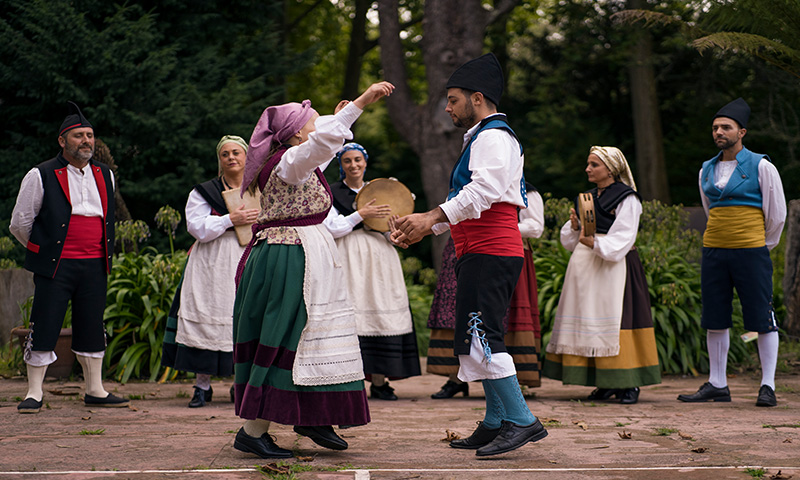
Gujarat’s coastline carries one of India’s quietest cultural stories. More than a thousand years ago, a group of Zoroastrians sailed from Persia and found shelter near Sanjan, a small settlement in present-day Valsad district. That arrival shaped what we now call Parsi culture in Gujarat, a tradition built on quiet prosperity, remarkable philanthropy, and a sacred flame that has never been extinguished.
For travellers short on time but curious about this community, a single day is enough to visit its three most meaningful locations: Udvada, Navsari, and Sanjan. All three sit within a 90 km corridor along the Western Railway line between Vapi and Surat, which makes them unusually easy to combine for a long day trip from Mumbai, Surat, or Ahmedabad.
These towns are small, walkable, and anchored by one or two defining sites each. If you leave early, you can comfortably cover a fire temple visit from the outside, a heritage museum, a classic Parsi lunch, and a short walking circuit of century-old bungalows before sunset.
The Parsi community is numerically small but historically outsized. Industrialists like Jamsetji Tata, scientists like Homi Bhabha, and conductors like Zubin Mehta all trace their roots to this coastal belt. The community’s population in India has been declining steadily, as noted by successive reports from the Office of the Registrar General of India, which lends a particular urgency to anyone interested in experiencing living heritage.
A visit to the Parsi belt is not a monument-ticking exercise. It is about walking through colonies where the architecture, the signboards, the household smells, and the quiet civic pride are all shaped by one of the world’s oldest surviving religions. Few short trips in India offer this density of culture.
The three towns sit roughly between Vapi and Surat, both of which are well-connected by rail and road.
For families, senior travellers, or anyone wanting to maximise the day, hiring a car for twelve hours is the most comfortable option because local public transport between these three towns is limited. Operators listed on the Gujarat Tourism portal and most Vapi-based agencies can arrange a day-use vehicle with driver.
Udvada is a two-street town, but it holds the single most sacred site for Zoroastrians anywhere in the world. The Iranshah Atash Behram houses a consecrated fire that priests have kept burning since the 8th century, first installed at Sanjan before being moved to Udvada in 1742. Only practising Parsis may enter the fire temple itself, but the surrounding lanes are open to everyone.
What to do in Udvada:
Udvada was declared a Heritage Village by the Government of India in 2015, which has helped preserve its original streetscape. It also appears on India’s tentative list of World Heritage Sites submitted to UNESCO, a recognition that few small towns in Gujarat currently share.
Navsari sits about 50 km north of Udvada and carries a far longer public history. The town was a major Parsi stronghold from the 12th century onwards and remains home to several of the community’s oldest institutions.
Key stops:
Navsari also hosts several agiaries that collectively form what residents call the Parsi quarter. Walking these lanes in the early evening, when neighbours step out for chai, is the easiest way to understand the community’s rhythm.
Sanjan is where legend meets history. Parsi oral tradition, recorded in the 16th-century narrative poem Qissa-i-Sanjan by Bahman Kaikobad, places the first landing of Zoroastrian refugees here in the 10th century, after they fled the Arab conquest of Persia.
The famous exchange with the local king, Jadi Rana, happened near this coast. The king sent a bowl of milk filled to the brim, suggesting the kingdom could hold no more people. The Parsi priest returned it with a spoonful of sugar stirred in, signalling that his community would blend in sweetly without displacing anyone. That gesture gave Indian English the phrase sugar in milk, still used today to describe quiet integration.
Today, Sanjan has:
Sanjan is about 25 km south of Udvada, which makes it a natural first or last stop on the circuit.
Walking through Udvada or Navsari, you will notice a signature style that borrows from both Gujarati vernacular and colonial Bombay. Classic features include deep wooden verandas, carved brackets, pastel exteriors in cream, dusty pink, or sea green, and tall louvered windows designed for coastal ventilation. Many homes carry stone plaques with the family name, year of construction, and occasionally a Zoroastrian motif such as the Faravahar.
The oldest Parsi bungalows date to the late 19th century. Several have been quietly restored by resident families, while others are maintained as heritage guesthouses. Photography is welcome from the street but always ask before stepping into a private compound. These homes are lived in, and the community prefers that visitors treat them as such rather than as monuments.
This schedule assumes you have a hired car and are starting from Mumbai. Reverse the order if you are coming from Ahmedabad or Vadodara.
For a slower pace, consider adding an overnight stay in Udvada and splitting the itinerary over two days. Our handpicked Gujarat tour packages blend cultural circuits like this with wildlife and heritage architecture across the state.
Parsi food is one of India’s most distinctive regional cuisines, shaped by Persian roots and Gujarati produce. On this trip, prioritise:
Globe Hotel in Udvada has been serving guests for over a century and is the most atmospheric option for a sit-down lunch. If you prefer a home-kitchen style, several Udvada residents run small Parsi guesthouses that serve meals on prior booking.
A few things worth planning in advance:
This one-day plan works best for:
It is less suited to travellers looking for adventure sports, beach resorts, or active nightlife. For a more relaxed version, stretch it over two days with an overnight stay at one of Udvada’s heritage guesthouses. Our team can also design a tailored circuit using our curated weekend getaway experiences, which cover slow-travel breaks across western India.
A one-day getaway through Udvada, Navsari, and Sanjan is less about covering distance and more about slowing down inside a culture that India has quietly carried for twelve centuries. For a travel style that favours depth over checklists, this corridor is one of the most rewarding short trips in western India.
If you want this itinerary built around your travel dates, cuisine preferences, and pace, our team can design a personalised Gujarat heritage experience that goes beyond the usual circuit. Browse our full range of cultural tours in India to begin planning your trip.
Udvada is 190 km from Mumbai via NH 48. A self-drive takes about four hours in reasonable traffic. You can also take the Flying Ranee or any Western Railway train to Vapi, then hire a local taxi for the 10 km stretch to Udvada.
No. Entry into any Atash Behram or Agiary is restricted to practising Zoroastrians. Non-Parsi visitors can view the exterior and visit the Zoroastrian Information Centre nearby for a detailed explanation of the rituals, scriptures, and history.
Yes. A well-planned day is enough to cover Sanjan, Udvada, and Navsari if you start early. For a more relaxed pace or to attend a cultural event, consider an overnight stay in Udvada and a return via Navsari the next morning.
October to February is ideal. The weather is cool, humidity is low, and most heritage restaurants and guesthouses operate on full schedules. Avoid the monsoon months of July and August when the Konkan belt sees heavy rain.
Order dhansak, patra ni machchi, sali boti, and lagan nu custard. Globe Hotel and Ashishvangh in Udvada are the two most authentic sit-down options for a traditional meal.
Occasionally. Local heritage trusts and the Udvada Area Panchayat organise walks during festivals and the Udvada Utsav. Private operators also offer customised walks when booked in advance through a reputable travel desk.

Meghalaya: The Place in India Where Women Rule the Roost
01 Nov 2026
A Complete Travel Guide to Kuno National Park: Everything You Need to Know Before You Go
30 Oct 2026
A Comprehensive Guide to the Famous Sabarmati Ashram in Ahmedabad
29 Oct 2026
A One-Day Getaway in Gujarat to Explore Parsi Culture
28 Oct 2026
A Family Trip to Uttarakhand, For the Love of Mountains!
27 Oct 2026


