 +919871148514
 info@memorableindia.com

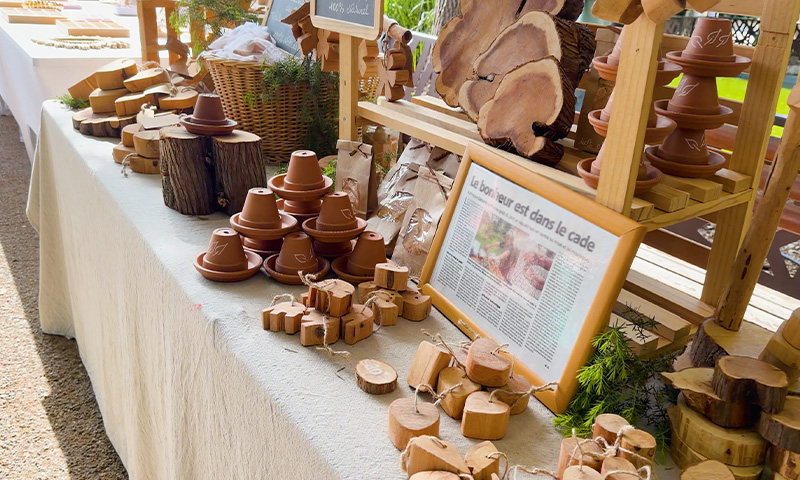
A short walk through any Indian bazaar explains why travellers leave this country with heavier bags than they arrived with. Blue pottery in Jaipur, Pashmina in Srinagar, Chikankari in Lucknow, Dokra in Bastar, each region speaks in its own visual language. Finding handicrafts in India is easy. The real question is where to buy pieces that are genuinely handmade, fairly priced, and traceable to the artisan who made them.
This guide maps the most sought after Indian handicrafts to the states that make them best, lists the markets, villages and government emporiums where you can shop with confidence, and gives you a buyer’s checklist to separate the real from the mass produced. It is written for travellers who want to shop meaningfully, not just quickly.
India’s craft sector is one of the largest handmade economies in the world, with the Ministry of Textiles grouping it into clusters that cover textiles, metalware, pottery, woodcraft, stonework and more. According to the Office of the Development Commissioner (Handicrafts), millions of artisan households still depend on these skills for their primary income. When you buy a hand knotted Kashmiri carpet or a hand painted Pattachitra scroll, your rupees usually travel further than a souvenir purchase elsewhere, because the chain between maker and buyer is short.
A second reason to care is authenticity. Over 70 Indian crafts, from Pashmina to Kondapalli toys, carry a Geographical Indication (GI) tag, which legally ties the product to its region of origin. A GI label is one of the simplest filters a buyer has against convincing fakes sold in tourist districts.
Rather than one long list, it helps to think state by state. Each region has its signature material, its own motifs and a cluster of villages where the craft is practised at scale.
Kashmir sits at the top of most shopping lists for a reason. Hand spun Pashmina shawls, woven from the fine undercoat of Changthangi goats in Ladakh, are the single most recognisable craft from the valley. Hand knotted silk and wool carpets, Kani shawls with intricate twill tapestry, walnut wood carving from Shopian, and lacquered papier-mache boxes from downtown Srinagar sit alongside them.
The best places to buy: the Government Arts Emporium on Residency Road in Srinagar, the Boulevard shops around Dal Lake, and the Kashmir Government Arts Emporium branches in Delhi and Mumbai. For a cultural trip that pairs craft hunting with Mughal gardens and shikara rides, our Kashmir tours include guided visits to artisan workshops in Srinagar.
No state packs more variety into a single trip. Jaipur alone covers hand block printed textiles (Sanganer and Bagru), Jaipur blue pottery, Meenakari and Kundan jewellery, bandhani tie dye, blue city puppets from Udaipur, and razai quilts from Jaisalmer. Jodhpur contributes antique and reproduction furniture, and the Shekhawati belt is known for leather juttis and mojari.
Where to shop:
Craft hunters usually combine a Jaipur stop with Pushkar, Udaipur and Jaisalmer. Our Rajasthan tour packages build in shopping windows at vetted artisan clusters, which protects you from middlemen in high footfall markets.
The Kutch region is one of India’s most concentrated craft belts. Ahir, Rabari and Mutwa embroidery, Rogan art from Nirona village (practised by a single family), Ajrakh block printing in Ajrakhpur, hand woven Patola silk saris from Patan, and Bandhani tie dye from Jamnagar and Bhuj form the core.
Shopping anchors: Bhujodi village near Bhuj for weavers and dyers working on their looms, Law Garden night market in Ahmedabad for everyday Bandhani and mirror work, and the Garvi Gurjari state emporium for a curated selection. For a focused itinerary around craft villages, our Gujarat tour packages cover the Kutch handicraft trail along with the Rann of Kutch.
Lucknow is the capital of Chikankari, a fine white on white hand embroidery that UNESCO lists as part of India’s living heritage. UNESCO’s Representative List of the Intangible Cultural Heritage acknowledges several related Indian craft traditions. Moradabad is India’s brass city, Bhadohi and Mirzapur weave the country’s best known hand knotted carpets, and Varanasi weaves Banarasi silk saris in brocade and zari.
Buy from: Chowk and Aminabad in Lucknow for Chikankari (SEWA Lucknow and Lucknow Chikan Mart are reliable), Thatheri Bazaar in Varanasi for brass and copper utensils, and the UPICA state emporium in major cities.
West Bengal is known for Kantha running stitch quilts, Baluchari and Jamdani saris, Shantiniketan leather, terracotta from Bankura and Dokra lost wax metal casting. Odisha, next door, is famed for Pattachitra cloth paintings, palm leaf etchings, Sambalpuri ikat, Silver Filigree from Cuttack, and appliqué from Pipli.
The village of Raghurajpur, around 15 kilometres from Puri, is a heritage craft village where almost every household paints Pattachitra. In Kolkata, Dakshinapan Shopping Complex houses state emporiums from across India under one roof, which is the fastest way to compare price and quality without hopping cities.
Tamil Nadu is the home of Tanjore paintings with their gold foil and gem inlay, Swamimalai bronze idols cast using the lost wax method, Kanchipuram silk saris, and Chettinad woven cottons. Karnataka contributes Mysore silk saris with pure zari borders, rose wood inlay from Mysuru, Channapatna lacquered wooden toys made from ivory wood, and Bidriware (actually inlaid in neighbouring Karnataka and Telangana).
Shopping anchors: Poompuhar emporium (Tamil Nadu government) and Cauvery emporium (Karnataka government) have outlets in most major cities and are the safest first stop for travellers short on time. For a longer loop that pairs temples, backwaters and craft studios, consider our South India tour packages, which include stops at Swamimalai bronze workshops and Channapatna toy clusters on request.
Srikalahasti and Machilipatnam practise two distinct styles of Kalamkari, one hand drawn with a bamboo pen and the other block printed. Bidriware, a 14th century craft from Bidar in Karnataka that is also made in parts of Telangana, uses zinc and copper alloy inlaid with pure silver. Pochampally in Telangana weaves ikat saris that carry a GI tag of their own.
Lepakshi (Andhra Pradesh government emporium) and Golconda Handicrafts (Telangana) in Hyderabad are the most reliable retail stops. The Shilparamam crafts village in Hyderabad hosts rotating artisan fairs through the year.
The eight northeastern states produce some of India’s most underrated crafts. Assam weaves Muga and Eri silk, Nagaland is known for tribal shawls with distinct motifs, Manipur makes black Longpi pottery, and Mizoram’s Puan textiles round out the picture. Guwahati’s Pan Bazaar and Tribes India outlets in Shillong and Kohima are the best first stops.
If you only have time for one city, Delhi concentrates the best of the country in a few square kilometres. Beyond Delhi, state capitals are usually the second best bet, followed by the craft villages themselves.
High confidence places to shop:
Tourists are a prime market for lookalike factory goods passed off as handwork. A short checklist helps:
Larger pieces (carpets, furniture, framed Tanjore paintings) are usually shipped home rather than carried. Established emporiums handle international courier and insurance paperwork in house. Antiques older than 100 years require an Archaeological Survey of India clearance before export. For textiles with silver or gold zari, keep the GI or hallmark certificate with your luggage.
A sensible craft itinerary rarely squeezes more than three regions into a two week trip. A classic combination is Delhi for the emporium circuit, Jaipur and Jodhpur for Rajasthan’s textiles and metalwork, and Udaipur for miniature painting, with a Bhuj extension if time allows. South India buyers often pair Chennai, Thanjavur and Mysuru. Kashmir works best as a standalone week focused on Srinagar workshops.
If you would rather have the shopping windows, workshop visits and reliable transport organised in advance, speak to our team through the Memorable India contact page. A specialist will map a route around the crafts you actually want, not a generic circuit.
Shopping for Indian handicrafts rewards patience. The best pieces almost never sit in airport duty free aisles. They come from a loom in Patan, a workshop in Srinagar, a courtyard in Raghurajpur, or a quiet lane behind a Jaipur haveli. Pick two or three regions that interest you, build the trip around them, and lean on government emporiums or vetted village visits for the actual purchase. If you would like a cultural itinerary built around craft hubs rather than monuments alone, our India specialists at Memorable India can shape one around your schedule and the pieces you want to bring home.
Pashmina shawls from Kashmir, Chikankari embroidery from Lucknow, hand block printed textiles from Rajasthan, and Tanjore paintings from Tamil Nadu are among the most internationally recognised Indian handicrafts. All four carry Geographical Indication protection, which legally restricts their origin to specific clusters.
The most reliable addresses are Dilli Haat at INA, the Central Cottage Industries Emporium on Janpath, and the state emporium row on Baba Kharak Singh Marg where every Indian state runs its own government store. Prices are fixed and quality is vetted, so you avoid the markups common in tourist markets.
A Geographical Indication tag is a legal certification that a product comes from a specific region and follows traditional methods. For buyers, it is the simplest guarantee that a Pashmina was woven in Kashmir, a Pochampally sari in Telangana, or a Kondapalli toy in Andhra Pradesh, and not a lookalike made elsewhere.
Prices range widely. A hand block printed cotton stole may cost a few hundred rupees, while a hand knotted silk carpet or a Kani Pashmina can run into lakhs. The craft, the material, the hours of work, and whether you buy from the maker or a reseller all affect the final price. Government emporiums are the easiest way to benchmark fair rates.
Rajasthan offers the widest variety in a single state, from blue pottery and block prints to jewellery and leather. Gujarat is the strongest choice for textile buyers thanks to Kutch. Kashmir leads for shawls, carpets and papier-mache. Odisha and West Bengal are best for tribal and folk art.
Yes. The government backed Indiahandmade marketplace, Tribes India (TRIFED) and most state emporiums ship internationally. For high value items such as carpets and silk saris, buying in person during a trip and arranging shipping through the emporium is usually safer than ordering sight unseen.

Meghalaya: The Place in India Where Women Rule the Roost
01 Nov 2026
A Complete Travel Guide to Kuno National Park: Everything You Need to Know Before You Go
30 Oct 2026
A Comprehensive Guide to the Famous Sabarmati Ashram in Ahmedabad
29 Oct 2026
A One-Day Getaway in Gujarat to Explore Parsi Culture
28 Oct 2026
A Family Trip to Uttarakhand, For the Love of Mountains!
27 Oct 2026


