 +919871148514
 info@memorableindia.com

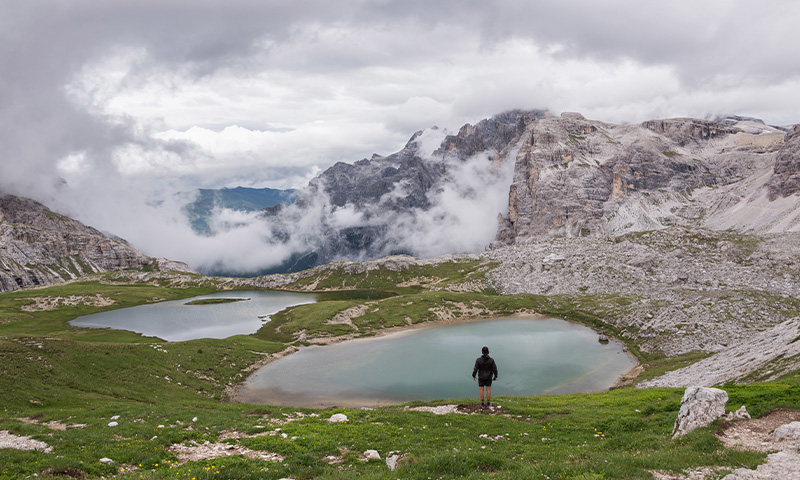
The first time you fly into Srinagar, the Himalayas look almost ornamental. Snowfields fold into pine forests, the Jhelum curls through the city, and you land convinced that Kashmir will be the quiet half of the trip. Ten days later, after driving the Srinagar to Leh road and spending a week acclimatising in Ladakh, that assumption gets rearranged completely. The two regions share a border, a mountain range and often the same traveller, yet they feel like separate countries stitched together by one of the most scenic highways in India.
This is a firsthand account of that circuit, written for anyone planning a Leh and Srinagar trip and trying to work out what the route actually asks of you. Not a dreamy postcard version, just the practical shape of the journey, the parts that reward slow planning and the ones that catch most first-timers off guard.
A Kashmir Ladakh itinerary works because the two halves balance each other. Srinagar is lush, lived-in and almost coastal in feel, with houseboats, gardens and a food culture built around rice and meat. Ladakh is high desert, Buddhist in character, with monasteries clinging to ridgelines and villages that disappear into the folds of brown mountains.
Driving between them, rather than flying both ways, gives you the altitude ladder your body needs. You climb gradually from Srinagar at about 1,585 metres to Leh at roughly 3,500 metres over two days, which is far kinder on the lungs than stepping off a Delhi flight directly into Leh and sleeping at altitude the same night. Information on the Leh Manali and Srinagar Leh highways is maintained by the Border Roads Organisation, which handles seasonal clearing of the passes.
Quick snapshot of what the circuit covers:
Most people arrive at Sheikh ul Alam Airport by late morning and are on a shikara by evening. That feels fast, but Srinagar rewards the pace once you let it. Houseboat check-in on Dal or Nigeen Lake is a working ritual, not a photo opportunity. Rooms are wood-panelled, breakfast arrives on the deck, and the shikara wallah becomes your de facto guide for the next three days.
The vegetable market before sunrise is the one experience worth losing sleep over. Traders row out from the lake villages around 5 am, trade produce in silence, and are gone by 7. Visitors watch from a shikara at a respectful distance. It is not staged for tourists, which is exactly why it works.
From a Srinagar base you can realistically fit:
Three nights in Srinagar is the sweet spot. Two feels rushed once you add Gulmarg or Pahalgam, and four tips into repetition unless you plan a trek. For a wider look at what the valley offers, the Kashmir tours collection on Memorable India maps most of these threads into bookable itineraries, which saves a lot of back and forth with local operators.
The Srinagar to Leh road trip is roughly 420 kilometres, split into two driving days with an overnight at Kargil. Done in a single day it is punishing and unsafe. Done in two, it becomes the best part of the trip.
The first leg climbs out of the valley through Sonamarg, the meadow of gold, and then up to Zoji La pass at about 3,528 metres. Zoji La is where Kashmir ends in the physical sense. The green cover drops away within an hour of driving, and you emerge onto the Drass plateau, often described as the second coldest inhabited place on earth. The Kargil War Memorial at Dras is a worthwhile and sobering stop; most drivers will build in forty minutes without being asked. You reach Kargil town by late afternoon. Hotels are functional rather than scenic, and that is fine, because you are mainly there to sleep.
Day two is the quieter, more beautiful leg. You cross two more passes, Namika La and Fotu La, then descend into the Indus valley. Lamayuru monastery, often called the moonland of Ladakh for the eroded hillscape around it, is the first proper taste of Tibetan Buddhist architecture on the route. Alchi, a short detour, holds some of the oldest surviving murals in the western Himalayas, which the UNESCO tentative list entry for Alchi describes in archaeological detail. You arrive in Leh by early evening, enough time for a slow walk down the main bazaar before dinner.
A practical note that is easy to miss: the Srinagar to Leh via Kargil highway operates seasonally. It typically opens in late May or early June once Zoji La is cleared and closes with the first serious snowfall around late October or early November. Exact dates vary year to year, so check with your operator before locking flight returns.
Leh at 3,500 metres is not a town you sprint through. The first forty-eight hours should be deliberately quiet. Most seasoned travellers walk a little, drink water constantly, skip alcohol, and let the body adjust. Guidance from the U.S. CDC on high-altitude travel is clear that gradual acclimatisation reduces the chance of altitude sickness significantly, which matches what every ethical Ladakh operator will tell you.
A gentle rhythm for the first two days:
Thiksey at sunrise is the standout, built in tiered white and ochre levels that look lifted from Lhasa. Hemis, deeper in a side valley, holds the festival that draws most of Ladakh in June or July. For travellers who want this stretch pre-planned without over-scheduling, the Leh Ladakh tour packages listed by Memorable India build in exactly this kind of acclimatisation buffer, which is harder to arrange when you book flights and hotels in isolation.
Two side trips define the Ladakh half of most itineraries. Both involve crossing high passes, both deserve an overnight at least, and both benefit from an experienced local driver rather than a self-drive.
Nubra sits north of Leh, reached by crossing Khardung La at about 5,359 metres. The pass is thin on oxygen and the stop at the top is deliberately short, usually ten minutes for photos and warm tea. Down the other side the landscape widens into a double-river valley with sand dunes near Hunder, bactrian camels descended from Silk Route caravans, and Diskit monastery with its 32 metre Maitreya Buddha overlooking the valley. One night in Hunder, two if you want time at Turtuk village near the Line of Control, which was closed to civilians until 2010 and still feels unhurried in a way most of Ladakh no longer does.
Pangong, the long saltwater lake that stretches from Ladakh into Tibet, is a four to five hour drive from Leh via Chang La pass. The lake sits at roughly 4,350 metres, so a night at Pangong is tougher on the body than a night in Leh. Camps and small guesthouses line the Indian stretch near Spangmik and Man villages. Dawn is the time to be awake there. The water shifts colour through blue, teal and silver as the sun rises, and the mountains behind it stay bronze until mid-morning.
Travellers choosing between Nubra and Pangong, when time is short, usually pick Nubra for its variety and warmth and skip Pangong for a future winter trip, when the lake freezes solid and the drive becomes a different experience altogether.
Food is a quiet pleasure of this circuit. In Srinagar, a proper wazwan meal is the one experience worth booking a table for, with slow-cooked lamb preparations like rogan josh, gushtaba and tabak maaz served over heaped portions of rice. Simpler stops matter too, from a bakery breakfast of kulcha and nun chai near Lal Chowk to kahwa on a houseboat deck in the evening. Across the passes in Leh, the plate shifts to Tibetan influences, with thukpa, momos, skyu and butter tea anchoring most menus. Local Ladakhi apricots and seabuckthorn juice are worth seeking out in season.
Timing is where most first-time itineraries go wrong. The useful shorthand:
If you only have one week and want to combine both regions, aim for the first two weeks of July or the first two weeks of September. Monsoon rarely reaches Ladakh with any force, and Kashmir sees lighter rainfall than most of north India, though occasional cloudbursts around Sonamarg and the Zoji La corridor can delay travel by a day. Checking the India Meteorological Department forecast the week before travel is a sensible habit.
A short list of things experienced travellers do without being told:
For travellers who want the valley half tightly curated without losing the slower pace, the Best of Kashmir package is a useful reference point for how a well-paced seven to nine day valley itinerary looks before you bolt the Ladakh leg onto it.
A Leh and Srinagar trip is not the easiest Himalayan journey on the menu. It asks for altitude patience, flexible dates and a willingness to let a road trip be the point rather than the inconvenience between airports. In return it gives you two of the most distinct cultural landscapes in India, back to back, with a drive in the middle that most travellers remember longer than either destination.
The travellers who come back happiest are the ones who built in rest days, left the itinerary slightly loose, and chose an operator that handled permits, altitude pacing and road closures as part of the planning rather than as surprises. If that is the kind of trip you are mapping, our team at Memorable India can shape the full circuit around your dates and energy level. Reach out through our contact page and we will draft an itinerary based on when you plan to travel and how much time you can give the road.
A comfortable Leh and Srinagar trip needs nine to eleven days: three nights in Srinagar, two days on the road via Kargil, four nights in Leh with Nubra and Pangong, and one buffer day for weather. Shorter versions compress the altitude acclimatisation and are not recommended for first-time travellers.
Yes, when travelled over two days with a trained local driver and sensible stops. Children above eight generally handle the altitude well, though families with very young children or members with cardiac or respiratory conditions should consult a doctor and consider flying one way rather than driving both.
The best time to visit Leh and Srinagar together is from mid-June to mid-September, when the Srinagar to Leh via Kargil highway is fully open and both Khardung La and Chang La passes are accessible. September offers lower crowds and clearer light, while July has the warmest conditions in Ladakh.
Indian citizens need an Inner Line Permit for Nubra, Pangong, Tso Moriri and Hanle, issued in Leh. Foreign nationals require a Protected Area Permit from the same office. Both are usually arranged by your tour operator on your first day in Leh and are included in most organised Leh Ladakh tour packages.
Yes, direct flights operate from Delhi, Mumbai and a few other metros. The trade-off is altitude: flying straight to Leh at 3,500 metres means stricter rest for the first forty-eight hours, since you skip the gradual altitude ladder that the Srinagar to Leh road trip provides.
Mobile coverage is strong in Srinagar and reasonable in Leh town. It drops sharply in Nubra and Pangong, where only BSNL postpaid tends to work. Prepaid SIMs from other Indian states do not activate in Jammu, Kashmir and Ladakh, so plan for offline navigation on the road.
A Journey to Leh and Srinagar: Firsthand Travel Experience
25 Oct 2026
A Guide to Famous Temples in Himachal Pradesh
24 Oct 2026
9 Best Places to Visit in Lakshadweep, a Top Island Getaway in India
23 Oct 2026
7 Reasons Why One Should Travel by Indian Rail
22 Oct 2026
6 Reasons to Visit Chopta Valley in the Himalayas
21 Oct 2026


