 +919871148514
 info@memorableindia.com
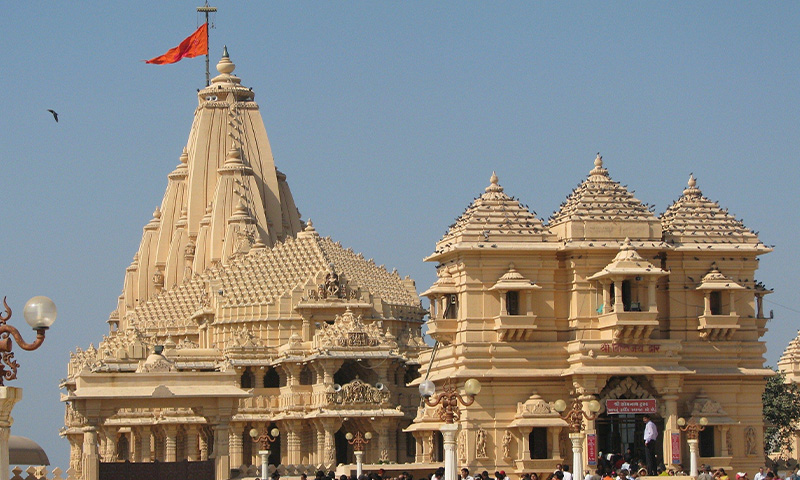
Long before India built its highways and airports, its temple fairs were already stitching the country together. Farmers walked for days to reach a shrine, traders set up stalls under peepal trees, and priests kept centuries-old rituals alive by lamplight. Much of that world still survives. Across the subcontinent, millions of devotees continue to gather every year at temple courtyards, riverbanks and hillside shrines to mark deities’ journeys, harvest cycles and celestial alignments.
For travellers, these gatherings offer something rare: a chance to see India as it prays, cooks, dances and trades all in the same afternoon. The scale varies wildly, from tribal community fairs of a few thousand pilgrims to national gatherings that rival small cities in size. What they share is a rhythm that predates modern tourism, and often the modern nation itself.
This guide walks you through 15 of the most compelling temple fairs in India, arranged loosely by region and season. Each entry covers what makes the fair distinctive, roughly when it takes place, and how it fits into a wider travel plan. Use it as a starting point for a trip that goes beyond monuments and into the country’s living cultural rhythm, and pair it with local guidance for the smoothest possible experience on the ground.
Held every June or July at the Jagannath Temple, Rath Yatra is one of the oldest recorded chariot festivals in the world. Three colossal wooden chariots carrying Lord Jagannath, Balabhadra and Subhadra are pulled along Puri’s Grand Road by thousands of devotees, travelling to the Gundicha Temple for a nine day stay before returning. The chariots are rebuilt from scratch each year by hereditary carpenters using techniques passed down through generations, and the ceremony is regarded as a rare moment when the deities step out to meet ordinary devotees regardless of caste or background. Book coastal Odisha stays several months in advance; Puri’s population swells sharply during the festival window, and beachfront hotels sell out first.
Regarded as one of Asia’s most visually striking temple festivals, Thrissur Pooram is held around April or May at the Vadakkunnathan Temple. Thirty caparisoned elephants line up in two rival processions from the Paramekkavu and Thiruvambady temples, accompanied by traditional Chenda Melam percussion ensembles that can hold audiences of thousands in complete stillness. The Kudamattam parasol exchange in the afternoon is one of Kerala’s finest visual spectacles. The night ends with a competitive fireworks display between the two participating temples that lasts well past dawn. Arrive a day early to secure vantage points near the Thekkinkadu Maidan and consider booking a shaded seat through a local tour operator.
The Kartik Purnima celebrations at the Brahma Temple in Pushkar draw pilgrims for holy dips in the sacred lake, while the adjoining fairground turns into one of the world’s largest livestock and camel gatherings each November. Folk performances, moustache competitions, hot air balloon rides and rural sports run through the week, giving travellers a rare combined view of ritual and rural commerce. It is one of the few fairs in India where a genuine trading economy still operates alongside the tourist itinerary, and photographers routinely rank it among the country’s most rewarding assignments. Our Pushkar Camel Fair guide covers dates, logistics and practical tips in depth.
The Meenakshi Amman Temple hosts this month long celebration in April and May, culminating in the celestial wedding of Goddess Meenakshi and Lord Sundareswarar. Streets around the temple fill with painted deities, dancers and towering temple cars pulled by tens of thousands of devotees along the four Chitra streets that surround the sanctum. The Azhagar arrival ceremony, when the idol of Lord Vishnu from Alagar Koil wades into the Vaigai River, is a highlight for photographers and cultural historians alike. Madurai’s old town accommodations fill early, so plan your stay around the wedding date rather than the calendar month.
Held every June at the Kamakhya Temple on Nilachal Hill in Guwahati, Ambubachi marks the annual menstruation cycle of the goddess. The sanctum stays closed for three days, then reopens with elaborate rituals attended by tantric sadhus, Aghori ascetics and lakhs of devotees. It is one of the few major fairs in India centred on feminine energy and Shakta tradition, which gives it a distinct cultural texture and a strong pull for scholars of religion. Combine the visit with two extra days in Assam to see Majuli or Kaziranga at a manageable pace.
Every January, on Makar Sankranti, pilgrims travel to Sagar Island at the mouth of the Hooghly to take a holy dip at the point where the river meets the Bay of Bengal, and to offer prayers at the Kapil Muni Temple. It is regarded as one of the largest annual religious congregations in India, second only to the Kumbh Mela in scale. Reaching the island involves a ferry crossing from Kakdwip, so build a buffer day into your itinerary. Winter fog can delay boats, and the West Bengal government sets up special medical and shelter camps that are worth locating on arrival.
Set at the confluence of the Ganga and Gandak near the Hariharnath Temple, Sonepur Mela runs from Kartik Purnima into late November or December. Long considered one of Asia’s largest cattle fairs, it lets travellers combine ritual bathing with visits to the traditional cattle, horse, elephant and bird sections that still operate at scale. Wrestling akharas, magic shows and folk theatre run late into the night, and Bihar Tourism runs seasonal tented accommodation during the fair for visitors who prefer to stay on site rather than commute from Patna each day.
Kullu’s version of Dussehra begins where most others end. Over 200 village deities travel on decorated palanquins from surrounding valleys to the Dhalpur Maidan to pay respects to Lord Raghunath. The week long fair blends temple ritual with Himalayan folk dance, handicraft stalls and mountain cuisine, and evening concerts on the maidan often feature national artists. It remains one of the most vivid living examples of a deity based fair anywhere in India, and the surrounding apple valleys are at their most photogenic in early October.
Held once every 12 years at the Mahamaham Tank in Kumbakonam, this fair sees pilgrims bathe in what is believed to be a confluence of nine sacred rivers. The town’s dozen major temples open their sanctums for extended darshan, and the surrounding streets fill with music and processions carrying deities from each shrine to the tank. Between full scale editions, an annual mini festival is observed on the same lunar day for regular visitors, which is a more relaxed and accessible way to experience the tradition without full mela crowds.
Every February or March, women gather in their lakhs around the Attukal Bhagavathy Temple in Thiruvananthapuram to cook a rice, jaggery and coconut offering called Pongala on temporary hearths that stretch for kilometres through the city. The gathering is listed by Guinness World Records as the largest annual religious gathering of women, and it turns Thiruvananthapuram into an open air kitchen and shrine for a single unforgettable day. Male visitors typically observe from the periphery; the ritual space itself is reserved for women devotees.
Held in January or February at the confluence of the Som and Mahi rivers near Dungarpur, Baneshwar centres on the Baneshwar Mahadev Temple and draws primarily Bhil tribal communities of southern Rajasthan, western Madhya Pradesh and Gujarat. The atmosphere is more intimate than Pushkar, with community dances around bonfires, folk theatre and small trade stalls selling handmade textiles and silver jewellery. It is a strong pick for travellers who want a quieter, tribal flavoured fair experience away from the standard Rajasthan circuit.
Set around the Trinetreshwar Mahadev Temple in Surendranagar district, Tarnetar unfolds over three days around Bhadrapada Shukla Panchami in August or September. Historically a matchmaking gathering for the Koli, Bharwad and Rabari communities, the fair remains celebrated for its intricately embroidered umbrellas, mirror worked tribal jewellery and Rasada folk dance performances that continue late into the night. The costumes on display are among the finest examples of surviving Saurashtra folk textile traditions, and craft collectors treat it as a working field trip.
Held on Magha Saptami at Chandrabhaga Beach near the Konark Sun Temple, this February fair combines a sunrise ritual bath in the sea with cultural performances against the backdrop of the 13th century Sun Temple, a UNESCO World Heritage Site. Odisha Tourism organises a parallel dance festival on the beach that showcases classical Odissi, Bharatanatyam and Manipuri in a striking coastal setting. The fair pairs neatly with a longer Odisha itinerary covering Puri, Bhubaneswar’s Lingaraj Temple and the tribal belts of Koraput.
On the banks of the Yamuna near Agra, Bateshwar hosts one of North India’s largest animal fairs each October or November. The 101 Shiva temples that line the ghats form the ritual backbone, while horse and camel traders bring the commercial energy that once made this route a major stop on regional trade circuits. It is a compelling side trip for travellers already on a Rajasthan or Golden Triangle route, and rarely appears on international travel itineraries, which keeps the atmosphere refreshingly local and unpolished.
Mandi’s week long Shivratri celebration in February or March gathers over 200 local devi devtas at the Bhootnath Temple in the town centre. Palkis wind through narrow lanes accompanied by shehnai and drums, and the town’s colonial era squares turn into open air performance grounds where local troupes perform folk dances late into the night. It is one of the finest windows into Himachal’s living deity culture, and far less crowded than Kullu Dussehra, making it a comfortable pick for first time visitors to a Himalayan temple fair.
Temple fairs reward planning. A few practices apply across the board:
Different fairs suit different travellers. For raw visual spectacle, Thrissur Pooram and Rath Yatra stand out and reward international visitors willing to plan several months ahead. For rural texture, Pushkar, Sonepur and Bateshwar deliver an older, unhurried India where the livestock economy still shapes the atmosphere. For quieter, community scale immersion, look to Baneshwar, Tarnetar or Mandi Shivratri, all of which sit outside standard tourist circuits. Photographers tend to gravitate to Kullu, Chandrabhaga and Chithirai, where colour, light and architecture align on the same afternoon. Devotees on a spiritually focused trip often prioritise Ambubachi, Gangasagar and Attukal Pongala for their sanctity and ritual depth. Match the pace you want with the region you are drawn to, and let that shape the rest of the route. Well timed detours to nearby temple towns, craft villages, wildlife reserves or hill stations can easily turn a single fair into a full two week India journey.
For travellers who want to build an entire trip around India’s cultural calendar, our curated Fairs and Festivals in India tours are a good place to browse regional options and seasonal windows.
Temple fairs are among the last places where India still gathers at full village scale. They reward travellers who arrive prepared, curious and slightly patient. If you are ready to plan a trip around one, our team at Memorable India can shape the dates, transfers and stays around your chosen fair. Reach out through our Contact Us page for a customised itinerary that fits your calendar and interests.
A: A temple fair, or mela, is a large community gathering held around a specific temple to mark a deity’s festival, an astrological date or a harvest cycle. Most combine rituals like processions and holy dips with trade stalls, folk performances and regional food.
A: The Kumbh Mela, rotating across Prayagraj, Haridwar, Ujjain and Nashik, is the largest religious gathering in the world. Among annual temple fairs, Rath Yatra in Puri, Gangasagar Mela in West Bengal and Sonepur Mela in Bihar draw the largest crowds.
A: October to March is the most comfortable window and coincides with Pushkar, Sonepur, Kullu Dussehra, Gangasagar and Chandrabhaga. April to June covers Chithirai, Thrissur Pooram and Ambubachi. June to July is Rath Yatra season.
A: Yes, most major temple fairs are safe when visited with sensible planning. Travel with a local guide on peak days, keep valuables minimal, dress modestly and follow crowd flow instructions from police and volunteers, especially at riverbank rituals.
A: Most fairs sit close to well known heritage circuits. Pushkar fits into a Rajasthan itinerary, Thrissur Pooram into Kerala, Rath Yatra into an Odisha temple trail and Bateshwar into a Golden Triangle extension. A tour operator can align the dates for you.
A: Yes, and often earlier than you expect. Small pilgrimage towns have limited hotel inventory and it fills up weeks before major festival dates. Booking two to three months ahead is standard for Pushkar, Puri, Kumbakonam and Thrissur.
12 Top Tourist Destinations in Jammu and Kashmir for a Memorable 2026 Trip
13 Oct 2026
12 Tips to Remember Before Holidaying in the Northeast Indian States
11 Oct 2026
10 Things to Do on a Family Vacation in Shimla, Himachal Pradesh
09 Oct 2026
10 Days in India: Where to Go and What to See
05 Oct 2026
10 Best Places in North India for Corporate Outings to Recharge and Build Team Spirit
01 Oct 2026


