 +919871148514
 info@memorableindia.com
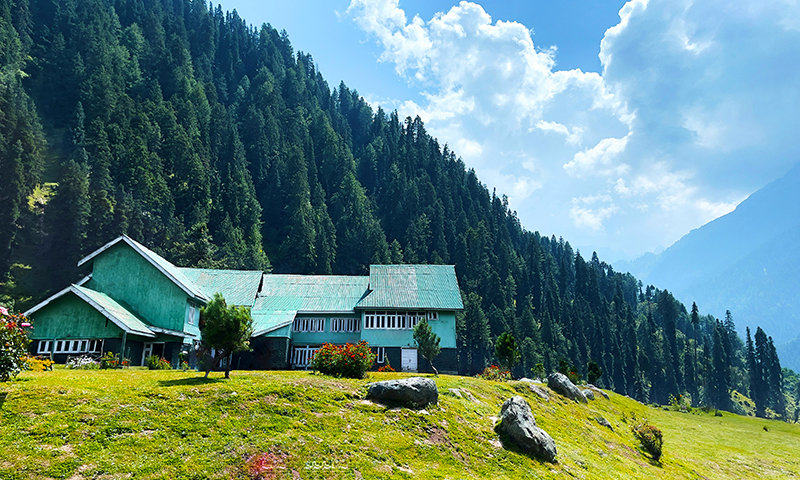
Summer in the plains sends most travellers scrambling toward Shimla, Manali, and Ooty. The result is predictable: choked roads, inflated tariffs, and hill towns that feel busier than the cities left behind. The good news is that India’s mountain map runs far deeper than the usual postcards. From the wooded ridges of the Eastern Himalayas to the mist-soaked plateaus of the Western Ghats, dozens of lesser-known escapes offer cool air, honest hospitality, and views that have not yet made it to every reel.
This guide covers 20 offbeat hill stations in India worth planning around this April to July window. Each entry keeps the essentials tight: what makes the place worth the detour, when to go, and how to reach it. Consider it a working shortlist rather than a wishlist, built for travellers who prefer quieter trails over Instagram queues.
A UNESCO-tentative cultural landscape shaped by the Apatani tribe and their pine-fringed rice fields. Summer temperatures hover between 15 and 25 degrees Celsius, which makes April to June ideal for slow walking through Hong village and the sacred Talley Valley forests. The nearest railhead is Naharlagun, about 100 km south. Inner Line Permits are mandatory for non-residents and can be arranged through registered North East India tour operators well ahead of arrival.
Tucked near the McMahon Line at roughly 6,000 feet, Mechuka sits in a wide river valley ringed by Buddhist gompas and yak pastures. Summer temperatures stay in the mid-teens, and the eight-hour drive from Aalo keeps casual tourism at bay. Reserve a full day for the 400-year-old Samten Yongcha monastery and the Hanuman viewpoint above the airstrip.
At 10,000 feet, Tawang carries the second-largest Buddhist monastery in the world and a summer climate that rarely climbs above 21 degrees. The route from Guwahati via Bomdila and Sela Pass takes two days but rewards with alpine lakes such as Madhuri and PTSO. Book accommodations early; the town has limited quality inventory during peak May and June.
The highest point in Bengal, Sandakphu delivers a rare sightline of four of the five tallest peaks on earth: Everest, Kanchenjunga, Lhotse, and Makalu. Summer skies from late April through early June tend to be clearest before the monsoon arrives. Reach it either by the Manebhanjan jeep trail or a four-day trek through the Singalila National Park.
A traditional Bhutia settlement in North Sikkim, Lachen serves as the launch pad for Gurudongmar Lake, one of the highest lakes accessible to civilians. Summer fully opens the road, and expect brisk mornings paired with mustard-yellow meadows on the way. Restricted Area Permits are arranged through registered Gangtok operators; solo travel to this belt is not permitted.
Often called the Mini Switzerland of India, Chopta is the trailhead for Tungnath, the highest Shiva temple in the world, and Chandrashila peak. Summer temperatures range from 10 to 20 degrees, and wildflower meadows are at their best in June. The drive from Rishikesh covers about 200 km through Devprayag and Ukhimath and is a natural add-on to any Uttarakhand tour package that combines pilgrimage and quiet mountain time.
A quiet ridge town in Pithoragarh district that looks straight into the Panchachuli massif. Summer is warm enough for treks to Khaliya Top and the Milam Glacier base without the frostbite risk of shoulder seasons. The drive from Kathgodam is roughly 275 km and is best split across two days, with a night at Chaukori or Berinag on the way up.
An old British cantonment turned quiet retreat, Chakrata remains partly restricted, which explains why it still feels untouched. Deoban forests, Tiger Falls, and the Budher caves make it a workable soft-adventure base. It sits 90 km from Dehradun by road and rarely appears on mainstream itineraries, which is exactly the point.
Perched across the Sutlej from Kinnaur Kailash, Kalpa in summer is apple-country calm. Days are pleasant, nights sweater-cool, and the Roghi cliffside villages offer some of the finest ridge walks in Himachal. Kalpa sits about 250 km beyond Shimla on NH-5, and the drive itself, along the old Hindustan-Tibet Road, forms half the experience.
The last inhabited Indian village before the Tibet border, Chitkul stays open from April onward. Wooden temples, the glacier-fed Baspa river, and a resident population under 500 keep it firmly offbeat. Carry ID at all times; the ITBP checkpoint at Nako is standard procedure. Curated Himachal Pradesh tour packages can pair Chitkul with Sangla and Kalpa in a comfortable six-day loop.
Adjacent to the Great Himalayan National Park, a UNESCO World Heritage Site, Tirthan trades party culture for trout streams and homestay porches. Summers stay in the 15 to 25 degree band. The nearest railhead is Jogindernagar, and the Aut tunnel diverts most Kullu-bound traffic away from this valley, which is part of why it remains genuinely quiet.
A short drive from Tirthan, Jibhi is quieter still, known for its wooden Serolsar Lake trek and the Jalori Pass viewpoint. Cafes remain small and independent, which is part of the appeal. Best reached by Volvo to Aut, then a two-hour cab. Weekends in May and June do see traffic from Delhi and Chandigarh, so weekday visits are worth planning.
A cold desert opening fully by June, Spiti feels closer to Ladakh than to Manali. Ki Monastery, Chandratal Lake, and the high villages of Langza and Komic all sit above 14,000 feet. Two access routes exist: the shorter Manali entry via Rohtang and Kunzum passes, and the longer, more acclimatisation-friendly loop via Shimla and Kinnaur. First-time visitors should choose the second.
Straddling the Nagaland-Manipur border, Dzukou Valley is famous for its seasonal lilies and rolling green bowls. The trek from Viswema village near Kohima takes about four hours one way and can be done as a long day hike or with a night at the base rest house. June and July bring the bloom; carry proper rain gear as weather turns quickly.
Certified as one of Asia’s cleanest villages, Mawlynnong is a Khasi community built around bamboo-based waste management. The living root bridges of Riwai and the viewpoint over Bangladesh’s plains are the calling cards. It sits 90 km south of Shillong and works well as an overnight from the state capital rather than a rushed day trip.
Downstream of Dawki on the Umngot river, Shnongpdeng offers the same crystal water without the day-tripper crowds. Camping, snorkelling, kayaking, and cliff diving are set up by local Khasi operators. Summers here are humid but the river stays cool, and homestay tariffs remain refreshingly reasonable compared to the more marketed neighbouring hamlets.
A rolling meadow-and-pine landscape in Idukki district, Vagamon runs at 25 to 30 degrees even in peak summer. Paragliding at Kolahalamedu, the Pine Forest, and the Thangalpara rock are the anchors of any short break. It is 65 km from Kottayam and 90 km from Munnar, which makes it a natural weekend detour from either coast.
Nicknamed the Cherrapunji of the South, Agumbe is a Western Ghats rainforest village known for king cobra research and layered sunset views over the Arabian Sea plateau. April and May are dry and warm; the monsoon typically arrives by late May. The nearest railway station is Udupi, 55 km west, and stays are dominated by heritage homes and small eco-camps.
Opened to civilian tourism only in the last decade, Gurez along the Kishanganga sits at roughly 8,000 feet with the pyramid-shaped Habba Khatoon peak as backdrop. Log houses, Dard-Shin cultural heritage, and quiet trout streams define the valley. Access is via Bandipora and the Razdan Pass, which usually opens from May and stays motorable until October.
A compact Shevaroy Hills retreat that sits at 4,970 feet and stays around 26 degrees through summer. Coffee estates, the Shevaroyan temple, and Lady’s Seat make it a workable two-day escape from Bengaluru or Chennai. The nearest railhead is Salem, 35 km below by ghat road. It suits travellers who want cool weather without a two-day journey to reach it.
Choosing among the best summer hill stations india offers takes a bit of matching, not just shortlisting. Three questions are worth answering before you book:
Permits deserve their own line of attention. Arunachal Pradesh requires an Inner Line Permit for Indian nationals and a Protected Area Permit for foreigners. Sikkim’s higher valleys such as Lachen and Gurudongmar need permits routed through registered operators. Nagaland has reintroduced ILP requirements as well. Skipping this paperwork is the single most common reason itineraries fall apart at the last checkpoint.
For families and senior travellers, we recommend prioritising destinations with sealed roads and a hospital within an hour. Munsiyari, Chopta base villages, Kalpa, Vagamon, and Yercaud all fit this criterion and still deliver on the offbeat promise.
The Indian summer does not need to translate into overpriced rooms and traffic jams above the tree line. Twenty options across seven states offer a workable middle ground: cool air, room to breathe, and the sort of local hospitality that mass tourism tends to erode. Some of these towns are three flights and a permit away; others sit within a comfortable weekend of a metro. Pick by altitude, access, and mood rather than by ranking.
If a curated, logistics-handled trip sounds simpler than piecing this together yourself, our team plans small-group and private departures across every one of these regions. Feel free to reach out to our travel specialists for a tailored itinerary that suits your dates, group size, and comfort level.
Mechuka in Arunachal Pradesh and Gurez Valley in Jammu and Kashmir top most well-researched lists. Both stay under 21 degrees Celsius through June, require special permits, and receive a fraction of the footfall of Manali or Shimla. Mechuka suits Buddhist-culture travellers, while Gurez appeals to those drawn to Dard-Shin heritage and trout streams.
May and June are the safest bets for most destinations because roads to higher valleys such as Spiti, Gurudongmar, and the Sela Pass sector fully open by mid-May. Meghalaya, Agumbe, and other Western Ghats spots are best visited in April, before the monsoon peaks and washes out access.
Yes, provided you plan through verified homestays or registered operators. Ziro, Tirthan, Jibhi, Munsiyari, and Vagamon are consistently rated as safe by solo travellers. Basic precautions apply: share your itinerary, avoid late-night road transfers, and prefer daylight arrivals in unfamiliar towns.
Vagamon, Yercaud, Chakrata, Kalpa, and Tirthan Valley combine accessible roads, moderate altitude under 8,000 feet, and reliable network connectivity. Munsiyari and the Chopta base villages are also suitable if the group is comfortable with slightly longer road journeys and is willing to acclimatise for a day.
Arunachal Pradesh requires an Inner Line Permit for Indian citizens; foreign nationals need a Protected Area Permit. Nagaland’s ILP is currently in force as well. Sikkim’s high-altitude belts such as Lachen and Gurudongmar need Restricted Area Permits arranged through registered Gangtok operators. Meghalaya has no ILP requirement for Indian nationals.
Short escapes such as Yercaud, Vagamon, Chakrata, or Jibhi work well as three to four day breaks. Tirthan, Kalpa, and Munsiyari need five to six days for a comfortable pace. Spiti, Tawang, Mechuka, and Gurez are best planned as eight to twelve day trips including transit and acclimatisation buffers.
The Kerala Backwaters: 11 Things To Know Before You Visit
23 Sep 2026
Udaipur Itinerary: How to Spend 3 Days in Udaipur
22 Sep 2026
The Best Places to See in Varanasi, India
22 Sep 2026
11 Ancient Temples in Palakkad That Deserve to Be Seen
22 Sep 2026
Best Places to Visit in Tamil Nadu, India: A Traveller’s Guide for 2026
21 Sep 2026


