 +919871148514
 info@memorableindia.com
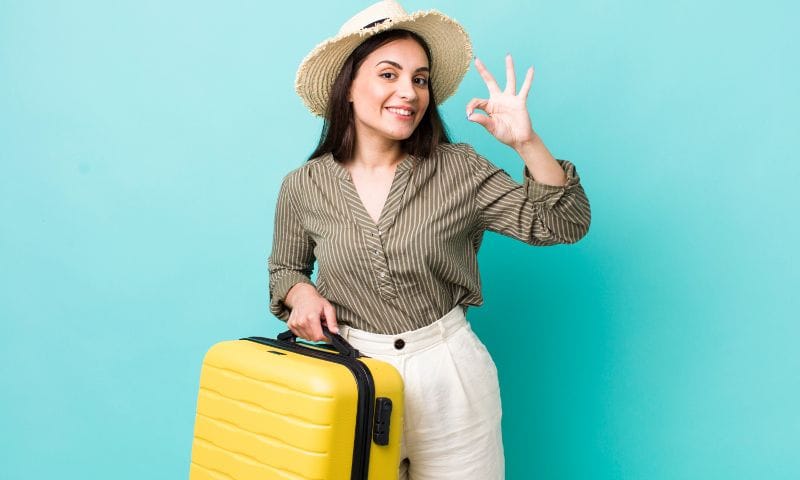
Ask a group of women who travel often, and you will notice a pattern. The first time they went somewhere alone or with friends, they did not pick the flashiest destination on Instagram. They picked the one where they could walk after dark without adjusting their bag every two minutes. That single detail, whether a place lets you breathe easy, is what quietly separates a good holiday from a stressful one.
India has more of these places than most travel articles let on. A few are famous. Many are underrated. All of them share a common thread of lived-in warmth, functional infrastructure, and a local rhythm that makes solo and small-group women travellers feel like guests rather than curiosities. This guide brings together the top safe destinations for women travellers who want to enjoy themselves without spending the trip on high alert.
Before jumping into names, it helps to define what safe actually looks like on the ground. It is not just low crime statistics. For most women travellers, safety is a combination of everyday factors that quietly shape the experience.
Every destination below has been picked with these lenses in mind, not just scenery.
Udaipur wins on almost every metric that matters. The old city around Lake Pichola is compact, easy to navigate on foot, and full of cafes, art shops, and rooftop restaurants that stay lively till late. Local rickshaw drivers around Jagdish Chowk and Fateh Sagar are used to solo women travellers, and the boat rides on Lake Pichola are as calming after sunset as they are at noon.
The city also has a strong homestay culture, with many run by women themselves. If you enjoy history without the intensity of a bigger heritage circuit, Udaipur is one of the most rewarding safe places for women to travel in India. Pair it with a longer heritage itinerary through the state using our
Rajasthan tour packages to add Jodhpur or Jaisalmer at a comfortable pace.
Best time to visit: October to March.
Rishikesh has quietly become one of the most reliable women-friendly destinations in India. The town is used to a constant flow of yoga students, wellness travellers, and adventure seekers from across the world. Cafes along Tapovan and Laxman Jhula stay open late, ashrams run structured schedules, and river-facing guesthouses take safety seriously.
For a first solo trip, Rishikesh is often the gentlest introduction. You can spend mornings at a yoga class, afternoons rafting on the Ganga, and evenings at the Triveni Ghat Aarti without ever needing a companion for company. If you are new to the idea of travelling alone, our detailed
solo female travel safety tips guide is a useful pre-trip read.
Best time to visit: September to April.
Pondicherry is small, walkable, and remarkably calm. The French Quarter, known locally as White Town, has quiet streets lined with mustard-yellow bungalows, boutique cafes, and independent bookshops. Auroville, twelve kilometres away, adds a whole layer of intentional community living that many women travellers find refreshing.
Renting a bicycle or scooter is common and safe during the day. Beaches like Paradise Beach and Serenity Beach are family-friendly and well-frequented. The mix of Tamil, French, and international influences means the town has both structure and openness, which is a rare combination.
Best time to visit: November to March.
Kerala consistently ranks among the safest states in India for women, and Munnar reflects that reputation. Tea estates, cool weather, and small, well-run resorts make it ideal for slow travel. Homestays here often include home-cooked meals with the host family, which turns even a short trip into a warm cultural experience.
Munnar works beautifully as part of a broader south India loop. Combining it with Alleppey backwaters, Fort Kochi, and Kovalam gives you a full week of low-stress travel across coast, hills, and heritage. Our
Kerala heritage tour is a good template for that kind of unhurried itinerary.
Best time to visit: September to March.
The North East is often overlooked in mainstream travel writing, but for women travellers who value calm environments, it is one of the standout regions in the country. Shillong, the capital of Meghalaya, is a matrilineal society where property and lineage pass through women. That cultural context translates into everyday behaviour that feels noticeably respectful.
Day trips from Shillong to Mawlynnong, often called the cleanest village in Asia, and to the living root bridges near Cherrapunji, are safe and well-organised. Local guides are easy to arrange, and shared taxis run on predictable routes. According to
Meghalaya Tourism, the state has been investing heavily in community-led tourism, which further benefits solo and small-group travellers.
Best time to visit: October to May.
Sikkim is one of the most orderly states in India. Streets are clean, driving is disciplined, and the local hospitality industry is well-regulated. Gangtok itself is compact enough that you can spend an entire day walking around MG Marg, which is closed to traffic and lined with cafes, bakeries, and craft stores.
Day trips to Tsomgo Lake, Nathula, and the monasteries around Rumtek and Enchey are usually done in shared or private vehicles arranged through registered operators. For women travellers who like organised structure with the freedom to explore independently, Sikkim is close to ideal.
Best time to visit: March to May and October to December.
Coorg, or Kodagu, sits in the Western Ghats and feels like a long exhale. Coffee plantations, family-run estate stays, and gentle trekking routes make it perfect for a short break. The region has a strong tradition of hospitality, and many estate stays are hosted directly by the owning family, which adds a natural safety net.
Solo women travellers routinely plan three to four-day trips here from Bengaluru or Mysuru. If you are still deciding between destinations, our roundup of the
most women-friendly places in South India compares Coorg alongside other southern options in more detail.
Best time to visit: October to March.
Ladakh may look intimidating on a map, but on the ground it is one of the calmest and most respectful travel regions in India. Leh is small, walkable, and full of travellers. Homestays in Nubra, Turtuk, and Sham Valley are usually family-run, and communities across the region take guest safety very seriously.
Group departures and shared vehicles are common, which means solo women can join Pangong Lake or Nubra runs without arranging a private car. If you plan to travel between May and September, book stays and permits early, since Ladakh gets busy during peak months.
Best time to visit: May to September.
A few habits make almost every trip smoother, regardless of destination. These are the things experienced women travellers do almost automatically.
If you are planning your first solo trip or want an itinerary built around your comfort, our travel team can help you pick pace, region, and stays that suit you. You can reach us through the
Memorable India contact page for a customised plan.
Not every safe destination will suit every traveller. A quick way to narrow down your list is to match the destination to what you want out of the trip.
If you are still weighing options, our curated
solo tour packages cover most of these destinations with women-friendly stays, verified drivers, and round-the-clock support.
A good trip for a woman traveller is one where the destination does most of the heavy lifting on safety, and you get to focus on the parts you actually came for. The eight destinations in this guide have been picked because they consistently deliver on that promise. Some are cultural, some are quiet, some are adventurous, but all of them are lived-in enough to make you feel like a traveller rather than a spectacle.
When you are ready to plan, the
Memorable India team can help you put together a route that matches your pace, your interests, and your comfort level. We have been arranging trips for women travellers, solo and in groups, since 2005, and we build each itinerary with the same care we would want for our own family.
Rishikesh and Pondicherry are widely considered the easiest first-timer destinations for solo women travellers. Both towns are compact, have a steady flow of international visitors, well-reviewed cafes and stays, and a local culture that is used to independent women moving around.
Not necessarily. Safety depends more on the specific town than the terrain. Hill stations like Shillong, Gangtok, and Munnar are very safe, and so are coastal towns like Pondicherry and parts of Kerala. What matters most is the quality of stay, transport availability after dark, and how tourist-ready the town is.
Yes, especially the main tourist cities. Udaipur, Jaipur, and Jodhpur are experienced tourism hubs with strong local infrastructure. Booking guided transfers between cities and staying in verified heritage hotels or homestays adds an extra layer of comfort for solo women travellers.
Munnar, Alleppey, Fort Kochi, Coorg, Pondicherry, and Mysuru are among the safest and most welcoming destinations in South India. The region has a strong homestay culture, reliable public transport, and communities that are used to women-led travel.
Yes. Ladakh has one of the lowest crime rates in India and a deeply respectful local culture. Solo women travellers routinely join shared vehicles for day trips and stay at family-run homestays. Booking stays and inner-line permits in advance is recommended, especially during peak summer.
Along with regular essentials, pack a portable door lock or doorstop, a small torch, a power bank, a personal alarm or whistle, copies of your ID, and at least one modest outfit for temple visits or conservative regions. Sharing your itinerary with a trusted contact before you leave is equally important.

A Guide to Exquisite Indian Handicrafts and Where to Buy Them in India
26 Oct 2026
A Journey to Leh and Srinagar: Firsthand Travel Experience
25 Oct 2026
A Guide to Famous Temples in Himachal Pradesh
24 Oct 2026
9 Best Places to Visit in Lakshadweep, a Top Island Getaway in India
23 Oct 2026
7 Reasons Why One Should Travel by Indian Rail
22 Oct 2026


