 +919871148514
 info@memorableindia.com
Kathmandu rarely reveals itself in a single visit. The Nepali capital layers Newari palaces beside butter-lamp lit shrines, prayer wheels beside espresso bars, and traffic-choked lanes beside quiet monastery courtyards where monks still chant at dawn. For Indian travellers, it also happens to be one of the most accessible international getaways, no visa required under the 1950 Indo-Nepal Treaty of Peace and Friendship, only a valid passport or voter ID card for air entry as clarified by the Nepal Tourism Board. This guide walks through 13 things to do in Kathmandu that go beyond the usual tick-list and help you understand why the valley holds seven UNESCO listed monument zones within a small radius.
Most itineraries treat Kathmandu as a launchpad for Pokhara or Everest Base Camp. That is a mistake. According to UNESCO, the Kathmandu Valley alone contains seven monument zones inscribed on the World Heritage List in 1979, ranging from royal Durbar squares to the largest Buddhist stupa in Nepal. Add cable car temples, mountain view breakfasts, and Himalayan handicraft markets, and the top attractions in Kathmandu easily fill a comfortable three to four day slow travel plan. The city works well as both a first international trip for Indian families and a warm up base for older travellers preparing for higher altitude legs later in the journey. Most seasoned visitors also find that a well planned Kathmandu sightseeing loop helps decode Nepali culture before moving deeper into the country.
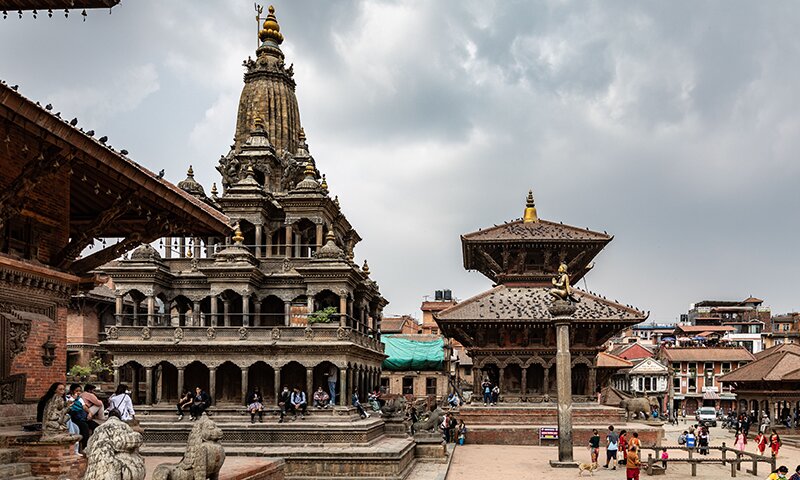
The former royal seat of the Malla and Shah kings still functions as a public square. Hanuman Dhoka Palace, the Kumari Ghar (home of the living goddess), Taleju Temple, and the Kal Bhairav statue sit within a few minutes of each other. The 2015 earthquake damaged parts of the complex, but ongoing restoration means fresh scaffolding and craftsmen carving replacement struts by hand, which is fascinating to watch in its own right. Enter around 8 am to photograph the pagoda rooftops before tour groups arrive, and set aside at least two hours if you want to browse the small palace museum inside.
Set on the banks of the Bagmati River, Pashupatinath is one of the holiest Shiva shrines in the subcontinent. Non Hindus cannot enter the inner sanctum, but the eastern bank of the river offers an unobstructed view of the ghats and the sunset aarti performed by resident priests. The whole ritual takes about an hour, with bells, conch shells, and rows of fire lamps drawing hundreds of pilgrims each evening. Indian visitors on longer Nepal circuits often pair this stop with Muktinath in the Mustang region, since both fall on the traditional Char Dham route for Shaivite pilgrims.
Boudhanath is the largest stupa in Nepal and a central meeting point for the Tibetan diaspora settled in the valley. The kora, the ritual clockwise walk around the base, comes alive after sunset when butter lamps flicker along the inner walls and monks spill out of the surrounding gompas. Grab a rooftop table at one of the cafes ringing the stupa for the best photograph as the whitewashed dome catches the last of the light. The lanes behind the stupa are also the place to buy authentic Tibetan handicrafts and thangka paintings directly from workshops rather than middlemen.
A 365 step stone staircase leads to Swayambhunath, believed to house the oldest Buddhist monument in the Kathmandu Valley. The all seeing eyes of the Buddha painted on the stupa look out across the city, and rhesus macaques, the reason for the temple’s English nickname, are everywhere. Watch your snacks and sunglasses. If the climb feels steep, take the paved road to the western entrance and skip the stairs entirely. The viewing terrace at the top gives you a rare 360 degree read of the valley, which is useful for orienting yourself before deeper exploration.
Thamel is the traveller’s quarter, a grid of pedestrian lanes packed with trekking gear shops, singing bowl studios, thangka galleries, momo cafes, and jazz bars. Rates are marked up for tourists, so bargaining is expected and usually welcome. This is the best area to base yourself if you plan short excursions out of the city, and it is where most operators handling Nepal tour packages have their offices for last minute add ons like guided day trips, permits for onward treks, and airport transfers. Evenings here are lively without feeling unsafe, and vegetarian dining options are plentiful.
Patan sits about ten kilometres south of central Kathmandu and holds one of the finest concentrations of Newari craftsmanship in the valley. The Krishna Mandir carved entirely from stone, the Golden Temple, and the Patan Museum (widely regarded as one of the best museums in South Asia) deserve at least three unhurried hours. Combine it with lunch at a rooftop cafe overlooking the square. If you have time, walk into the artisan quarters of the surrounding streets, where families have been beating brass and casting bronze statues for generations.
Roughly 13 kilometres east of Kathmandu, Bhaktapur is the best preserved of the three medieval capitals. Vehicles are largely restricted inside the old city, which makes wandering the brick lanes between potters’ squares and the five tiered Nyatapola Temple genuinely enjoyable. Try the local juju dhau, a thick sweet yoghurt served in clay cups. Photographers should plan for late afternoon light when the terracotta walls glow, and anyone with a serious interest in wood carving should look for the famed Peacock Window on Dattatreya Square.
Roughly 30 kilometres north east of the city, Nagarkot sits at 2,175 metres and offers one of the most reliable Himalayan panoramas near the capital. On a clear morning between October and March, you can spot Everest as a faint silhouette on the horizon, along with the closer Langtang and Ganesh Himal ranges. Most travellers overnight at a Nagarkot resort, wake before 5 am, and return to Kathmandu after breakfast. A short forest walk from Nagarkot to Changu Narayan (another UNESCO temple) is a rewarding half day extension for anyone with the legs for a gentle four hour descent.
An hour long scenic flight departing Tribhuvan International Airport tracks the Himalayan spine at close range, with every window guaranteed a mountain view. Airlines rotate passengers into the cockpit briefly for a face on look at Everest. Flights are weather dependent and usually the earliest departures of the day, so keep a buffer in your itinerary and book with a same day refund clause where possible. For senior travellers who cannot manage a Base Camp trek, this remains the single most efficient way to see Everest from close quarters without altitude concerns.
Cooking classes have grown into one of the more rewarding half day activities in the city. Family run studios in Patan and Bhaktapur teach the folded pleats of a Kathmandu style momo, the fermented mustard greens of gundruk, and full Newari feasts with samay baji, chatamari, and choila. Vegetarian versions are available almost everywhere, which makes this a natural fit for Indian travellers who prefer meatless meals. Most classes end with a shared lunch and a recipe card, so you leave with something you can recreate back home.
The neo classical Garden of Dreams, also called Kaiser Mahal, sits at the edge of Thamel and offers a rare pocket of quiet in central Kathmandu. Built in the early twentieth century by Field Marshal Kaiser Sumsher Rana, the garden’s pergolas, ponds, and Kaiser Cafe make it a favourite mid afternoon stop. Foreign nationals pay a small entry fee, and the on site cafe is a decent place to plan the next leg of your trip. Families with young children appreciate the shaded lawns for a short break between more demanding sightseeing days.
The traditional market lanes north of Kathmandu Durbar Square are still the best place to buy hand loomed dhaka fabric, singing bowls, prayer flags, saffron, cardamom, and Nepali paper journals at genuine prices. Freak Street, once the hippie hangout of the 1960s, now runs on second wave nostalgia with vintage cafes and vinyl stores. Come with cash, since many small vendors do not accept cards, and take a printed list of gifts so you do not overspend on the first stall that catches your eye.
The Chandragiri cable car takes you from Thankot to a 2,551 metre ridge in about ten minutes. From the top, the entire Kathmandu Valley opens up on one side, and a long stretch of the Himalayas (including Annapurna, Manaslu, Ganesh, Langtang, Dorje Lakpa, and on clear days, Everest) on the other. There is also the Bhaleshwor Mahadev Temple and a family friendly picnic zone at the summit, which makes this one of the most versatile day trips near the capital. Go on a weekday morning to avoid the local weekend rush.
Best time to visit: October to March. Skies stay clear, temperatures are comfortable, and Himalayan views are consistent. April carries the pre monsoon haze but rewards travellers with rhododendron blooms on nearby ridges. Avoid the monsoon months of June to early September if mountain sightings matter to you, though the valley itself remains lush and quiet during this period.
Getting around: Ride hailing apps such as Pathao and inDrive work reliably for short hops. For heritage heavy days, hire a private car with a guide through your Nepal tour operator, since the drivers know shortcuts through Kathmandu’s notorious traffic and can bundle multiple UNESCO sites into a single loop. Local taxis rarely use meters, so agree on a fare before you get in.
Money and payments: Indian rupees are accepted in tourist zones, but INR 500 and INR 2000 notes are officially not permitted in Nepal. Carry smaller denominations or exchange for Nepalese rupees at licensed counters. UPI acceptance has expanded in Thamel and Boudha but is still patchy in older bazaars, so a mix of cash and card is safest.
Where to stay: Thamel for first timers who want to be close to shops and food, Boudha for a quieter Buddhist quarter feel, Patan for heritage aesthetics and boutique stays, and Nagarkot for one night if you want the Himalayan sunrise without an early drive out from the city.
Connectivity: Direct flights from Delhi, Mumbai, Kolkata, Bengaluru, and Varanasi reach Kathmandu in two to three hours. Land routes via Sunauli, Raxaul, or Panitanki also work for travellers who prefer overland journeys, though they take considerably longer and involve border formalities that vary by season.
For nature lovers who want to look past the city core, our guide to the best natural places to visit in Kathmandu covers day hikes, forest reserves, and viewpoint villages within easy reach of the ring road.
For couples planning a broader Nepal circuit, our Kathmandu Chitwan Pokhara honeymoon tour weaves in wildlife, lakeside afternoons, and Himalayan sunrises without rushing you between hotels.
Adventure travellers often extend their Kathmandu leg with paragliding in Pokhara, whitewater rafting on the Trishuli, or a jungle safari at Chitwan. Our detailed roundup of the best adventure destinations in Nepal breaks down which region suits which activity level, so you can pace the trip without overloading a single week. Spiritual travellers can add Lumbini (the birthplace of the Buddha) and Janakpur (linked to the Ramayana) for a fuller cultural arc.
If a slow, expert built itinerary sounds more useful than a self planned scramble, share your dates with our travel team through the Memorable India contact page. We will build a Kathmandu leg (and the rest of Nepal, if you want it) around your interests, pace, and budget, so the city reveals itself the way it deserves to.
For a first visit, prioritise Kathmandu Durbar Square, Boudhanath Stupa, Pashupatinath Temple, and Swayambhunath. These four cover the UNESCO monument zones inside the city and give you a strong grounding in Newari architecture, Hindu ritual, and Tibetan Buddhist life within two days.
Three days is the sweet spot for a proper Kathmandu itinerary. Day one covers the city core (Durbar Square, Swayambhunath, Thamel), day two runs to Patan and Bhaktapur, and day three heads to Nagarkot or Chandragiri for the Himalayan view. Add a fourth day if you want a mountain flight or a cooking class.
No. Under the 1950 Indo-Nepal Treaty of Peace and Friendship, Indian nationals do not need a visa for Nepal. You must carry either a valid Indian passport (with at least six months validity) or a voter ID card issued by the Election Commission of India. Aadhaar is generally not accepted for air entry.
October to March offers the clearest skies, comfortable temperatures, and the most reliable Himalayan views. April and May are warm and hazy but bring rhododendron blooms. Monsoon runs from June to early September, when mountain sightings become unreliable but the valley stays lush and less crowded.
Yes. Kathmandu is considered safe for solo travellers, families, and seniors, with visible tourist police in heritage zones. Standard precautions apply: avoid dark alleys late at night, use registered taxis or ride hailing apps, and keep photocopies of your travel documents. Altitude is not a concern in the valley itself, which sits at around 1,400 metres.
A comfortable three to four day Kathmandu trip from India typically ranges from INR 25,000 to INR 60,000 per person, depending on flight timing, hotel category, and inclusions. Land routes are cheaper but take longer. Custom Nepal tour packages from Memorable India can bundle flights, transfers, guided sightseeing, and hotel stays under a single transparent quote.
12 Top Tourist Destinations in Jammu and Kashmir for a Memorable 2026 Trip
13 Oct 2026
12 Tips to Remember Before Holidaying in the Northeast Indian States
11 Oct 2026
10 Things to Do on a Family Vacation in Shimla, Himachal Pradesh
09 Oct 2026
10 Days in India: Where to Go and What to See
05 Oct 2026
10 Best Places in North India for Corporate Outings to Recharge and Build Team Spirit
01 Oct 2026


