 +919871148514
 info@memorableindia.com
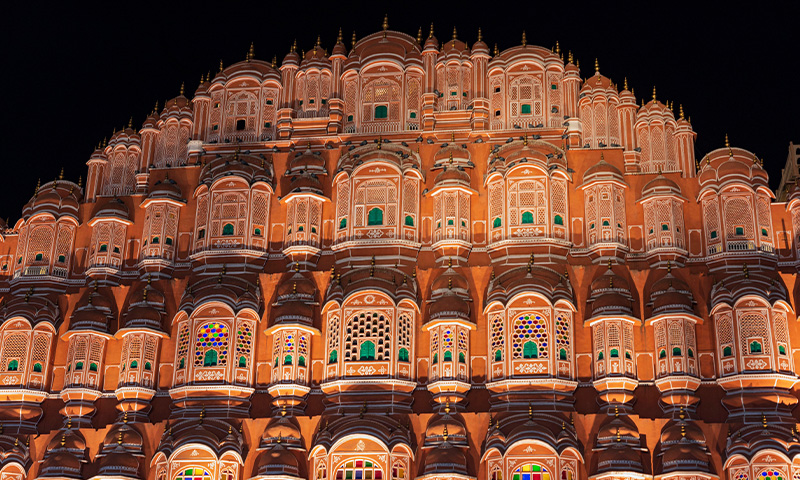
Two days in Jaipur is a tight window, but with the right sequence you can cover the city’s headline forts, the pink walled old quarter, a serious Rajasthani meal and a proper bazaar walk without feeling rushed. The trick is to group sights by geography, respect Jaipur’s afternoon heat and build in one relaxed evening. This Jaipur itinerary is planned around how the city actually moves: Amber Fort opens early and gets crowded by ten, the walled city works best on foot after sunset, and Nahargarh is a sunrise or sunset call, never a midday one. What follows is a practical, tested plan that first time visitors, weekend travellers and Golden Triangle add-on tourists can follow as is, or shuffle to suit their pace.
Jaipur is compact by Indian standards. The three UNESCO listed layers of the city, the walled old town, Amber Fort and Jantar Mantar, sit within a 15 kilometre radius. The city was inscribed on the UNESCO World Heritage list in 2019 for its grid planned urbanism, and the Jantar Mantar observatory earned its own listing back in 2010, which means you can tick off two World Heritage properties in a single afternoon. A well planned 2 day trip to Jaipur can genuinely cover the essentials: two forts, one palace complex, one observatory, one heritage bazaar, one Rajasthani thali and a rooftop sundowner. Anything more than that turns into a rush. Anything less feels incomplete.
Day one focuses on the walled Pink City and the Amber precinct. Start early. Traffic between the modern city and Amber thickens after 9 am, and the morning light on the fort’s sandstone is worth waking up for.
Reach Amber Fort by 8 am. The fort opens at 8, and the first two hours are the calmest window before tour buses arrive. The climb up to Suraj Pol takes about 15 minutes on foot, or you can take a jeep from the base for around 400 rupees per vehicle. Inside, prioritise the Sheesh Mahal, the Ganesh Pol facade and the Sukh Niwas courtyard. Ticket prices are refreshed periodically, so check the current rate at the counter or ahead of time on the Rajasthan Tourism portal. Elephant rides at Amber are best skipped on ethical grounds; the state has been phasing them down and travellers now have better alternatives on day two.
On the way back, stop at Panna Meena Ka Kund, the symmetrical stepwell just below Amber. It takes ten minutes to see and photograph and slots in perfectly before you head back towards the city. A quick chai and pyaaz kachori break at a Sanganer style tea stall along the Amber road resets you for the next stretch.
Aim to be at the City Palace by noon. Buy the composite ticket that covers the palace, the Chandra Mahal courtyards and select galleries, and set aside about 90 minutes. The armoury, the Pritam Niwas Chowk with its four seasonal doorways and the textile gallery are the standouts. If you are travelling as a couple or with older parents, the Royal Grandeur ticket that opens the private Chandra Mahal upper floors is worth considering, but it needs to be booked at the counter.
Walk five minutes to Jantar Mantar next. This is one of the reasons Jaipur is a two World Heritage stop. The 18th century astronomical instruments look sculptural, but each one performs a measurable function, from tracking the sun’s declination to predicting eclipses. A licensed guide adds real value here; expect to pay around 300 to 400 rupees for a 30 minute walkthrough.
By 3 pm you should be at Hawa Mahal. Most travellers photograph it from the street opposite, which is fine, but the interior is worth the 50 rupee entry to climb up and look out through the honeycomb jharokhas. The best photo angle of the facade is from the rooftop of Tattoo Cafe or Wind View Cafe directly across the road, where a coffee earns you a legal photography perch.
Spend the last two hours of daylight in Johari Bazaar and Bapu Bazaar. Johari is the old jewellery quarter and still one of the best places in India to buy Kundan and Meenakari work. Bapu Bazaar sits on the same axis and is stronger on textiles, mojris and block printed fabric. If you would rather have a guided walk through the market lanes, our detailed Jaipur bazaars walking guide covers the specific shops, price ranges and negotiation etiquette that make bazaar shopping enjoyable rather than stressful.
For dinner, choose between two very different experiences. Laxmi Misthan Bhandar on Johari Bazaar is the classic sit down thali; the ghee heavy Rajasthani plate here has been served the same way since 1954. If you want a folk village style evening with music, dance, camel rides and unlimited food, Chokhi Dhani on Tonk Road is the tourist favourite, though it eats up three hours and takes you 20 kilometres out. First timers usually enjoy Chokhi Dhani once; repeat visitors tend to skip it.
Day two is deliberately calmer. You will see one more fort, one museum, one temple and one meaningful cultural experience, with breathing room between them.
Set the alarm for 5.45 am. Nahargarh Fort, perched on the Aravalli ridge above the walled city, is at its best just before sunrise. The road to the top is a 10 kilometre drive from the old city and the entry gate opens at 10 am officially, but the outer viewpoint and Padao restaurant terrace are accessible earlier for a fee. The view of Jaipur waking up under a pink dust haze is the single most underrated experience in the city.
From Nahargarh, drive along the ridge road to Jaigarh Fort. Jaigarh houses Jaivana, once the world’s largest wheeled cannon, plus the armoury, the water harvesting tanks and quiet ramparts with almost no crowd. Two hours here is plenty. Combined ticketing with City Palace is available if you plan ahead, which saves a few hundred rupees.
Head back to your hotel by 11 am for a proper breakfast and a shower before the day’s second half. This buffer is the difference between finishing day two energised and finishing it wilted.
The afternoon block is the museum and gardens loop. Albert Hall Museum is Rajasthan’s oldest state museum and sits on the edge of Ram Niwas Garden. The Indo Saracenic building alone is worth the visit; the Egyptian mummy, the miniature paintings and the metalware galleries reward an hour of unhurried browsing.
A short drive south takes you into Central Park, which is where Jaipur actually relaxes. The 269 foot flagpole here is among the tallest in the country and the jogging track is popular with locals. If you have a family with younger kids, this is a good pressure valve before the next stop.
Birla Mandir, built entirely in white Makrana marble, is at its most photogenic in the last hour of daylight. It is a working temple, so remove your shoes, dress modestly and avoid Monday evenings when it is at its busiest. The floodlit exterior after sunset makes for one of Jaipur’s easiest photo stops.
For the final evening, you have two strong options. If you have any interest in elephants, book an afternoon slot at an ethical sanctuary on the city’s outskirts. The ethical Elefantastic elephant sanctuary tour, a family run mahout project on the Amber side, is a rides free format that includes feeding, bathing and painting with organic colours, and it is the kind of responsible wildlife interaction that has replaced the old Amber elephant ride circuit. It works well as a slower, more meaningful close to a Jaipur trip.
If you would rather end the day within the walled city, book a table at Peacock Rooftop Restaurant in Hotel Pearl Palace, Bar Palladio at Narain Niwas for cocktails, or the rooftop at 1135 AD inside Amber Fort for a full royal setup. All three deliver the sundowner in Rajput setting mood without much effort. For a live folk element, look up whether Jawahar Kala Kendra has a performance scheduled; the Charles Correa designed cultural centre often hosts Rajasthani music evenings that are free or ticketed nominally.
A few small choices make a 2 day Jaipur trip much better. Hire a private car with a driver for the two days rather than relying on autos and app cabs; the Amber and Nahargarh roads are not friendly to unfamiliar drivers, and fixed cost transport costs around 2500 to 3500 rupees a day depending on vehicle type. Pre book your Amber and City Palace tickets on the official Rajasthan Tourism portal to skip the paper queue. Carry small denomination notes for parking, guides and small shops.
Dress code matters at Amber, Birla Mandir and inside City Palace museums; covered shoulders and knees are safest. Cover your head at temples. Keep a light stole or scarf handy in your bag.
Location decides how much time you lose in traffic. Three broad zones work for a 2 day trip:
For heritage character on a mid range budget, look at Umaid Bhawan Heritage Hotel or Alsisar Haveli. For premium, Samode Haveli, Rambagh Palace and Taj Jai Mahal Palace are the classic three.
October to March is the sweet spot, with daytime temperatures between 18 and 28 degrees Celsius and the Jaipur Literature Festival adding cultural depth to late January. April to June is genuinely hot, often crossing 40 degrees, and best avoided for a fort heavy itinerary. For a deeper month wise breakdown across the state, our month wise Rajasthan weather guide is a useful companion read before you finalise dates.
Jaipur is well connected. Direct flights link the city to Delhi, Mumbai, Bengaluru, Hyderabad and several international hubs including Dubai and Sharjah. The Delhi to Jaipur drive on the Delhi Mumbai Expressway now takes about four hours, and the Vande Bharat Express covers the same route in under four hours as well. If you are combining Jaipur with Delhi and Agra, our Golden Triangle tour package is the most efficient way to do it, and if you would rather just tag Jaipur onto a longer Rajasthan loop, we can build that around your dates.
Two days in Jaipur will not give you the city in full, but it will give you its best angle. The rest is worth coming back for.
A 2 day Jaipur itinerary looks straightforward on paper, but the timing between Amber, City Palace and Nahargarh is where most travellers lose the day. Our Jaipur day tours are built around exactly these transitions and include a local guide, private transport and pre booked monument tickets, which saves the two hours a first timer typically loses to logistics. If you would like a version tailored to your dates, group size or interests, whether that is heritage, food or photography, our travel desk can put together a custom plan in a day. Reach us through our contact page and we will get back with options within 24 hours. If you want to expand beyond Jaipur into Agra and Delhi, or into a full Rajasthan circuit through Jodhpur, Udaipur and Jaisalmer, that is where our team’s 20 year track record in the region actually shows.
Yes, 2 days is enough to cover the main sights of Jaipur if you plan by geography: day one for the walled city and Amber Fort, day two for Nahargarh, Jaigarh, Albert Hall and one cultural experience. You will not see everything, but you will see the essentials without rushing.
The most efficient 2 day Jaipur itinerary is Amber Fort, City Palace, Jantar Mantar, Hawa Mahal and the bazaars on day one, followed by Nahargarh at sunrise, Jaigarh, Albert Hall and Birla Mandir on day two, with a Rajasthani thali dinner and one rooftop or sanctuary evening built in.
A mid range 2 day Jaipur trip typically costs between 12,000 and 25,000 rupees per person, including a 3 or 4 star hotel, private car with driver, monument tickets, guide fees and meals. Luxury heritage hotel stays push this range higher; budget backpacker trips run lower.
October to March is the best time to visit Jaipur, with pleasant daytime temperatures between 18 and 28 degrees Celsius. Late January is especially rich because of the Jaipur Literature Festival. April to June is very hot and best avoided for fort sightseeing.
Delhi to Jaipur is a four hour drive on the Delhi Mumbai Expressway, a sub four hour Vande Bharat Express ride, or a 50 minute flight. Most weekend travellers pick the train or drive; flights make sense only if you are connecting from another city.
For a first Jaipur trip, a heritage hotel like Alsisar Haveli, Samode Haveli or Umaid Bhawan Heritage adds context to the city itself and is worth the small comfort trade off. Modern hotels near MI Road are the safer pick for family trips with young children or older parents who need lift access and larger bathrooms.
12 Top Tourist Destinations in Jammu and Kashmir for a Memorable 2026 Trip
13 Oct 2026
12 Tips to Remember Before Holidaying in the Northeast Indian States
11 Oct 2026
10 Things to Do on a Family Vacation in Shimla, Himachal Pradesh
09 Oct 2026
10 Days in India: Where to Go and What to See
05 Oct 2026
10 Best Places in North India for Corporate Outings to Recharge and Build Team Spirit
01 Oct 2026


