 +919871148514
 info@memorableindia.com
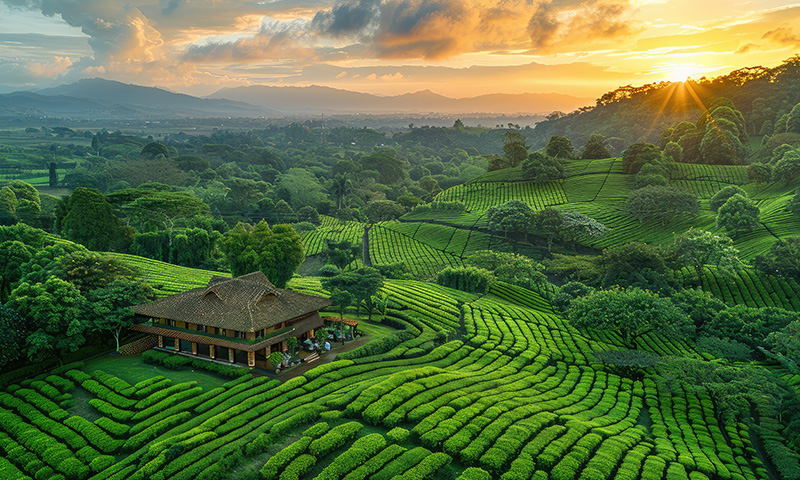
South India rewards travellers who slow down. A fortnight lets you skim the surface; a full month lets you actually understand why Karnataka’s coffee estates, Kerala’s canal villages, and Tamil Nadu’s temple towns each feel like their own country. This one-month itinerary for South India is built for travellers who want depth without exhaustion, splitting 30 days across four states with enough breathing room between long drives. The route below covers UNESCO sites, hill stations, houseboats, temple cities, and coastal towns, and closes with a smooth exit through Hyderabad or Chennai. It suits families with older children, retired couples, honeymooners with time on their hands, and solo travellers who prefer research-led planning over improvisation. The idea is not to squeeze in every landmark, but to give each region the pace it deserves.
Compressing four states into two weeks means constant transit, missed shoulder experiences, and the kind of burnout that quietly sours a holiday. A 30-day frame changes that arithmetic. You get three or four nights per major hub instead of one, which is what separates a memorable trip from a photo checklist. It also allows two rest days per week, which matters when the average day mixes a temple visit at dawn, a plantation walk after breakfast, and a two-hour drive before dinner. Weather also plays out differently over 30 days: coastal humidity in Kochi feels nothing like a crisp morning in Munnar, and your body needs the room to adjust. The cost per day drops as well, since longer stays trigger better hotel rates and shared taxi economics work in your favour. For international travellers on a six-month e-visa, one month is the sweet spot between value and stamina.
Start in Bengaluru. Two nights here let you recover from a long-haul flight and wander through Cubbon Park, Vidhana Soudha, and the old cantonment cafes before pushing south. Drive to Mysuru on day three (roughly three hours by road) and give it two full days. The Mysore Palace at dusk, the Devaraja Market for coffee and sandalwood, and a half-day at Chamundi Hills form the standard sequence. From Mysuru, head west to Coorg for three nights among the coffee estates around Madikeri and Virajpet. Plantation stays here are the quiet high point of the week, with early morning walks, filter coffee that ruins you for airport lounges, and Kodava cuisine that you will not find anywhere else in India.
The week’s second act is Hampi, reached by an overnight train from Bengaluru or a longer scenic drive from Coorg via Chikkamagaluru. Give Hampi three nights. The ruins of the Vijayanagara Empire spread over 40 square kilometres, and the site is inscribed on the UNESCO World Heritage List for its 14th to 16th century monuments. Rent a bicycle or hire a local guide who knows the boulder trails. Sunset from Matanga Hill and sunrise at the Virupaksha Temple bookend the visit beautifully. If your itinerary allows one flex day, use it here rather than in the cities. Travellers with a soft spot for temple architecture can also slot in a day trip to Belur and Halebidu from Chikkamagaluru; the Hoysala carvings there are among the finest in the country and now sit on the UNESCO list in their own right. Karnataka’s opening week does the heavy lifting of setting expectations: after this, the pace of the trip settles into something more indulgent.
Fly from Hubli or Bengaluru into Kochi. Kerala rewards a slow week, and cramming it makes the state feel like a highlight reel rather than a lived experience. Base yourself in Fort Kochi for three nights to explore the Chinese fishing nets, Jew Town, and the evening Kathakali performances. From Kochi, drive four hours east to Munnar and stay two nights among the tea estates. Eravikulam National Park, Mattupetty Dam, and a short trek along the Anamudi ridge cover the essentials without exhausting anyone. Move to Thekkady next for two nights, focused on the Periyar Wildlife Sanctuary boat ride and a walking tour through a working spice plantation.
The route then drops south to Alleppey for an overnight houseboat cruise on the Vembanad backwaters. If houseboats feel too touristy, split the day between a small shikara ride and a village homestay in Kumarakom. Our detailed guide to Kerala’s most underrated backwater spots covers alternatives to the standard Alleppey route and is worth reading before you finalise this leg. Close the week in Kovalam or Varkala for two beach nights. Varkala’s clifftop cafes suit younger travellers; Kovalam’s Ayurveda resorts suit couples and retirees. Kerala’s week works because it stitches four different landscapes into seven nights without a single flight in the middle. Travellers with an extra day can add Wayanad after Munnar for a proper wildlife night, though this pushes the state total to eight or nine days and needs a compensating trim elsewhere. Food is worth planning around here too: a Sadya lunch on a banana leaf, a Malabar biryani in Kozhikode, and a proper Karimeen fry in Alleppey are three distinct culinary regions in one state, and worth building meals around rather than treating as afterthoughts.
Cross into Tamil Nadu at Kanyakumari, the southernmost tip of mainland India, and stay one night to catch both the sunset over the Arabian Sea and sunrise over the Bay of Bengal. Drive north to Madurai for two nights. The Meenakshi Amman Temple deserves both an evening visit and a pre-dawn one; the two experiences are genuinely different, and skipping either shortchanges the city. From Madurai, head to Thanjavur for a single-night stop centred on the Brihadeeswarar Temple, part of the Great Living Chola Temples inscribed on the UNESCO World Heritage List for their unbroken worship tradition since the 11th century.
Pondicherry is the surprise of the week. Give it three nights. The French Quarter’s mustard yellow walls, Auroville’s experimental architecture, and the Promenade Beach at dawn make it the itinerary’s most photogenic town. Wrap Tamil Nadu with two nights in Mahabalipuram to see the Shore Temple and the Descent of the Ganges rock cut panel, also UNESCO listed. End in Chennai for one night before flying out or continuing north. Marina Beach at sunset and a South Indian filter coffee at any classic Mylapore cafe are a fitting close. If your window is tight, drop Chennai and take the ECR coastal drive back to Pondy for the flight out. Chettinad, the mansion belt roughly three hours from Madurai, is the underrated addition for travellers on a longer version of this itinerary; a two-night detour there adds a heritage stay and Tamil Nadu’s most distinctive regional cuisine to the trip.
The final week can go two ways. Pilgrim-inclined travellers usually route through Tirupati for two nights, using it as the launch pad for Tirumala darshan. Book the Sarva Darshan slot in advance through the official TTD portal to avoid the long queues, and factor in a full day for the hill climb, pooja, and prasadam collection. From Tirupati, either fly or drive to Hyderabad for the final three nights of the trip.
Hyderabad closes the itinerary well. Charminar, Golconda Fort at sunset, the Chowmahalla Palace, and a proper Hyderabadi biryani at Paradise or Bawarchi give you a soft landing before the flight home. The Salar Jung Museum is worth a morning if you have art or history-inclined travellers in your group. If pilgrimage does not feature in your plans, replace Tirupati with a Vizag and Araku Valley loop for coastal hills and tribal culture, or add two nights in Chikmagalur or Wayanad to circle back into a Bengaluru exit. For travellers who want everything handled end to end, our 16-day South India tour with backwaters covers a compressed version of this route and can be extended to a full 30 days with additional hill or coastal segments. Hyderabad is also a workable base for a short jaunt to the Ramoji Film City or a half-day at the Qutb Shahi Tombs, both quiet counterpoints to the intensity of the earlier weeks.
A little structure prevents the trip from becoming a logistics puzzle halfway through. A few things to lock in before you leave:
October to March is the sweet spot for most of South India. The Kerala backwaters are at their best from November to February, while Hampi remains comfortable through the same window. Avoid April and May unless you plan to spend most of the month in the hills. The southwest monsoon (June to September) is dramatic across the Western Ghats but tough on coastal travel and wildlife viewing, so build in extra buffer days if you insist on travelling then. For a comprehensive look at Kerala’s regional variations across seasons, our full Kerala tour packages page breaks down the state by month and interest. Pack breathable cottons, one warm layer for the hills, modest clothing for temple visits, and sturdy walking shoes. A power bank, universal adapter, and reef-safe sunscreen for beach days round out the essentials.
Even seasoned travellers slip on a few predictable things. Planning around them upfront saves days of frustration on the road.
A one-month South India itinerary is not about seeing everything. It is about giving each state the time it actually needs. Karnataka’s ruins, Kerala’s water, Tamil Nadu’s temples, and the Deccan’s cities each work at their own pace, and 30 days lets you honour that pace without cutting corners. Route it well, and you finish the month understanding why South India inspires such devoted return travellers rather than one-off tourists. For a tailored version of this route with private transport, verified hotels, and 24/7 on-trip support, get in touch with our South India travel desk with your dates, preferences, and group size, and our planners will build the itinerary around you.
A minimum of two weeks gets you a functional highlight route across two states. A one-month itinerary for South India is the honest answer for anyone who wants to include Karnataka, Kerala, Tamil Nadu, and either Andhra Pradesh or Telangana without constant transit. Thirty days allow rest days, weather buffers, and time for the shoulder towns that separate a good trip from a memorable one.
October to March is the sweet spot. The Kerala backwaters, Hampi, and the Tamil Nadu temple belt are all comfortable in this window. April and May work only if you stay mostly in hill stations like Munnar, Coorg, or Ooty. The southwest monsoon from June to September is scenic in the Western Ghats but disrupts coastal travel.
Yes, if planned as three or four nights per hub rather than sprint stops. A 30-day South India trip typically breaks into seven days in Karnataka, seven or eight in Kerala, eight or nine in Tamil Nadu including Pondicherry, and five to six in Andhra Pradesh and Telangana. The route can shift based on your entry and exit cities.
Mid-range travellers should plan for roughly INR 6,000 to 9,000 per person per day, excluding international flights. That budget covers 4-star hotels, a private car with driver on longer segments, meals, entry fees, and two domestic flights. Luxury properties push the number higher; backpacker budgets can bring it down significantly.
A private car with driver is the more efficient option overall, especially for the Kerala hills, coastal Tamil Nadu, and the Coorg to Hampi stretch. Trains are useful and comfortable for Bengaluru to Hampi and Chennai to Madurai. A hybrid model, car for most legs and trains for two or three, works best for a one-month trip.
Bengaluru is the strongest entry point because of its international flight connectivity and central position. Hyderabad or Chennai make ideal exit points depending on whether your final week focuses on the Deccan or Tamil Nadu. Kochi is a solid backup entry for travellers coming in from the Gulf or Southeast Asia.

9 Best Places to Visit in Lakshadweep, a Top Island Getaway in India
23 Oct 2026
7 Reasons Why One Should Travel by Indian Rail
22 Oct 2026
6 Reasons to Visit Chopta Valley in the Himalayas
21 Oct 2026
5-Step Guide to Plan a Jungle Safari Trip to Corbett National Park
20 Oct 2026
6 Popular Short Treks in Sikkim You Must Explore
19 Oct 2026


