 +919871148514
 info@memorableindia.com
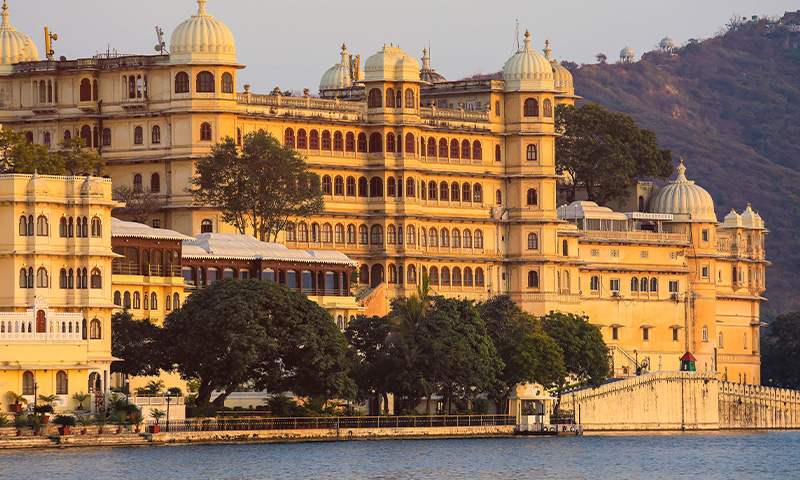
Three days in Udaipur is a sweet spot. Long enough to move past the postcard views and actually feel the rhythm of the old city, short enough to plan without the trip losing its shape. Founded in 1559 by Maharana Udai Singh II after the fall of Chittorgarh, this Mewar capital sits inside a ring of Aravalli ridges, its palaces and ghats mirrored across a chain of manmade lakes. You get walkable heritage lanes, boat rides that shift from serene to golden depending on the hour, and quick access to some of Rajasthan’s most impressive forts and Jain temples. This Udaipur itinerary is written for travellers who want a well paced three days, not a rushed checklist. Expect specific timings, honest ordering of sights, and a Day 3 built around a real excursion rather than filler.
Most core sights sit within a two kilometre radius of the City Palace, which keeps the first two days easy on the feet. Day 3 usually calls for a car since the biggest cultural experiences lie outside the city.
If you want the shortest possible answer to how to spend 3 days in Udaipur, here is the plan at a glance. Each day builds on the last, moving from the core old city on Day 1, out to the gardens and Sajjangarh on Day 2, and finally into the Aravalli range on Day 3.
This structure keeps the 3 day Udaipur trip balanced: two days of city walking, one day of scenic drives and monument visits, and enough breathing room for lakeside meals and unhurried photography.
Start early at the City Palace, the ceremonial seat of the Mewar dynasty and the tallest palace complex in Rajasthan. Gates open at 9:30 AM. Give yourself two hours here at minimum. The Zenana Mahal, Sheesh Mahal, and Mor Chowk (Peacock Courtyard) are the standouts, and the view of Lake Pichola from the upper terraces sets the tone for the rest of the trip.
Walk five minutes north to Jagdish Temple, a 17th century Indo-Aryan style shrine to Lord Vishnu built by Maharana Jagat Singh in 1651. The morning aarti here is worth catching if you arrive before your palace visit.
Head to Bagore Ki Haveli by Gangaur Ghat. This 18th century mansion once belonged to the prime ministers of Mewar and has been restored into a museum of Rajasthani costumes, glasswork, and miniature paintings. Two hours is enough.
Break for lunch at one of the rooftop cafes along Gangaur Ghat or Lal Ghat. Ambrai, Upre by 1559 AD, and Jheel’s Ginger Coffee Bar are dependable options with lake views.
At 4:30 or 5:00 PM, take the boat ride from Rameshwar Ghat inside the City Palace complex. It runs across Lake Pichola with a brief stop at Jag Mandir, the island palace where Prince Khurram (later Emperor Shah Jahan) once took refuge. The sunset stretch, when the palaces turn amber, is the reason most travellers rank this above almost any other Rajasthan experience.
Return by 6:30 PM and walk over to Bagore Ki Haveli for the 7:00 PM Dharohar folk dance show. It runs for an hour and covers Ghoomar, Kathputli, Bhavai, and Chari performances. Tickets are sold at the venue only and the front rows fill up fast.
Day 1 practical notes:
For a broader sense of what the old city holds beyond a first day, our guide to the top places to visit in Udaipur is a useful companion.
Begin at Saheliyon Ki Bari, the Garden of the Maids of Honour, built by Maharana Sangram Singh II in the early 18th century for the queen and her attendants. The marble pavilions, lotus pool, and elephant fountains still work. Give it 45 minutes.
From there, drive or auto to the Fateh Sagar Lake promenade. Nehru Park sits on an island in the middle and is reachable by a short motorboat ride. Skip if you are short on time, but the lakeside walk itself is a pleasant hour.
The Vintage and Classic Car Collection near Garden Hotel has around twenty cars from the Mewar royal collection, including the Rolls Royce Phantom used in the Bond film Octopussy. Half an hour is enough unless you are a car buff.
Then head to Shilpgram, the rural arts and crafts village on the western outskirts. It is a living museum of tribal huts from Rajasthan, Gujarat, Maharashtra, and Goa, with artisan demonstrations and a small amphitheatre. Weekends are livelier. Budget 90 minutes.
Reach Sajjangarh Palace by 5:00 PM. Built by Maharana Sajjan Singh in 1884 on the Bansdara hilltop, it was originally planned as a nine storey astronomical observatory to track monsoon clouds. The palace itself is modest, but the sunset view of the lakes and the old city from the terrace is the reason to make the trip.
Sajjangarh sits inside a wildlife sanctuary, so entry is regulated. Private vehicles are only allowed up to a checkpoint, from where you take a shared tempo or a forest department jeep to the top.
Dinner back in town at Ambrai, 1559 AD, or Millets of Mewar if you want something plant based and local. For a deeper cut into Mewar’s built heritage, our long form piece on historical places to visit in Udaipur covers context that a rushed tour will not.
Day 2 practical notes:
Day 3 usually splits travellers into two camps. If you have already covered the city and want a big finish, take the excursion. If you have been travelling hard and want a slower morning, stay in and use the day to shop, eat, and rest.
This is the standard full day excursion, roughly 90 km northwest of Udaipur, and easily the most rewarding.
Start by 7:30 AM, plan lunch at a heritage property near Ranakpur, and aim to be back in Udaipur by 8:00 PM. Our Ranakpur excursion from Udaipur covers the transfer, timing, and guide in one arrangement, which saves an entire day of logistics.
If a full day feels too much, this is a lighter northern loop, roughly 45 km each way. Eklingji Temple is the private shrine of the Mewar royals and is dedicated to Lord Shiva. Nathdwara houses the Shrinathji Temple, a major Vaishnavite pilgrimage site known for its Pichwai paintings. Add the recently unveiled 351 foot Statue of Belief nearby.
Reserve the morning for the old city bazaars: Bada Bazaar for jootis and textiles, Hathi Pol for miniature paintings, and Chetak Circle for silver. Break for lunch at a haveli restaurant. Afternoon at a spa or lakeside cafe. Evening walk along Ambrai Ghat, or repeat a sunset from the Karni Mata ropeway on Machla Magra hill.
Old City stays around Lake Pichola put you within walking distance of most Day 1 and Day 2 sights, which cuts down on auto costs and keeps evenings flexible. The Fateh Sagar area suits families who want more space and quieter streets, and the Sajjangarh road offers newer resorts with garden grounds and pool access, which is useful for travellers with children or those adding a fourth day to unwind.
For a three day trip, staying in one hotel across all three nights makes more sense than switching, since the excursion to Kumbhalgarh returns to Udaipur the same evening. If your Udaipur sightseeing plan involves late night arrivals or early morning departures, a hotel closer to the airport road can shave 30 minutes off the transfer.
Also try Makhania lassi near Jagdish Chowk and masala chai at any of the ghat side kiosks around Gangaur.
The comfortable window runs from October to March, with daytime temperatures between 10 and 27 degrees Celsius. April to June is hot and quiet on the tourist trail, and the palaces feel exhausting by mid morning. Monsoon (July to September) turns the lakes full and the hills green, which is scenic, though outdoor plans need flexibility.
For a fully arranged trip with hotel bookings, transfers, and a local guide, our Udaipur tour packages can be tailored to a strict three day plan or extended into a wider Rajasthan circuit.
Three days in Udaipur, planned properly, cover the palaces without a rush, give you a sunset boat ride, a folk show, one big excursion, and enough space to sit at a ghat with a cup of chai and just watch the lake shift colour. The city rewards travellers who plan, but leave room for slowness. If you would like a curated itinerary tuned to your dates, group size, and interests, our team is happy to build it around you. Reach us through the Contact Us page and we will take it from there.
[BODY_END]
Yes. Three days comfortably cover the City Palace, Lake Pichola boat ride, Bagore Ki Haveli, Saheliyon Ki Bari, Sajjangarh Palace, a folk show, and one full day excursion to Kumbhalgarh and Ranakpur. Add a fourth day only if you want a slower pace or want to include Chittorgarh or Mount Abu.
The best time to visit Udaipur is October to March, when daytime temperatures stay between 10 and 27 degrees Celsius. This window is ideal for sightseeing, boat rides on Lake Pichola, and heritage walks through the old city.
Stay in the Old City for walkable access, use autos or shared cabs, book the standard boat ride instead of the sunset premium one, eat at local thali restaurants, and combine Kumbhalgarh and Ranakpur into a single group day tour to split the transport cost.
Yes. Udaipur is considered one of the safer cities in Rajasthan for solo and women travellers, with well lit ghats, active tourism policing, and a walkable old city. Standard precautions apply after dark in less crowded lanes.
Yes, it is the standard full day excursion. Start by 7:30 AM, plan lunch near Ranakpur, and return by evening. A private car with a driver is the most comfortable option and lets you adjust timings on the road.
Three days for the city and one excursion. Four to five days if you want to include Chittorgarh Fort, Mount Abu, or Nathdwara without rushing the core Udaipur sightseeing.
12 Top Tourist Destinations in Jammu and Kashmir for a Memorable 2026 Trip
13 Oct 2026
12 Tips to Remember Before Holidaying in the Northeast Indian States
11 Oct 2026
10 Things to Do on a Family Vacation in Shimla, Himachal Pradesh
09 Oct 2026
10 Days in India: Where to Go and What to See
05 Oct 2026
10 Best Places in North India for Corporate Outings to Recharge and Build Team Spirit
01 Oct 2026


