 +919871148514
 info@memorableindia.com
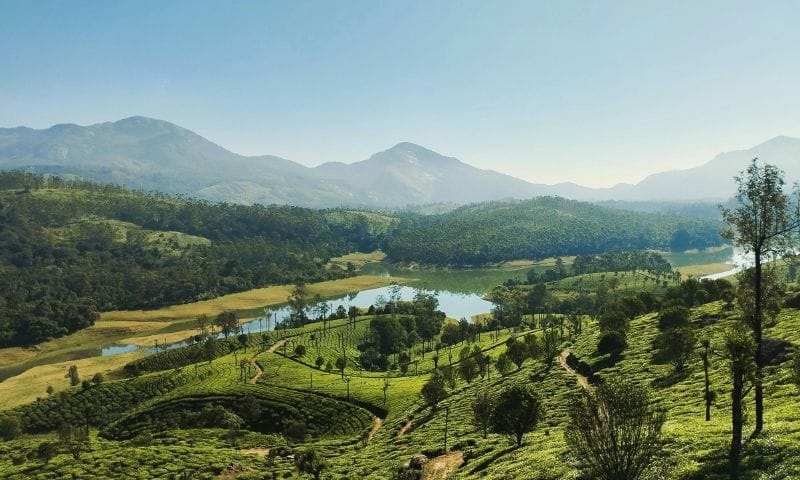
Kerala’s mainstream tourist circuit is well established. Munnar’s tea gardens, Alleppey’s houseboats, and Kovalam’s beaches draw millions of visitors every year. But the state’s geography, a narrow strip between the Arabian Sea and the Western Ghats with 44 rivers and over 30 freshwater lakes, holds far more than its famous names suggest. Tucked between the spice hills of Idukki and the forest valleys of Wayanad are lakes where you can sit for hours without seeing another group, waterfalls where the only sound is falling water, and dam reservoirs ringed by tea plantations where the nearest restaurant is a chai stall run by a local family.
These are Kerala’s lesser-explored picnic spots, and they are at their most inviting during summer. While the lowland coast gets hot and humid between March and May, the hill stations and elevated plateaus of the Western Ghats maintain temperatures between 18 and 28 degrees Celsius, with green canopy, cool breezes, and the kind of quiet that mainstream tourist spots no longer offer. This guide covers eight offbeat picnic destinations across Kerala’s interior, each one accessible by road and suitable for families, couples, and small groups looking for a day out (or a short weekend trip) that goes beyond the postcard. For a broader overview of Kerala’s hidden hill country, our blog on lesser-known hill stations in Kerala covers destinations like Vagamon, Malakkappara, Lakkidi, and Idukki in detail.
Pookode Lake is a natural freshwater lake at roughly 770 metres in the Wayanad district, about 15 kilometres from Kalpetta. It is one of the few perennial freshwater lakes in Kerala, shaped like an irregular oval and surrounded by evergreen forest and the Western Ghats on all sides. The lake has a well-maintained walkway around its perimeter, pedal boats for hire, and a small freshwater aquarium. The surrounding forest is home to Malabar giant squirrels, and birdwatchers regularly spot kingfishers, cormorants, and various species of heron along the waterline. In summer, the lake stays full and the canopy provides natural shade throughout the day, making it one of the most comfortable outdoor picnic settings in Kerala. A children’s park adjacent to the lake adds a family-friendly dimension. Pookode Lake is an easy add-on for anyone exploring the broader Wayanad region. Our guide on Wayanad covers the district’s waterfalls, peaks, and historical caves.
Thommankuthu is a seven-step waterfall in the Idukki district, about 20 kilometres from Thodupuzha. The cascade drops through dense forest across multiple rock tiers, with natural pools at several levels that are safe for wading during the drier summer months. The approach involves a short forest trail (roughly one to two kilometres from the parking area), which passes through rubber plantations and tropical canopy. The lower tiers are the most accessible and the most popular for picnics, with flat rocks alongside the stream providing natural seating.
Thommankuthu sees far fewer visitors than Athirapally or Soochipara, partly because of its location off the main tourist highways. That seclusion is its strength: in summer, you can sit beside a waterfall pool with only birdsong and flowing water for company. The forest department has basic facilities (a parking area and a small snack counter) at the entrance, but carrying your own food and water is advisable. The road from Thodupuzha is well-maintained and navigable by car.
Malakkappara is a tea estate settlement at roughly 1,600 metres on the Thrissur-Idukki border, managed by the Kerala Forest Development Corporation. The settlement is surrounded by tea gardens, shola forests, and grasslands that stretch across the upper slopes of the Western Ghats. The air here is noticeably cooler than in the lowlands, even in April and May, with morning mist a common feature.
What makes Malakkappara work as a picnic spot is its combination of elevation, isolation, and working landscape. The tea gardens are open for walking, and the forest trails offer views across the Chalakudy River valley. There are no large restaurants or commercial establishments here, just a few KFDC guesthouses and basic tea stalls. That means packing your own picnic is essential, and the open grasslands and shaded tea garden edges provide excellent settings for laying out a blanket and spending a few hours. The drive from Chalakudy (about 65 kilometres) passes through the Athirapally region, so combining a waterfall stop with a Malakkappara picnic is a viable full-day plan.
Vagamon sits at roughly 1,200 metres in the Idukki district and has gained some recognition in recent years, but its meadows remain far less crowded than Munnar’s hills or Thekkady’s forests. The landscape is defined by rolling grassy hills, pine forests planted during the colonial era, and a series of small valleys where dairy farms and tea gardens operate quietly. The three main hilltops, Thangal Para, Murugan Para, and Kurisumala, offer panoramic views across the valley and are popular picnic points with enough space to spread out without feeling crowded.
The pine forests near Vagamon lake are especially atmospheric in summer, with the needle-covered ground and filtered light creating a natural coolness. Paragliding has become available at Vagamon in recent years, adding an adventure option for those who want more than a lazy afternoon. The drive from Kottayam (about 64 kilometres) or Ernakulam (about 100 kilometres) is scenic, passing through rubber plantations and spice gardens. Accommodation ranges from homestays to a few mid-range resorts, making an overnight extension practical.
Bhoothathankettu is a dam on the Periyar River in the Ernakulam district, about 44 kilometres from Aluva. The name translates to ‘the lock of ghosts’, referring to a local legend that the natural rock formation at the dam site was placed by spirits. The dam is surrounded by dense forest, and the reservoir’s shoreline provides open grassy areas that work well for picnics. Boating is available on the reservoir, and the Salim Ali Bird Sanctuary at Thattekad, one of the most important bird habitats in peninsular India, is only about 12 kilometres away.
In summer, the water level in the reservoir drops but the surrounding forest stays green, and the reduced flow of the river reveals rocky outcrops and shallow pools that families use for wading. The Ernakulam district administration maintains basic facilities at the site (a parking area and a viewpoint), and a few small tea shops operate near the entrance. Bhoothathankettu’s accessibility from Kochi (about an hour and a half by car) makes it one of the most practical day-trip picnic options for families based in central Kerala.
Aruvikkuzhi is a seasonal waterfall near Pallickathode in the Kottayam district, about 18 kilometres from Kumarakom. The falls drop roughly 30 feet across multiple tiers through a corridor of rubber plantations. The approach is a short walk from the road through the plantation, and the setting feels intimate and enclosed, with tall rubber trees lining both sides of the trail.
Aruvikkuzhi is at its best during and just after the monsoon, but in the early summer months (March to April) there is still enough water for the falls to run, and the surrounding plantation is lush and shaded. The lower pool area has flat rocks and open ground suitable for spreading a picnic. The waterfall is not widely promoted in standard Kerala tour itineraries, which keeps it genuinely quiet. For travellers already visiting Kumarakom or the broader backwater belt, Aruvikkuzhi is an easy half-day side trip. Our Kerala backwater tour packages cover the Kumarakom and Alleppey region in detail.
Kuruva Island (also called Kuruva Dweep) is a 950-acre uninhabited river delta on the Kabini River in the Wayanad district, about 17 kilometres from Mananthavady. The island is a protected area managed by the forest department and is accessible only by bamboo rafts operated by local tribal guides. The island’s interior is dense tropical forest with bamboo groves, rare orchids, freshwater streams, and walking trails that loop through the canopy.
For a picnic, Kuruva Island offers something no other spot in Kerala quite matches: the experience of eating a packed lunch in the middle of an uninhabited river island, with no vehicles, no shops, and no buildings anywhere in sight. The bamboo raft crossing is itself a highlight, especially for children. The forest department restricts visitor numbers and prohibits plastic, which keeps the island remarkably clean. Summer is a good time to visit because the river level is lower and the rafts can access more parts of the island. The nearest railway station is Mysore (about 145 kilometres) or Kozhikode (about 100 kilometres by road).
Anayirankal Dam is about 22 kilometres from Munnar town, on the road toward Top Station. The dam reservoir is set within a landscape of tea plantations that drop steeply to the water’s edge, creating a visual effect that is distinctly different from the gentler slopes around Mattupetty Dam (which gets the bulk of Munnar’s tourist traffic). The tea-estate roads around Anayirankal are quiet and walkable, and several viewpoints along the dam’s perimeter offer open ground for a picnic with unobstructed views of the reservoir and the surrounding hills. In summer, the tea bushes are bright green and the cooler altitude (roughly 1,200 metres) makes midday outdoor activity comfortable. Unlike Mattupetty, there is no large boating operation or commercial development at Anayirankal, which keeps the atmosphere undisturbed. A visit here combines naturally with the drive to Top Station. For a full Kerala itinerary that includes Munnar, Thekkady, and the backwaters, our classic Kerala tour package covers eight days across the state’s highlights.
Pack your own food. Most of the spots in this guide have no restaurants or only basic tea stalls. Rice dishes, Kerala parottas, banana chips, and seasonal fruits travel well and hold up in warm weather. Carry drinking water (at least two litres per person) and a reusable bag for all waste. Several of these locations are in or near forest reserves with strict no-littering policies.
Timing matters. Leave early (by 7 or 8 AM) to reach hill and forest spots before the midday heat builds in the lowlands. The drive from Kochi to destinations in Idukki or Wayanad takes three to four hours, so an early start also gives you a full day at the site. If visiting waterfalls, check local conditions: some smaller falls like Aruvikkuzhi dry up by late May, so March to early April is the safest window.
Footwear and clothing should be practical. Closed-toe shoes or sturdy sandals work best for forest trails and waterfall approaches, where surfaces can be slippery. Light cotton clothing, a hat, sunscreen, and insect repellent are essentials for any Kerala summer outing. For travellers planning a longer stay that combines picnic stops with structured sightseeing, our Kerala tour packages offer customisable itineraries covering hill stations, backwaters, and wildlife, and our team can build in offbeat stops like Kuruva Island or Malakkappara as additions to the standard route. To plan a tailored Kerala summer trip, get in touch with our travel specialists.
Kerala’s lesser-explored picnic spots are not difficult to reach. They are simply overlooked because the state’s famous destinations absorb most of the attention. But the difference between a crowded viewpoint in Munnar and a quiet tea-garden dam at Anayirankal, or between a packed houseboat jetty at Alleppey and an uninhabited river island at Kuruva, is the difference between a tourist experience and a personal one. The eight spots in this guide offer cool temperatures, green settings, clean water, and the kind of space that mainstream Kerala tourism no longer provides in peak season. All they require is a packed lunch, an early start, and the willingness to take a road that most guidebooks skip.
Q: What are the best lesser-explored picnic spots in Kerala for summer?
A: Eight of the best offbeat picnic spots in Kerala include Pookode Lake and Kuruva Island in Wayanad, Thommankuthu Waterfalls and Vagamon Meadows in Idukki, Malakkappara on the Thrissur-Idukki border, Bhoothathankettu Dam in Ernakulam, Aruvikkuzhi Waterfalls in Kottayam, and Anayirankal Dam near Munnar. Each offers natural shade, cooler temperatures, and minimal crowds compared to mainstream Kerala destinations.
Q: Is Kerala too hot for picnics in summer?
A: The lowland coast and backwater belt can be hot and humid between March and May. The hill stations and elevated areas of the Western Ghats (Wayanad, Idukki, Vagamon, Malakkappara, Munnar) maintain temperatures between 18 and 28 degrees Celsius in summer, making them comfortable for outdoor picnics throughout the day.
Q: Are these offbeat picnic spots accessible by car?
A: Yes. All eight spots in this guide are reachable by road. Some require a short walk from the parking area (Thommankuthu involves a one-to-two kilometre forest trail, and Kuruva Island requires a bamboo raft crossing), but none demands strenuous trekking. Roads are generally well-maintained, though hill routes can be winding.
Q: Can I find food at these picnic spots or should I carry my own?
A: Most of these spots have only basic tea stalls or no food outlets at all. Pookode Lake and Bhoothathankettu Dam have small snack counters near the entrance, but carrying a packed meal, drinking water, and snacks is strongly recommended for all locations.
Q: Which of these picnic spots is best for families with young children?
A: Pookode Lake (with its pedal boats, aquarium, and walkway) and Bhoothathankettu Dam (with its boating and flat shoreline) are the most family-friendly options. Vagamon Meadows also works well for children, with open grassy hills and a pine forest that provides natural shade and space to play.
Q: When is the best time to visit these Kerala picnic spots in summer?
A: March to early May is the ideal summer window. March offers the greenest landscapes before the pre-monsoon dry spell. April remains comfortable at higher elevations. By late May, some seasonal waterfalls like Aruvikkuzhi may reduce to a trickle, and lowland humidity increases. Early starts (7 to 8 AM departures) are recommended to maximise time at the picnic site.
15 Amazing Temple Fairs in India: A Traveller’s Guide to Faith, Colour and Living Tradition
30 Sep 2026
13 Best Places to Explore in the Youngest State of Telangana
29 Sep 2026
12 Less Explored Destinations in Maharashtra Worth Adding to Your Travel List
28 Sep 2026
11 Must-Visit Museums in India for Wildlife Lovers
27 Sep 2026
11 Best Places in India to Celebrate Christmas
26 Sep 2026


