 +919871148514
 info@memorableindia.com
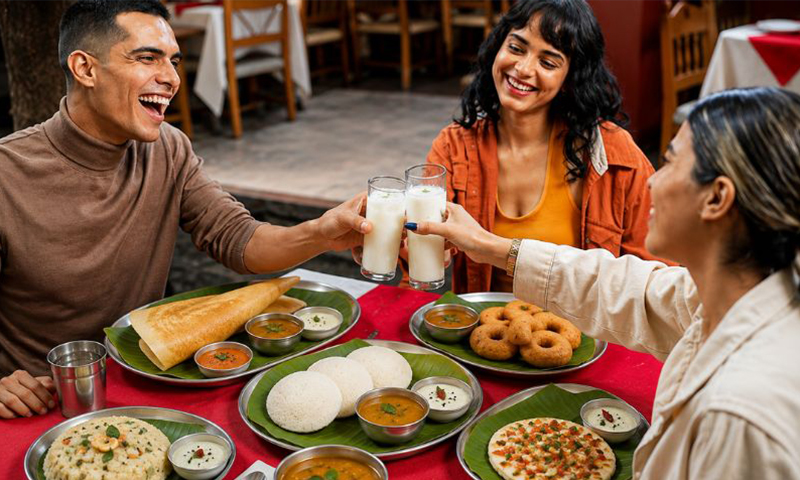
Delhi’s food map is usually drawn through Chandni Chowk parathas, Karim’s kebabs, and Khan Market cafes. There is another map though, quieter and more scattered, and arguably more rewarding for anyone curious about what India actually eats at home. It runs through the state bhawans in Delhi, the government guesthouses that host visiting officials from every state. Most of them run a canteen or dining hall, and a good number are open to walk-in diners.
What lands on the plate is not a hotelier’s interpretation of “regional cuisine.” It is the food staff cooks make when they are cooking for their own people, which is exactly what makes these canteens worth the metro ride. The bhawans cluster mostly around Chanakyapuri, ITO, and Kasturba Gandhi Marg, all within an easy loop for anyone spending a day in the capital. Prices stay reasonable, portions stay generous, and the queues, especially at lunch, stay honest.
The diplomatic enclave of Chanakyapuri houses most of these bhawans, and their kitchens are typically staffed by cooks brought in from the home state. That single detail changes everything about the food. The dal baati at Rajasthan Bhawan tastes closer to a Bikaner household than to a chain restaurant. The pork with bamboo shoot at Nagaland House does not politely tone itself down for a wider palate. The reason to visit is precisely this refusal to translate.
For travellers, the bhawan trail also solves a practical problem. India has 28 states and 8 union territories, and covering their cuisines would take months of travel. A day of bhawan-hopping in Delhi is the closest shortcut you can get.
The most famous of the lot, and rightly so. The thali here is a fixture on food WhatsApp groups across the city. Steamed rice arrives heaped, followed by sambar, rasam, a rotation of vegetable curries, pickle, papad, curd, and a sweet, with unlimited refills on most items. Non-vegetarians come for the mutton biryani and Andhra chicken curry, which turn up fiery and unapologetic. Reach before 1 pm on weekdays or expect a wait. Cash counter at entry, then find a seat.
Where: 1 Ashoka Road, near Windsor Place
Two dining options operate here, a members section and the public canteen most travellers use. Appam with stew, puttu with kadala curry, Kerala parotta, beef fry (subject to availability), and fish moilee are the mainstays. The sadya-style banana leaf meal on Onam draws long queues but is worth the planning. Breakfast is when this canteen shines, especially the mutton stew and idiyappam combination.
Where: 3 Jantar Mantar Road
Small, crowded, and absolutely worth the wait. Come for bisi bele bath, ragi mudde with saaru, neer dosa, kori rotti on select days, and the filter coffee that arrives in the classic tumbler and dabara set. Saturday breakfast has a devoted following among Bengaluru transplants living in the capital. Cash is preferred, portions are honest, and the ambience is more mess hall than restaurant.
Where: Karnataka Bhawan, Kautilya Marg
A steady, no-drama canteen focused on doing everyday Tamil food well. Podi idli, medu vada, ghee pongal, Chettinad chicken, curd rice with pickle, and payasam on rotation. The dosa holds its own against any dedicated South Indian restaurant in the city. The lunch thali is the safest pick if you cannot decide.
Where: 5 Prithviraj Road (shared premises)
For anyone raised on Bengali kitchens, this canteen is the closest thing to a homesick person’s map. Shorshe maach, chingri malai curry, aloo posto, luchi with cholar dal, and the mishti section, which usually features rasgulla and mishti doi. The menu shifts through the day, and Sunday specials tend to sell out by afternoon.
Where: 3 Hailey Road, near Connaught Place
Litti chokha is the headline act. The litti arrives roasted, cracked open, and served with a spicy roasted-brinjal chokha, along with mutton curry on request. Sattu drink in summer, kadhi bari through the year, and the occasional festival special like thekua make this canteen worth revisiting.
Where: Bihar Niwas, Chanakyapuri
The place to try Kashmiri wazwan without booking a full traditional tramai. Rogan josh, gushtaba, yakhni, tabak maaz, and a mildly spiced haak saag show up frequently. Ask about the day’s specials because the menu is often written on a small board rather than printed. Non-veg heavy, and best visited for a slow, seated lunch rather than a rushed bite.
Where: 5 Prithviraj Road
Northeast food in Delhi begins here for many people. Pork with bamboo shoot, smoked pork with axone (fermented soybean), Naga chicken curry, and steamed rice served the traditional way. The heat is real, and the axone is not for the tentative. Portions are generous and the canteen fills up fast, so an early lunch is wise.
Where: 29 Dr APJ Abdul Kalam Road (Aurangzeb Road)
A neat, unfussy canteen with a menu that ranges from thukpa and momos to phagshapa, gyathuk, and pork with fermented radish. Butter tea is on the list if you want the full effect. Prices remain among the friendliest on the bhawan circuit, and the space is compact enough to feel intimate rather than institutional.
Where: 14 Panchsheel Marg, Chanakyapuri
The dal baati churma thali is the reason most first-timers come. Gatte ki sabzi, ker sangri, laal maas on select days, and a robust bajra roti round out the offering. Ghee is used with a heavy hand, as it should be. Bikaner House, a short drive away, also serves excellent Rajasthani food if you want a slightly more formal setting.
Where: Rajasthan Bhawan, Panchsheel Marg
An unlimited Gujarati thali that shifts by day. Undhiyu in winter, khandvi, dhokla, thepla, kadhi, seasonal shaak, and a jaggery-based dessert. Sweetness is baked into the food itself, so keep a chaas ready if you are unaccustomed. Best visited for lunch, and the canteen is spacious enough that you rarely wait long.
Where: 11 Kautilya Marg
Hill food that does not get enough attention in the capital. Aloo ke gutke, kafuli, mandua ki roti, bhatt ki churkani, and jhangora ki kheer. Simple, warming, and hard to find elsewhere in Delhi. Lunch service is more reliable than dinner, and the canteen is quieter than most others on this list.
Where: Uttarakhand Niwas, Chanakyapuri
Two sections operate here, a canteen with the everyday menu and a slightly more formal restaurant. Puran poli, misal pav, thalipeeth, kolhapuri mutton subject to availability, and solkadhi make regular appearances. The Sunday brunch pulls in a Marathi-speaking crowd from across the city, so book ahead or arrive on the earlier side.
Where: 3 Kasturba Gandhi Marg
Understated and outstanding. Dalma, macha besara, santula, chhena poda, and dahi vada aloo dum from time to time. The chhena poda alone justifies the trip. Portions are homestyle rather than restaurant-sized, which suits the food.
Where: Odisha Nivas, Chanakyapuri
Fish tenga, khaar, aloo pitika, masor jhol, and occasionally pork with bamboo shoot. Rice-forward and lightly spiced, this is the food you might miss if your idea of Northeast cuisine ends at momos. The Parampara Thali is the popular ask for a full round of flavours in one sitting.
Where: 1 Sardar Patel Marg
The newest name on most food-lovers’ bhawan lists. Chila, bafauri, muthia, and the tribal-influenced bore basi during summer months. The menu is smaller than most bhawans, which usually works in the diner’s favour, and the canteen is worth a visit if you are already in the Chanakyapuri cluster.
Where: Chhattisgarh Bhawan, Chanakyapuri
Timing matters more than anything else. Most bhawan canteens open around 8 am for breakfast, close between 10 and 11 am, reopen for lunch by 12.30 pm, and shut around 3 pm. Dinner service, where it exists, tends to end by 9.30 pm. Weekends are busiest at Andhra Bhawan, Karnataka Food Centre, and Gujarat Bhawan, so arrive early or plan on a wait.
A few practical notes before you set out on the trail, especially if you are pairing it with a Delhi sightseeing tour the same day:
A bhawan lunch pairs beautifully with a morning at Humayun’s Tomb or an afternoon walk through Lodhi Gardens. If you are combining canteens with the street food scene of Delhi, space the two out across days rather than back to back, since both are heavy on their own. Chanakyapuri, ITO, and Kasturba Gandhi Marg are all close to the city’s main heritage circuit, which makes the sightseeing-plus-food itinerary an easy build.
For a longer stay, look at how bhawan meals sit alongside the cultural food landscape covered by Indian food media, which regularly features the newer additions among the state canteens.
The state bhawans work because they were never designed to impress anyone. They were built to feed people from home, and that is why the food tastes the way it does. For a traveller with a day or two in Delhi, a bhawan lunch is one of the more honest ways to understand how India eats when nobody is performing. Pair two or three of these canteens with a monument or a market walk, and the city starts to feel less like a series of postcards and more like a working geography of regions.
If you are planning a Delhi visit and would like a curated food-and-heritage itinerary built around the bhawan trail, our team at Memorable India can help you shape one that fits your appetite and pace. Get in touch with our travel team to start planning.
Andhra Pradesh Bhawan Canteen on Ashoka Road is widely considered the most famous. It is known for its unlimited thali, spicy Andhra chicken curry, and mutton biryani, and it draws long lunchtime queues on weekdays and weekends alike.
Many of them are, though rules vary. Andhra Bhawan, Gujarat Bhawan, Karnataka Food Centre, New Sikkim House, and Bihar Niwas are among the easiest to visit as a walk-in diner. Some bhawans prefer guests to have a reference or be accompanied by a resident, so a quick call ahead is useful.
Most canteens run breakfast from about 8 am to 10.30 am, lunch from 12.30 pm to 3 pm, and dinner, where offered, from 7.30 pm to 9.30 pm. Lunch remains the most reliable service across all bhawans.
Gujarat Bhawan and Rajasthan Bhawan are the strongest picks for pure vegetarian meals. Both serve unlimited thalis with rotating regional specialities, and both are comfortable for first-time visitors to bhawan canteens.
Nagaland House, Assam Bhawan, and New Sikkim House offer the most authentic Northeast Indian food in the capital. Expect pork with bamboo shoot, smoked meats, thukpa, fish tenga, and other regional staples that are hard to find elsewhere in Delhi.
Yes. Most thalis and set meals fall within a modest budget, usually well below the price of a comparable restaurant meal in central Delhi. Portions are generous, and the value-for-money makes bhawan canteens a favourite among students, government staff, and food-focused travellers.

The Kerala Backwaters: 11 Things To Know Before You Visit
23 Sep 2026
Udaipur Itinerary: How to Spend 3 Days in Udaipur
22 Sep 2026
The Best Places to See in Varanasi, India
22 Sep 2026
11 Ancient Temples in Palakkad That Deserve to Be Seen
22 Sep 2026
Best Places to Visit in Tamil Nadu, India: A Traveller’s Guide for 2026
21 Sep 2026


