 +919871148514
 info@memorableindia.com
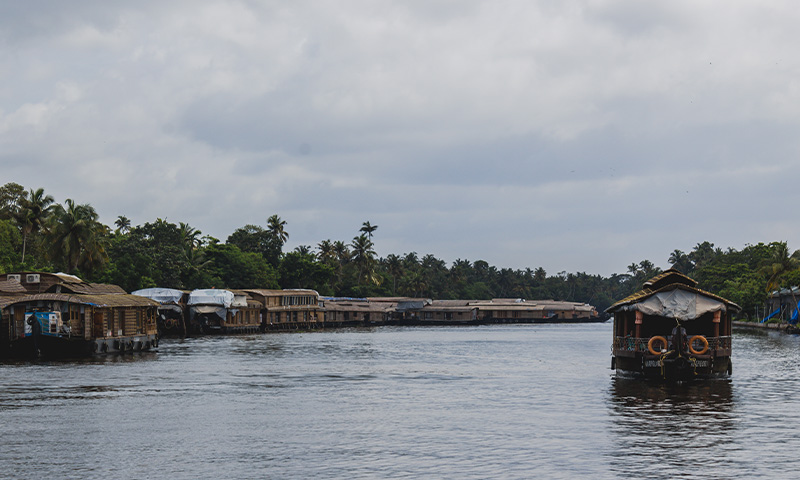
Kerala’s backwaters arrive in your imagination long before you arrive in person. Palm-fringed canals, a slow-moving houseboat, the smell of rice cooking somewhere below deck. The reality is close to that image, but it comes with logistics, seasons, choices between places, and a few things first-time visitors regularly get wrong. This guide is built for travellers planning their first Kerala backwater trip, and for repeat visitors who want to pick a better base, a better boat, and a better window than last time. The eleven practical points below cover geography, timing, houseboat categories, responsible tourism, food, cultural etiquette, and how to combine the backwaters with the rest of Kerala. Read it once before you book, and a second time before you pack.
The term is used loosely, so it helps to be precise. The Kerala backwaters are a connected network of brackish lagoons, canals, rivers, and lakes running roughly parallel to the Arabian Sea along the state’s coastline. The system covers more than 900 kilometres of navigable waterways, five major lakes, and 38 rivers, with 34 identifiable backwaters in total. Freshwater from the Western Ghats meets seawater from the Arabian Sea inside this network, which is what makes the ecosystem unusual. Two of the most important stretches, the Vembanad-Kol wetland and the Ashtamudi wetland, are internationally recognised Ramsar sites. When someone says “Kerala backwaters,” they could mean any point in this system, from Kollam in the south to Kasaragod in the north. The tourism map, however, is smaller. Most visitors experience the backwaters through Alleppey, Kumarakom, Kollam, or Kochi, and the geography of those pockets varies significantly. Understanding the network first prevents the classic mistake of assuming Alleppey is all there is.
The most comfortable window runs from October to March. Skies are clear, humidity drops, and temperatures sit in a workable 22 to 32 degrees Celsius range. This is also peak season for houseboat pricing, and dates around Christmas, New Year, and Onam book out weeks in advance. April and May are hot and humid, but rates are lower and cruises are less crowded. June to September brings the southwest monsoon. The backwaters become greener and quieter, and the light is dramatic, but heavy rain can restrict cruise routes and outdoor time. Monsoon travel suits photographers and slow travellers rather than families with young children. If a specific festival is on your list, such as the Nehru Trophy Boat Race in August, plan the trip around it and accept the weather. Otherwise, aim for November, February, or early March for the cleanest experience.
The four common bases are not interchangeable. Alleppey (Alappuzha) sits at the heart of the Kuttanad region and offers the widest houseboat selection, the busiest canals, and the classic paddy-field-and-village visuals. It is where most first-time visitors go, and it can feel crowded at the main jetties in December. Kumarakom, on the eastern shore of Vembanad Lake, is quieter, greener, and closer to a bird sanctuary and boutique resorts. It suits couples, seniors, and slow travellers. Kollam (Quilon) and the Ashtamudi Lake area offer longer canoe routes, fewer tourists, and a very different pace. Cruises here run through canals lined with cashew and coir workshops. Kochi is less about pure backwaters and more about a short backwater excursion combined with a heritage city break. For a first trip, most travellers do well with a Kumarakom stay followed by an Alleppey houseboat departure. This is the loop that our 7 Days Kerala Backwater Tour is designed around, and it strikes the cleanest balance between quiet stays and the classic canal cruise.
Kettuvallam is the traditional wooden houseboat, originally used to move rice and spices through the canals. Modern versions have been retrofitted for tourism and now range from single-bedroom budget boats to multi-bedroom vessels with air-conditioned cabins, chef service, and sundecks. Before you book, ask five specific questions:
Deluxe and premium are marketing terms, not standards. A licensed mid-range boat with a good crew almost always outperforms a fancier boat with a rushed operator.
The right choice depends on age, mobility, and time in Kerala. A shikara or motorboat day cruise from Alleppey or Kumarakom runs three to six hours and takes you into narrower canals that houseboats cannot enter. This is often the more scenic experience because the shikara can slip past low bridges and follow village routes where the wider Kettuvallam simply cannot go. An overnight houseboat, by contrast, gives you a night on the water, a full slate of Kerala meals cooked onboard, and the calm of waking up on Vembanad Lake with the mist still lifting. Families with very young children, elderly travellers with mobility limits, or anyone doing Kerala in under five days often get more value from a day cruise. Couples, honeymooners, and slow travellers should book the overnight. If time allows, do both: a shikara ride through the narrow canals on day one, and an overnight Kettuvallam through the wider lake system on day two. The two experiences complement rather than duplicate each other.
Most operators follow a standardised rhythm. Check-in is at noon, lunch is served on board shortly after, and the boat casts off by 1 PM. Cruising continues through the afternoon, with a tea break around 4 PM served alongside plantain fritters or steamed banana. The boat anchors at a designated point by 5:30 PM, well before dark, usually along a village stretch where you can step off for a short walk. Dinner is around 8 PM. Cruising resumes at around 7:30 AM the next morning, and disembarkation is at the Alleppey jetty by 9 AM. Total cruise time on the water is roughly 18 to 20 hours. This structure is set by the Kerala Maritime Board, and no operator is legally permitted to cruise after sunset. Any promise of night cruising through the backwaters is worth double-checking. The still, anchored evening, with the sound of frogs and the occasional passing canoe, is part of the experience, not a compromise.
Meals on board lean into Kerala’s coastal repertoire. Expect fish curry with kokum or tamarind, prawn roast, appam with stew, rice, thoran (stir-fried vegetables with coconut), and payasam for dessert. The fish is usually pearl spot (karimeen), sourced locally, and often grilled in a banana leaf on request. Most operators can accommodate vegetarian, Jain, or dietary restrictions if you flag them in advance, but seafood-free meals need a heads-up at booking, not on arrival. Bottled water is standard, but carry a refillable bottle to reduce plastic use. Alcohol is regulated in Kerala. Boats do not stock or sell alcohol, and public consumption is not allowed. You may bring a small quantity for private consumption, but confirm this with your operator before purchasing anything at the state-run outlets in town. If you are travelling with young children, ask the chef to prepare milder versions of the same dishes. There is no separate menu on most boats, so a simple heads-up during check-in is usually enough.
The people you see along the canals are not extras. Villages here run on paddy cultivation, fishing, coir manufacturing, and duck rearing. Water levels are regulated by the Thanneermukkom Bund, and the Kuttanad region famously farms below sea level. When your houseboat drifts past a woman washing utensils or a fisherman casting a net, that is daily life, not a display. Behaviour on board matters. Keep noise down, do not throw anything into the water (including food), and ask before photographing people up close. Kerala pioneered India’s responsible tourism model precisely because unregulated houseboat traffic once threatened water quality across the Vembanad system. Our detailed guide on responsible tourism in Kerala’s backwaters is worth reading before your trip; the choices you make onboard directly affect what the next visitor sees.
The Nehru Trophy Boat Race, held on Punnamada Lake in Alleppey on the second Saturday of August, is the largest snake boat race in Kerala. Chundan Vallam boats, up to 100 feet long, are rowed by 100 plus oarsmen in coordinated rhythm. Even if you are not usually a spectator-sports traveller, this is worth planning around. Other races through the year include the Champakulam Moolam, the Aranmula Uthrattadi, and the Payippad Jalotsavam. Onam, in August or September, brings sadya feasts and cultural performances across the state, and prices spike accordingly. For a shortlist of quieter backwater alternatives away from these dates, our overview of the top backwater destinations in Kerala is a good starting point.
Kerala is humid year-round. Light cotton or linen clothing is the only sensible choice. Add a light rain jacket if you are visiting between May and October, and a thin sweater for evenings on the water. Insect repellent is non-negotiable; the backwaters have mosquitoes, and cases of vector-borne illness spike after the monsoon. Carry government-issued photo ID (Aadhaar, passport, or driving licence) for hotel and houseboat check-ins. Mobile signal is patchy in some inland canal stretches; download offline maps and any content you want to consume before boarding. Sunscreen, a hat, and closed sandals for jetty walks make the experience noticeably more comfortable. Shoes come off before boarding houseboats and before entering temples, so pack footwear you can slip in and out of easily.
The nearest airport for Alleppey and Kumarakom is Cochin International (COK), roughly 75 to 85 kilometres away, and the drive takes about two hours depending on traffic. Trivandrum International (TRV) is closer to Kollam. Both airports are well connected domestically, and Cochin has a solid international schedule. The most rewarding Kerala trips pair the backwaters with hill country and coast rather than treating them as a standalone experience. A classic route runs Kochi to Munnar to Thekkady (Periyar) to Kumarakom to Alleppey to Kochi, over seven to eight days, with the backwaters placed intentionally at the end so the pace slows down as the trip progresses. Add Kovalam or Marari beach if you have ten days available. For couples travelling on a honeymoon, a slower version of this loop with premium stays works well. Our Kerala Honeymoon Tour Package uses the same anchor destinations at a couple’s pace. Booking well in advance, especially for December and January, is the single biggest factor in getting a good boat, a good room, and a fair price.
The Kerala backwaters reward slow travel. Rush them, and the experience flattens into a few hours of scenic monotony on a boat you did not really enjoy. Plan them properly, with the right season, the right base, and a licensed operator, and they become the reason people talk about Kerala for years afterwards. Pick the base that fits your travel style, book a boat with a route that suits your pace, and give the region a couple of unhurried days rather than a rushed overnight tacked onto a wider itinerary. The rest, from meals to cruising to the light on the water at four in the afternoon, will take care of itself. For a customised Kerala backwater itinerary that matches your dates, group size, and budget, our team is happy to help. Reach out through our Memorable India contact page to start planning.
The Kerala backwaters are a connected network of lagoons, canals, rivers, and lakes running along the state’s western coastline. The system covers more than 900 kilometres of waterways, five major lakes, and 38 rivers, with a mix of freshwater and brackish water where the rivers meet the Arabian Sea.
October to March offers the most comfortable weather, with clear skies and temperatures between 22 and 32 degrees Celsius. November, February, and early March are the cleanest windows, avoiding both peak-season crowds and monsoon rain.
Alleppey offers the widest houseboat selection and the classic Kuttanad canal experience but can feel crowded. Kumarakom is quieter, greener, and better suited to couples, seniors, and slow travellers. Many trips combine a Kumarakom stay with an Alleppey houseboat departure.
A standard overnight houseboat cruise runs about 18 to 20 hours. Check-in is at noon, the boat anchors by 5:30 PM (overnight cruising is not permitted), and disembarkation is at the Alleppey jetty around 9 AM the next morning.
Yes. Licensed houseboats are safe and comfortable for most travellers. Choose glass-enclosed or netted boats to manage mosquitoes and heat, confirm the operator is Kerala Maritime Board licensed, and consider a day cruise instead of overnight for very young children or travellers with mobility concerns.
Kerala regulates alcohol strictly. Houseboats do not stock or sell alcohol, and public consumption is not permitted. Guests may carry a small quantity for private consumption on board, but confirm this with the operator in advance.
9 Best Places to Visit in Lakshadweep, a Top Island Getaway in India
23 Oct 2026
7 Reasons Why One Should Travel by Indian Rail
22 Oct 2026
6 Reasons to Visit Chopta Valley in the Himalayas
21 Oct 2026
5-Step Guide to Plan a Jungle Safari Trip to Corbett National Park
20 Oct 2026
6 Popular Short Treks in Sikkim You Must Explore
19 Oct 2026


