 +919871148514
 info@memorableindia.com
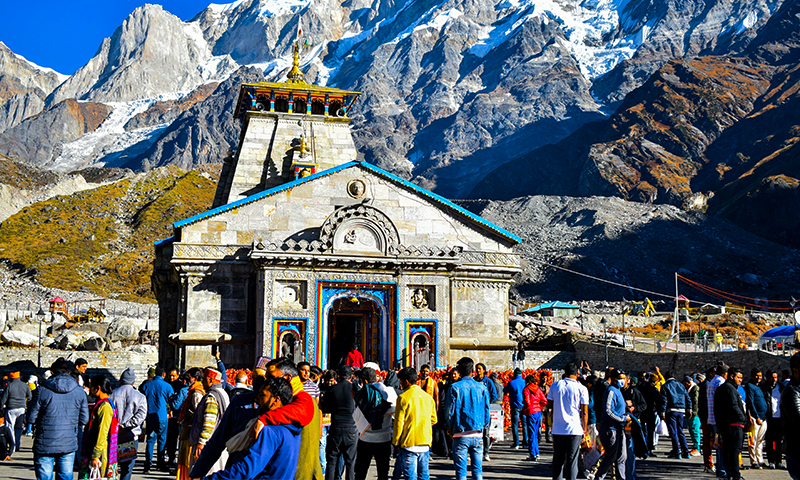
The 2026 pilgrimage season has begun with a firmer rulebook than any of the last five years. Kedarnath Dham reopened its portals on 22 April 2026 at 8:00 AM, and every operational detail around the yatra, from e-pass verification at Sonprayag to helicopter shuttle slots at Phata, has been tightened by the Uttarakhand government and the Badrinath-Kedarnath Temple Committee. If you are planning your journey between now and the November closing, the practical picture on the ground has shifted in ways that most older guides do not reflect.
This piece consolidates the most reliable kedarnath yatra updates currently in circulation, pulled from official state advisories, temple committee bulletins and verified aviation announcements. Read it as a working brief before you finalise dates, not as a general introduction to the shrine.
The Badrinath-Kedarnath Temple Committee (BKTC) formally announced the opening date on Maha Shivratri, 15 February 2026, during Panchang calculations at the winter seat of Omkareshwar Temple, Ukhimath. The kapat opened on 22 April 2026 at 8:00 AM after traditional Vedic rituals. Closing is scheduled for 11 November 2026, on Bhai Dooj, marking a yatra window of roughly seven months.
The Panchmukhi Doli of Lord Kedarnath departed Ukhimath on 19 April, halted at Gaurikund on 20 April, and reached Kedarnath Dham on 21 April, one day before the doors opened. If you plan an early-season visit, note that the first two weeks tend to be the coldest, with residual snow along the trek route and pre-dawn temperatures near freezing at the shrine.
The recommended visiting windows this year are:
Registration is compulsory for every pilgrim, and enforcement at the Sonprayag check post is stricter this year than in any previous season. Without a valid QR-coded e-pass, you will be turned back before Gaurikund. The Uttarakhand government portal opened registrations on 6 March 2026 and remains the primary channel.
The official portal is Uttarakhand Tourism registration and tourist care. The process runs in six steps:
Alternate channels remain open. WhatsApp registration is available by sending the word YATRA to 8394833833, which triggers a chat-based form. Offline counters operate at Haridwar, Rishikesh, Sonprayag, Guptkashi and Dehradun Airport, and are especially useful for senior pilgrims travelling without smartphones.
A practical tip from repeat visitors: portal traffic peaks in the first week of March and again in late April. Attempting registration between 5:30 AM and 7:30 AM IST produces a smoother server experience. Slot availability is now capped daily for crowd management, and the cap tightens on weekends and festival dates.
Following the June 2025 helicopter incidents involving Aryan Aviation and Trans Bharat Aviation, the Uttarakhand Civil Aviation Development Authority (UCADA) rewrote the aviation rulebook for 2026. The most important kedarnath travel news on this front is that all shuttle helicopter bookings run exclusively through the IRCTC Heliyatra portal. Agent bookings and offline tickets are not recognised, and any third-party website claiming otherwise is fraudulent.
Nine UCADA-approved operators fly from three helipads to the Kedarnath base: Phata, Sersi and Guptkashi. Round-trip fares are regulated at roughly Rs 8,700 to Rs 9,500 per person, subject to helipad and operator. The first booking phase opened on 15 April 2026 at 6:00 PM for journeys between 22 April and 15 June. A second phase opened around mid-June for September and October dates.
New safety protocols this season include:
A word on realism. Helicopter flights operate only until around noon on most days because of wind conditions above 3,500 metres, and monsoon cancellations are routine. Build a full buffer day into your itinerary. If your flight is cancelled by weather, technical fault or government order, IRCTC processes refunds within five to seven working days as per its official refund policy. Complaints must be raised within 15 days of the departure date.
The classic pedestrian route from Gaurikund to the temple remains 16 to 18 kilometres depending on which section markers you count from. The trek gains close to 1,600 metres in altitude, ending at the shrine at 3,583 metres near the Chorabari Glacier. Most pilgrims take between six and ten hours in one direction; senior travellers and those unaccustomed to altitude routinely need longer.
Key waypoints along the trek:
Mules, palanquins (dolis) and porters remain available at Gaurikund at regulated rates, though prices climb sharply during festival weekends. State-run pony registration windows now issue tokens with fixed queue numbers to reduce overcharging. If you plan to trek, carry high-calorie snacks, an insulated water bottle, waterproof outerwear and a compact medical kit including diamox (only after doctor consultation), electrolyte sachets and analgesics.
Trek discipline matters more than fitness alone. Start from Gaurikund by 4:30 or 5:00 AM to reach the temple before the afternoon weather turns. The final three kilometres from Linchauli are the steepest, and most first-time trekkers underestimate how much slower they become in the final stretch. Water refill points and tea stalls operate along the route, but the trail thins out after 3:00 PM as most pilgrims descend, and getting caught above Linchauli at dusk is genuinely risky. Layer your clothing rather than depending on a single heavy jacket, since temperature swings across the 1,600 metre climb are sharp. Wet-weather gear is non-negotiable regardless of the season, because mountain weather at this altitude turns without warning.
For accommodation options at every stop along the route, our detailed guide on how to book your stay near Kedarnath Temple walks through GMVN cottages, private hotels, tent colonies and dormitory options with realistic pricing bands.
The Uttarakhand government has made health screening more visible at Sonprayag and Gaurikund this year. Doctors at the check posts flag pilgrims showing signs of severe hypertension, uncontrolled diabetes or acute respiratory distress. Anyone above 55 is advised to carry a recent fitness certificate and a list of ongoing medications.
Cardiac, pulmonary and hypertension patients should not attempt the trek without a written clearance from their treating physician. The high-altitude helipads at Kedarnath and Guptkashi carry oxygen and basic emergency drugs, but evacuation from higher trek sections depends on weather. According to the World Health Organization guidance on travel at high altitudes, gradual acclimatisation and adequate hydration remain the most reliable protection against acute mountain sickness.
The 2026 monsoon window (July and August) is treated separately in state advisories because of active landslide zones near Rambara, Sonprayag and Munkatia. Highway closures are frequent, sometimes for 48 hours at a stretch. If you are travelling in this window, keep two buffer days in your itinerary and follow real-time updates from the state disaster management authority.
Private vehicles beyond Sonprayag are restricted. Pilgrims must transfer to shared shuttle jeeps for the final 5 kilometre stretch to Gaurikund. Shuttle fares are fixed and displayed at the counter, and drivers are not permitted to charge extra during peak hours. Parking at Sonprayag is now organised in tiered lots, with pre-booking available for larger tour vehicles during peak weeks. If you are driving up from Rishikesh, Haridwar or Dehradun, plan to reach Sonprayag by afternoon on your travel day, since shuttle operations wind down after sunset and overnight accommodation options here are limited.
Fuel discipline matters on this route as well. The last reliable petrol pumps are at Rudraprayag and Guptkashi, and fuel availability further up the valley is inconsistent. Mobile connectivity thins out beyond Guptkashi, with only Jio and BSNL holding usable signal at Sonprayag and none at the shrine itself. Carry offline maps, a physical copy of your registration e-pass and a printed itinerary as backup.
If the logistics feel dense, that is because they genuinely are this year. A structured package removes the need to juggle registration windows, helicopter slots, hotel bookings across five altitude zones and vehicle permits on your own. Our curated Char Dham Yatra tour packages include all four shrines with paced itineraries built around altitude acclimatisation, family-first driving windows and helicopter options at Kedarnath. Travellers flying in from South India often prefer the Char Dham Yatra from Delhi route because it consolidates arrival, registration and departure into a single 12-day plan.
For custom itineraries, dedicated senior-citizen pacing or family group bookings, reach out through the Memorable India contact page to speak with our Uttarakhand desk.
The 2026 yatra is running on tighter rails than earlier seasons, which is genuinely good news for pilgrim safety. Register early, book helicopter tickets only through IRCTC Heliyatra, keep a buffer day in your itinerary and treat every altitude and weather advisory as binding rather than optional. A well-planned journey to Baba Kedar rewards preparation more than urgency.
Kedarnath Dham opened on 22 April 2026 at 8:00 AM after traditional Vedic rituals. The date was announced by the Badrinath-Kedarnath Temple Committee on Maha Shivratri, 15 February 2026, at Omkareshwar Temple, Ukhimath.
Yes, registration is mandatory for every pilgrim. Without a valid QR-coded e-pass, entry is refused at the Sonprayag check post. Register through the official Uttarakhand Tourism portal, the WhatsApp channel (send YATRA to 8394833833), or at offline counters in Haridwar, Rishikesh, Sonprayag, Guptkashi and Dehradun.
Helicopter tickets are sold only through the IRCTC Heliyatra portal at heliyatra.irctc.co.in. Nine UCADA-approved operators fly from Phata, Sersi and Guptkashi helipads. Round-trip fares range from Rs 8,700 to Rs 9,500 per person. Char Dham Yatra registration must be completed before booking.
The trek from Gaurikund to Kedarnath is 16 to 18 kilometres one way, gaining about 1,600 metres in altitude. Most pilgrims complete it in six to ten hours, though senior travellers may take longer. Pony and palanquin services are available at regulated rates from Gaurikund.
Late April to mid-June offers clear skies and open trek routes. September to October is ideal for post-monsoon clarity and moderate crowds. Avoid July and August because of active monsoon landslide zones and frequent helicopter cancellations.
Yes, provided they carry a recent medical fitness certificate and their treating physician clears them for high-altitude travel. Helicopter shuttles from Phata, Sersi and Guptkashi make the journey feasible for pilgrims who cannot trek. Structured Char Dham packages with family-first pacing are recommended for elderly travellers.
The Kerala Backwaters: 11 Things To Know Before You Visit
23 Sep 2026
Udaipur Itinerary: How to Spend 3 Days in Udaipur
22 Sep 2026
The Best Places to See in Varanasi, India
22 Sep 2026
11 Ancient Temples in Palakkad That Deserve to Be Seen
22 Sep 2026
Best Places to Visit in Tamil Nadu, India: A Traveller’s Guide for 2026
21 Sep 2026


