 +919871148514
 info@memorableindia.com
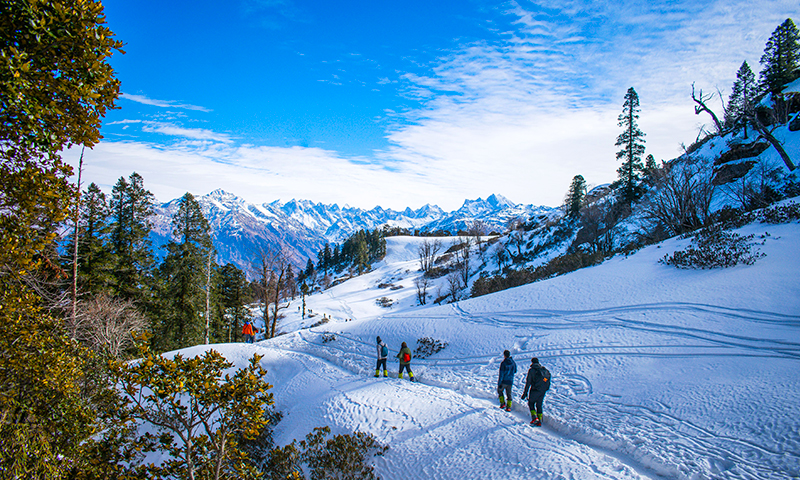
Booking a snow holiday in India often comes with a nagging fear that the trip will land on a warm week, the roads will stay dry, and the only white you will see is inside a coffee cup. That fear is fair. Snowfall in the Himalayas depends on altitude, latitude, western disturbances and sheer luck. However, some destinations have such consistent winter patterns that fresh snow between late December and mid February is close to a sure thing. This guide focuses on the best snowfall places in india where the odds are firmly in your favour, based on altitude data, historical snowfall behaviour and years of Memorable India ground reports. Each entry covers where it sits, when to go, and what actually happens on the ground so you can plan without the guesswork.
Not every hill station in India sees fresh snow every winter. Shimla and Nainital, for example, are gorgeous in December, yet their snowfall is inconsistent below the ridge line. The shortlist below leans on three filters: altitude above 2,400 metres for the town or trek base, a track record of heavy winter precipitation, and reasonable access during snow season. High passes like Rohtang or Zoji La close in winter, so we highlight the reachable snow points nearby that stay open.
Altitude: 2,650 metres (town), 3,979 metres at Apharwat Peak via the Gondola
Snow season: Late December to mid March
Gulmarg is the most reliable snow point in the country, and arguably the most beautiful. The town sits inside a high alpine bowl in the Pir Panjal range, and by early January it usually holds a snow depth of one to two metres. The Gulmarg Gondola, one of the highest operating cable cars in the world, lifts visitors past the tree line to Kongdoori and then to Apharwat Peak, where the snow is powder dry through most of winter. Skiing is world class, but even first timers enjoy sledging, gondola rides and short walks through cedar forests around the golf course. If snow certainty is the single most important factor for your trip, Gulmarg is the answer.
Altitude: 2,800 metres, ski slopes up to 3,050 metres
Snow season: Late December to mid March
Auli is India’s premier ski destination and one of the few places in the Garhwal Himalayas where snow is close to guaranteed. The slopes face Nanda Devi, Kamet and Dronagiri, giving skiers and photographers a backdrop most European resorts would envy. The chair lift and Asia’s longest ropeway from Joshimath run through winter (weather permitting) and connect the town to the upper meadow. Auli suits families, first time skiers and couples who want scenery without the crowds of Manali. For a curated snow experience, our winter holiday packages in India cover Auli with private transfers from Rishikesh or Dehradun, ski lessons and warm hotel stays.
Altitude: 2,800 metres
Snow season: January to March (road access from Srinagar side reopens by late March in most years, but Sonamarg town itself is snowbound and reachable via winter road clearance until access closes around mid January)
Sonamarg means the meadow of gold, and in winter that gold turns to silver. The village lies at the mouth of the Sindh Valley and is ringed by the Thajiwas glacier. Heavy snowfall is the norm rather than the exception. Access is the catch: the Srinagar Leh highway typically closes for heavy vehicles by January, so most visitors treat Sonamarg as a January morning day trip from Srinagar before conditions tighten. For a well planned itinerary that pairs Sonamarg with Gulmarg and Pahalgam, the Best of Kashmir tour package is a strong starting point.
Altitude: 2,740 metres
Snow season: Late December to February
Pahalgam is the quieter, more forested sibling of Gulmarg. The Lidder River cuts through the valley, and the pine slopes above Aru and Betaab Valley catch consistent snowfall through January and February. Unlike Gulmarg, Pahalgam is not built around skiing, so families with small children or older parents often prefer it. Short pony rides, snow walks, and cosy stays in wooden cottages make it one of the most well rounded places to see snow in india for a slow paced winter holiday. Sledges are available for hire, and the drive up from Srinagar itself becomes scenic once fresh snow lines the road.
Altitude: 2,560 metres
Snow season: January to February (most reliable window)
Solang Valley is the go to snow point for anyone based in Delhi, Chandigarh or Punjab who wants a quick winter fix. Situated 14 kilometres from Manali on the road to Rohtang, Solang holds snow well through January and offers snow scooters, cable car rides and tubing. Manali itself, at 2,050 metres, may not always have snow on the mall road, but a short drive up to Solang or Kothi almost always does. December can be hit or miss; late January is safer. Our Manali tour packages include Solang, Atal Tunnel day trips and the option to extend to Sissu, which lies past the tunnel and receives even heavier snowfall.
Altitude: 2,720 metres
Snow season: Late December to February
Kufri, 16 kilometres from Shimla, is the closest guaranteed snowfall point for anyone who wants a short weekend break rather than a long Himalayan trip. Snow arrives by late December and stays through February in most years. It is not the place for pristine winter photography given how busy it gets, but for a family with children who have never touched snow, Kufri delivers: sledging slopes, small tobogganing runs and the Himalayan Nature Park all sit within a compact area. Pair it with a night in Chail or Naldehra for a quieter counterbalance.
Altitude: 3,048 metres
Snow season: December to March
Tawang is the least crowded high altitude snow destination in India, and one of the most rewarding. The town sits at over 3,000 metres in the eastern Himalayas and receives heavy, consistent snowfall through winter. The 400 year old Tawang Monastery, the second largest in the world, looks otherworldly under snow. Reaching Tawang involves a long drive from Guwahati or Tezpur via Bomdila and Sela Pass, and Sela itself, at 4,170 metres, is snowbound for much of winter. This is a trip for travellers who value experience over convenience. Inner Line Permits are mandatory for Indian citizens, arranged in advance through Arunachal Bhavans or online.
Altitude: 3,564 metres
Snow season: December to March
Yumthang, often called the Valley of Flowers of Sikkim, transforms in winter into a wide white basin flanked by the Chomolhari range. Base yourself at Lachung, a Lepcha and Bhutia village at 2,700 metres, and drive up to Yumthang and Zero Point (4,724 metres) for guaranteed snowfall views. Permits for North Sikkim are mandatory and arranged through registered tour operators in Gangtok. Roads can be shut for a day or two after heavy snowfall, so keep a buffer day in your itinerary. Sikkim’s tourism department publishes weather advisories that are worth checking a week before departure.
Altitude: 3,800 metres (summit); base at Sankri, 1,950 metres
Snow season: Mid December to early April
For travellers who want snow underfoot rather than snow at the window, Kedarkantha is the most accessible high altitude winter trek in India. The trail starts at Sankri in Uttarkashi district and climbs through Juda ka Talab and Kedarkantha Base to the summit ridge, which typically holds 60 centimetres to over a metre of snow through January and February. Small group departures run through winter, and reasonable fitness plus warm layers are all that are needed. This is one of the few best snowfall places in india where the guarantee is essentially locked in by altitude. Prefer a resort holiday? Skip it. Prefer a story to tell? Book it.
Altitude: 3,650 metres (Kaza), 4,400 metres (Langza)
Snow season: December to March
Winter Spiti is a different beast from summer Spiti. Access is only via the Shimla, Kinnaur and Rekong Peo route since the Manali side (Kunzum Pass) closes by November. Temperatures at Kaza drop to minus 20 degrees Celsius, and the villages of Langza, Komic and Hikkim sit under thick snow. The reward is complete solitude, the snow leopard trail near Kibber, and Buddhist monasteries at Key and Tabo standing quiet in the cold. This is a trip for experienced winter travellers rather than first timers. Hotels are limited; village homestays keep the local wood stoves running and hot rajma chawal on the table.
Snowfall in India follows western disturbances that sweep across the Himalayas between late November and early April. The safest window for a first snow experience is between the second week of January and the third week of February, when snow that fell in December has settled and fresh spells still occur. December weekends see heavy footfall in Manali, Shimla and Gulmarg, so book early. March offers softer snow with more sunshine, ideal for photography and easier trekking, though lower stations start losing cover by mid March.
If it is your first snow trip and you want minimum fuss, choose Gulmarg or Auli. If you have young children, Kufri, Pahalgam or Manali via Solang work best. Couples looking for scenery over adventure will love Sonamarg and Pahalgam. Trekkers and photographers should look at Kedarkantha, Spiti and Tawang. And if you have already done Manali and Shimla and want something fresh, Sikkim’s Yumthang or Arunachal’s Tawang will feel like a hidden country you never expected to find inside India.
Snow holidays are as much about logistics as they are about location. Roads, permits, snow chains, altitude acclimatisation and hotel heating all shape the difference between a trip that feels magical and one that feels miserable. A weekend in Kufri needs almost no planning; a January run to Spiti or Tawang needs weeks of it. Memorable India has been designing Himalayan winter itineraries for close to two decades, and our team knows which routes stay open, which properties keep guests genuinely warm, how to sequence acclimatisation stops, and how to time a visit around western disturbances so that fresh snowfall lines up with your travel window. Speak to a specialist through our contact page and we will map a plan around your dates, comfort level and budget.
Gulmarg in Jammu and Kashmir is the most reliable snowfall destination in India. Its altitude of 2,650 metres, combined with heavy snow bearing western disturbances between late December and mid March, delivers consistent snowfall every winter.
The safest window is mid January to third week of February. Snow has settled from December falls, fresh spells still occur, and daytime conditions are workable for sightseeing. December is popular but less predictable at lower elevations.
For December visits, prioritise high altitude destinations such as Gulmarg, Auli, Tawang, Yumthang Valley and the Kedarkantha trek. Kufri, Solang Valley and Shimla can also see early snow but are less consistent before Christmas.
Yes. Pahalgam, Manali with Solang, Kufri and Auli are family friendly with reachable roads, warm hotels and easy snow activities. Avoid very high altitude spots such as Spiti or Zero Point in Sikkim with young children.
Yes for some. Inner Line Permits are required for Tawang in Arunachal Pradesh and for North Sikkim (Yumthang, Lachung). Kashmir, Himachal Pradesh and most of Uttarakhand do not require permits for Indian citizens.
Kufri near Shimla is the most budget friendly option for a short snow trip, especially for travellers from Delhi and Chandigarh. Manali with Solang Valley is a close second. High altitude trips to Kashmir, Sikkim or Arunachal Pradesh cost more due to travel distance and permit logistics.

The Kerala Backwaters: 11 Things To Know Before You Visit
23 Sep 2026
Udaipur Itinerary: How to Spend 3 Days in Udaipur
22 Sep 2026
The Best Places to See in Varanasi, India
22 Sep 2026
11 Ancient Temples in Palakkad That Deserve to Be Seen
22 Sep 2026
Best Places to Visit in Tamil Nadu, India: A Traveller’s Guide for 2026
21 Sep 2026


