 +919871148514
 info@memorableindia.com
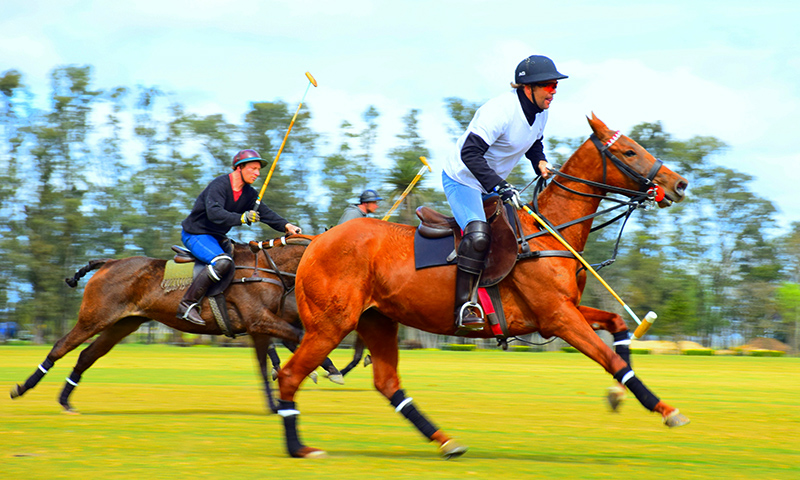
Polo in India carries a weight few sports can match. The modern game grew out of Sagol Kangjei, played on Manipuri ponies for centuries before British officers watched a match in Imphal in the 1850s and carried the sport to Silchar, Calcutta, and eventually the rest of the world. The country now runs one of the most active winter polo circuits anywhere, with military teams, royal patrons, and touring international sides all in the mix. This guide covers the 20 polo destinations in India where the sport actually lives, whether you want to play a chukker, watch a tournament, take lessons, or trace the game’s roots. Every place here has a working ground, an active club, or a season that draws players from across the country.
Three things make polo tourism India distinctive. First, the calendar. The main season runs from October through March, which lines up neatly with international players looking to escape the northern hemisphere winter. Second, the depth of the circuit. The Indian Army, the Indian Polo Association, and legacy royal clubs together field enough teams to sustain simultaneous tournaments across four or five cities each winter. Third, the settings. Matches happen at grounds like the Jaipur Polo Ground in New Delhi or Manipur’s centuries-old Mapal Kangjeibung, venues that carry genuine historical weight. For players and travelling spectators, this combination means you can plan a full trip around the sport rather than treating a match as a one-off outing.
Manipur is where the modern game was born. Mapal Kangjeibung in central Imphal is widely regarded as the world’s oldest living polo ground, still in use for the annual Manipur Polo International each November, which draws teams from Argentina, England, and the United States. The state also runs Sagol Kangjei on its native ponies, a form of the game that predates the codified British rules. Serious players treat a visit here as a pilgrimage.
Founded in 1862, the Calcutta Polo Club is the oldest operational polo club in the world, and it still runs the Ezra Cup, first played in 1880 and considered the sport’s first-ever trophy. The Pat Williamson Ground sits inside the Royal Calcutta Turf Club racecourse, with the Victoria Memorial as backdrop. The winter tournament season, usually December, is open to spectators.
Delhi hosts the headquarters of the Indian Polo Association and two of the busiest grounds in the country: the Jaipur Polo Ground next to Rashtrapati Bhavan, and the Army Polo and Riding Centre in Delhi Cantonment. The winter season here anchors the national circuit, with the President’s Bodyguard fielding one of the strongest teams. December to February is peak tournament time.
Jaipur’s polo lineage goes back to Maharaja Sawai Man Singh II, a nine-goal player who took the sport global in the 1930s. The Rambagh Polo Club still hosts tournaments each winter, and the Rajasthan Polo Club runs the Sawai Man Singh Cup. Match days at Rambagh Palace have a distinctly aristocratic flavour, with heritage hotels building weekend packages around them.
Home of the Jodhpur Polo and Equestrian Institute, the city runs a strong December season culminating in the Maharaja Jodhpur Golden Jubilee Cup. Umaid Bhawan Palace and the historic Chopasni field are the main venues. Jodhpur is also famous for its Marwari horses, though standard polo ponies are used for competitive play. The city pairs beautifully with Jaipur for a full Rajasthan polo week.
British tea planters formed the world’s first polo club at Silchar in 1859, three years before Calcutta. The club is no longer a major tournament venue, but the ground survives and remains an essential stop for anyone tracing the sport’s history. Silchar sits close to the Manipur border, so most polo pilgrims pair it with an Imphal visit.
The Amateur Riders’ Club at Mahalaxmi Racecourse runs polo alongside its equestrian programmes, and the annual polo weeks during the Mumbai racing calendar bring together corporate and legacy patrons. Mumbai’s grounds are more compact than the northern venues, but the standard of play and the social scene around match days rival Delhi and Jaipur.
The Madras Polo and Riding Club, one of the oldest in south India, keeps the sport active through the winter with tournaments and coaching clinics. Chennai’s grounds are also used by the Indian Army’s Madras Regimental Centre teams. The scene is smaller than Delhi’s but has a loyal following and offers more accessible entry points for beginners considering their first lessons.
Bengaluru’s polo runs primarily through the Army Service Corps Centre grounds, with the Bangalore Polo Club supporting civilian players. The city’s mild climate makes it one of the few places where the sport can be played comfortably almost year-round, and it has become a hub for corporate cups, celebrity tournaments, and structured beginner programmes.
The Nizams of Hyderabad were among Indian polo’s greatest patrons in the early twentieth century, and the game survives through the Hyderabad Polo and Riding Club and army cantonment grounds at Bolarum. Tournaments here draw teams from across south India and offer visitors a chance to watch top-level polo away from the busier northern venues.
The Poona Club and the Remount Veterinary Corps Centre have kept polo alive in Pune for over a century. The season peaks from November through February, and the city hosts inter-regimental matches that are among the most competitive in the country. Pune is also a common training base for army officers heading into the professional circuit.
The Patiala royal family were pivotal patrons of Indian polo, and Maharaja Bhupinder Singh’s team dominated the sport in the 1920s. The tradition continues at the Patiala Polo Club, and the National Institute of Sports at Patiala helps train service riders. The winter season here is smaller in scale but historically rich and worth a detour.
Meerut is one of India’s biggest army cantonments and home to the Remount Veterinary Corps Centre and School, which trains most of the country’s military polo players. The RVC ground hosts the Beresford Cup and other inter-service tournaments. It is not a tourist destination, but for anyone interested in the sport’s mechanics, a visit is worth planning.
The Chushot polo ground near Leh sits at over 3,300 metres above sea level and is widely cited as the highest polo ground in the world. Ladakhi polo is a variant of the sport, closer in style to the free-form Baltistani and Gilgiti game than to modern rules, and matches during the summer festivals are a genuine spectacle. For adventurous players, a game at altitude is a bucket-list experience.
Kashmir has a documented polo history going back to the seventeenth century, when the game was played on the Srinagar Chowgan, a wide open ground, under Mughal patronage. The sport is no longer a fixture of the local calendar, but riding schools and heritage properties around Srinagar occasionally organise matches during the summer for visitors.
The Shillong Polo Ground, laid out during the British era, sits at over 1,400 metres and hosts occasional matches through local riding clubs. Shillong is not a major circuit stop, but it is a scenic and low-key way to combine polo interest with a wider northeast India trip covering Meghalaya, Assam, and Nagaland.
The Wodeyar rulers of Mysuru maintained a strong polo tradition, and the city still supports the sport through the Mysore Race Club grounds and army cantonment fields. Tournaments here are infrequent but well organised, and the city itself offers heritage stays that pair naturally with a polo weekend or a Karnataka circuit tour.
The Indian Military Academy in Dehradun uses polo as part of its officer training, and the academy grounds host inter-services matches. The city also has an active civilian riding scene, and the Doon Valley makes it one of the more scenic settings for the sport in north India.
Gurugram has emerged as a modern polo hub through the Chanakya Polo Club and the ASC grounds, both used for the winter season alongside Delhi. Corporate tournaments and brand cups have made it an important entry point for new players, sponsors, and hospitality-led spectatorship.
Ooty’s polo goes back to the Madras Presidency, when the Ootacamund Club grounds were among the highest polo venues in south India. The sport is largely dormant today, but the historic ground and the hill-station setting keep Ooty relevant for anyone mapping the country’s full polo heritage.
Season: The Indian polo calendar runs October to March in most of the country, with April to September active only in Ladakh and Bengaluru. The Delhi and Jaipur seasons peak in December and January.
Booking games: Casual players can arrange lessons through most club-affiliated riding schools. Competitive chukkers usually require an Indian Polo Association handicap or an introduction through a member.
Watching tournaments: The Jaipur Polo Ground in Delhi, the Rambagh in Jaipur, and the Pat Williamson in Kolkata all admit spectators during main events. The Calcutta Polo Club publishes its December schedule online each year, and the Manipur Tourism portal lists Sangai Festival polo events for November.
Combining trips: Rajasthan pairs Jaipur and Jodhpur naturally, and our Rajasthan tour packages can be timed to the winter tournament calendar. Manipur and Silchar work best as a heritage pilgrimage through the Northeast India circuit, while a summer game in Chushot fits inside a Ladakh tour itinerary timed to July or August.
Serious circuit followers usually build their trip around the Delhi season in December and add Jaipur and Kolkata in the same window. Casual visitors are better served by picking one region and pairing polo with the wider travel experience.
The Indian polo season is one of the sport’s best-kept secrets, and the twenty polo destinations in India covered here between them anchor almost every meaningful tournament, training ground, and heritage venue in the country. Whether you want to play, watch, learn, or simply understand where the modern game came from, there is a place on this list that fits. To build a custom itinerary timed to a specific tournament, club season, or heritage trail, get in touch through our Contact Us page and our team will work out the details, permits, and hospitality.
The Calcutta Polo Club, founded in 1862 in Kolkata, is the oldest polo club in India and the oldest operational polo club in the world. It still runs the Ezra Cup, the sport’s first-ever trophy, which dates to 1880.
The modern game evolved from Sagol Kangjei, played for centuries on Manipuri ponies in Imphal. British officers watched a match there in the 1850s and later formalised the sport at Silchar in 1859 and Calcutta in 1862. Manipur is regarded as the birthplace of modern polo.
The main season runs from October to March, peaking in December and January in Delhi, Jaipur, and Kolkata. Ladakh’s polo season is the opposite, running during the summer months from June to September, because of its high altitude and cold winter.
Yes. Clubs in Bengaluru, Delhi, Mumbai, Chennai, Pune, and Hyderabad offer introductory lessons through their affiliated riding schools. Beginners typically start with basic riding, then move to stick-and-ball practice, before joining low-goal chukkers under supervision.
The Chushot ground near Leh in Ladakh sits above 3,300 metres and is widely cited as the highest polo ground in the world. It is used mainly during Ladakh’s summer polo festivals in July and August, when the season is at its peak.
Most major tournaments in Delhi, Jaipur, and Kolkata are open to the public, either free or with modest ticket prices. Check the Indian Polo Association calendar or the Calcutta Polo Club website for schedules, and arrive an hour early during finals weekends for the best atmosphere.
The Kerala Backwaters: 11 Things To Know Before You Visit
23 Sep 2026
Udaipur Itinerary: How to Spend 3 Days in Udaipur
22 Sep 2026
The Best Places to See in Varanasi, India
22 Sep 2026
11 Ancient Temples in Palakkad That Deserve to Be Seen
22 Sep 2026
Best Places to Visit in Tamil Nadu, India: A Traveller’s Guide for 2026
21 Sep 2026


