 +919871148514
 info@memorableindia.com
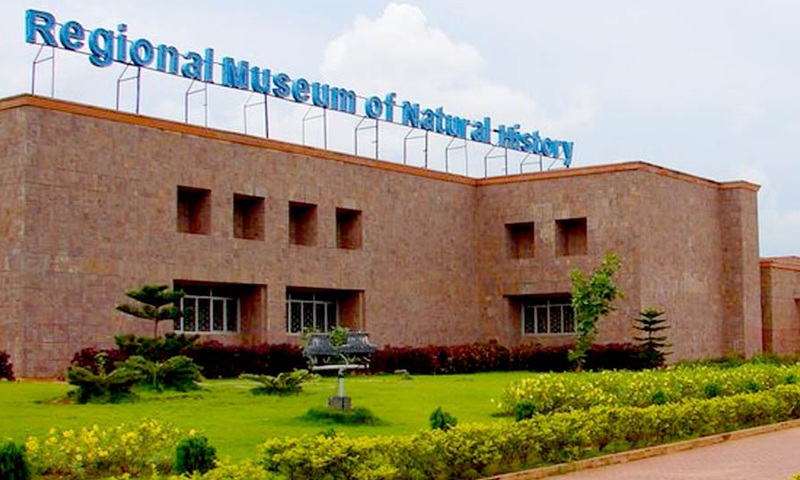
For travellers who plan holidays around national parks and safari zones, museums often sit quietly at the edge of the itinerary. That is a missed opportunity. India’s natural history museums hold the scientific memory of the subcontinent’s forests, wetlands, deserts and coasts, and they offer context that no jeep drive alone can provide. A morning spent among taxidermy dioramas, fossil casts and habitat displays sharpens the eye for what comes next in the field, and it also gives children and first-time safari-goers a gentle introduction to species they might spot later on a wildlife holiday.
The country’s wildlife museums range from major regional institutions run by the Ministry of Environment, Forest and Climate Change to small forest department centres tucked beside tiger reserves. Some focus on evolution and geology; others document a single ecosystem in extraordinary depth. This guide rounds up eleven museums in India for wildlife lovers that reward a proper visit, from serious naturalists and photographers to families adding depth to a wildlife holiday.
Set on the banks of Karanji Lake with the Chamundi Hills as a backdrop, this museum opened in 1995 as the first regional branch of the National Museum of Natural History network under the Ministry of Environment, Forest and Climate Change. It focuses on the flora, fauna and geology of southern India, with the biological diversity gallery giving special emphasis to the Western Ghats. Interactive dioramas, translites and thematic exhibits walk visitors through ecological interconnections between plants, animals and the environment. Tactile exhibits allow visually challenged students to feel the shapes of preserved animals, which is a thoughtful detail worth noting. Set aside about ninety minutes here, and combine the visit with Mysuru Zoo and the Karanji Lake nature park, which sit within easy reach. Entry is free, and the museum stays open on all days barring Mondays and public holidays. Photography rules can change, so confirm at the ticket counter on arrival.
Inaugurated on 29 September 1997 inside the Environment Complex near Shahpura Lake, the Bhopal branch documents the biodiversity of central India. Its collections tell the story of how humans and the natural world have interacted across the region, and a replica of a Rajasaurus skull anchors the palaeontology display. Galleries are supported by transcripts, translations and audio tours, which makes the museum accessible to non-Hindi and non-English speakers alike. Attendance runs to roughly seven thousand visitors a month, though weekdays remain quiet enough for unhurried browsing. Families travelling to Kanha, Pench or Satpura often stop in Bhopal for a night, and the museum pairs well with Van Vihar National Park nearby, which functions as a rescue and rehabilitation zone rather than a hunting-style safari destination. Entry is free, and the museum operates from Tuesday to Sunday. Guided walks can be requested in advance for school and college groups.
Opened to the public in 2004, this eastern regional branch sits near Acharya Vihar Square on Sachivalaya Marg, sharing a compound with the state planetarium. The collections cover Odisha, the north-east, the Andaman and Nicobar Islands, and even material from Madagascar and parts of Africa, which gives the museum a wider zoogeographic sweep than most Indian institutions of its size. A baleen whale skeleton installed inside is reportedly the largest such specimen displayed in any Indian museum, and it is worth the detour on its own merit. The galleries emphasise conservation and ecological interrelationships, and tactile exhibits again make the space usable for visitors with vision impairment. Entry is free, and the museum stays open Tuesday through Sunday from 10 in the morning to 6 in the evening. Combine the visit with the Odisha State Museum and Nandankanan Zoological Park on the city’s outskirts for a full biodiversity day.
For travellers heading into Ranthambore Tiger Reserve, this museum makes an ideal pre-safari orientation stop. Sitting on 7.2 acres near Ramsinghpura village, about 9 kilometres from Sawai Madhopur town, it was inaugurated on 1 March 2014 as the fourth regional branch of the NMNH network. Galleries focus on the plants, animals and geology of western India, with dedicated space for the desert biome and the Aravalli ecosystem. Dioramas of tiger habitat give first-time safari-goers a preview of the vegetation and topography they will encounter inside the park. The museum works well as a morning visit before an afternoon jeep drive, or as a lunchtime break between safari slots. If you are planning the trip through our Ranthambore tour packages, ask the team to slot this museum into your itinerary rather than treating it as an afterthought.
Founded in 1814, this is the oldest and largest multipurpose museum in India, and its zoological section remains one of the finest in the country. The gallery holds an extensive collection of mounted mammals, birds, reptiles, fish and invertebrates gathered over more than two centuries, including specimens contributed by early colonial-era naturalists. Fossil vertebrates, entomology cabinets and the marine invertebrate hall give a strong sense of scientific continuity, and researchers still consult the collections regularly. The building itself, at the Chowringhee end of Park Street, is a heritage structure worth an unhurried walk-through. Set aside at least three hours, and pair the visit with a stop at the Zoological Survey of India headquarters, also in Kolkata, which houses the National Zoological Collections. Entry costs a modest sum for Indian citizens, higher for foreign visitors, and photography carries a separate fee at the ticket counter.
The BNHS, founded in 1883, is one of India’s oldest and most respected wildlife research organisations, and its Hornbill House near Chhatrapati Shivaji Terminus doubles as a small but rich reference museum. The library holds rare journals, field notes and monographs, and the display cases carry specimens tied to landmark studies by Salim Ali, S. H. Prater and other pioneering Indian naturalists. This is less of a walk-in gallery and more of a working institution, but wildlife enthusiasts are usually welcome to visit the public areas by prior appointment. Membership brings access to organised field trips, birding walks around Mumbai’s mangroves, and the society’s respected journal. For serious naturalists building a home reference collection, the BNHS bookshop is arguably the best in the country. Reach out ahead of your visit to confirm opening hours and access to specific galleries.
Originally established as the Prince of Wales Museum in the early 1900s, this Grade I heritage building at Kala Ghoda houses a substantial natural history section alongside its art and archaeology galleries. The dioramas of Indian mammals and birds, some dating back nearly a century, are historical artefacts in their own right, and they retain a certain narrative charm that newer museums lack. Habitat groups show tigers, bears, blackbuck and Himalayan species in reconstructed settings, and the marine section includes coral and shell displays worth a slow look. The museum is well set up for families, with signage in English, Hindi and Marathi. Allow three to four hours to cover the natural history wing alongside the antiquities. Photography is permitted on payment of a fee, and the on-site cafe makes for a comfortable break between galleries.
Named after India’s foremost ornithologist, SACON functions primarily as a research institute under the Ministry of Environment, Forest and Climate Change, and it maintains a small but scientifically important museum and reference collection at Anaikatty, roughly 25 kilometres from Coimbatore. The specimen collection covers South Indian birds, small mammals, herpetofauna and invertebrates, and the campus itself offers birding walks in scrub jungle habitat that is home to more than two hundred species. Visits are best arranged in advance, since the centre is oriented towards researchers, students and organised groups rather than casual walk-ins. For anyone planning a birding trip through the Nilgiris, Anaikatty makes a natural stopover, and the campus can also be combined with a visit to Anamalai Tiger Reserve further south. Confirm entry protocols with the centre office before travelling.
The Napier Museum, founded in 1855, is one of India’s oldest museums, and the adjacent Natural History Museum is a serious destination in its own right. Galleries are organised by taxonomic category, covering mammals, birds, vertebrates, invertebrates and skeletal specimens, with an ethnology section that maps the human communities of Kerala alongside the region’s biodiversity. The natural air-conditioning system of the original building, an Indo-Saracenic architectural landmark, keeps interiors pleasant even in Kerala’s warm months. The complex also encloses a zoological garden established in 1857, one of the oldest in Asia. Timings run from 10 in the morning to 5 in the evening, Tuesday through Sunday, with a shorter Wednesday window of 10 to 1. The museum forms a natural bookend to any Kerala wildlife tour covering Periyar, Wayanad or the Silent Valley.
Established in 1903, this compact museum on the Padmaja Naidu Himalayan Zoological Park campus punches well above its weight. Its dioramas, taxidermy mounts and lepidopteran and entomological specimens document the fauna of the eastern Himalayas in impressive depth, including the red panda, Himalayan black bear, snow leopard and clouded leopard. The butterfly collection is particularly strong, and it draws researchers from across South Asia. Combine the visit with the adjoining zoo, which is famous for its conservation breeding programmes for high-altitude species. The location itself, at roughly 2,150 metres, adds atmosphere, and clear-day views of Kanchenjunga from the surrounding ridges are a reward in their own right. The museum stays open through most of the year, though winter weather can affect access. Time your visit around a Sikkim or Darjeeling trip for the best value.
Set close to Bandhavgarh National Park, this private museum was originally a personal collection of the Maharaja of Rewa, and it preserves artefacts from the era when Bandhavgarh’s forests functioned as a royal hunting reserve, or shikargarh. Trophies, weapons, hunting-era photographs and personal belongings of the royal family sit alongside memorabilia connected to Mohan, the famous white tiger of Rewa captured in the surrounding forests in 1951. The museum offers a striking, and sometimes uncomfortable, contrast to today’s conservation-first ethos, and it makes for a thoughtful reflection point after a safari. For wildlife travellers planning multi-park itineraries in central India, the Baghel Museum sits naturally within a broader Madhya Pradesh circuit. Our Bandhavgarh tour packages can factor in a museum stop between safari slots, especially useful during hot afternoons when tiger movement slows down.
A few practical points make the difference between a rushed detour and a rewarding stop. Time it right; most natural history museums close on Mondays and public holidays, so confirm hours before travelling, especially in smaller cities. Pair museums with parks; a morning at the Sawai Madhopur museum before a Ranthambore afternoon safari, or the Darjeeling museum before a Neora Valley visit, sharpens the field experience considerably. Bring a notebook, since field marks, species names and habitat notes gathered indoors translate directly into better spotting outdoors. Ask about guided tours, because several regional museums offer scheduled walks with resident biologists or trained interpreters at no extra cost. Support the shops, as museum bookshops often stock field guides and monographs that are hard to find in commercial stores, and purchases support the institutions directly. For itineraries that thread museums into safari holidays, our wildlife India tours team can build custom routes that connect parks, museums and conservation centres in a single trip.
India’s wildlife museums are not add-ons, they are complements to the jungle itself. A morning inside a well-curated gallery can turn a distant sighting into a recognised species, and it can turn a routine holiday into a genuinely informed one. For interests spanning tigers, birds, marine life or Himalayan fauna, the eleven institutions above give you a way to see the country’s biodiversity from the inside out. For a tailored plan that blends safaris, museum stops and cultural experiences into one thoughtful itinerary, get in touch with our travel specialists through the Memorable India contact page, and we will build a route that matches your interests, budget and travel window.
The Indian Museum in Kolkata, founded in 1814, is the largest and oldest multipurpose museum in the country, and it houses one of its most extensive zoological collections. For specialised natural history focus, the four regional branches of the National Museum of Natural History in Mysore, Bhopal, Bhubaneswar and Sawai Madhopur remain the primary institutional network.
Yes. The Rajiv Gandhi Regional Museum of Natural History sits about 9 kilometres from Sawai Madhopur town, near Ramsinghpura village. It focuses on the wildlife, plants and geology of western India, and it works well as a pre-safari orientation stop before a Ranthambore visit.
The Regional Museum of Natural History in Bhubaneswar displays a baleen whale skeleton that is reportedly the largest such specimen mounted in any Indian museum.
The original National Museum of Natural History building on Barakhamba Road, New Delhi was destroyed in a fire in April 2016. The four regional branches under the NMNH network continue to operate. Confirm the latest status of any replacement facility before planning a Delhi visit.
Yes, most of these museums are family-friendly. The regional NMNH branches in Mysore, Bhopal, Bhubaneswar and Sawai Madhopur are particularly well set up for school-age children, with interactive exhibits, tactile displays and audio guides.
For most museums, walk-in entry is fine on weekdays. Advance intimation is recommended for research institutions like SACON in Coimbatore and BNHS in Mumbai, which cater primarily to students and researchers.
The Kerala Backwaters: 11 Things To Know Before You Visit
23 Sep 2026
Udaipur Itinerary: How to Spend 3 Days in Udaipur
22 Sep 2026
The Best Places to See in Varanasi, India
22 Sep 2026
11 Ancient Temples in Palakkad That Deserve to Be Seen
22 Sep 2026
Best Places to Visit in Tamil Nadu, India: A Traveller’s Guide for 2026
21 Sep 2026


