 +919871148514
 info@memorableindia.com
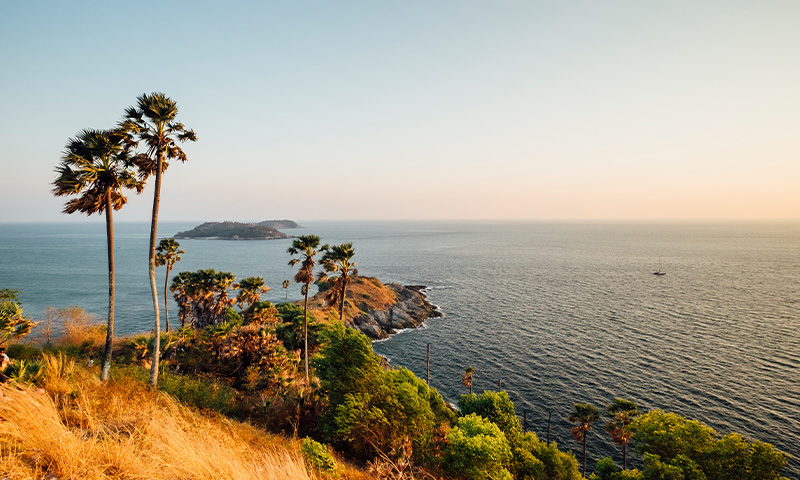
India’s west coast holds two of the country’s most photographed shorelines, and pairing them into one trip is easier than most travellers assume. A Kerala Goa itinerary lets you glide through palm-shaded backwaters one week and settle into Goa’s easy beach rhythm the next, without doubling back or spending your holiday in transit. The pairing works because the two states balance each other. Kerala rewards slow travel, layered scenery and quiet mornings on the water. Goa rewards long lunches, sunset walks and the freedom to do very little. Put together, they make one of the most complete coastal holidays in India, and this guide walks you through how to plan it, what to see, and where each destination genuinely earns its place on the map.
On paper, Kerala and Goa look similar. Both sit on the Arabian Sea, both have coconut palms, both are famous for seafood. Spend a day in each and the differences become obvious. Kerala’s coastline is stitched together by a network of canals, lakes and river mouths that stretches almost 900 km, best known as the Vembanad backwater system. Goa’s coastline is a long, uninterrupted arc of sand punctuated by Portuguese-era churches, forts and fishing villages.
A well-planned Kerala Goa itinerary lets you experience both without repetition. You get:
For international visitors combining South India with a longer trip, this route also pairs well with a Golden Triangle add-on before flying south, which is why it appears so often in customised Kerala tour packages built for two to three weeks.
Both states share the same broad climate window, which makes coordinating a trip easier than crossing several regions.
If you want to time your trip around a specific experience, Kerala’s Onam falls in August or September, and Goa’s Carnival is held in February. Both add real character to a visit but require earlier booking. For most travellers planning this combined trip for the first time, mid-November to mid-February hits the sweet spot for weather and availability.
The two states are around 850 km apart on the coast, and how you connect them changes the shape of your holiday.
By flight. The fastest option, and the one we recommend for most itineraries. Direct flights between Kochi (COK) and Goa (GOI or MOPA) take around 90 minutes and run several times a day on major domestic carriers. If you plan to start in Kerala and end in Goa, book a one-way flight rather than a return.
By train. For travellers who enjoy long rail journeys, the Netravati Express and a handful of other services connect Ernakulam Junction with Madgaon Junction along the scenic Konkan Railway route. The trip is around 12 to 14 hours and cuts through the Western Ghats, coastal Karnataka and Goa’s own hinterland. Book AC 2-tier or 3-tier in advance through IRCTC.
By road. A private drive of 15 to 17 hours is possible with overnight stops in coastal Karnataka, but it eats into holiday time. Most travellers only choose this if they want to include a Gokarna or Karwar stopover.
For a two-week trip, we suggest flying between the two so you keep your energy for the destinations themselves. Rail is a lovely add-on if you have a spare day and enjoy the journey as much as the arrival. Our team routinely builds these connections into custom Kerala backwater tour itineraries.
Ten nights gives you enough time to see Kerala properly, add a coastal transition, and still enjoy four or five slow days in Goa. This is the version we most often recommend for couples, families with older children, and first-time visitors who want a balanced pace.
Kerala’s cultural entry point is a walkable colonial quarter that feels part port town, part gallery district. Spend a morning tracing the Chinese fishing nets and Mattancherry’s spice lanes, and an afternoon inside the 16th-century Paradesi Synagogue and the Dutch Palace with its Ramayana murals. Book a Kathakali or Kalaripayattu performance for the evening; both allow you to arrive early and watch the make-up ritual before the show, which is often more absorbing than the performance itself. Stay in a heritage homestay inside Fort Kochi rather than a business hotel across the bridge in Ernakulam. Two nights here also give you time to recover from long-haul flights before the drive into the hills.
A four-hour drive inland brings you into a completely different Kerala. Tea estates roll across the hills at over 1,500 metres, the air is cool, and the light in the late afternoon is worth the drive alone. The Kannan Devan Tea Museum is a compact introduction to the region’s history. Skip Echo Point if you have limited time and prioritise a walk through a working estate instead.
Three hours south lies the Periyar Tiger Reserve. A boat cruise on Periyar Lake at first light is one of Kerala’s most accessible wildlife experiences, suitable for older travellers and young children. Add a guided spice plantation walk in the afternoon and, for the energetic, a bamboo raft ride the next morning.
Transfer to Alleppey by mid-morning and board a traditional kettuvallam by noon. A single overnight on the backwaters is enough for most travellers, giving you about 20 hours on the water with all meals cooked onboard. Disembark next morning and drive 30 minutes to Marari beach, a former fishing village that has quietly become one of Kerala’s calmest coastal stays. This is a genuine slow day and the reason the beach half of the trip belongs in Goa rather than here.
An early transfer to Kochi airport puts you in Goa by lunchtime. Head straight to your beach base rather than sightseeing on arrival day.
South Goa suits travellers who want a quieter beach half. Base yourself around Palolem, Agonda or Cavelossim, and pick a property within walking distance of the sand rather than one that needs a taxi every time you want a coffee. Reserve one day for Old Goa’s UNESCO-listed churches, including the Basilica of Bom Jesus, and a wander through Panaji’s colour-washed Fontainhas quarter. Keep the other two days for slow beach mornings, a spice plantation lunch inland, and one evening at a live music venue in Cavelossim or Palolem. If you prefer a livelier scene, swap the base to Candolim or Vagator in North Goa, but keep the Old Goa visit on the plan; the heritage layer is what elevates a Goa stay from a generic beach holiday into a proper coastal itinerary.
Not every backwater cruise is the same, and choosing the right one shapes how you remember Kerala.
A common mistake is to book two houseboat nights back to back. One is usually enough. The second night is better spent on land, either at a lakeside resort in Kumarakom or a beach cottage in Marari, so the water experience keeps its charm rather than blurring together.
Goa is really two holidays. Which one you pick decides the mood of your second week.
North Goa suits travellers who want a wider choice of restaurants, live music, water sports and evening markets. Bases like Candolim, Baga, Anjuna, Vagator and Ashwem give you shack culture at scale. Nightlife runs later here, and getting around is easier with more taxis and rentals.
South Goa suits travellers who want long walks, quiet mornings and lower-key beach shacks. Palolem is the busiest of the south’s beaches but still calmer than most of the north. Agonda, Patnem and Cola are quieter still. Cavelossim and Mobor host most of the large luxury resorts. For a first-time visit combining both states, most couples and families we plan for prefer the south. It matches the pace you have just come from and lets the trip finish gently. Our curated Goa tour packages can be built around either coast depending on your preference.
For up-to-date state-level advisories and permits, the official portals of Kerala Tourism and Goa Tourism are the most reliable references.
This coastal route works beautifully for couples, honeymooners, multigenerational families, and slow-travel first-timers. It suits anyone who wants to see two very different sides of India’s coast without changing regions constantly, and it holds up well as either a standalone South India holiday or the closing leg of a longer trip that begins in Delhi or Mumbai. If you have only a week, prioritise Kerala and add a short Goa extension of three nights. If you have three weeks, add Wayanad or Coorg between the two states for a hill-country pause, or pair the trip with the Andaman Islands for a completely different beach experience. Group size matters too: couples usually enjoy a boutique-heavy plan with one signature stay in each state, while families do better with mid-sized resorts that have pools and structured activities. If you would like our team to shape a version around your dates, group size and pace, get in touch through our contact page and we will draft an itinerary within a working day.
How many days do you need for a Kerala Goa itinerary?
Ten to twelve nights is the most comfortable length. That gives you six nights in Kerala across Kochi, Munnar or Thekkady, and the backwaters, and four to five nights in Goa. Shorter trips are possible in a week if you skip the hill segment.
Is it better to start in Kerala or in Goa?
Most travellers prefer starting in Kerala. Kerala’s itinerary involves more movement between destinations, and finishing in Goa lets you slow down and rest before flying home.
Should I fly or take the train between Kochi and Goa?
Fly if your total trip is under two weeks. The 90-minute flight saves a full travel day. Take the train only if you have time to spare and enjoy long rail journeys through the Konkan coast.
Is a Kerala Goa trip suitable for families with children?
Yes. The pace is gentle, distances are manageable with private transfers, and both states are child-friendly. Prefer South Goa’s calmer beaches with young children, and add a spice plantation stop in Thekkady, which most children enjoy.
When is the best time for a combined Kerala Goa holiday?
Mid-November to mid-February offers the best weather in both states. February and March are quieter and often better value than the December peak.
Can I include Munnar and a houseboat in a shorter itinerary?
Yes, though you will feel the pace. A seven-night version can include Kochi, one night in Munnar, one on the houseboat, and three nights in Goa. For anything shorter, drop either Munnar or the houseboat rather than rushing both.

The Kerala Backwaters: 11 Things To Know Before You Visit
23 Sep 2026
Udaipur Itinerary: How to Spend 3 Days in Udaipur
22 Sep 2026
The Best Places to See in Varanasi, India
22 Sep 2026
11 Ancient Temples in Palakkad That Deserve to Be Seen
22 Sep 2026
Best Places to Visit in Tamil Nadu, India: A Traveller’s Guide for 2026
21 Sep 2026


