 +919871148514
 info@memorableindia.com

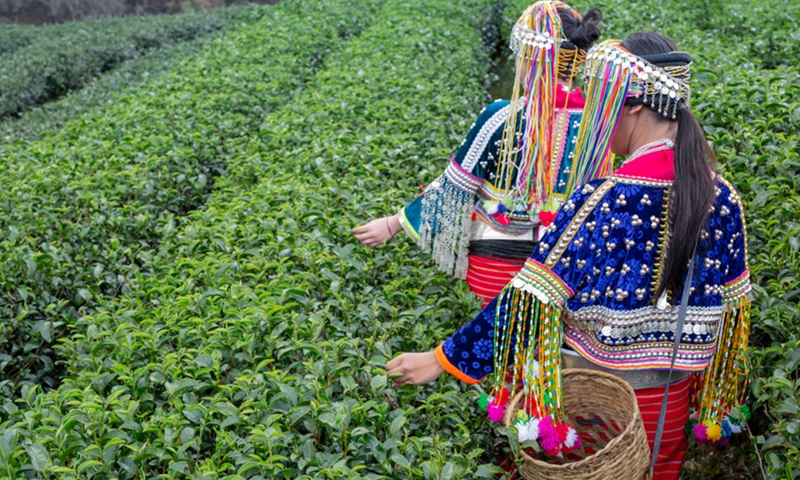
Ask a Khasi family in Shillong whose surname the children carry, and the answer comes without a pause: the mother’s. Ask who will look after the ancestral house, and most families will point to the youngest daughter. In much of India, both answers would start a debate at the dinner table. In Meghalaya, they are simply how things have always worked.
This small hill state in Northeast India is home to three communities, the Khasi, the Jaintia (also called Pnar) and the Garo, who trace family lines through women. That makes it the most famous answer to a question many curious travellers ask: where in India do women rule the roost?
The full answer is a little more layered than the headline, and that is what makes a visit so interesting. This guide explains how the system works, where you can see it in everyday life, which villages to add to your route, and how to travel with respect.
Meghalaya is the best-known matrilineal society in India. Among the Khasi, Jaintia and Garo communities, children take their mother’s clan name, husbands often move into the wife’s family home, and ancestral property usually passes to a daughter. The system is matrilineal (descent through women), which is not quite the same as matriarchal (women holding all power).
The phrase is catchy, but it helps to break it into three simple ideas before you travel. Each one shows up in daily life in ways a visitor can actually notice.
In a Khasi or Garo home, a child belongs to the mother’s clan from birth. The overview of the matrilineal society of Meghalaya notes that children take the mother’s surname, and that after marriage the husband usually lives in his mother-in-law’s home.
Think of it like a family tree drawn from the other side of the page. The branches you would normally trace through a grandfather are traced through a grandmother instead. Many Khasi clans even remember a founding female ancestor as the root of the whole clan.
Among the Khasi, the youngest daughter is called Ka Khadduh. The East Khasi Hills district administration explains that she alone is eligible to inherit the ancestral property under traditional custom.
Here is the part most headlines skip: this is a duty as much as a privilege. The Khadduh looks after ageing parents, keeps the family home open to siblings in trouble, and hosts family rituals. She also cannot sell ancestral property on her own. She needs the consent of her maternal uncles and brothers. A useful comparison is the eldest son in many North Indian families, who often stays in the family home and cares for parents. In Meghalaya, the same role simply belongs to a daughter.
This is where many travel articles get it wrong. Meghalaya is matrilineal, not fully matriarchal. Lineage and inheritance run through women, but men still hold strong roles. In Khasi custom, the maternal uncle (often called U Kni) has traditionally guided major family and social decisions, and traditional village councils have historically been led by men.
So the honest picture looks like this:
The district administration quotes a line from writer David Roy that sums it up well: the man is the defender of the woman, and the woman is the keeper of his trust.
Meghalaya’s matrilineal culture is not one single rulebook. Each community follows its own version, and knowing the difference makes conversations with local guides far richer.
The Khasi tribe lives mainly in the East and West Khasi Hills, around Shillong, Sohra (Cherrapunji) and the villages towards the Bangladesh border. Their system centres on the Khadduh. Interestingly, the War-Khasi groups living on the southern slopes follow a variation where property can pass to children of both sexes in equal shares, according to the same district records.
The Jaintia Hills around Jowai are home to the Pnar people, who are closely related to the Khasi. Here too, inheritance traditionally favours daughters. The region is also known for the Umngot River at Dawki and for strong community festivals tied to the farming calendar.
In the western Garo Hills, the Garo tribe (who call themselves A’chik) follow their own matrilineal pattern. According to the South Garo Hills district profile, the heiress is called the Nokna, usually the youngest daughter, though parents may choose any daughter who has proved her dutifulness. Her husband, the Nokrom, joins her household. The Garo harvest festival, Wangala, is the best time to see this community’s music and dance at full volume.
You will not find a “matrilineal museum” in Meghalaya. The culture lives in markets, homes, villages and festivals. These are the places where it becomes visible.
Walk through Iewduh (Bara Bazaar), one of the oldest traditional markets in the Northeast, and notice who is running the stalls. Khasi women manage a large share of the trade in vegetables, dried fish, betel nut, spices and textiles. Small family businesses here are very often women-led, a pattern also recorded in studies of Khasi society.
Practical tip: go in the morning, keep your bag in front, and ask before taking close-up photos of vendors. A smile and a short “khublei” (thank you in Khasi) goes a long way.
For a wider look at the state’s landscapes before you plan, our guide to Meghalaya’s top places above the clouds covers the waterfalls, lakes and viewpoints that fit well around a culture-focused trip.
Mawlynnong village sits in the Pynursla block of the East Khasi Hills, about 90 km from Shillong and right along the India-Bangladesh border. It became famous in 2003 when a travel magazine named it Asia’s cleanest village, but the real lesson here is how a Khasi community organises itself.
Bamboo dustbins line the lanes, plastic is discouraged, and households share responsibility for keeping common spaces clean. Reports on the village also note bans on smoking and plastic. Stay overnight in a family homestay if you can. Day visitors see the tidy lanes; overnight guests see how the household actually runs, who cooks, who manages money, and how decisions get made.
Nearby, the single living root bridge at Riwai is a short walk away, and the balancing rock is worth a quick stop.
Smit, roughly 11 km from Shillong, is the seat of the traditional Khasi chief (Syiem) of Hima Khyrim. It hosts the Nongkrem dance, a thanksgiving festival where women in traditional dress perform alongside men. Even outside festival time, a guided visit explains how the old Khasi states were organised.
Smit is already part of the 5-day Best of Meghalaya tour package, which also covers Cherrapunjee, the sacred groves and living root bridges of the East Khasi Hills. It is a sensible first itinerary for travellers who want culture and landscapes in one trip.
Sohra is known for rain, caves and waterfalls, but its villages are where you meet Khasi family life. Hire a local guide for the trek to Nongriat’s double-decker root bridge and ask about clan names and village customs on the way. Most guides are happy to explain. Our guide to places to visit on your Cherrapunji tour helps you plan the sightseeing side of this stop.
Several explanations are shared locally. One popular account says that in the past, Khasi men went away to war for long periods, so women took charge of land, homes and children. Over time, that practical arrangement became custom.
Today the system faces real questions. Some Khasi men’s groups have argued for more equal inheritance, and the Khasi Hills Autonomous District Council has discussed reforms to inheritance customs. Christianity, migration to cities and modern property law have also shifted how families apply tradition. Ask a young Khasi woman in Shillong what she thinks, and you are likely to hear both pride and a wish for change.
Meghalaya is also not the only matrilineal society in India in a historical sense. Many Nair families in Kerala once followed a matrilineal system called marumakkathayam, under which property and family names passed through women. Laws passed in the twentieth century gradually ended it. What sets Meghalaya apart is that the tradition is not a chapter in a history book. It is still lived every day, in ordinary homes, markets and village councils.
That nuance is exactly why this destination rewards curious travellers. You are not visiting a fixed postcard. You are visiting a living society having a conversation with itself.
A little planning turns a sightseeing trip into a meaningful cultural one. Here is how to set it up.
For most travellers, October to April works best, when skies are clearer, roads are safer and village walks are comfortable. The monsoon months bring heavy rain and full waterfalls, but landslides can disrupt plans. Autumn and early winter often line up with harvest festivals in the Garo and Khasi Hills. Festival dates change every year, so confirm them before booking.
This route covers the main places to visit in Meghalaya for culture without rushing. Families can trim the trek day, and senior travellers can swap it for a slower Sohra day.
Good manners here are mostly common sense, with a few local touches:
Meghalaya is the clearest answer to the question this guide started with, but the real reward is not the headline. It is sitting in a Khasi kitchen, hearing how a youngest daughter balances inheritance with responsibility, and realising that family can be organised in more than one sensible way.
If this has sparked your interest, start by reading more about the region, then talk to a planner who knows the Khasi and Garo Hills well. When you are ready, our team can shape a responsible, homestay-friendly itinerary around your pace. Speak to a Memorable India travel expert to begin planning your Meghalaya trip.
Meghalaya is the best-known example. The Khasi, Jaintia (Pnar) and Garo communities trace descent through the mother, children usually take the mother’s clan name, and ancestral property traditionally passes to a daughter.
Not exactly. Meghalaya is matrilineal, meaning family line and inheritance pass through women. Men, especially maternal uncles, still play key roles in clan decisions and traditional village councils.
The youngest daughter, called Ka Khadduh, is expected to care for her parents, keep the ancestral home open to siblings and host family rituals. The inheritance supports those duties, and selling ancestral property usually needs the family’s consent.
Yes. Villages such as Mawlynnong, Nongriat and others in the East Khasi Hills run homestays. Staying overnight with a family is one of the best ways to understand how women manage a Khasi household.
October to April is the most comfortable window. Autumn and early winter often coincide with harvest festivals like Wangala in the Garo Hills, though dates vary each year.
Yes. In Imphal, Manipur, Ima Keithel is a centuries-old market run entirely by women traders. It is a market tradition rather than a matrilineal family system like Meghalaya’s.

Meghalaya: The Place in India Where Women Rule the Roost
01 Nov 2026
A Complete Travel Guide to Kuno National Park: Everything You Need to Know Before You Go
30 Oct 2026
A Comprehensive Guide to the Famous Sabarmati Ashram in Ahmedabad
29 Oct 2026
A One-Day Getaway in Gujarat to Explore Parsi Culture
28 Oct 2026
A Family Trip to Uttarakhand, For the Love of Mountains!
27 Oct 2026


