 +919871148514
 info@memorableindia.com

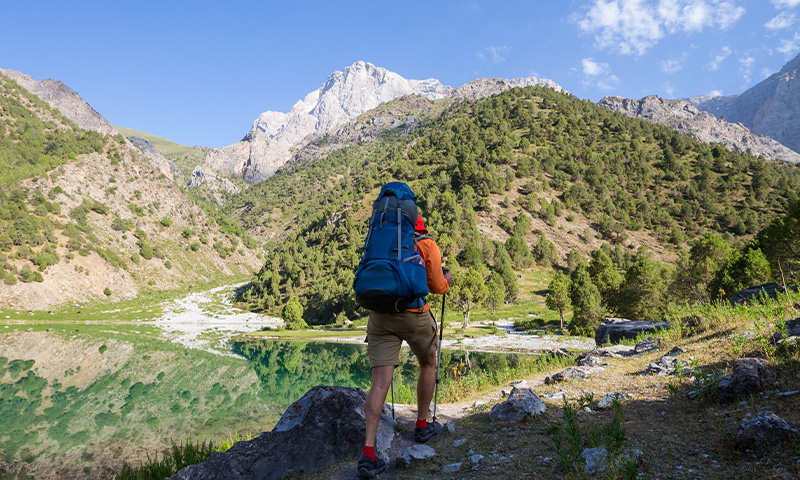
My backpack weighed close to nine kilos when I boarded the flight from Delhi. By day three in Kathmandu, I was wishing I had left half of it at home. That turned out to be the first honest lesson of solo backpacking in Nepal: you need far less gear than you think, and far more patience than you plan for.
This is an account of ten days I spent travelling alone through the Kathmandu Valley, Pokhara and the green hills above Phewa Lake. It covers what worked, what did not, what the current rules say about trekking alone, and how much planning a first trip really needs. Read it as a field report, not a brochure.
I had travelled with friends and family for years, but never alone. Nepal felt like the right place to start, for reasons that had nothing to do with postcards.
For a first solo trip to Nepal, that balance mattered. I wanted adventure, but I also wanted a safety net of easy logistics.
Good preparation is the difference between a smooth arrival and a frustrating first afternoon in an airport queue.
Indian citizens do not need a visa for Nepal, but the ID rules are strict. For air travel, the Embassy of India in Kathmandu accepts only a valid passport or an original Voter ID card with a photograph, and it clearly states that Aadhaar, PAN and driving licences are not valid travel documents. I carried my passport plus a photocopy, which also made hotel check-ins quicker.
Travellers of other nationalities can get a tourist visa on arrival at Tribhuvan International Airport in Kathmandu, Pokhara International Airport, Gautam Buddha International Airport and the land entry points. Visas come in 15, 30 and 90 day options, and the Nepal Tourism Board’s tourist visa page is the safest place to confirm current fees before you fly. Expect long queues in peak season.
I kept the plan loose but anchored it around three bases. Here is how the days broke down:
This 10 day Nepal itinerary leaves one buffer day built in. I used it, because a landslide repair slowed my bus by several hours. Without that cushion, the rest of the trip would have felt squeezed.
I based myself in Thamel. It is noisy and crowded, but for a solo traveller it is practical: you can find a clean room, a decent meal and someone to share a taxi with within a few minutes of walking.
The Kathmandu Valley is listed as a single UNESCO World Heritage Site made up of seven monument zones, and you can cover a good part of it without a car. My approach was simple: start early, before the tour groups and the traffic.
On day three, I took a local bus to Bhaktapur. Of everything in the valley, this was my favourite. The brick lanes, potters’ square and juju dhau, a rich local yoghurt served in clay bowls, made it feel like a town that still runs on its own rhythm.
If you want a wider view of what the country offers outside the mountains, our guide to places in Nepal beyond the trekking trails covers Lumbini, Bandipur, Nagarkot and more.
I chose the tourist bus over a flight. It costs far less, and the Prithvi Highway gives you your first real look at Nepal’s middle hills: terraced fields, river gorges and roadside towns selling tea and fried snacks.
The trade-off is time. The bus usually takes most of the day, and roadworks or traffic near the Kathmandu exit can stretch it further. A short domestic flight is the faster option if your schedule is tight.
A few things that made the ride easier:
Some travellers prefer to skip the logistics entirely. For them, a pre-arranged Kathmandu and Pokhara tour package with private transfers takes care of the transport and hotels, while leaving free time to explore alone.
Pokhara felt like exhaling after Kathmandu. Lakeside is calm, walkable and full of cafés where solo travellers sit at shared tables and swap trail notes.
Phewa Lake, which the Pokhara Metropolitan City tourism office describes as Nepal’s second largest lake, sits at the heart of everything. I spent my first afternoon rowing a hired boat to the small island temple of Tal Barahi.
The next two days had a loose shape:
Paragliding off Sarangkot is popular here. I skipped it for budget reasons, but most people I met who tried it called it a highlight.
This is the question I researched most before leaving, and the answer has changed in recent years.
In most cases, yes. From April 1, 2023, the Nepal Tourism Board made licensed guides mandatory for foreign trekkers in national parks and conservation areas, with trekking cards issued only through registered agencies. Lonely Planet’s explainer on the solo trekking ban notes that safety and local employment were the two main reasons behind it.
There are nuances. The Kathmandu Post reported that the Everest region follows its own local rules, and recent reporting from In Your Pocket suggests enforcement on popular routes is uneven, while restricted areas apply the rule strictly. Rules for Indian passport holders have also differed in places, so confirm the current position with a registered agency before you set out.
I booked a licensed local guide for a two day hike into the Annapurna foothills. My reasoning was practical:
My guide, a farmer’s son from a village near Ghandruk, knew every family running a tea house on our route. I learned more about rural Nepal in those two days than in the whole week before. Hiring a guide did not make the trip less independent. It made it more informed.
Overall, I felt safe throughout the trip. People were helpful, and the tourist areas are busy at most hours. The real risks were less dramatic than I had imagined:
Women travellers I met offered sensible advice: choose well-reviewed guesthouses, avoid walking isolated trails alone, and share your daily plans with someone at home. I would add one more for everyone: buy travel insurance that clearly covers trekking and emergency evacuation.
I will not quote exact prices, because rates in Nepal change with season and currency. What I can share is where the money went, which helps more with planning than any single number.
For budget travel in Nepal, the simple rule is to spend on safety and sleep, and save on everything else.
Timing shapes the whole experience, especially if mountain views are part of your plan.
I travelled in late October, and the clear mornings in Pokhara alone justified the choice.
Looking back, these are the habits that made the biggest difference:
These small choices are the heart of responsible travel. They cost little and leave a better footprint behind you.
Travelling alone in Nepal gave me something a group trip never could: the freedom to linger, to change plans over a cup of tea, and to rely on strangers who quickly stopped feeling like strangers.
Nepal solo travel works best with a light structure underneath it. If you like the idea of independence but want the logistics handled, browse our Nepal tour packages, which can be customised for solo travellers with private transfers, vetted hotels and licensed guides. And if you are ready to map out your own route, talk to our travel desk for a plan built around your dates, pace and budget.
Yes, Nepal is generally considered safe for solo travellers, especially in tourist hubs like Kathmandu and Pokhara. The main risks are road delays, mountain weather and occasional overcharging. Choose well-reviewed stays, agree on taxi fares upfront and carry insurance that covers trekking.
For most trekking routes in national parks and conservation areas, foreign trekkers now need a licensed guide arranged through a registered agency. The Everest region follows separate local rules. Check the latest position with a registered agency before you plan a trek.
Indian citizens do not need a visa. For air travel, carry a valid Indian passport or an original Voter ID card with a photograph. Aadhaar, PAN cards and driving licences are not accepted as travel documents.
October to November is the most popular period for clear skies and stable weather. March to May is the second-best window, with warm days and flowering rhododendrons. The June to September monsoon brings landslides and cloud cover.
You can take a tourist bus along the Prithvi Highway, which usually takes most of the day, or a short domestic flight. Buses are cheaper and scenic. Flights save time but can be affected by weather.
Ten days is a comfortable length for a first trip. It covers the Kathmandu Valley, Pokhara and a short guided hill trek, with one buffer day for delays. Add a week or more if you plan a longer trek.
Famous Festivals in Nepal: A Traveller’s Guide to Its Rich Culture and Traditions
25 Nov 2026
Solo Backpacking in Nepal: My 10 Day Route Through Kathmandu, Pokhara and the Annapurna Foothills
25 Nov 2026
A Place Where I Found My Lost Self: Mechuka in Arunachal Pradesh
24 Nov 2026
Sikkim Travel Guide: Top Places, Things to Do, Permits, How to Reach and Best Time to Visit
24 Nov 2026
Best Places to Visit in Himachal Pradesh: A Practical Guide to the North India Himalayas
23 Nov 2026


